3-Ingredient Bread Recipe: The Easiest Loaf You’ll Ever Bake!
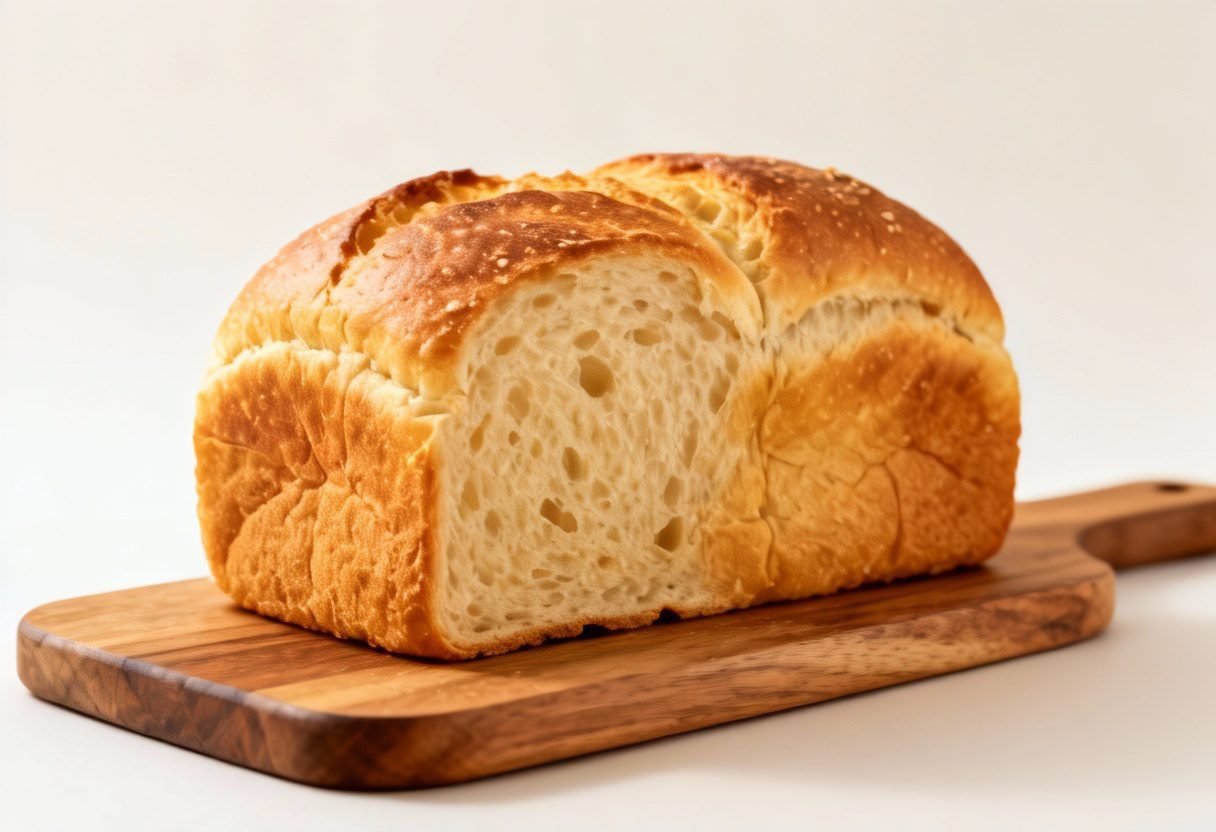
Imagine sinking your teeth into a warm, crusty loaf of bread, the aroma filling your kitchen with comforting goodness. Now, imagine achieving that with just three simple ingredients. Sounds too good to be true? It’s not! This 3-ingredient bread recipe is a game-changer for busy bakers, beginners, and anyone craving a delicious, homemade loaf without the fuss. Forget kneading for hours or dealing with complicated starters. This recipe is incredibly straightforward, surprisingly versatile, and delivers a satisfyingly rustic bread that’s perfect for sandwiches, toast, or simply enjoying with a pat of butter.
Why This Recipe Works
The magic of this recipe lies in the interaction of its three core components: self-rising flour, Greek yogurt, and a touch of optional salt. Self-rising flour already contains baking powder and salt, the leavening agents that give the bread its rise. The Greek yogurt adds moisture, tanginess, and a beautiful texture to the dough. Its acidity also helps activate the baking powder, further contributing to the bread’s rise. Together, these ingredients create a dough that’s easy to handle and bakes into a wonderfully flavorful and textured loaf. While some recipes omit the salt, we highly recommend adding it. It enhances the flavor profile and balances the tanginess of the yogurt.
Ingredients
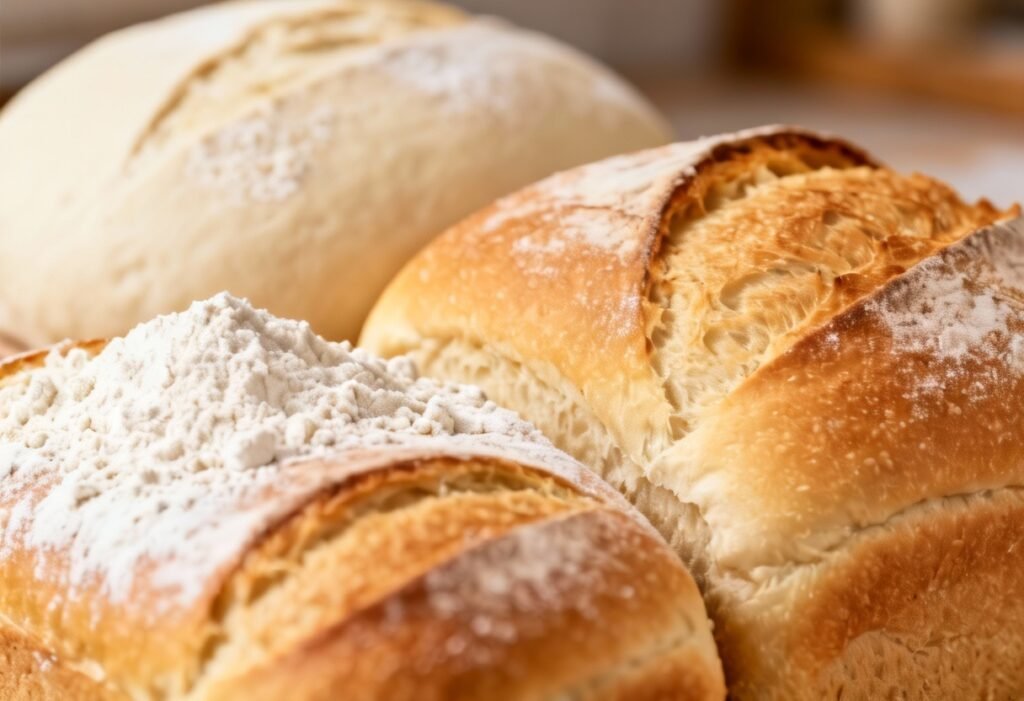
- 3 cups self-rising flour, plus extra for dusting
- 1 cup plain Greek yogurt (full-fat or low-fat)
- ½ teaspoon salt (optional, but recommended)
Instructions
- Preheat the oven: Preheat your oven to 375°F (190°C). Lightly grease a baking sheet or line it with parchment paper.
- Combine the ingredients: In a large bowl, combine the self-rising flour and salt (if using). Add the Greek yogurt.
- Mix the dough: Stir the ingredients together until a shaggy dough forms. It will be sticky – that’s normal!
- Knead the dough (optional): Lightly flour a clean surface. Turn the dough out onto the floured surface and knead it gently for 2-3 minutes. This step isn’t strictly necessary, but it helps develop the gluten and creates a smoother, more cohesive dough. Avoid over-kneading.
- Shape the loaf: Shape the dough into a round or oblong loaf. You can score the top of the loaf with a sharp knife or razor blade. This allows steam to escape during baking and helps prevent the bread from cracking unevenly.
- Bake the bread: Place the loaf on the prepared baking sheet. Bake for 30-35 minutes, or until the bread is golden brown and sounds hollow when tapped on the bottom.
- Cool the bread: Transfer the baked bread to a wire rack and let it cool completely before slicing and serving. This is crucial for preventing a gummy texture.
Tips for Success
- Use fresh ingredients: Ensure your self-rising flour is fresh. Baking powder loses its potency over time, which can affect the bread’s rise.
- Don’t overmix: Overmixing the dough can result in a tough bread. Mix just until the ingredients are combined.
- Adjust the moisture: The consistency of Greek yogurt can vary. If your dough seems too dry, add a tablespoon of water at a time until it comes together. If it’s too wet, add a tablespoon of flour at a time.
- Experiment with flavors: This recipe is a blank canvas for flavor additions. Try adding herbs like rosemary or thyme, spices like garlic powder or onion powder, or even cheese.
- Baking time may vary: Oven temperatures can vary, so keep an eye on your bread. If it’s browning too quickly, tent it with foil.
- Use a Dutch oven (optional): For an even crustier loaf, bake the bread in a preheated Dutch oven. Preheat the Dutch oven in the oven along with the baking sheet. Carefully place the dough inside the hot Dutch oven, cover, and bake for 20 minutes. Then, remove the lid and bake for another 10-15 minutes, or until golden brown.
Storage Instructions
Store the cooled bread in an airtight container at room temperature for up to 2-3 days. For longer storage, wrap the bread tightly in plastic wrap and freeze it for up to 2 months. Thaw the bread completely before slicing and serving. You can also refresh slightly stale bread by wrapping it in a damp paper towel and microwaving it for a few seconds.
FAQ
- Can I use regular flour instead of self-rising flour? No, you cannot substitute regular flour directly. Self-rising flour contains baking powder and salt, which are essential for the bread’s rise. If you want to use regular flour, you’ll need to add 1 ½ teaspoons of baking powder and ½ teaspoon of salt per cup of flour.
- Can I use different types of yogurt? While Greek yogurt is recommended for its texture and tanginess, you can experiment with other types of yogurt, such as plain yogurt or even sour cream. Keep in mind that the consistency and flavor of the bread may vary.
- My bread is dense and gummy. What did I do wrong? This could be due to a few factors: using old self-rising flour, overmixing the dough, not letting the bread cool completely before slicing, or not baking it long enough.
- Can I make this recipe gluten-free? Yes, you can use gluten-free self-rising flour blend. Be sure to check the blend’s ingredient list to ensure it contains xanthan gum or another binder, as this will help improve the texture of the bread.
- Can I add seeds or nuts to the dough? Absolutely! Adding seeds like sesame, poppy, or sunflower seeds, or chopped nuts like walnuts or pecans, can add flavor and texture to the bread. Simply fold them into the dough before shaping the loaf.
Conclusion
This 3-ingredient bread recipe is a testament to the fact that simple can be extraordinary. With minimal effort and just a handful of ingredients, you can create a delicious and satisfying loaf of bread that’s perfect for any occasion. So, ditch the store-bought bread and embrace the joy of homemade baking. You’ll be amazed at how easy it is to create a warm, crusty loaf that will impress your family and friends. Happy baking!