Easy Rolls Recipe Quick: 45-Minute Cloud-Soft Rolls That Make You Look Like a Pro
👩🍳 The Home Chef's Essential Kitchen
Consistently cooking incredible, healthy meals at home is so much easier when you aren't fighting with cheap tools. These are the 5 absolute powerhouse kitchen essentials that professional chefs and serious home cooks rely on every single day to get perfect results.
🍳 Lodge 10.25" Cast Iron Skillet
The single greatest value in all of cookware. It retains heat infinitely better than cheap non-stick pans, allowing you to get a restaurant-quality crust on steaks or perfect crispy edges on cornbread. With proper care, this $20 pan will literally outlive you.
🔪 Victorinox Fibrox Pro 8" Chef's Knife
A dull knife makes cooking a frustrating chore. This specific blade is the undisputed champion of the culinary world—it holds a terrifyingly sharp edge, features a comfortable non-slip grip, and performs identical to German knives that cost quadruple the price.
🌡️ ThermoPro Instant Read Thermometer
Never serve dry chicken or undercooked pork again. An instant-read thermometer is the secret difference between amateur cooks who 'guess' when protein is done, and professionals who know exactly when to pull meat off the heat for maximum juiciness.
🍲 Lodge Enameled Cast Iron Dutch Oven
The ultimate workhorse for soups, stews, braised short ribs, and baking crusty artisanal bread. The enameled interior provides incredible heat distribution for slow-cooking while eliminating the intense seasoning maintenance required by bare cast iron.
🥄 Bpa-Free Silicone Utensil Set
Throw away those melting plastic spatulas and bacteria-harboring wooden spoons. This pure silicone set is heat-resistant up to 600°F, won't scratch your expensive pans, and features seamless designs that make cleaning out thick sauces and batters effortless.
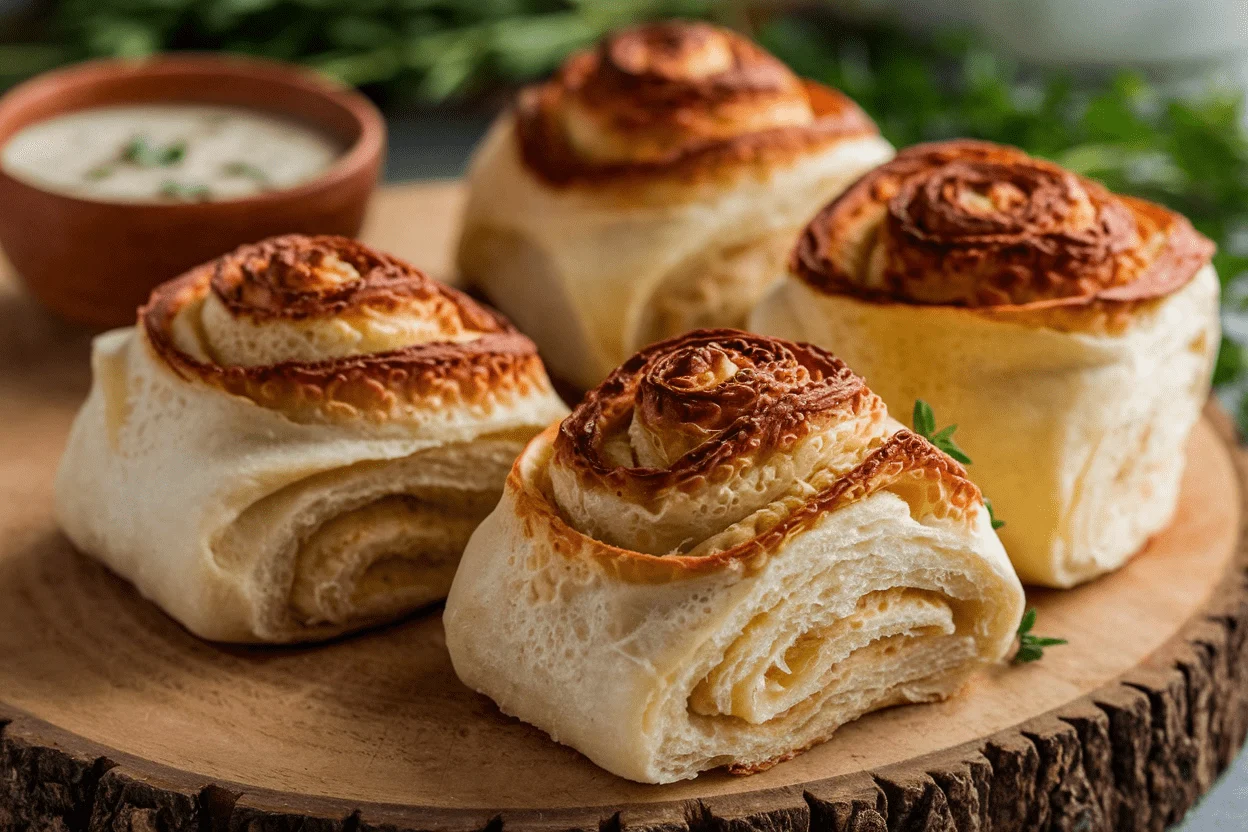
You want warm, buttery rolls that taste like a bakery flex—without babysitting dough all afternoon. Good. Because this “easy rolls recipe quick” turns pantry staples into golden, fluffy greatness in under an hour.
No special equipment, no culinary degree, just foolproof steps and the kind of aroma that makes neighbors “accidentally” stop by. Make these once, and suddenly you’re the person who “always brings the good bread.” That’s a reputation worth having.
What Makes This Special
This recipe is fast—like weeknight-fast—but doesn’t skimp on texture or flavor. You get soft, pillowy centers with light, crisp edges thanks to a short rise and a higher initial oven temp.
The dough is enriched with milk and butter, so the rolls bake up tender and slightly sweet (translation: perfect for everything). Plus, the method is forgiving: if you can stir and knead for a few minutes, you can pull this off. No stand mixer?
No problem.
What You’ll Need (Ingredients)
- 2 1/4 teaspoons (1 packet) instant yeast
- 1 cup warm milk (about 110°F; warm to the touch, not hot)
- 2 tablespoons granulated sugar
- 3 cups all-purpose flour (plus 1/4 cup for dusting)
- 1 teaspoon fine sea salt
- 4 tablespoons unsalted butter, melted (divided: 3 tbsp for dough, 1 tbsp for brushing)
- 1 large egg (room temperature)
- Neutral oil or nonstick spray for greasing
- Optional: flaky salt, garlic powder, sesame seeds, or honey for finishing
How to Make It – Instructions
- Warm the milk. Heat milk until warm but not hot, about 110°F. If it feels like a warm bath, you’re good. Too hot and you’ll ghost your yeast—don’t.
- Activate yeast (instant shortcut). In a large bowl, whisk warm milk and sugar.
Sprinkle in the instant yeast and stir. Let it sit 2–3 minutes until slightly foamy. Instant yeast doesn’t need proofing, but this quick step confirms it’s alive and kicking.
- Mix the dough. Add 3 cups flour, salt, 3 tablespoons melted butter, and the egg.
Stir with a sturdy spoon or spatula until a shaggy dough forms. If it’s too sticky to handle, dust with 1–2 tablespoons flour.
- Knead. Turn dough onto a lightly floured surface. Knead for 5–7 minutes until smooth and slightly tacky but not gluey.
The dough should bounce back when poked. If it clings hard, add flour 1 tablespoon at a time.
- Quick rise. Lightly oil the bowl, add dough, and cover with a towel or plastic wrap. Place somewhere warm (near a sunny window or preheated oven area) for 15–20 minutes.
It won’t double, but it should puff noticeably.
- Shape. Turn the dough out and divide into 12 equal pieces (about golf-ball size). Tuck edges under and roll into smooth balls using cupped hands. Pro tip: slightly tacky dough creates a tighter surface.
- Pan it. Grease a 9×13-inch pan or line with parchment.
Arrange balls in 3 rows of 4, evenly spaced. Brush tops lightly with melted butter.
- Second rise. Cover and let rest 15 minutes. The rolls should puff and touch or nearly touch.
Meanwhile, preheat oven to 400°F (200°C).
- Bake. Bake 12–16 minutes until tops are golden and centers read about 190–200°F on an instant-read thermometer. No thermometer? Tap the top—if it sounds hollow and looks caramel-gold, you’re set.
- Finish strong. Brush with remaining melted butter.
Sprinkle flaky salt or sesame seeds if you’re feeling extra. Cool 5–10 minutes so the crumb sets (yes, waiting is hard).
Keeping It Fresh
Rolls stay best in an airtight container at room temp for up to 2 days. Rewarm them wrapped in foil at 300°F for 8–10 minutes to revive their softness.
For longer storage, freeze cooled rolls in a zip bag up to 2 months—reheat straight from frozen at 325°F for 12–15 minutes. FYI, avoid the fridge; it dries bread out faster than your group chat after a dad joke.
Benefits of This Recipe
- Speed without sacrifice: Two short rises and a hot oven deliver real, bakery-level texture.
- Beginner-friendly: The dough is forgiving, and instant yeast keeps things simple.
- Pantry-smart: Uses everyday ingredients you already own or can grab anywhere.
- Versatile foundation: Sweet, savory, sliders, or holiday sides—this dough flexes.
- Scalable: Double the batch for a crowd; same process, just two pans.
Don’t Make These Errors
- Overheating the milk: If it’s hot, it kills the yeast. Aim for warm, not steaming.
- Drowning the dough in flour: Slight tackiness is good.
Too much flour = dense rolls. Add in small amounts only as needed.
- Skipping the second rise: That short proof gives height and tenderness. Don’t rush it.
- Baking too long: Dry rolls are a tragedy.
Start checking at 12 minutes; color is your clue.
- Cutting too early: Let them rest 5 minutes. The crumb finishes setting—worth the patience, promise.
Variations You Can Try
- Garlic-Par