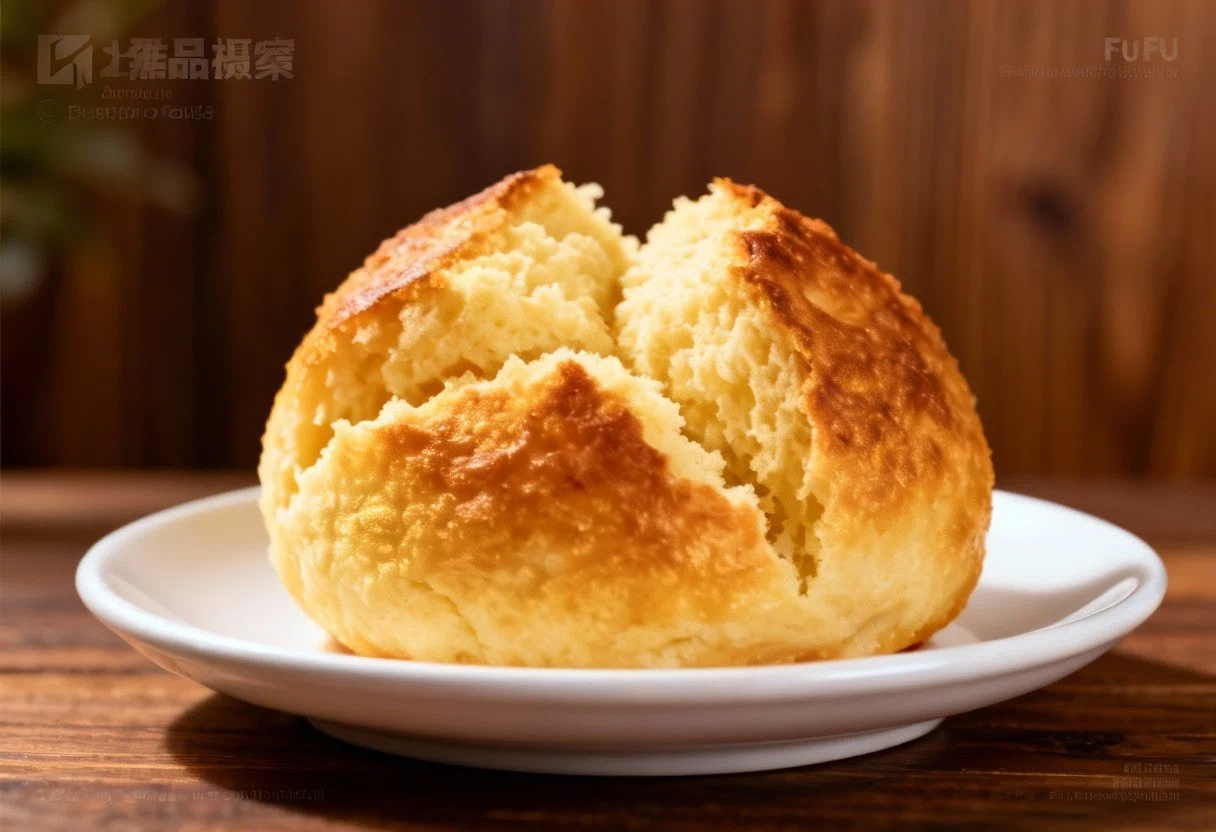
Fu Fu Recipe African: The Ultimate Guide to Fluffy Perfection
👩🍳 The Home Chef's Essential Kitchen
Consistently cooking incredible, healthy meals at home is so much easier when you aren't fighting with cheap tools. These are the 5 absolute powerhouse kitchen essentials that professional chefs and serious home cooks rely on every single day to get perfect results.
🍳 Lodge 10.25" Cast Iron Skillet
The single greatest value in all of cookware. It retains heat infinitely better than cheap non-stick pans, allowing you to get a restaurant-quality crust on steaks or perfect crispy edges on cornbread. With proper care, this $20 pan will literally outlive you.
🔪 Victorinox Fibrox Pro 8" Chef's Knife
A dull knife makes cooking a frustrating chore. This specific blade is the undisputed champion of the culinary world—it holds a terrifyingly sharp edge, features a comfortable non-slip grip, and performs identical to German knives that cost quadruple the price.
🌡️ ThermoPro Instant Read Thermometer
Never serve dry chicken or undercooked pork again. An instant-read thermometer is the secret difference between amateur cooks who 'guess' when protein is done, and professionals who know exactly when to pull meat off the heat for maximum juiciness.
🍲 Lodge Enameled Cast Iron Dutch Oven
The ultimate workhorse for soups, stews, braised short ribs, and baking crusty artisanal bread. The enameled interior provides incredible heat distribution for slow-cooking while eliminating the intense seasoning maintenance required by bare cast iron.
🥄 Bpa-Free Silicone Utensil Set
Throw away those melting plastic spatulas and bacteria-harboring wooden spoons. This pure silicone set is heat-resistant up to 600°F, won't scratch your expensive pans, and features seamless designs that make cleaning out thick sauces and batters effortless.
Fu fu, a staple across West and Central Africa, is more than just a side dish; it’s a cultural experience. This soft, doughy delight, often made from starchy root vegetables or grains, serves as the perfect accompaniment to flavorful soups and stews. It’s the edible spoon, the comforting base, and a testament to the ingenuity of African cuisine. While variations abound depending on the region and available ingredients, the core principle remains the same: to create a smooth, elastic, and utterly satisfying carbohydrate base for a delicious meal. This recipe will guide you through creating authentic fu fu that will transport your taste buds straight to the heart of Africa. Get ready to embark on a culinary journey and master the art of making perfect fu fu!
Why This Recipe Works
This recipe is designed for both beginners and experienced cooks, providing clear, concise instructions and helpful tips to ensure success. It focuses on achieving the ideal texture – smooth, elastic, and free from lumps – which is crucial for a truly enjoyable fu fu experience. We’ll explore the traditional method of pounding, as well as a convenient, modern alternative using a food processor, allowing you to choose the technique that best suits your needs and equipment. We also delve into the importance of water ratio and cooking time, key factors that determine the final consistency of your fu fu. By following these guidelines, you’ll be able to consistently create delicious, authentic fu fu that complements any African stew or soup.
Ingredients
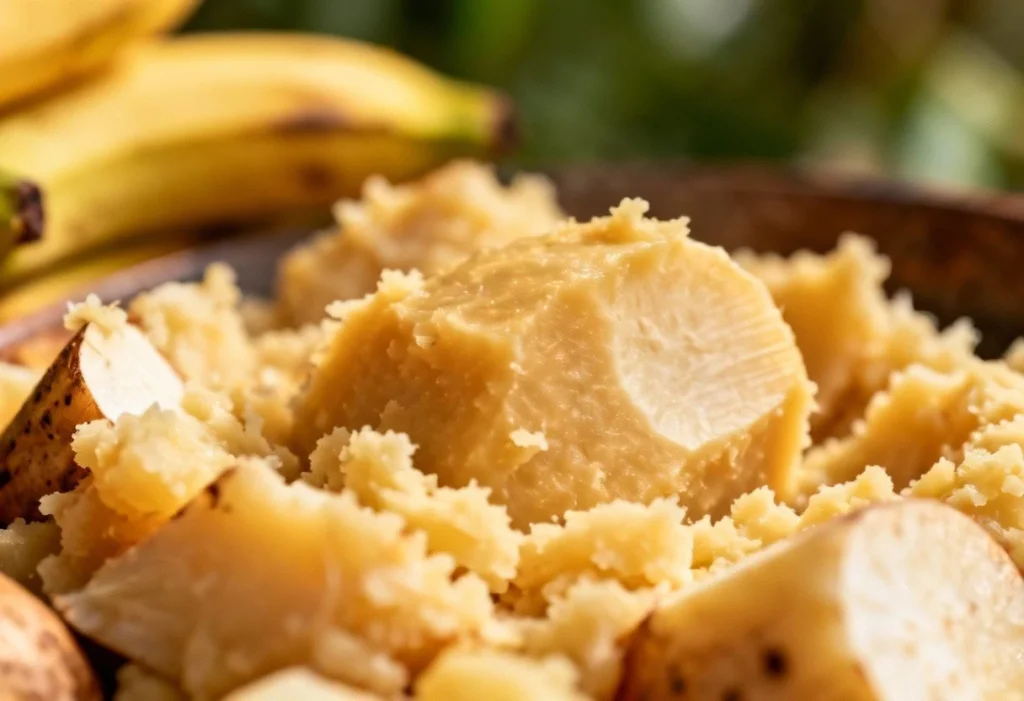
- 2 lbs (900g) Cassava (Yuca) or Plantains (Green, unripe) or a mix of both. Using a combination offers a more complex flavor and texture.
- 6-8 cups Water. Adjust as needed to achieve the desired consistency.
- Optional: 1/2 tsp Salt. Adds a subtle flavor, especially if using cassava alone.
Instructions
Traditional Method (Pounding):
- Prepare the Cassava/Plantains: Peel the cassava and/or plantains and cut them into 1-inch chunks.
- Boil the Ingredients: Place the cassava/plantains in a large pot and cover with water. Add salt, if using. Bring to a boil, then reduce heat and simmer until the cassava/plantains are very soft and easily pierced with a fork (about 20-30 minutes).
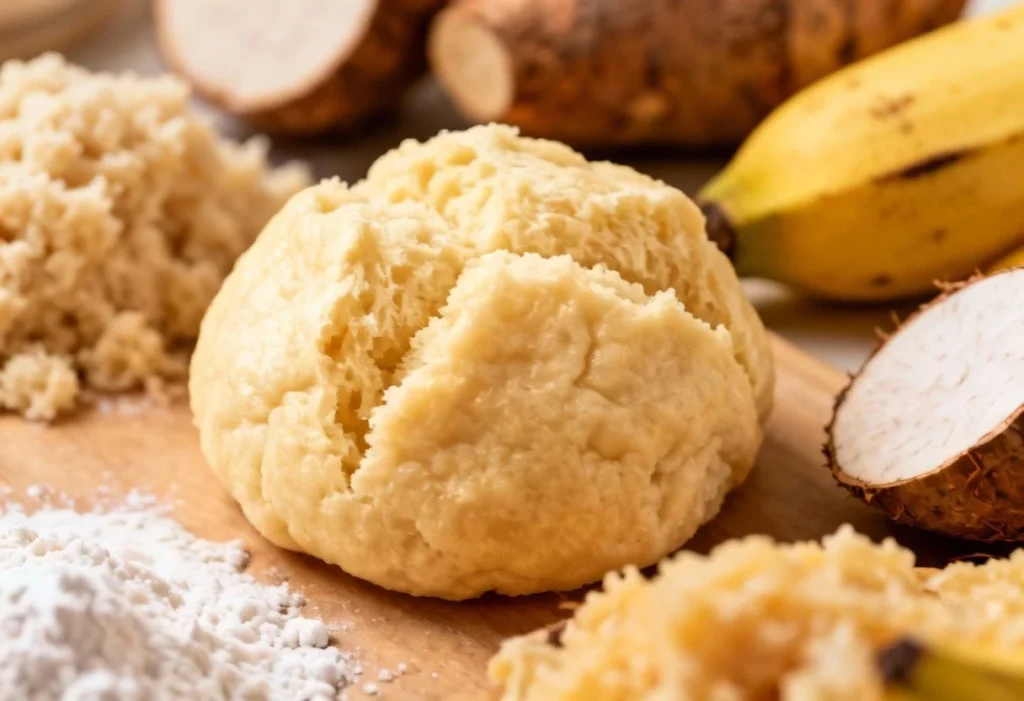
- Pound the Ingredients: Drain the cassava/plantains, reserving about 2 cups of the cooking water. Transfer the cassava/plantains to a large mortar. Using a pestle, pound the cassava/plantains vigorously, adding small amounts of the reserved cooking water as needed to achieve a smooth, elastic dough. This process requires significant effort and time (20-30 minutes). The key is to lift and drop the pestle with force, turning the dough frequently to ensure even pounding.
- Serve Immediately: Once the fu fu is smooth and elastic, shape it into balls or mounds and serve hot with your favorite African soup or stew.
Modern Method (Food Processor):
- Prepare the Cassava/Plantains: Peel the cassava and/or plantains and cut them into 1-inch chunks.
- Boil the Ingredients: Place the cassava/plantains in a large pot and cover with water. Add salt, if using. Bring to a boil, then reduce heat and simmer until the cassava/plantains are very soft and easily pierced with a fork (about 20-30 minutes).
- Process the Ingredients: Drain the cassava/plantains, reserving about 2 cups of the cooking water. Working in batches, transfer the cooked cassava/plantains to a food processor. Process until smooth, adding small amounts of the reserved cooking water as needed to achieve a smooth, elastic dough. This may take several minutes per batch.
- Combine and Cook: Transfer the processed mixture to a large, heavy-bottomed pot. Cook over medium heat, stirring constantly with a wooden spoon or spatula. The mixture will thicken and become more elastic as it cooks. Continue stirring for about 10-15 minutes, until the fu fu is smooth, glossy, and pulls away from the sides of the pot.
- Serve Immediately: Once the fu fu is smooth and elastic, shape it into balls or mounds and serve hot with your favorite African soup or stew.
Tips for Success
- Use the Right Ingredients: The quality of your cassava or plantains will directly impact the final product. Choose firm, heavy cassava and green, unripe plantains for the best results.
- Don’t Overcook the Ingredients: While it’s important to cook the cassava/plantains until very soft, avoid overcooking them to the point where they become mushy and difficult to work with.
- Add Water Gradually: Whether you’re pounding or using a food processor, add the reserved cooking water gradually, a little at a time, to prevent the fu fu from becoming too watery. The goal is to achieve a smooth, elastic dough that holds its shape.
- Stir Constantly: When cooking the processed mixture in the pot, stir constantly to prevent sticking and burning. This also helps to develop the smooth, elastic texture characteristic of good fu fu.
- Adjust for Altitude: If you’re cooking at a high altitude, you may need to adjust the cooking time and water ratio. The cassava/plantains may take longer to cook, and you may need to add more water to compensate for evaporation.
- Embrace the Process: Making fu fu, especially using the traditional method, can be physically demanding. Embrace the process and enjoy the journey of creating this authentic African staple.
Storage Instructions
Fu fu is best served fresh and hot. However, if you have leftovers, you can store them in an airtight container in the refrigerator for up to 2 days. To reheat, steam the fu fu until heated through. You can also microwave it, but be careful not to overcook it, as it can become tough and rubbery. Adding a small amount of water before microwaving can help to retain moisture.
FAQ
- Can I use yam instead of cassava or plantains? Yes, yam can be used as a substitute. Follow the same cooking instructions as for cassava or plantains.
- What if my fu fu is too watery? If your fu fu is too watery, continue cooking it in the pot over medium heat, stirring constantly, until the excess moisture evaporates.
- What if my fu fu is too dry? If your fu fu is too dry, add a small amount of hot water or cooking water and continue stirring until it reaches the desired consistency.
- Can I freeze fu fu? Freezing fu fu is not recommended, as it can significantly alter the texture. It’s best to consume it fresh or within a couple of days of making it.
- What soups or stews go well with fu fu? Fu fu pairs well with a wide variety of African soups and stews, including egusi soup, groundnut stew, palm nut soup, and okra soup.
🍰 The Master Baker & Prep Kit
Baking is a science, and meal prep requires efficiency. If you want consistently flaky pie crusts, perfectly risen cakes, and healthy meals ready for the week, these are the 5 upgrade tools that take your execution to the next level.
⚖️ OXO Good Grips 11lb Food Scale
The secret to why bakery bread and cookies are always perfect while home batches vary wildly. Measuring by weight (grams) instead of volume (cups) guarantees precise hydration and flawlessly consistent results every single time you bake.
🧑🍳 KitchenAid Classic Stand Mixer
The undisputed holy grail of the kitchen. From aggressively kneading heavy pizza doughs to whipping meringues into stiff peaks, this powerful motor saves your arms from exhaustion and cuts your hands-on prep time in half.
🍪 Silpat Premium Silicone Baking Mats
Stop wasting money on rolls of parchment paper or agonizing over cookies permanently fused to your metal pans. These reusable, professional-grade silicone mats ensure completely even heat distribution and instantly release even the stickiest caramel.
🌪️ Braun MultiQuick Immersion Blender
The ultimate shortcut tool for creamy tomato soups, lump-free gravies, and rapid smoothies. Avoid the burns and mess of dangerously transferring boiling liquids in batches to a traditional blender by simply blending right inside your cooking pot.
🍱 Premium Glass Meal Prep Containers
If you want to bake and cook healthier, batch preparation is required. These durable glass containers transition safely from freezer to microwave, never absorb tomato sauce stains, and feature airtight seals to keep your hard work fresh all week.
Conclusion
Congratulations! You’ve successfully navigated the art of making fu fu. Whether you chose the traditional pounding method or the modern food processor technique, you’ve created a delicious and authentic African staple. Now, gather your friends and family, prepare your favorite African soup or stew, and enjoy the rich flavors and cultural significance of this beloved dish. Remember, practice makes perfect, so don’t be discouraged if your first attempt isn’t flawless. With a little patience and perseverance, you’ll be making perfect fu fu in no time. Enjoy!