🥩 Beef Jerky Marinade Recipe Dehydrator That Will Have You Coming Back for More
👩🍳 The Home Chef's Essential Kitchen
Consistently cooking incredible, healthy meals at home is so much easier when you aren't fighting with cheap tools. These are the 5 absolute powerhouse kitchen essentials that professional chefs and serious home cooks rely on every single day to get perfect results.
🍳 Lodge 10.25" Cast Iron Skillet
The single greatest value in all of cookware. It retains heat infinitely better than cheap non-stick pans, allowing you to get a restaurant-quality crust on steaks or perfect crispy edges on cornbread. With proper care, this $20 pan will literally outlive you.
🔪 Victorinox Fibrox Pro 8" Chef's Knife
A dull knife makes cooking a frustrating chore. This specific blade is the undisputed champion of the culinary world—it holds a terrifyingly sharp edge, features a comfortable non-slip grip, and performs identical to German knives that cost quadruple the price.
🌡️ ThermoPro Instant Read Thermometer
Never serve dry chicken or undercooked pork again. An instant-read thermometer is the secret difference between amateur cooks who 'guess' when protein is done, and professionals who know exactly when to pull meat off the heat for maximum juiciness.
🍲 Lodge Enameled Cast Iron Dutch Oven
The ultimate workhorse for soups, stews, braised short ribs, and baking crusty artisanal bread. The enameled interior provides incredible heat distribution for slow-cooking while eliminating the intense seasoning maintenance required by bare cast iron.
🥄 Bpa-Free Silicone Utensil Set
Throw away those melting plastic spatulas and bacteria-harboring wooden spoons. This pure silicone set is heat-resistant up to 600°F, won't scratch your expensive pans, and features seamless designs that make cleaning out thick sauces and batters effortless.
There’s something uniquely satisfying about homemade beef jerky. That perfect balance of savory, sweet, and spicy, the satisfying chew, and the incredible aroma that fills your kitchen as it slowly dehydrates. Forget those overpriced, mystery-meat packets from the store; crafting your own jerky is an experience that not only yields a superior snack but also connects you to a truly ancient culinary art. Imagine sinking your teeth into a strip of perfectly seasoned, tender, yet firm jerky, knowing exactly what went into it – pure, wholesome ingredients and a whole lot of love. This isn’t just a recipe; it’s an invitation to elevate your snacking game, to impress your friends on hikes or road trips, and to always have a healthy, protein-packed treat on hand.
This particular Beef Jerky Marinade Recipe Dehydrator method is designed to be utterly foolproof, even for first-timers. We’re going to dive into a marinade that hits all the right notes: a deep umami base, a whisper of sweetness, a kick of spice, and an aromatic blend that will make your taste buds sing. The dehydrator does most of the heavy lifting, ensuring an even, consistent dry that results in that ideal texture – not too brittle, not too leathery, but that wonderfully pliable chew that releases bursts of flavor with every bite. Get ready to transform humble cuts of beef into a gourmet snack that you’ll be proud to share, or perhaps, keep all to yourself!
The magic truly happens in the marinating process, where lean strips of beef soak up a symphony of flavors, slowly transforming into something extraordinary. This recipe focuses on creating a marinade that penetrates deeply, infusing every fiber of the meat with incredible taste. When those marinated strips hit the dehydrator, the low, steady heat slowly coaxes out the moisture, concentrating those beautiful flavors and creating a texture that’s both satisfyingly chewy and surprisingly tender. The result is a snack that’s not only incredibly delicious but also a fantastic source of protein, perfect for fueling your adventures, curbing those afternoon cravings, or simply enjoying a guilt-free treat.
Why This Recipe Works
This Beef Jerky Marinade Recipe Dehydrator stands out because it strikes a masterful balance between flavor complexity and ease of preparation. Firstly, the marinade is a carefully constructed symphony of ingredients. We start with a robust soy sauce base for deep umami, enhanced by Worcestershire for its tangy, savory depth, creating a foundation that truly penetrates the meat. Brown sugar introduces a crucial hint of sweetness, which not only balances the savory notes but also aids in the caramelization process during dehydration, adding another layer of flavor and a beautiful sheen to the finished jerky. The aromatic elements – fresh garlic and ginger – aren’t just there for scent; they infuse the meat with a pungent, zesty brightness that elevates the entire experience, preventing the jerky from tasting one-dimensional. A touch of smoked paprika adds a subtle campfire essence, while a dash of red pepper flakes provides a gentle, building warmth that tantalizes without overwhelming.
Secondly, the meticulous instruction for meat preparation is key. Slicing the beef thinly and against the grain ensures a tender chew, allowing the marinade to fully saturate each strip. Trimming excess fat is critical, as fat can go rancid and shorten the shelf life of your jerky, making this step non-negotiable for a superior product. Finally, the use of a dehydrator is paramount to this recipe’s success. Unlike an oven, a dehydrator provides a consistent, low-temperature environment with excellent airflow, which is ideal for slowly drawing out moisture without cooking the meat. This controlled drying process is what creates that signature jerky texture – perfectly pliable, not brittle, and wonderfully chewy – while preserving all those incredible marinade flavors. The result is a uniformly delicious, shelf-stable snack that’s brimming with savory goodness and a delightful texture that will keep you reaching for more.
Ingredients
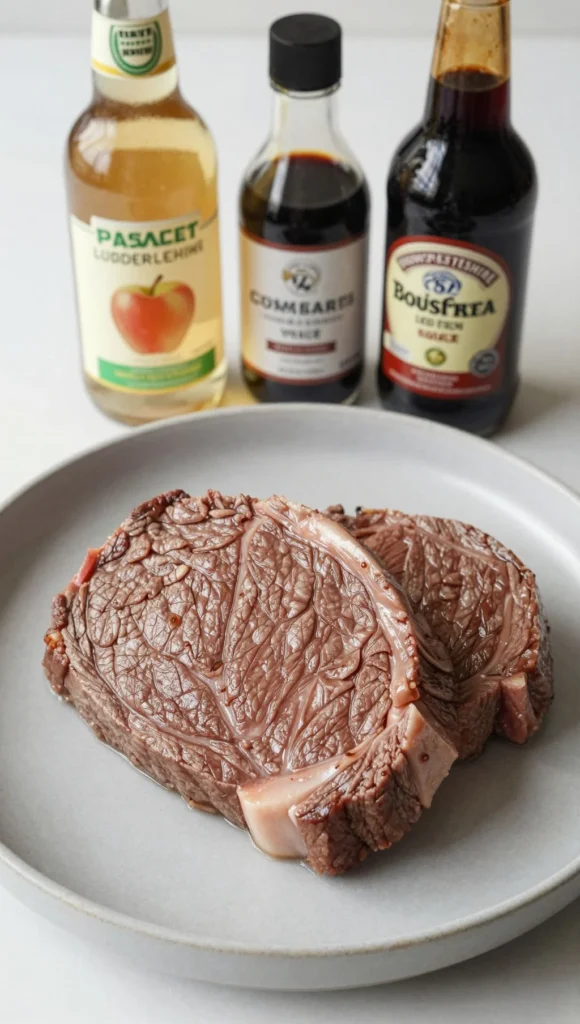
- 2 pounds lean beef (such as top round, bottom round, eye of round, or flank steak), trimmed of all visible fat
- ½ cup low-sodium soy sauce (or tamari for a gluten-free option)
- ¼ cup Worcestershire sauce
- 2 tablespoons apple cider vinegar (adds a subtle tang and helps tenderize)
- 3 tablespoons packed light brown sugar (for sweetness and balance)
- 2 tablespoons honey (adds a touch more sweetness and a sticky glaze)
- 1 tablespoon smoked paprika (for a rich, smoky depth)
- 1 tablespoon garlic powder (or 4-5 cloves fresh garlic, minced)
- 1 tablespoon onion powder (or ½ a small onion, grated)
- 1 teaspoon freshly ground black pepper
- 1 teaspoon red pepper flakes (adjust to your preferred level of heat)
- ½ teaspoon cayenne pepper (optional, for an extra kick)
- 1 inch fresh ginger, grated (adds a bright, pungent note)
- 1 tablespoon liquid smoke (optional, for an intensified smoky flavor)
Instructions
- Prepare the Beef: Begin by partially freezing your lean beef for about 1-2 hours. This step is absolutely critical as it firms up the meat, making it much easier to slice uniformly and thinly. Once slightly firm, remove the beef from the freezer. Using a very sharp knife, carefully trim away all visible fat, gristle, and silver skin from the beef. Fat will not dehydrate properly and can cause your jerky to spoil prematurely. Now, slice the beef against the grain into strips approximately ¼ inch thick. Slicing against the grain ensures a more tender chew in the final product. If you prefer a chewier jerky, you can slice with the grain, but be prepared for a tougher bite. Aim for consistency in thickness for even drying.
- Whisk the Marinade: In a large, non-reactive bowl (glass or ceramic works best), combine all the marinade ingredients: soy sauce, Worcestershire sauce, apple cider vinegar, brown sugar, honey, smoked paprika, garlic powder, onion powder, black pepper, red pepper flakes, cayenne pepper (if using), grated fresh ginger, and liquid smoke (if using). Whisk everything together thoroughly until the brown sugar and honey are completely dissolved and all the spices are well incorporated. Take a moment to savor the rich, aromatic scent of the marinade – it’s a preview of the deliciousness to come!
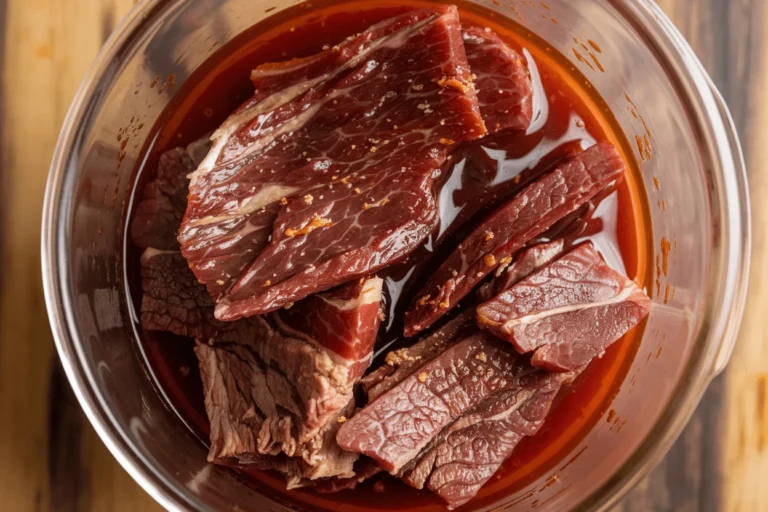
- Marinate the Beef: Add the thinly sliced beef strips to the bowl with the marinade. Using your clean hands or a pair of tongs, toss the beef thoroughly, ensuring every single strip is completely coated in the flavorful marinade. Cover the bowl tightly with plastic wrap or transfer the beef and marinade to a large, sealable plastic bag. Place it in the refrigerator to marinate for a minimum of 6 hours, but ideally for 12-24 hours. The longer it marinates, the deeper and more intense the flavors will be. This is where the magic truly begins as the beef soaks up all that savory goodness.
- Prepare for Dehydration: Once the marinating time is complete, remove the beef from the refrigerator. Lay several layers of paper towels on your countertop. Take the beef strips out of the marinade, allowing any excess liquid to drip off, and arrange them in a single layer on the paper towels. Gently pat the beef strips thoroughly dry with more paper towels. This step is crucial; removing as much surface moisture as possible will significantly speed up the dehydration process and help prevent spoilage. You want the strips to feel tacky, not wet.
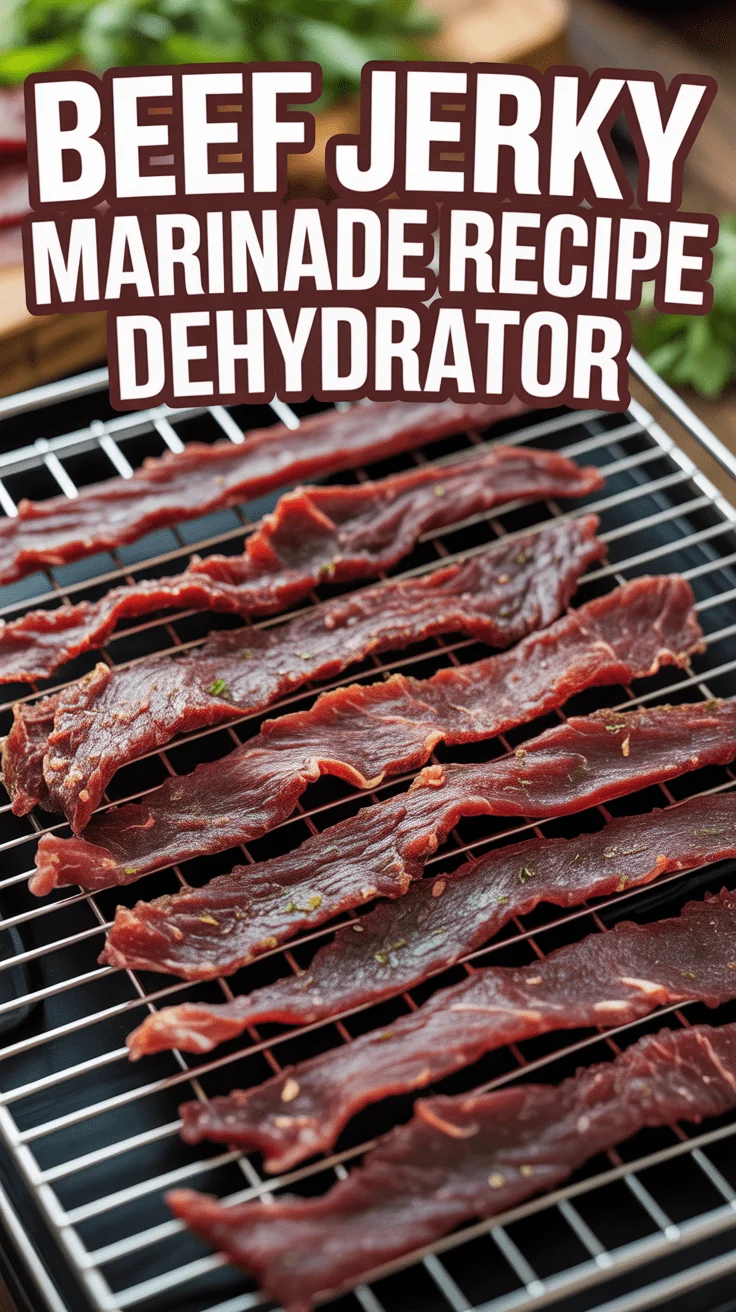
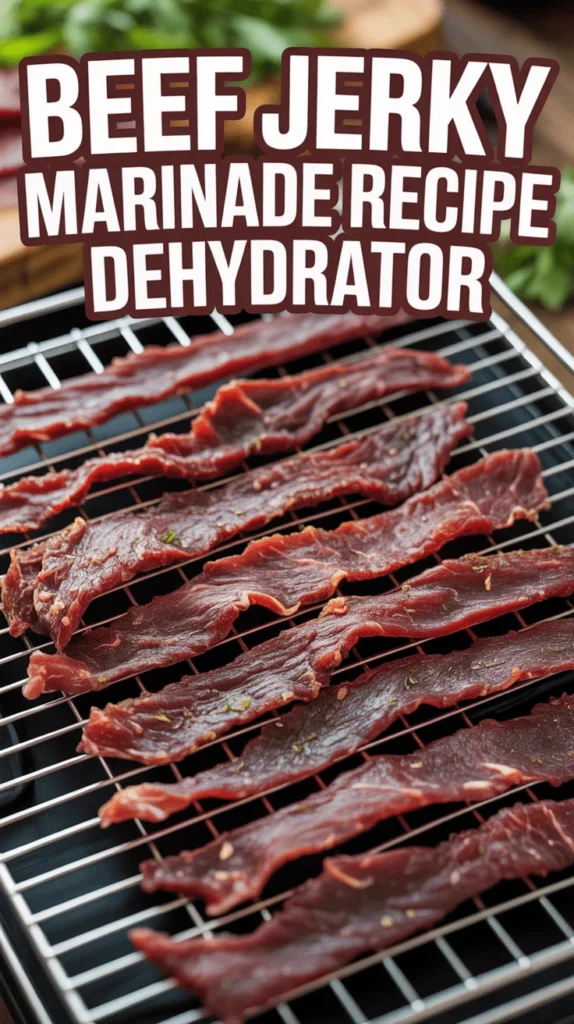
- Load the Dehydrator: Arrange the dried beef strips in a single layer on your dehydrator trays, ensuring there is ample space between each piece for proper air circulation. Do not overlap the strips, as this will lead to uneven drying. If you have a lot of beef, you may need to work in batches or use multiple dehydrator trays.
- Dehydrate the Jerky: Set your dehydrator to a temperature between 150°F and 160°F (65°C to 71°C). The exact drying time will vary depending on your dehydrator model, the thickness of your beef strips, and the humidity in your environment. It typically takes anywhere from 4 to 8 hours.
- Monitor and Rotate: Begin checking the jerky after about 3-4 hours. Every couple of hours, rotate your dehydrator trays (moving top trays to the bottom and vice-versa) and flip the jerky strips to ensure even drying. This helps prevent hot spots and ensures a consistent texture throughout.
- Test for Doneness: The jerky is done when it is firm, dry, and pliable, but still slightly flexible. It should bend without snapping, but it shouldn’t feel wet or spongy. When you tear a piece, the fibers should show a light color with no moisture visible. It should not be brittle or crumbly. The best way to test is to remove a piece, let it cool completely to room temperature (this is important, as it will firm up as it cools), and then bend it. If it passes the bend test, it’s ready!
- Cool and Store: Once the jerky reaches the desired consistency, turn off your dehydrator and remove the trays. Allow the jerky to cool completely on a wire rack at room temperature for at least 1-2 hours. This “conditioning” period allows any residual moisture to equalize throughout the jerky, preventing condensation inside your storage container. Once fully cooled, your delicious homemade beef jerky is ready to be enjoyed!
Tips for Success
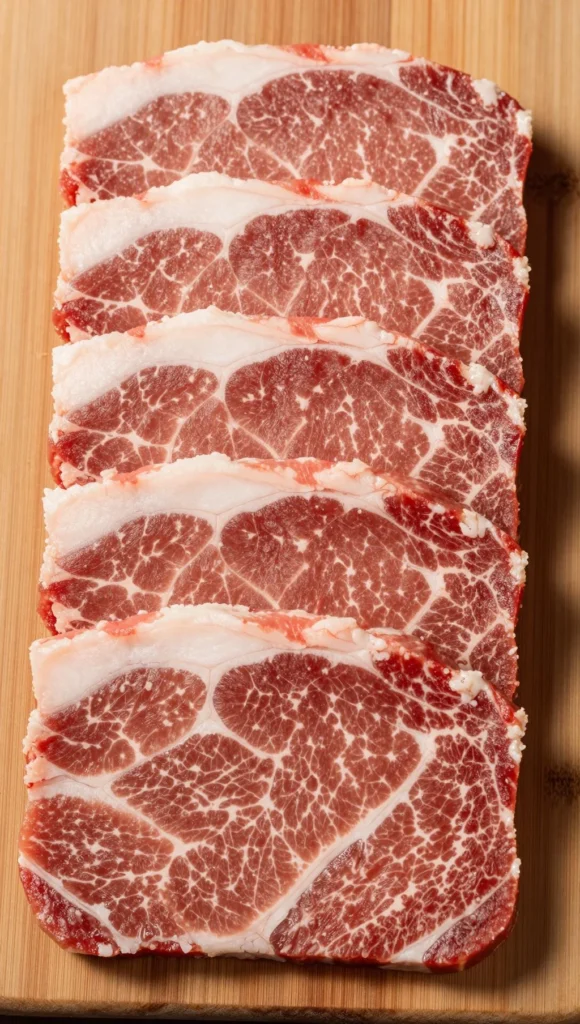
- Master the Slice: The thickness and consistency of your beef slices are paramount. Partially freezing the meat is non-negotiable for achieving those uniform ¼-inch strips. Slice against the grain for a more tender chew, or with the grain for a classic, tougher jerky texture. Inconsistent slices will lead to some pieces being over-dried and brittle, while others are still too moist.
- Fat is the Enemy of Jerky: Seriously, trim every last speck of visible fat, gristle, and silver skin. Fat not only goes rancid quickly, significantly shortening your jerky’s shelf life, but it also won’t dehydrate properly, leading to greasy, unpleasant spots. Be meticulous here; it pays off in the long run.
- Don’t Skimp on Marinating Time: While 6 hours is the minimum, aiming for 12-24 hours in the refrigerator will yield the most flavorful, deeply infused jerky. The longer the meat soaks up that glorious marinade, the more intense and satisfying the final product will be. This patience is truly rewarded with every savory bite.
- Pat It Dry, Dry, Dry: After marinating, thoroughly patting the beef strips dry with paper towels is a crucial step often overlooked. Removing as much surface moisture as possible before placing them in the dehydrator significantly speeds up the drying process and helps achieve that perfect, non-sticky texture. The drier the surface, the quicker and more evenly it will dehydrate.
- Conditioning is Key for Shelf Life: Once your jerky is perfectly dried, resist the urge to immediately seal it away. Allow it to cool completely on a wire rack for 1-2 hours. This “conditioning” period allows any residual moisture to equalize, preventing condensation from forming inside your storage container, which could lead to mold. For an extra step, after cooling, place the jerky in an airtight container or bag for 24 hours, shaking it occasionally. If you see any moisture on the inside of the container, return the jerky to the dehydrator for a bit longer.
Storage Instructions
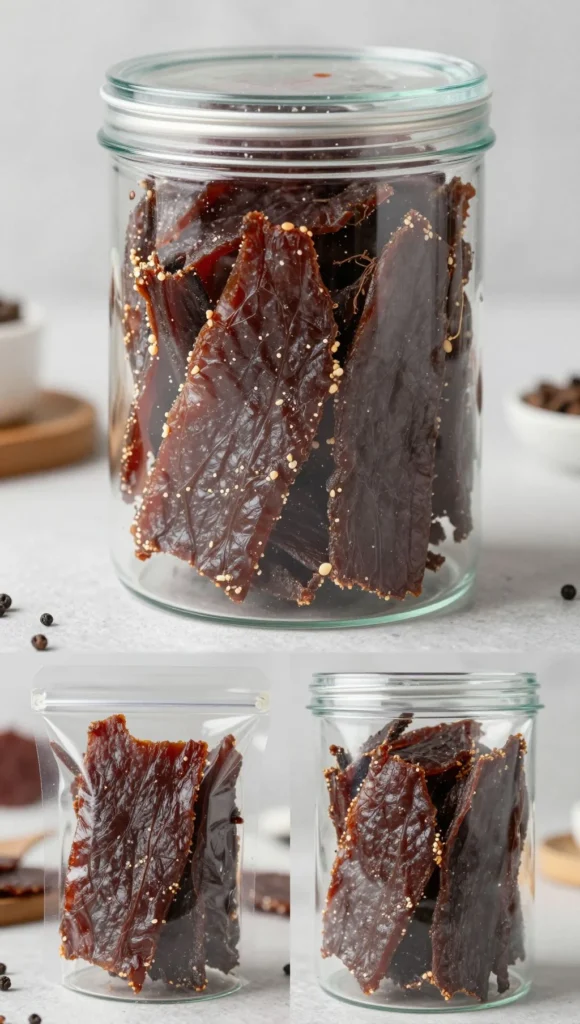
Once your homemade beef jerky has cooled completely and been properly conditioned, it’s ready for storage. For optimal freshness and to prevent spoilage, store your jerky in an airtight container or a heavy-duty resealable bag. Keep it in a cool, dry, dark place, such as a pantry or cupboard, where it can last for 1-2 months. If you want to extend its shelf life further, you can store it in the refrigerator for up to 6 months. For truly long-term storage (up to a year or more), place the jerky in freezer-safe bags and freeze it. Just be sure to remove as much air as possible from the bags before sealing to prevent freezer burn. Always check for any signs of mold or off-smells before consuming, especially if stored for an extended period.
FAQ
Q1: What’s the best cut of beef for making jerky?
A1: The best cuts for jerky are lean, inexpensive cuts with minimal fat. Top round, bottom round, and eye of round are excellent choices because they are very lean and easy to slice. Flank steak also works well, offering a slightly richer flavor, but it requires more careful trimming of its natural fat marbling. The key is to select meat with as little fat as possible, as fat can go rancid and shorten your jerky’s shelf life.
Q2: How do I know when my jerky is perfectly done?
A2: The perfect jerky is dry, firm, and pliable. It should bend without snapping or breaking, but it shouldn’t feel wet, spongy, or sticky. When you tear a piece, the fibers inside should show a light, dry texture with no visible moisture. It should not be brittle or crumbly. The best test is to remove a piece, let it cool completely to room temperature (it will firm up as it cools), and then bend it. If it passes the bend test, it’s ready!
Q3: Can I make jerky without a dehydrator, using an oven instead?
A3: Yes, you can make jerky in an oven, but a dehydrator is generally preferred for its consistent low heat and excellent airflow. To use an oven, set it to its lowest possible temperature, ideally around 170°F (77°C). Prop the oven door open slightly with a wooden spoon to allow moisture to escape. Arrange the beef strips on oven racks over foil-lined baking sheets to catch drips. Drying time will be longer than a dehydrator, typically 6-10 hours, and you’ll need to rotate and flip the strips frequently to ensure even drying. Be very careful to maintain a low temperature to avoid cooking the meat instead of dehydrating it.
Q4: Why is my jerky tough or crumbly instead of chewy?
A4: If your jerky is too tough, it might be due to slicing the meat with the grain instead of against it. Slicing against the grain breaks up the muscle fibers, resulting in a more tender chew. Another reason could be that the meat was over-dehydrated, removing too much moisture and making it overly dry and hard. If it’s crumbly, it’s almost certainly over-dehydrated and has lost too much of its natural moisture. For a perfect chewy texture, ensure consistent slicing against the grain and monitor the dehydrator closely, testing for doneness regularly as described in the instructions.
🍰 The Master Baker & Prep Kit
Baking is a science, and meal prep requires efficiency. If you want consistently flaky pie crusts, perfectly risen cakes, and healthy meals ready for the week, these are the 5 upgrade tools that take your execution to the next level.
⚖️ OXO Good Grips 11lb Food Scale
The secret to why bakery bread and cookies are always perfect while home batches vary wildly. Measuring by weight (grams) instead of volume (cups) guarantees precise hydration and flawlessly consistent results every single time you bake.
🧑🍳 KitchenAid Classic Stand Mixer
The undisputed holy grail of the kitchen. From aggressively kneading heavy pizza doughs to whipping meringues into stiff peaks, this powerful motor saves your arms from exhaustion and cuts your hands-on prep time in half.
🍪 Silpat Premium Silicone Baking Mats
Stop wasting money on rolls of parchment paper or agonizing over cookies permanently fused to your metal pans. These reusable, professional-grade silicone mats ensure completely even heat distribution and instantly release even the stickiest caramel.
🌪️ Braun MultiQuick Immersion Blender
The ultimate shortcut tool for creamy tomato soups, lump-free gravies, and rapid smoothies. Avoid the burns and mess of dangerously transferring boiling liquids in batches to a traditional blender by simply blending right inside your cooking pot.
🍱 Premium Glass Meal Prep Containers
If you want to bake and cook healthier, batch preparation is required. These durable glass containers transition safely from freezer to microwave, never absorb tomato sauce stains, and feature airtight seals to keep your hard work fresh all week.
Conclusion
There you have it – the ultimate Beef Jerky Marinade Recipe Dehydrator guide that promises to transform humble beef into an irresistible, flavorful snack. Imagine the pride of pulling out a bag of your own homemade jerky, each strip infused with that perfect balance of savory, sweet, and spicy, boasting a texture that’s both satisfyingly chewy and surprisingly tender. This isn’t just about making jerky; it’s about creating a wholesome, delicious, and customizable treat that fuels your adventures, satisfies your cravings, and brings a little extra joy to your everyday.
So, gather your ingredients, sharpen your knife, and prepare to embark on a culinary journey that will fill your kitchen with the most incredible aromas. With this recipe, you’re not just making food; you’re crafting an experience, a protein-packed delight that will make you wonder why you ever bought store-bought jerky. Dive in, experiment with the spice levels, and discover the sheer pleasure of homemade perfection. Your taste buds, and everyone you share it with, will thank you!