Pizza Dough Recipe Bread Machine: Set-It-and-Forget-It Crust That Beats Takeout
👩🍳 The Home Chef's Essential Kitchen
Consistently cooking incredible, healthy meals at home is so much easier when you aren't fighting with cheap tools. These are the 5 absolute powerhouse kitchen essentials that professional chefs and serious home cooks rely on every single day to get perfect results.
🍳 Lodge 10.25" Cast Iron Skillet
The single greatest value in all of cookware. It retains heat infinitely better than cheap non-stick pans, allowing you to get a restaurant-quality crust on steaks or perfect crispy edges on cornbread. With proper care, this $20 pan will literally outlive you.
🔪 Victorinox Fibrox Pro 8" Chef's Knife
A dull knife makes cooking a frustrating chore. This specific blade is the undisputed champion of the culinary world—it holds a terrifyingly sharp edge, features a comfortable non-slip grip, and performs identical to German knives that cost quadruple the price.
🌡️ ThermoPro Instant Read Thermometer
Never serve dry chicken or undercooked pork again. An instant-read thermometer is the secret difference between amateur cooks who 'guess' when protein is done, and professionals who know exactly when to pull meat off the heat for maximum juiciness.
🍲 Lodge Enameled Cast Iron Dutch Oven
The ultimate workhorse for soups, stews, braised short ribs, and baking crusty artisanal bread. The enameled interior provides incredible heat distribution for slow-cooking while eliminating the intense seasoning maintenance required by bare cast iron.
🥄 Bpa-Free Silicone Utensil Set
Throw away those melting plastic spatulas and bacteria-harboring wooden spoons. This pure silicone set is heat-resistant up to 600°F, won't scratch your expensive pans, and features seamless designs that make cleaning out thick sauces and batters effortless.
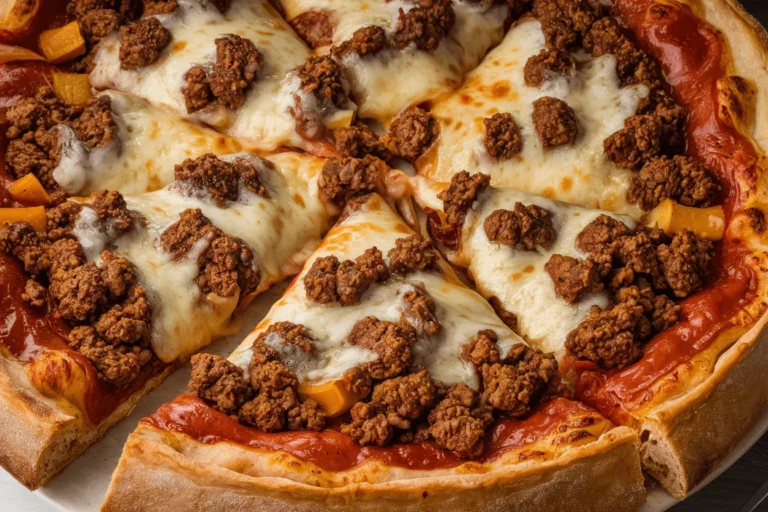
You want game-changing pizza without kneading, guessing, or waiting around like it’s 1997. Cool—your bread machine is basically a dough chef with no ego. Load it up, press a button, and in under two hours you’ve got smooth, elastic dough that turns into crispy-chewy pizza like your favorite spot… minus the delivery tax.
This is the shortcut that doesn’t taste like a shortcut. If you’ve ever wanted Friday-night pies with Monday-level effort, this is your new ritual.
What Makes This Recipe So Good
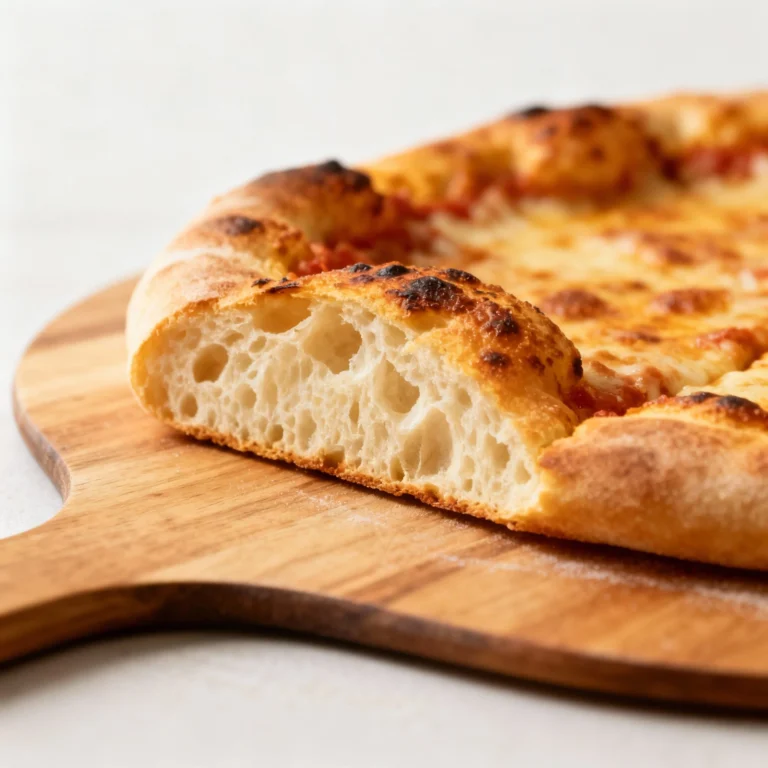
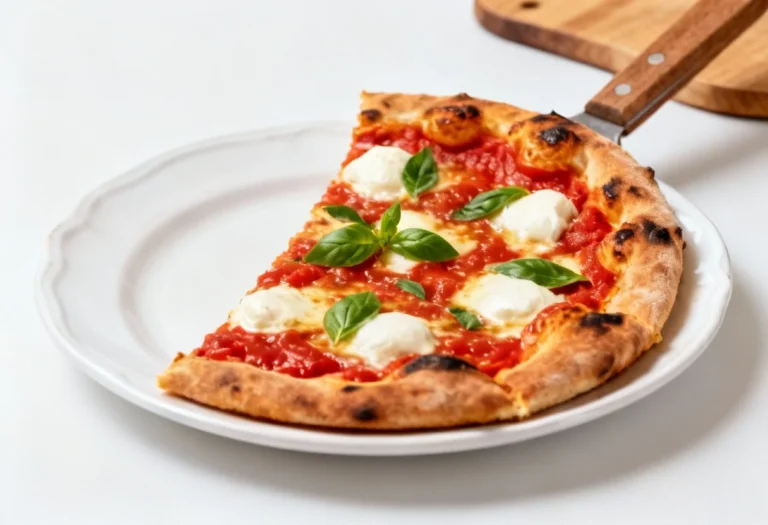
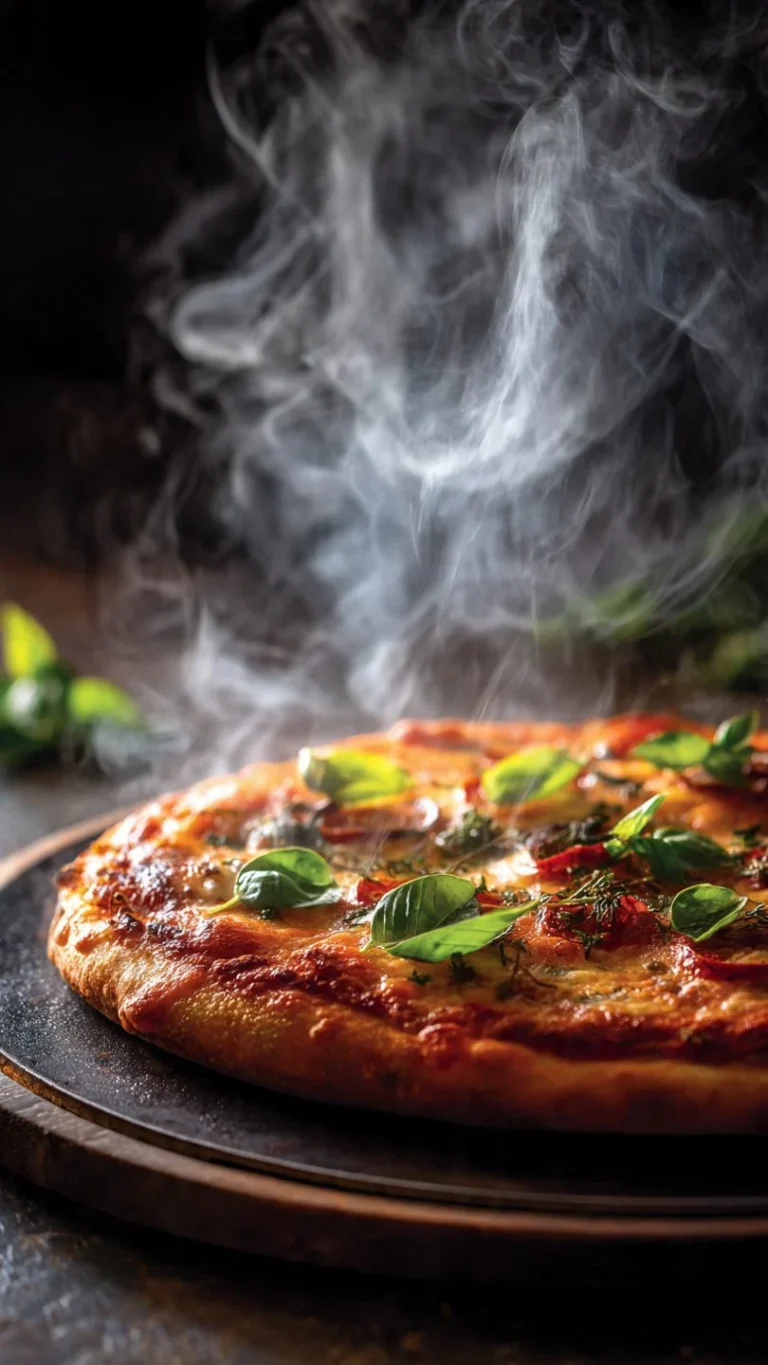
This dough hits the sweet spot: crisp on the outside, soft and airy inside. The bread machine handles the tricky gluten work, so you get consistent results every time—no soggy, sad crusts here.
Plus, the ingredient list is short and cheap, yet the flavor is legit pizzeria-level thanks to a touch of sugar and olive oil.
It’s also wildly flexible. Make two thin-crust pizzas, one thick pan pie, or stash the dough for midweek calzones. And because the machine does the kneading and proofing, you get hands-off convenience with restaurant-quality texture.
Win-win, right?
Ingredients
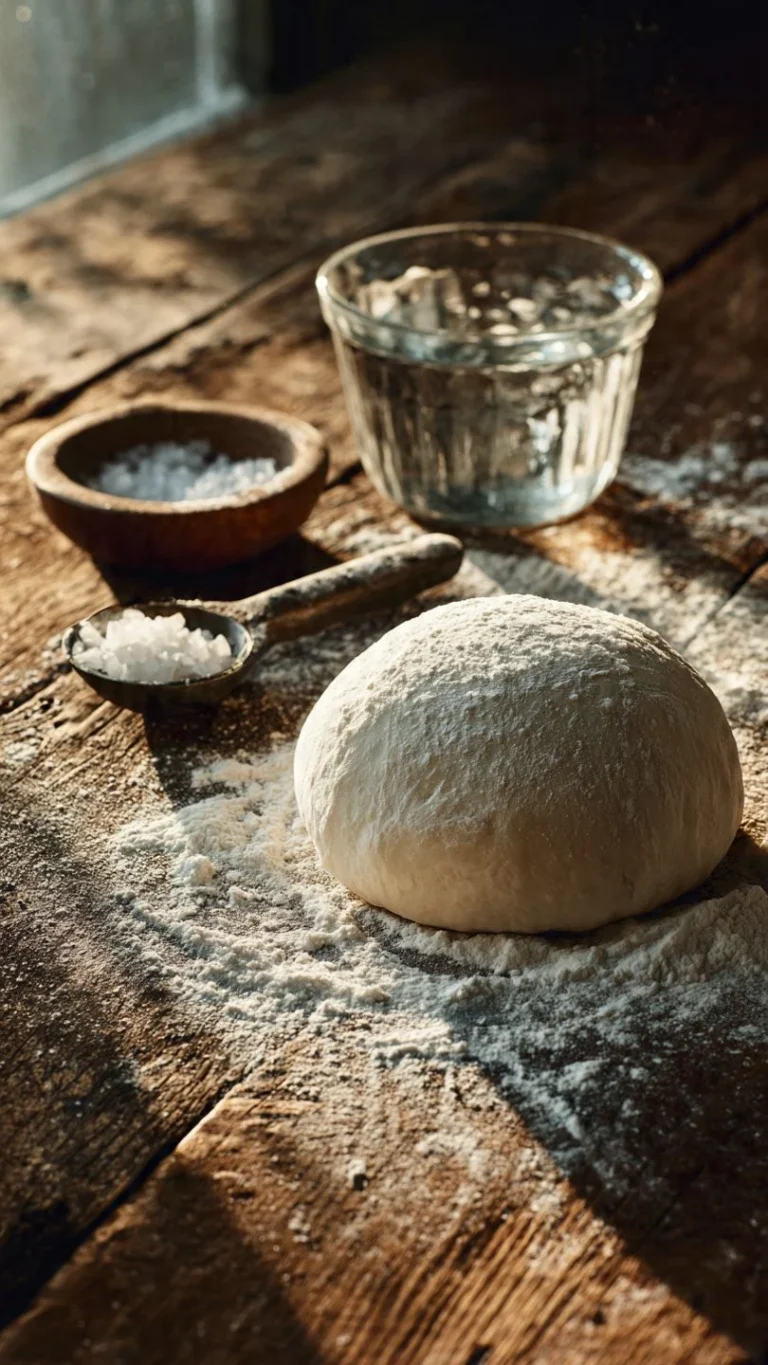
- 3 cups (360 g) bread flour (or all-purpose flour in a pinch)
- 1 cup (240 ml) warm water (about 105–110°F)
- 2 teaspoons sugar (or honey)
- 2 tablespoons olive oil
- 1 1/2 teaspoons salt
- 2 1/4 teaspoons active dry yeast (one packet) or 2 teaspoons instant yeast
- Optional: 1 teaspoon garlic powder, 1 teaspoon Italian seasoning, or 1 tablespoon grated Parmesan for extra flavor
- Dusting: Cornmeal or flour for shaping
Instructions
- Check your machine’s order of ingredients. Most machines want wet ingredients first, then dry, then yeast last. If your manual says otherwise, follow that.
- Add liquids to the pan: Pour in warm water and olive oil. Water should feel warm, not hot—think comfy bath.
- Add dry ingredients: Add flour, sugar, and salt.
If using herbs, garlic powder, or Parmesan, add them now too.
- Create a small well in the flour and add yeast. Keep yeast away from direct contact with water if your machine rests before kneading.
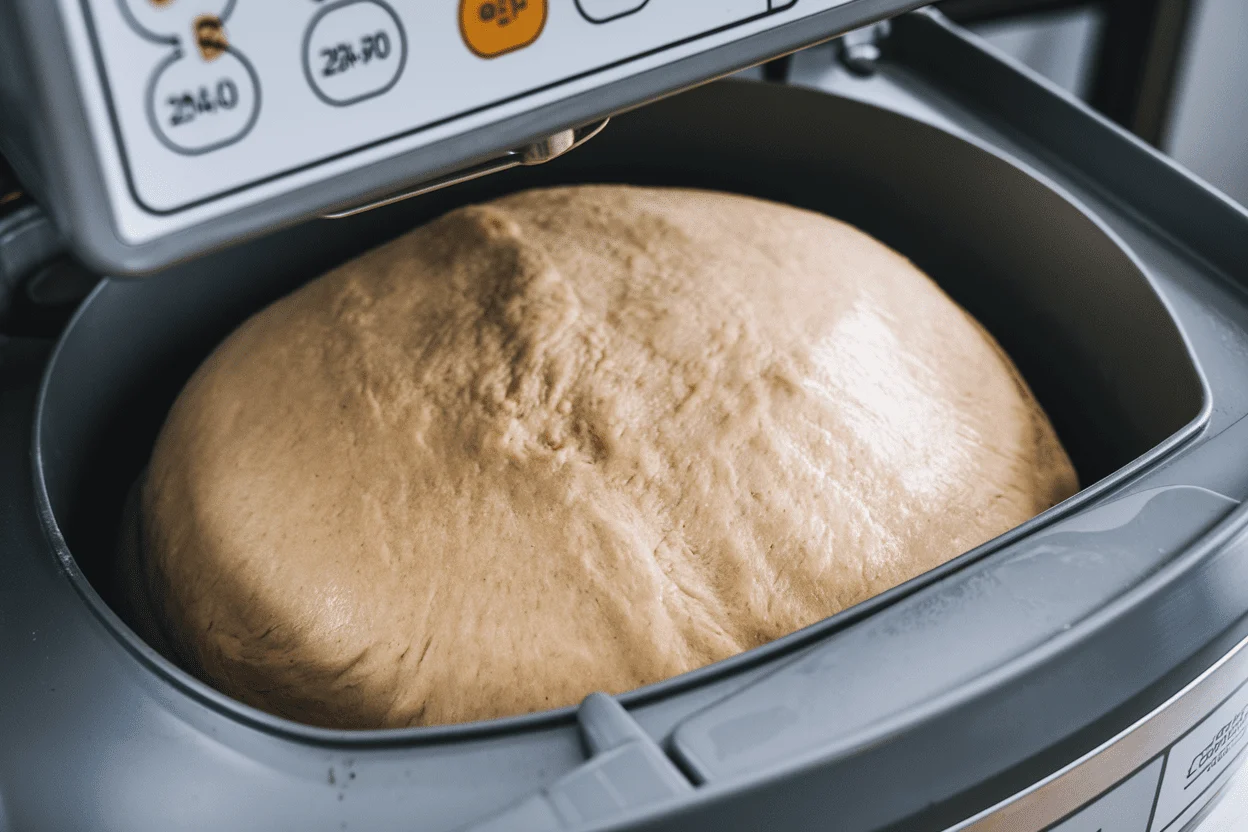
- Set the machine to “Dough” cycle. This typically takes 1 to 1.5 hours. The machine will knead and proof for you. Go live your life.
- Check the dough ball after 5–7 minutes. You want a soft, smooth ball.
Too sticky? Sprinkle in 1–2 tablespoons flour. Too dry?
Add 1–2 teaspoons water. Small tweaks are powerful.
- Once the cycle ends, remove the dough. Turn it onto a lightly floured surface. It should be elastic, slightly tacky, and smell faintly yeasty.
Nice.
- Divide for your pizza style: Two 12-inch thin-crust pies, or one thicker 14–16 inch pizza. Shape into balls and rest 10 minutes to relax the gluten.
- Preheat the oven to its max (475–525°F). If using a pizza stone or steel, preheat it for at least 30 minutes. High heat = better oven spring and browning.
- Shape the dough: Press from center outward, leaving a slight rim.
Avoid using a rolling pin if you want airy edges.
- Top wisely: Thin layer of sauce, then cheese, then toppings. Don’t overload—soggy crusts are not the vibe.
- Bake: 10–14 minutes depending on oven and thickness. Look for golden edges and bubbling cheese.
Rotate once if needed.
- Rest 2 minutes before slicing. Then devour responsibly (or not).
Storage Tips
- Short-term: Wrap dough tightly and refrigerate up to 48 hours. It will develop deeper flavor. Let it sit at room temp 45–60 minutes before shaping.
- Freeze: Lightly oil, wrap in plastic, then place in a freezer bag.
Freeze up to 3 months. Thaw overnight in the fridge, then bring to room temp before using.
- Par-baked crusts: Bake shaped, untopped dough for 4–6 minutes at 475°F, cool completely, then wrap and freeze. Top and bake from frozen, adding 2–3 minutes.
Benefits of This Recipe
- Ultra-convenient: The bread machine does the kneading and proofing, which is 90% of the effort.
- Consistent results: Less guesswork, fewer fails.
Perfect for beginners or busy pros.
- Customizable: Swap flours, add herbs, change hydration—this dough is your canvas.
- Budget-friendly: Pantry staples transform into next-level pizza for pennies on the slice.
- Better texture: Chewy, airy crumb with a crisp bite thanks to proper gluten development.
Don’t Make These Errors
- Using hot water: Anything above 120°F can kill yeast. If it feels hot to your finger, it’s too hot.
- Dumping salt on yeast: Salt can inhibit yeast activity. Keep them apart until mixing begins.
- Overloading toppings: Too much sauce or water-heavy veggies = soggy center.
Pat veggies dry and use restraint.
- Skipping the rest: Dough needs a short bench rest to relax. Otherwise, it snaps back like a stubborn rubber band.
- Cold bake: Not preheating the stone/steel or oven fully leads to pale, limp crust. Crank the heat.
Variations You Can Try
- Neapolitan-ish: Use 00 flour for super tender edges.
Increase water to 1 1/8 cups for higher hydration, if your machine handles it.
- Whole Wheat: Replace 1 cup of bread flour with whole wheat. Add 1 tablespoon extra water and 1 teaspoon honey for softness.
- Garlic-Herb: Add 1 teaspoon garlic powder and 1 teaspoon dried oregano or basil to the dry ingredients.
- Cheesy Crust: Mix 2 tablespoons finely grated Parmesan into the dough for a savory kick.
- Gluten-Light Experiment: Use a high-protein all-purpose flour and add 1 teaspoon vital wheat gluten for extra chew (optional, but helps).
- Pan Pizza: Oil a cast-iron skillet generously, press dough in, proof 30–45 minutes, top, and bake at 475°F until lacy-crisp edges form.
FAQ
Can I use instant yeast instead of active dry?
Yes. Use 2 teaspoons instant yeast and skip the warm-water proofing step.
Add it directly to the dry ingredients as the machine will do the mixing and kneading.
My dough is sticky—did I mess up?
Sticky isn’t bad, but if it’s unworkable, add flour 1 tablespoon at a time during the first knead. Aim for soft and slightly tacky. Dry dough makes tough crust, IMO.
What if I don’t have bread flour?
All-purpose flour works.
The crust will be a bit less chewy, but still great. If you have vital wheat gluten, add 1 teaspoon to boost structure.
How long should I cold ferment the dough?
Anywhere from 24 to 72 hours improves flavor. Keep it tightly wrapped, and let it warm up before shaping so it doesn’t fight you like a cat at bath time.
Why is my crust pale?
Usually not enough heat or not enough sugar in the dough.
Make sure your oven and stone/steel are fully preheated, and don’t skimp on that 2 teaspoons of sugar or honey.
Can I double the recipe?
Only if your bread machine capacity allows it. Dough expands a lot. If in doubt, run two separate batches—overflowing dough is a whole scene you don’t want.
Do I need a pizza stone or steel?
No, but they help.
If baking on a sheet pan, preheat the pan and oil it lightly or dust with cornmeal for better browning and release.
How do I get big airy bubbles?
Use strong flour, don’t over-degas, shape gently, and bake hot. A brief rest after shaping also helps pockets expand in the oven. FYI, less sauce = more puff.
🍰 The Master Baker & Prep Kit
Baking is a science, and meal prep requires efficiency. If you want consistently flaky pie crusts, perfectly risen cakes, and healthy meals ready for the week, these are the 5 upgrade tools that take your execution to the next level.
⚖️ OXO Good Grips 11lb Food Scale
The secret to why bakery bread and cookies are always perfect while home batches vary wildly. Measuring by weight (grams) instead of volume (cups) guarantees precise hydration and flawlessly consistent results every single time you bake.
🧑🍳 KitchenAid Classic Stand Mixer
The undisputed holy grail of the kitchen. From aggressively kneading heavy pizza doughs to whipping meringues into stiff peaks, this powerful motor saves your arms from exhaustion and cuts your hands-on prep time in half.
🍪 Silpat Premium Silicone Baking Mats
Stop wasting money on rolls of parchment paper or agonizing over cookies permanently fused to your metal pans. These reusable, professional-grade silicone mats ensure completely even heat distribution and instantly release even the stickiest caramel.
🌪️ Braun MultiQuick Immersion Blender
The ultimate shortcut tool for creamy tomato soups, lump-free gravies, and rapid smoothies. Avoid the burns and mess of dangerously transferring boiling liquids in batches to a traditional blender by simply blending right inside your cooking pot.
🍱 Premium Glass Meal Prep Containers
If you want to bake and cook healthier, batch preparation is required. These durable glass containers transition safely from freezer to microwave, never absorb tomato sauce stains, and feature airtight seals to keep your hard work fresh all week.
In Conclusion
This pizza dough recipe bread machine method is the ultimate cheat code: minimal effort, maximum payoff.
You load the pan, press “Dough,” and end up with a crust that’s crisp, chewy, and way more satisfying than delivery. Customize it, cold-ferment it, freeze it—this dough plays nice with your schedule and your taste buds. Next pizza night, let the machine do the heavy lifting while you take all the credit.
Fair? Maybe not. Delicious?
Absolutely.