The Only “Yorkshire Pudding Recipe Easy” You’ll Ever Need: Sky-High, Foolproof, and Done in 30 Minutes
👩🍳 The Home Chef's Essential Kitchen
Consistently cooking incredible, healthy meals at home is so much easier when you aren't fighting with cheap tools. These are the 5 absolute powerhouse kitchen essentials that professional chefs and serious home cooks rely on every single day to get perfect results.
🍳 Lodge 10.25" Cast Iron Skillet
The single greatest value in all of cookware. It retains heat infinitely better than cheap non-stick pans, allowing you to get a restaurant-quality crust on steaks or perfect crispy edges on cornbread. With proper care, this $20 pan will literally outlive you.
🔪 Victorinox Fibrox Pro 8" Chef's Knife
A dull knife makes cooking a frustrating chore. This specific blade is the undisputed champion of the culinary world—it holds a terrifyingly sharp edge, features a comfortable non-slip grip, and performs identical to German knives that cost quadruple the price.
🌡️ ThermoPro Instant Read Thermometer
Never serve dry chicken or undercooked pork again. An instant-read thermometer is the secret difference between amateur cooks who 'guess' when protein is done, and professionals who know exactly when to pull meat off the heat for maximum juiciness.
🍲 Lodge Enameled Cast Iron Dutch Oven
The ultimate workhorse for soups, stews, braised short ribs, and baking crusty artisanal bread. The enameled interior provides incredible heat distribution for slow-cooking while eliminating the intense seasoning maintenance required by bare cast iron.
🥄 Bpa-Free Silicone Utensil Set
Throw away those melting plastic spatulas and bacteria-harboring wooden spoons. This pure silicone set is heat-resistant up to 600°F, won't scratch your expensive pans, and features seamless designs that make cleaning out thick sauces and batters effortless.
You want puddings that rise like hot air balloons and shatter with a crisp edge? Good—because soggy, flat Yorkshire puddings are a crime. This is the straightforward, no-nonsense method that turns pantry staples into towering golden crowns.
No culinary school needed, just a hot pan, hotter oil, and the courage to not open the oven door. Follow this and you’ll be the person everyone asks to bring the puddings to Sunday roast—forever.
What Makes This Recipe Awesome
It’s engineered for lift. The ratios, temperatures, and timing here are dialed so your batter goes from “meh” to “wow” in minutes.
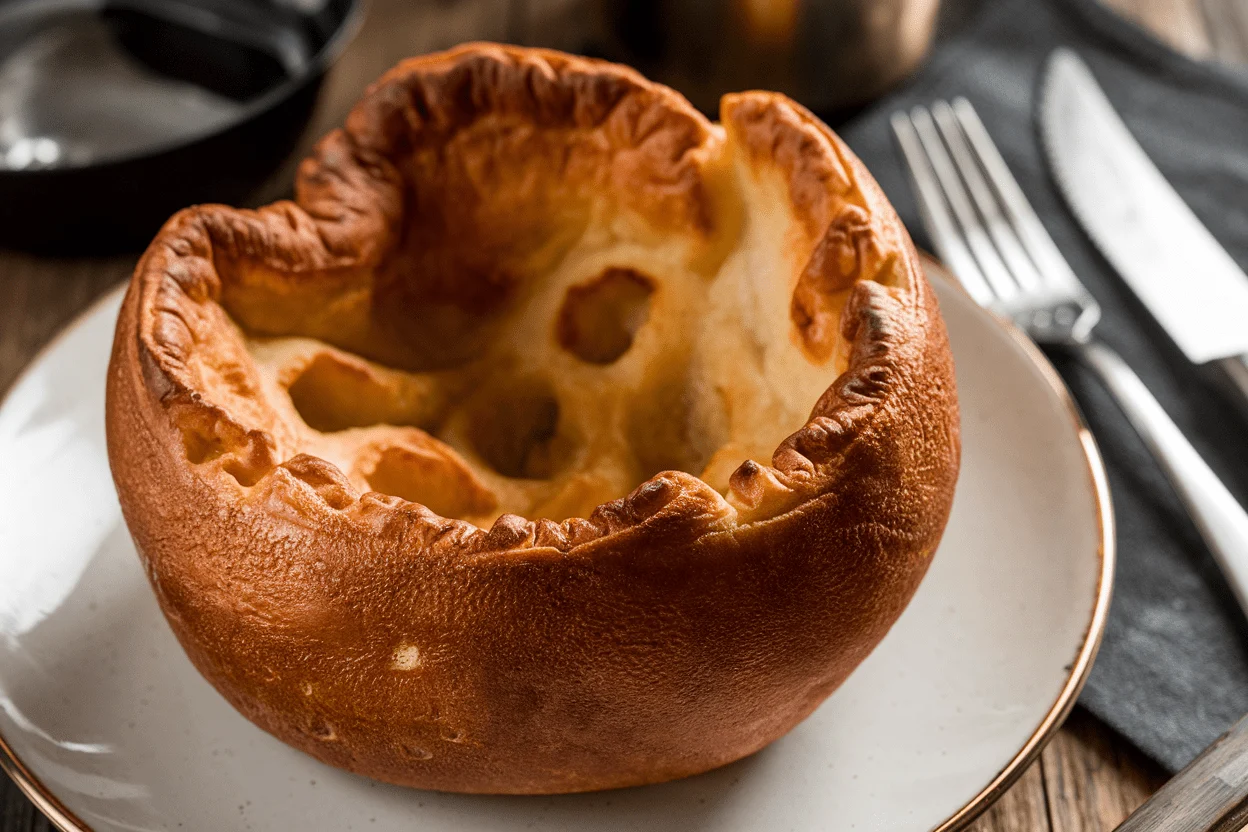
You’ll get that holy grail: crisp exterior, tender, custardy center, and massive rise.
It’s simple. Four core ingredients, zero gadgets, and the most “advanced” technique is pouring. Everything is designed for repeatability, so your second batch is as good as your first.
It’s flexible.
Make minis for dipping, or go for a giant sharing pudding. Works for roast dinners, brunch with jam, or midnight snacks. Because yes, pudding at midnight is a lifestyle.
What Goes Into This Recipe – Ingredients
- 1 cup (120 g) all-purpose flour
- 1 cup (240 ml) whole milk (room temperature)
- 3 large eggs (room temperature)
- 1/2 teaspoon fine sea salt
- 4–6 tablespoons beef dripping, duck fat, or neutral high-heat oil (e.g., canola, sunflower)
- Optional: 1/4 teaspoon ground black pepper, a pinch of garlic powder, or a few thyme leaves for savory flair
Step-by-Step Instructions
- Heat the oven and tins: Place a 12-cup muffin tin (or a 6-cup popover tin) on the middle rack.
Add about 1/2 teaspoon fat to each cup. Preheat to 450°F (230°C). The fat must be smoking hot before you pour in the batter.
- Make the batter: In a bowl, whisk the eggs and milk until smooth.
Sift in the flour and salt. Whisk just until combined and mostly lump-free. A few tiny lumps?
Fine. Overmixing kills rise.
- Rest the batter (optional but clutch): Let the batter sit for 15–30 minutes at room temp. This hydrates flour and relaxes gluten, which equals better lift and texture.
If you have time, rest up to 1 hour.
- Check the fat: When the oven hits temp, leave the pan in for another 5 minutes. The fat should shimmer and just begin to smoke. If it isn’t hot, you won’t get the dramatic puff.
- Pour quickly and confidently: Remove the tin, close the oven door to keep heat in, and carefully divide the batter between cups, filling each to about 1/2–2/3 full.
You should hear a sizzle on contact.
- Bake without peeking: Return the tin to the oven and bake for 20–25 minutes until deeply golden, towering, and crisp. Do not open the oven door early—steam is your liftoff fuel.
- Serve immediately: Yorkshire puddings are best right out of the oven. Pile onto plates, load with gravy, or fill with roast beef. Leftovers?
Keep reading.
Storage Tips
- Short-term: Cool completely, then store in an airtight container at room temperature for up to 1 day. Re-crisp before serving.
- Fridge: Up to 3 days in a sealed container. Reheat at 400°F (200°C) for 5–8 minutes until crisp.
- Freezer: Freeze on a tray, then bag for up to 2 months.
Reheat from frozen at 425°F (220°C) for 8–10 minutes. They come back surprisingly well.
- Revival trick: A minute or two directly on the oven rack helps restore crunch. Don’t microwave unless you like rubbery sadness.
Nutritional Perks
Yorkshire puddings are simple: flour, eggs, milk, fat.
That means protein from eggs and calcium from milk, with modest carbs for energy. They’re lighter than many breads because of their hollow structure—deceptively satisfying without being heavy.
Want to trim calories? Use less fat in each cup and opt for a neutral oil.
Want more flavor? Beef dripping is king. Balance them as a side with lean protein and veg, and you’ve got comfort food that doesn’t wreck your day, IMO.
Avoid These Mistakes
- Cold ingredients: Batter made with fridge-cold eggs and milk rises less.
Room temp is your friend.
- Warm fat: If the oil isn’t screaming hot, your puddings won’t puff. Heat the tin until the fat is just smoking.
- Opening the oven door: Early peeking equals tragic collapse. Set a timer and walk away.
- Overfilling cups: More batter doesn’t mean more rise.
Stick to 1/2–2/3 full for structure and height.
- Overmixing the batter: Vigorously whisking builds gluten, which toughens the crumb. Mix just to combine.
- Wrong rack position: Middle rack = ideal heat circulation. Too low and they burn; too high and they underbake inside.
Variations You Can Try
- Giant Yorkshire: Pour the batter into a preheated 9-inch metal pie tin with 2 tablespoons fat and bake 25–30 minutes.
Fill with roast beef and onions—instant showstopper.
- Herb + Garlic: Add 1 teaspoon chopped fresh thyme or rosemary and a pinch of garlic powder to the batter for a savory twist.
- Cheddar + Chive: Sprinkle grated sharp cheddar and minced chives into each cup before pouring the batter. Cheese crust? Yes please.
- Peppery Kick: Add 1/2 teaspoon cracked black pepper and a whisper of smoked paprika for depth.
- Sweet Brunch: Use neutral oil, skip pepper, and serve with jam and a dusting of powdered sugar.
Maple syrup also slaps (FYI).
FAQ
Why didn’t my Yorkshire puddings rise?
Usually it’s one of three culprits: the fat wasn’t hot enough, the oven door was opened early, or the batter was cold/overmixed. Ensure the tin is smoking hot, keep ingredients at room temp, and don’t peek for the first 20 minutes.
Can I make the batter ahead of time?
Yes. Mix the batter, cover, and refrigerate for up to 24 hours.
Bring to room temp and whisk briefly before baking. Resting improves texture and rise.
Is beef dripping necessary?
No, but it tastes amazing. Neutral oils like canola or sunflower work well and still deliver great rise.
Duck fat is a luxurious middle ground.
Can I make these gluten-free?
Use a good 1:1 gluten-free flour blend. Rest the batter at least 30 minutes to hydrate, and keep the fat extra hot to maximize puff. Results are surprisingly close.
How do I keep them from deflating?
Some slight settling is normal.
For maximum structure, bake until deeply golden and crisp, avoid underbaking, and serve immediately. Reheating on a rack restores some crunch if needed.
Do I need a special tin?
No. A standard metal muffin tin works perfectly.
Avoid silicone—it insulates too much and limits browning and rise.
What’s the ideal flour?
All-purpose flour is perfect. Bread flour can make them chewier and tougher, and cake flour can be too soft. AP keeps it balanced.
Can I add drippings from the roast?
Absolutely.
Skim any burnt bits, use the clean drippings, and heat until smoking in the tin. It adds killer flavor and color.
Final Thoughts
Mastering an easy Yorkshire pudding recipe is about respecting heat, timing, and simplicity. With hot fat, room-temp batter, and a strict “no peeking” policy, you’ll get skyscraper-level rise and that addictive crisp-meets-custard texture every time.
Keep this base recipe in your back pocket, then riff with herbs, cheese, or a giant sharing version when you want to flex.
One bake and you’ll understand why the plate is never big enough. Your roast dinner just found its headliner—enjoy the applause.