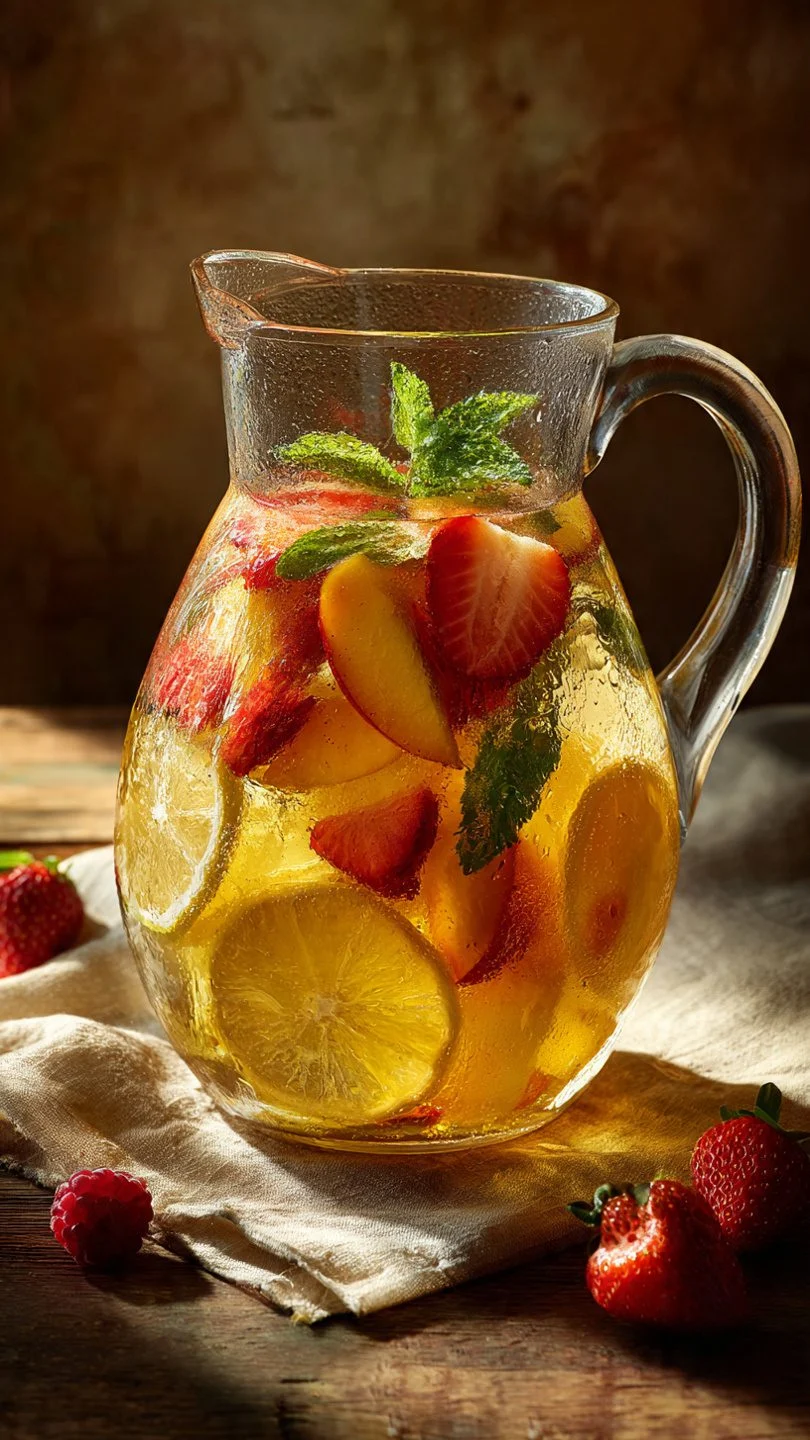
🍹 Refreshing White Wine Sangria Recipe
👩🍳 The Home Chef's Essential Kitchen
Consistently cooking incredible, healthy meals at home is so much easier when you aren't fighting with cheap tools. These are the 5 absolute powerhouse kitchen essentials that professional chefs and serious home cooks rely on every single day to get perfect results.
🍳 Lodge 10.25" Cast Iron Skillet
The single greatest value in all of cookware. It retains heat infinitely better than cheap non-stick pans, allowing you to get a restaurant-quality crust on steaks or perfect crispy edges on cornbread. With proper care, this $20 pan will literally outlive you.
🔪 Victorinox Fibrox Pro 8" Chef's Knife
A dull knife makes cooking a frustrating chore. This specific blade is the undisputed champion of the culinary world—it holds a terrifyingly sharp edge, features a comfortable non-slip grip, and performs identical to German knives that cost quadruple the price.
🌡️ ThermoPro Instant Read Thermometer
Never serve dry chicken or undercooked pork again. An instant-read thermometer is the secret difference between amateur cooks who 'guess' when protein is done, and professionals who know exactly when to pull meat off the heat for maximum juiciness.
🍲 Lodge Enameled Cast Iron Dutch Oven
The ultimate workhorse for soups, stews, braised short ribs, and baking crusty artisanal bread. The enameled interior provides incredible heat distribution for slow-cooking while eliminating the intense seasoning maintenance required by bare cast iron.
🥄 Bpa-Free Silicone Utensil Set
Throw away those melting plastic spatulas and bacteria-harboring wooden spoons. This pure silicone set is heat-resistant up to 600°F, won't scratch your expensive pans, and features seamless designs that make cleaning out thick sauces and batters effortless.
So, you’ve had a week. Or maybe it’s a Tuesday and the sun is shining, and that’s reason enough. You’re craving something crisp, fruity, and boozy, but the thought of uncorking a heavy red wine feels… aggressive. You want the “cool girl” of cocktails. You want a drink that says, “I’m sophisticated, but I’m also here to party on the patio.”
Enter: White Wine Sangria.
Forget the dark, heavy, wintery sangrias of the past. We are making sunshine in a pitcher today. This isn’t rocket science, and thank goodness, because who wants to do math when there’s wine involved? If you can chop fruit without losing a finger and pour liquid into a larger vessel, you’re already overqualified for this job. Let’s get into the best white wine sangria recipe you’ll ever taste.
Why This Recipe is Awesome
Look, there are a million sangria recipes on the internet. Why should you trust this one? Because I’ve tested it. Extensively. (You’re welcome).
Here’s the deal: most people mess up sangria by either making it too sweet (hello, hangover headache) or too bland (why are we drinking watered-down grapes?). This recipe hits the sweet spot—literally and figuratively.
- It’s forgiving: Did you accidentally buy the cheap wine on the bottom shelf? Perfect. This recipe is the great equalizer. It takes “meh” wine and turns it into “OMG what is this?”
- It’s a crowd-pleaser: I have served this to wine snobs and people who usually only drink beer. Both groups asked for a refill. It bridges the gap between “fancy” and “fun.”
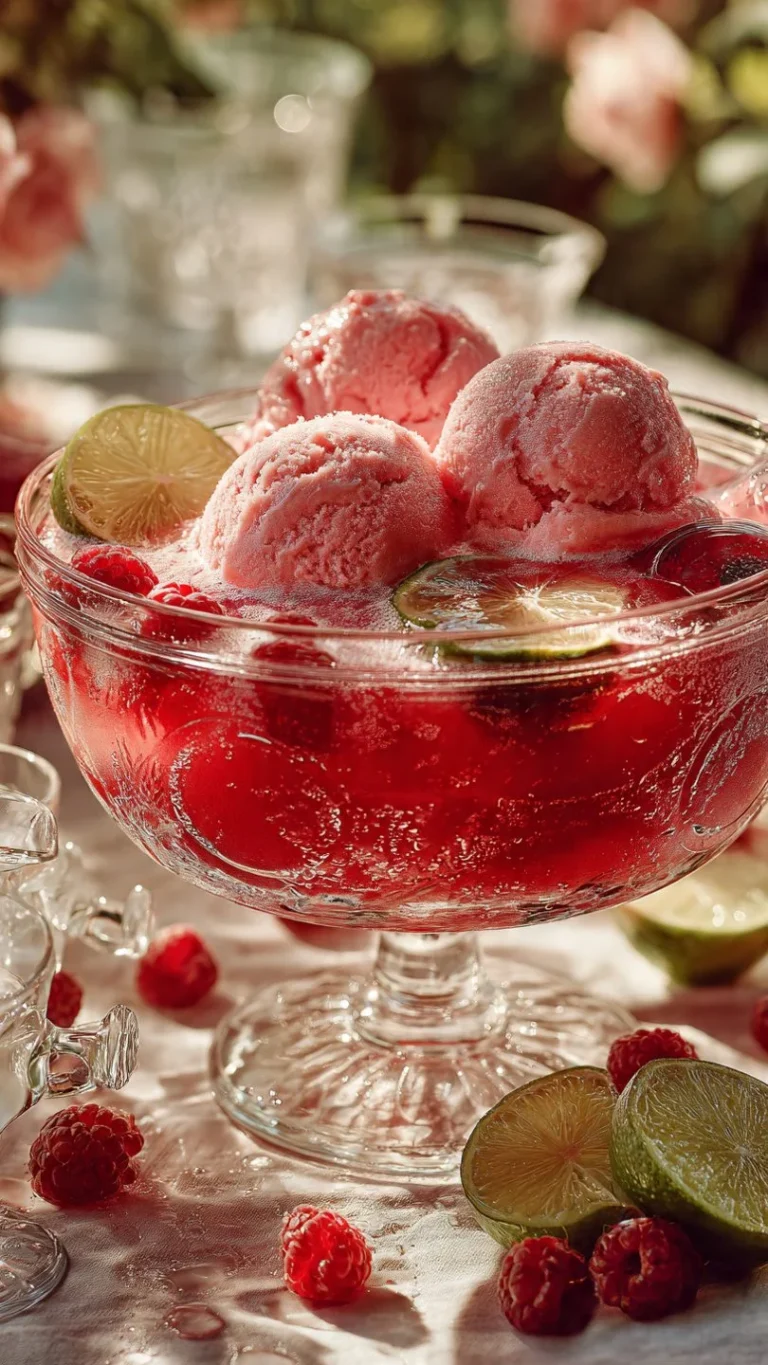
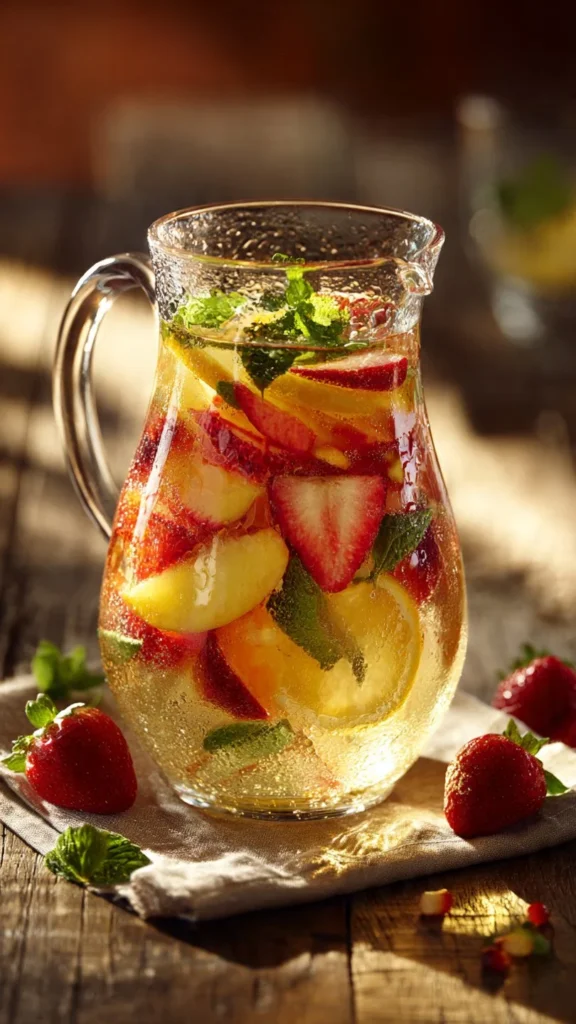
- It’s aesthetically pleasing: Let’s be real, we drink with our eyes first. This pitcher looks like a jewel box of fruit. It’s basically begging to be put on Instagram.
- The “Maceration Magic”: We aren’t just throwing fruit in and serving it immediately. We are letting the flavors get to know each other. It’s a relationship, not a fling. The science of letting the fruit sit (macerate) means the brandy extracts the oils from the citrus, and the peaches soak up the booze. It’s chemistry, but the tasty kind.
Ingredients You’ll Need
Don’t panic. You probably have half of this in your kitchen right now. If not, a quick grocery run is all that stands between you and happiness.
- The White Wine (1 Bottle): You want a dry, crisp white wine. Pinot Grigio or Sauvignon Blanc are the MVPs here. Do not use a heavy, oaky Chardonnay unless you want your drink to taste like a vanilla tree (and not in a good way). Also, don’t break the bank. A $10-$15 bottle is perfect.
- The Hard Stuff (1/2 Cup): You need a kicker. Brandy is traditional and adds a warm depth. If you want something lighter and more citrus-forward, use Grand Marnier or Cointreau. In a pinch? Plain vodka works, but it’s a bit boring.
- The Sweetener (2-4 tbsp): Superfine sugar, agave nectar, or a simple syrup works best. Granulated sugar is fine, but you have to stir it like you mean it so it doesn’t stay crunchy at the bottom.
- The Citrus (1 Lemon, 1 Lime, 1 Orange): Sliced into rounds. These provide the acid backbone so the drink isn’t cloying.
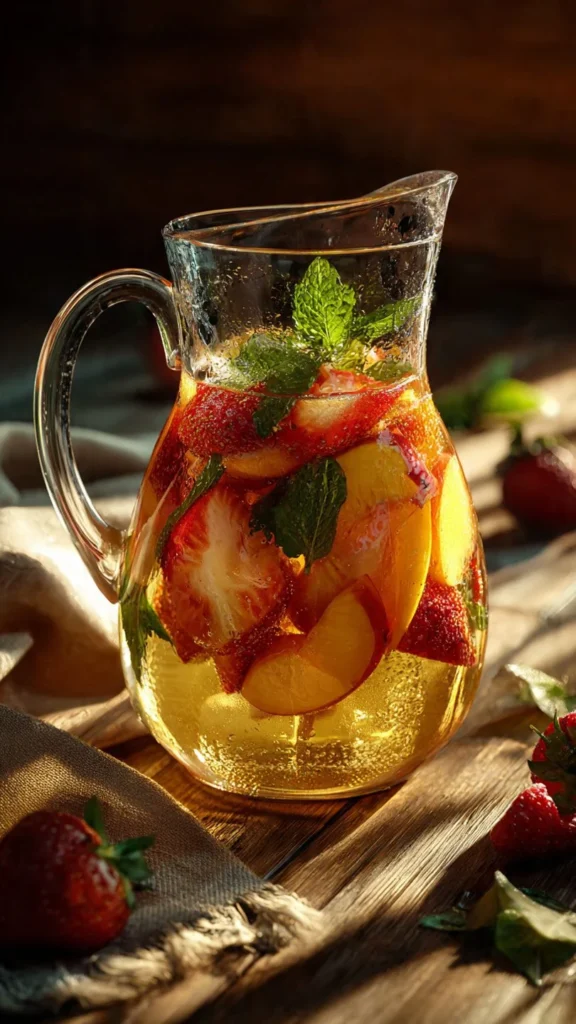
- The “Jewels” (1-2 Cups of Fruit): This is where you get creative. My holy grail combo is sliced strawberries and white peaches. They look gorgeous and taste amazing. Green apples add a nice crunch. Blueberries look pretty but don’t add much flavor, but toss ’em in for the ‘gram if you want.
- The Sparkle (Top-off): Club soda, sparkling water, or if you have a serious sweet tooth, Sprite/7-Up. Pro tip: Ginger ale is a sleeper hit here if you like a little spice.
- Fresh Herbs (Optional): A sprig of mint or basil. It makes you look like a mixologist without any actual effort.
Step-by-Step Instructions
Ready to build this masterpiece? Let’s do this.
1. Prep Your Fruit (The “Hard” Part) Wash everything thoroughly. Leave the skins on the apples, peaches, and citrus—it adds color and prevents the fruit from turning into mush. Slice the citrus into beautiful rounds. Slice the strawberries and peaches into wedges. Important: Remove the seeds from the citrus if you can. Nobody likes choking on a lemon seed mid-laugh.
2. The Sugar Rush In the bottom of your pitcher, toss in your sweetener of choice and the brandy (or liqueur). Stir this together before adding the wine. If you’re using granulated sugar, stir until it’s mostly dissolved. This creates a “base” flavor profile.
3. Add the Fruit and Macerate Dump all that beautiful chopped fruit into the pitcher with the brandy mixture. Give it a gentle muddle (smush) with a wooden spoon. You aren’t trying to make applesauce, you just want to bruise the fruit slightly to release the juices. Let this sit for 15 minutes if you have time. This is the secret step. It lets the booze penetrate the fruit.
4. The Main Event Pour in the entire bottle of white wine. Watch the color transform. Give it a gentle stir to combine everything.
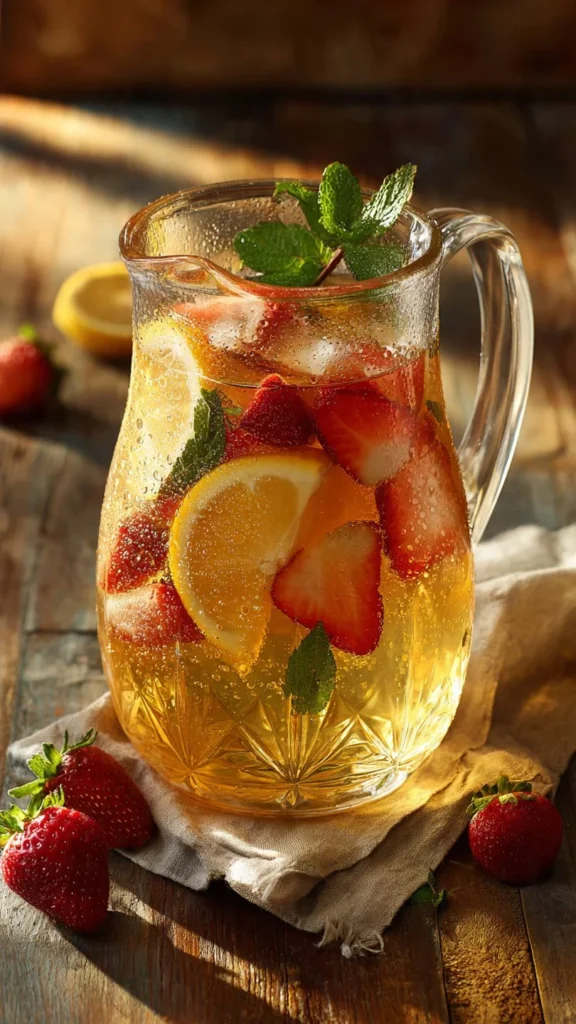
5. The Waiting Game (Crucial!) Put the pitcher in the fridge. Walk away. Go watch an episode of your favorite show. Chill for at least 2 hours, but ideally 4. If you drink it now, it’s just wine with floating apples. If you wait, it becomes Sangria. The flavors meld, the harshness of the alcohol softens, and the fruit gets boozy.
6. Serve with Sparkle When you are ready to serve, fill glasses with ice. Do not put ice in the pitcher (it melts and waters down your hard work). Pour the sangria into the glasses, filling them about 3/4 full. Make sure every glass gets plenty of boozy fruit chunks. Top off with your bubbly of choice (club soda/Sprite). Garnish with a fresh mint sprig if you’re feeling fancy.
Common Mistakes to Avoid
Even though this is easy, I’ve seen good people make bad sangria. Don’t be a statistic.
- The “Ice in the Pitcher” Sin: I mentioned this above, but it bears repeating. If you put ice in the pitcher and let it sit in the fridge, you are making watery grape juice. Always ice the glass, never the pitcher.
- Using Chardonnay: Listen, I love a buttery Chardonnay with dinner. But in sangria? No. The oak flavor fights with the fruit acidity and creates a weird, metallic aftertaste. Stick to crisp, un-oaked wines.
- The “Tiny Fruit” Trap: Don’t dice your fruit into microscopic pieces. It turns into a slurry that looks like baby food at the bottom of the glass. Keep the chunks substantial—part of the fun is eating the boozy fruit at the end!
- Over-Sweetening: You can always add more sugar later, but you can’t take it out. Start with less. Remember, the fruit will release natural sugars as it sits. If you use Sprite as a topper, you barely need any added sugar in the base.
- Using “Cooking Wine”: Just… don’t. If you wouldn’t drink a glass of it, don’t put it in your pitcher. Use a decent $12 Pinot Grigio, not the stuff labeled “Sherry for Cooking” from the vinegar aisle.
Alternatives & Substitutions
Cooking is jazz, baby. Improvise! Here are some ways to remix this white wine sangria recipe based on what you have or what you like.
- The “Tropical Vacation” Twist: Swap the strawberries and apples for pineapple chunks and mango. Use a Sauvignon Blanc (which has tropical notes anyway) and use coconut rum instead of brandy. It’s basically a Piña Colada’s sophisticated cousin.
- The “Stone Fruit” Summer: When peaches are in season, go all in. Use white peaches, yellow peaches, apricots, and nectarines. Swap the brandy for Peach Schnapps. It smells like heaven.
- The “Non-Alcoholic” Mocktail: Hosting a baby shower or just taking a break? Use white grape juice or a non-alcoholic white wine as the base. Omit the brandy. Top with extra citrus soda to cut the sweetness of the grape juice.
- The Rosé All Day: Literally just swap the white wine for a dry Rosé. Keep the strawberries and maybe add some raspberries. It’s pink, it’s pretty, and it tastes like summer.
- Winter White Sangria: Yes, you can drink this in December. Use pears, cranberries, and pomegranate seeds. Add a cinnamon stick to the pitcher. Boom—holiday festive.
FAQ (Frequently Asked Questions)
1. Can I make this the night before? Please do! Honestly, sangria is the meal-prep of the alcohol world. It tastes even better after 12 hours. Just don’t add the bubbly water until the very second you serve it. Nobody likes flat fizz.
2. How long does white wine sangria last in the fridge? It’s usually good for about 3 to 4 days. After that, the fruit starts to look a little sad and mushy, and the wine might start to oxidize (turn vinegar-y). But let’s be real, will it really last 4 days? Doubtful.
3. Can I use frozen fruit? FYI: Yes, and it’s actually a great hack. Frozen peaches or berries act as ice cubes that don’t water down your drink! As they thaw, they release tons of juice. Just know they might get a bit mushier than fresh fruit, but the flavor will be on point.
4. Do I have to use Brandy? Nope. It’s traditional, but you do you. If you hate brandy, try Triple Sec, Grand Marnier, or even a splash of Gin for a botanical twist. If you want to keep the ABV lower, just skip the hard liquor entirely; it’ll still be delicious, just less “punchy.”
5. Is this recipe very sweet? As written, it’s “medium” sweet. It’s balanced. If you have a massive sweet tooth, use Moscato instead of Pinot Grigio and top with Sprite. If you hate sugar, use a bone-dry Sauvignon Blanc, skip the added sugar, and top with plain seltzer.
6. Can I eat the fruit? Is the sky blue? Yes! That is the best part! The fruit soaks up the alcohol, so be careful—those innocent-looking peach slices pack a punch. We call them “boozy snacks.”
Final Thoughts
There you have it. You are now armed with the knowledge to create the ultimate white wine sangria recipe. It’s crisp, it’s refreshing, and it’s cheaper than buying a round of cocktails at a bar.
Whether you’re hosting a BBQ, having a girls’ night, or just sitting on your porch pretending you don’t have emails to answer, this pitcher is your best friend. Don’t overthink it. Chop, pour, chill, and enjoy.
Now go impress someone—or yourself—with your new culinary skills. You’ve earned it! Cheers!