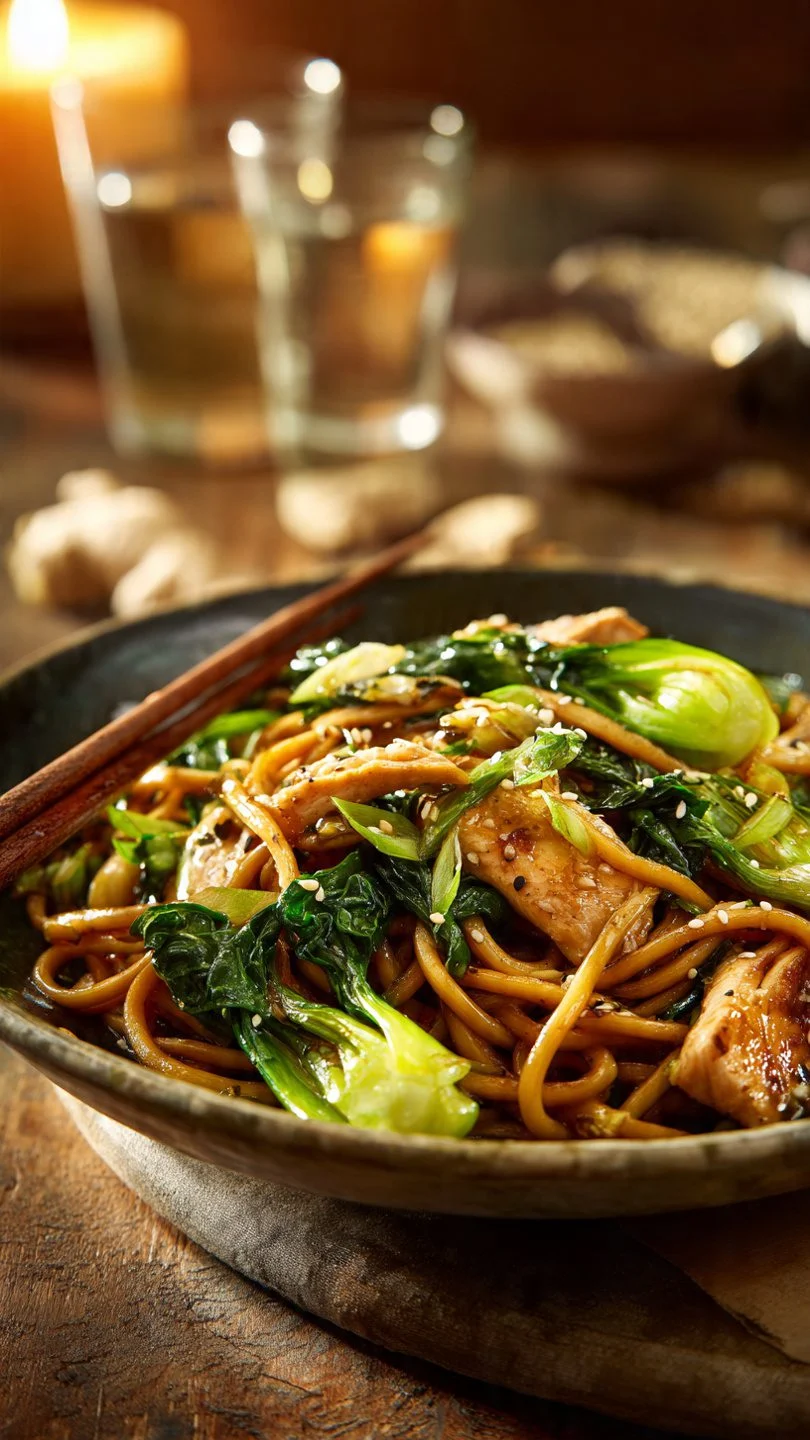
🍜 Easy Lo Mein Noodles Recipe: Better Than Takeout
👩🍳 The Home Chef's Essential Kitchen
Consistently cooking incredible, healthy meals at home is so much easier when you aren't fighting with cheap tools. These are the 5 absolute powerhouse kitchen essentials that professional chefs and serious home cooks rely on every single day to get perfect results.
🍳 Lodge 10.25" Cast Iron Skillet
The single greatest value in all of cookware. It retains heat infinitely better than cheap non-stick pans, allowing you to get a restaurant-quality crust on steaks or perfect crispy edges on cornbread. With proper care, this $20 pan will literally outlive you.
🔪 Victorinox Fibrox Pro 8" Chef's Knife
A dull knife makes cooking a frustrating chore. This specific blade is the undisputed champion of the culinary world—it holds a terrifyingly sharp edge, features a comfortable non-slip grip, and performs identical to German knives that cost quadruple the price.
🌡️ ThermoPro Instant Read Thermometer
Never serve dry chicken or undercooked pork again. An instant-read thermometer is the secret difference between amateur cooks who 'guess' when protein is done, and professionals who know exactly when to pull meat off the heat for maximum juiciness.
🍲 Lodge Enameled Cast Iron Dutch Oven
The ultimate workhorse for soups, stews, braised short ribs, and baking crusty artisanal bread. The enameled interior provides incredible heat distribution for slow-cooking while eliminating the intense seasoning maintenance required by bare cast iron.
🥄 Bpa-Free Silicone Utensil Set
Throw away those melting plastic spatulas and bacteria-harboring wooden spoons. This pure silicone set is heat-resistant up to 600°F, won't scratch your expensive pans, and features seamless designs that make cleaning out thick sauces and batters effortless.
So, you’re currently staring into the abyss of your refrigerator, debating whether to order takeout for the third time this week or actually use those vegetables rotting in the crisper drawer. Craving something salty, savory, and carb-loaded but too lazy to spend forever in the kitchen, huh? Same.
Listen, we’ve all been there. You want that specific takeout flavor—the one that hits the spot at 10 PM on a Tuesday—but your wallet is crying, and the delivery fee is offensive.
Enter this low mein noodles recipe easy enough for a toddler to understand (okay, maybe a supervised toddler). It is the savior of weeknight dinners. It’s saucy, it’s fast, and it stops you from eating cereal for dinner again. Put down the phone, close the delivery app, and let’s get that wok (or sad frying pan) hot.
Why This Recipe is Awesome
Look, I’m not here to tell you I reinvented the wheel. It’s noodles and sauce. But there is a reason this specific recipe is going to become your new personality trait.
First off, it is genuinely idiot-proof. Even if you have a history of burning water, you’re going to struggle to mess this up. The beauty of a good stir-fry is that it’s forgiving. Did you add too much garlic? No such thing. Did you chop the carrots unevenly? Rustic charm, baby.
Secondly, let’s talk about the Speed-to-Satisfaction Ratio. Most “quick” recipes lie to you. They say “15 minutes” but forget to mention the 45 minutes of chopping onions and crying. This recipe is actual fast food. Once your prep is done (which takes minimal effort), the actual cooking time is faster than a commercial break.
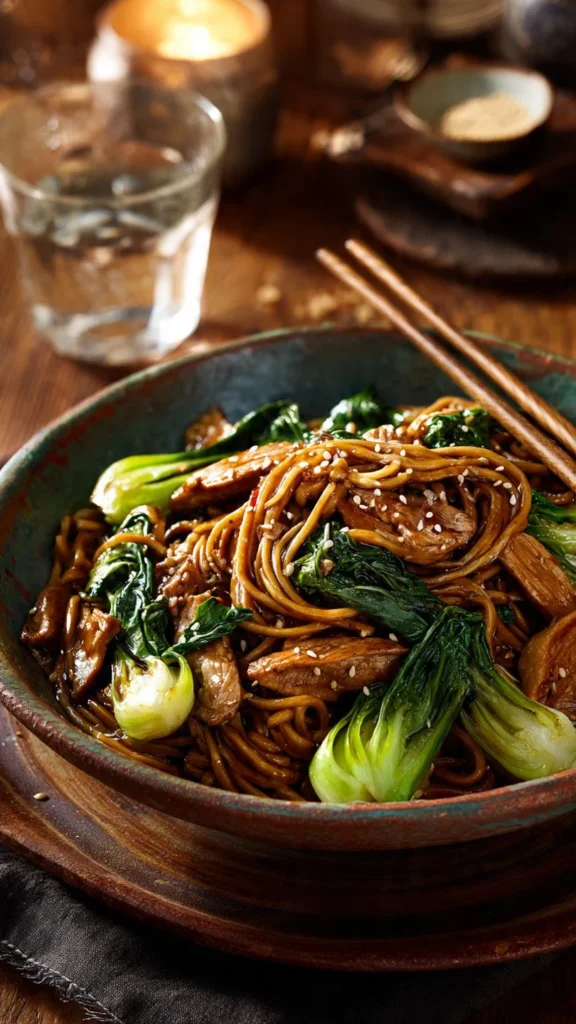
The Flavor Profile is Legit. We are skipping the pre-bottled “stir-fry sauce” that tastes like sugary disappointment. We are building a sauce that balances the umami punch of oyster sauce with the nutty aroma of sesame oil. It’s that slippery, glossy coating that clings to the noodles—known in the culinary world as “liquid gold” (okay, I made that up, but it should be).
It cleans out your fridge. This recipe is the ultimate scavenger hunt. Half a bell pepper? Throw it in. A handful of limp spinach? It’s basically a gourmet addition now. This dish doesn’t judge you for your leftover produce; it embraces it.
Finally, there is the texture. We are aiming for that perfect “chew.” Not mushy, not hard, but that specific al dente bounce that you get from a good Chinese restaurant. Achieving this at home is easier than you think, and I’m going to tell you exactly how to do it so you can brag to your friends.
Ingredients You’ll Need
Here is your shopping list. Don’t panic, you probably have half of this stuff hiding in your pantry behind the expired crackers.
The Foundation
- The Noodles: Ideally, fresh egg noodles (often labeled as Lo Mein or Hokkien noodles). If you can’t find them, dried egg noodles work. In a pinch? Spaghetti. (Yes, I said it. Don’t @ me, I’ll explain the hack later).
- The Protein: Chicken thighs (juicier than breast, fight me), shrimp, beef flank steak, or tofu. Or nothing. Carbs are a protein, right? (Kidding… sort of).
- The Oil: A neutral cooking oil like canola or vegetable. Save the olive oil for your salad; it can’t handle the heat we’re about to bring.
The Sauce (The MVP)
- Light Soy Sauce: The salty backbone of the operation.
- Dark Soy Sauce: This is crucial. It’s less salty but thicker and darker. It gives the noodles that beautiful deep caramel color. If you skip this, your noodles will look pale and sad.
- Oyster Sauce: The umami bomb. If you are vegetarian, buy the mushroom-based “vegetarian stir-fry sauce.” It tastes 95% the same.
- Sesame Oil: Toasted sesame oil is a non-negotiable. It smells like heaven.
- Sugar: Just a pinch to balance the salt. Brown sugar works best, IMO.
- Cornstarch: Optional, but helps the sauce stick to the noodles rather than pooling at the bottom of the bowl.
The Veggies & Aromatics
- Garlic: 3 cloves. Or 6. Measure with your heart, not the recipe.
- Ginger: Fresh is best. Grated or minced.
- Green Onions (Scallions): Separate the white parts (cook early) and green parts (garnish).
- Vegetables: Bok choy, sliced carrots, snow peas, bell peppers, broccoli florets. Whatever looks good.
Step-by-Step Instructions
Alright, apron up. Or don’t. I cook in my pajamas. Here is how to nail this low mein noodles recipe easy style.
1. The “Mise en Place” (Prep Work)
I cannot stress this enough: Chop everything before you turn on the heat. Stir-frying happens fast. If you are trying to chop carrots while the garlic is frying, you will burn the garlic, ruin the dish, and cry.
- Slice your protein into bite-sized strips.
- Chop your veggies into thin, uniform pieces so they cook evenly.
- Mince the garlic and ginger.
- Pro Tip: If using chicken, coat the sliced meat in a tiny bit of soy sauce and cornstarch while you prep the rest. This is called “velveting” and keeps the meat tender.
2. Mix the Sauce
Grab a small bowl. Whisk together the light soy sauce, dark soy sauce, oyster sauce, sesame oil, sugar, and a splash of water (or chicken stock). Taste it. Is it delicious? Good. If it’s too salty, add a splash more water.
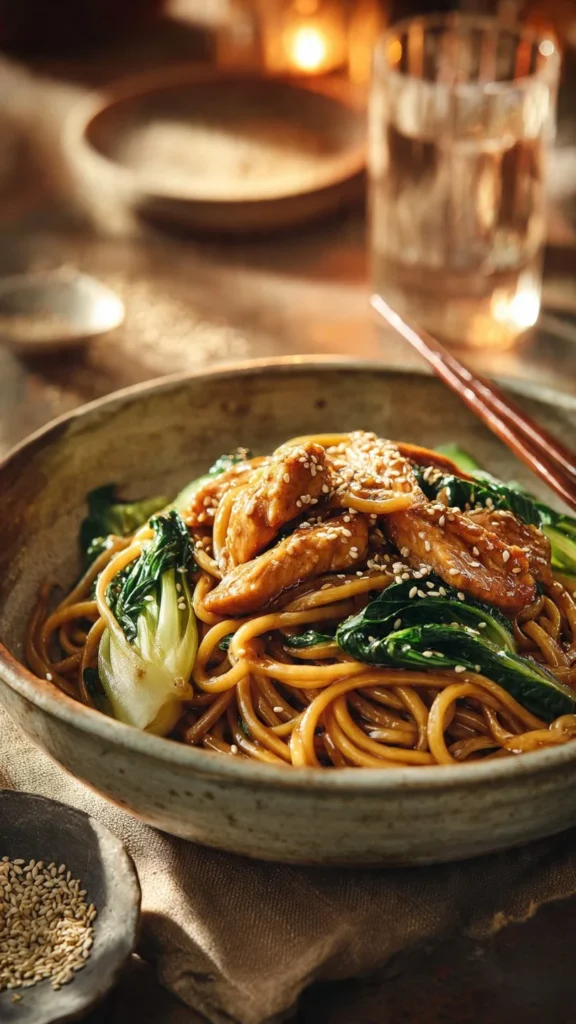
3. Noodle Time
Cook your noodles according to the package instructions, but undercook them by one minute. They will finish cooking in the sauce later.
- Crucial Step: Drain the noodles and immediately rinse them under cold water. This stops the cooking process and washes away excess starch so they don’t turn into a giant gummy globs. Toss them with a tiny drop of oil to keep them loose.
4. Sear the Protein
Get your wok or large skillet ripping hot. Add a tablespoon of oil. Throw in your protein in a single layer. Don’t touch it. Let it get a nice brown sear (Maillard reaction = flavor). Flip, cook until mostly done, and remove from the pan. Set it aside.
5. The Veggie Stir-Fry
Add a little more oil if the pan is dry. Toss in the heartier veggies first (carrots, broccoli stems). Stir-fry for 2 minutes. Then add the softer veggies (bok choy leaves, snow peas) and the white parts of the green onions.
- Aromatic Alert: Add the garlic and ginger now. We add them late so they don’t burn. Cook for 30 seconds until your kitchen smells amazing.
6. The Grand Finale
Add the protein back into the pan. Dump the noodles on top. Pour that glorious sauce all over everything.
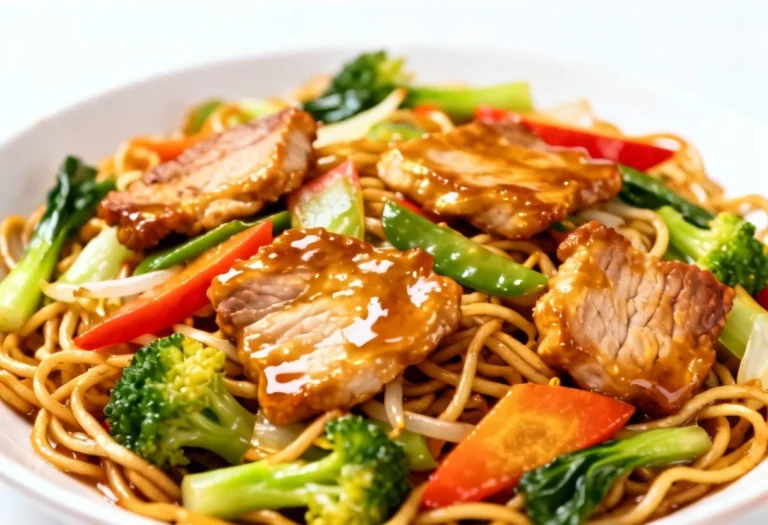
- Toss, Toss, Toss: Use tongs or chopsticks. Keep everything moving. The sauce should bubble and thicken slightly, coating every single strand of noodle. The dark soy sauce should turn the noodles a rich, appetizing brown.
7. Garnish and Devour
Once everything is hot and coated (about 1–2 minutes), kill the heat. Toss in the green parts of the green onions. Plate it up.
- Sensory Check: It should smell nutty, savory, and slightly sweet. The noodles should be slippery but chewy.
Common Mistakes to Avoid
Even though this is easy, there are ways to ruin it. Let’s avoid these “oops” moments.
- Crowding the Pan: If you put too much stuff in the pan at once, the temperature drops, and you end up steaming your food instead of frying it. Steamed meat is sad. If you have a small pan, cook in batches.
- Burning the Garlic: Burnt garlic tastes bitter and nasty. It only needs 30 seconds. Do not throw it in at the beginning with the carrots.
- Overcooking the Noodles: Nobody likes mushy noodles. Remember, they cook twice (boiling + frying). Keep them al dente!
- Skipping the Dark Soy Sauce: Technically, you can skip it, but your noodles will look beige. We eat with our eyes first. Get the dark soy sauce.
Alternatives & Substitutions
Cooking is jazz, not a science exam. Improvise!
- The “I Only Have Spaghetti” Hack: If you don’t have egg noodles, boil dry spaghetti. Top Secret Tip: Add a teaspoon of baking soda to the boiling water. The baking soda changes the pH of the pasta, giving it a springier, “ramen-like” texture and yellow color. It sounds fake, but it works. Rinse well to remove the baking soda taste.
- Gluten-Free Friend: Use Tamari instead of soy sauce and ensure your oyster sauce is GF. Use rice noodles (pad thai style) instead of egg noodles.
- Vegetarian/Vegan: Swap the chicken for firm tofu (press the water out first!) or just load up on mushrooms. Shiitake mushrooms add a “meaty” texture that is fantastic here. Use mushroom stir-fry sauce instead of oyster sauce.
- The Spicy Route: Add a tablespoon of Chili Garlic Sauce (Sambal Oelek) or Sriracha into the sauce mix if you want to clear your sinuses.
FAQ (Frequently Asked Questions)
1. Can I use margarine instead of butter? Wait, there’s no butter in this recipe! But generally speaking… why hurt your soul like that? Stick to oil for stir-frys.
2. Can I make this ahead of time? Absolutely. In fact, cold lo mein straight from the Tupperware at 2 AM is a vibe. It reheats perfectly in the microwave or back in the pan. It keeps in the fridge for 3-4 days.
3. Why are my noodles sticky? You didn’t rinse them, did you? Caught you. You have to rinse the noodles in cold water after boiling to remove the starch. Also, toss them in a little oil if they are sitting out before frying.
4. What is the difference between Lo Mein and Chow Mein? Great question. Lo Mein means “tossed noodles” (saucy, soft, folded ingredients). Chow Mein means “fried noodles” (crispier, often the noodles are fried separately to get a crunch). This recipe is for the saucy, soft goodness.
5. I don’t have a wok. Am I doomed? No. A wide non-stick skillet or a cast-iron pan works fine. You just need surface area. A wok is great for the “toss,” but a skillet will get the job done.
6. Is this authentic? It’s “authentic to my kitchen.” It’s a home-style version adapted for ingredients you can find at a regular grocery store. It honors the flavor profile without requiring a trip to a specialty market (unless you want to, which I highly recommend).
Final Thoughts
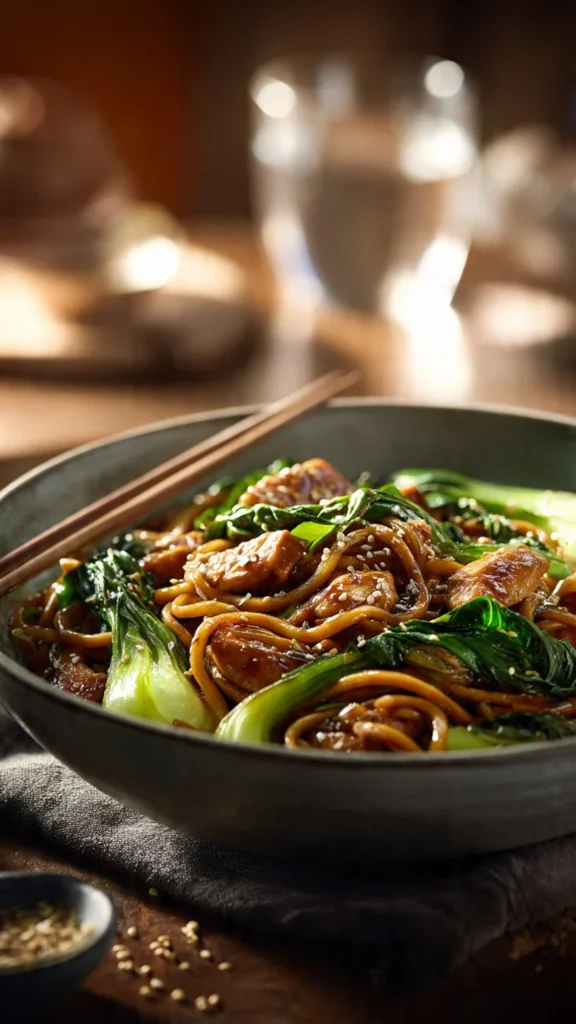
There you have it. A low mein noodles recipe easy enough to make on a Tuesday, tasty enough to serve to guests, and fast enough that you won’t starve while cooking.
Cooking shouldn’t be a chore; it should be the fun part of your day where you get to play with fire and knives (safely, please). Now go impress someone—or yourself—with your new culinary skills. You’ve earned it!
Now, put on some music, chop some veggies, and get that wok smoking. FYI, if you don’t slurp the noodles, you aren’t doing it right.