This Lemon Drop Martini Recipe Hits Harder Than Happy Hour: Bright, Cold, and Dangerously Sippable
👩🍳 The Home Chef's Essential Kitchen
Consistently cooking incredible, healthy meals at home is so much easier when you aren't fighting with cheap tools. These are the 5 absolute powerhouse kitchen essentials that professional chefs and serious home cooks rely on every single day to get perfect results.
🍳 Lodge 10.25" Cast Iron Skillet
The single greatest value in all of cookware. It retains heat infinitely better than cheap non-stick pans, allowing you to get a restaurant-quality crust on steaks or perfect crispy edges on cornbread. With proper care, this $20 pan will literally outlive you.
🔪 Victorinox Fibrox Pro 8" Chef's Knife
A dull knife makes cooking a frustrating chore. This specific blade is the undisputed champion of the culinary world—it holds a terrifyingly sharp edge, features a comfortable non-slip grip, and performs identical to German knives that cost quadruple the price.
🌡️ ThermoPro Instant Read Thermometer
Never serve dry chicken or undercooked pork again. An instant-read thermometer is the secret difference between amateur cooks who 'guess' when protein is done, and professionals who know exactly when to pull meat off the heat for maximum juiciness.
🍲 Lodge Enameled Cast Iron Dutch Oven
The ultimate workhorse for soups, stews, braised short ribs, and baking crusty artisanal bread. The enameled interior provides incredible heat distribution for slow-cooking while eliminating the intense seasoning maintenance required by bare cast iron.
🥄 Bpa-Free Silicone Utensil Set
Throw away those melting plastic spatulas and bacteria-harboring wooden spoons. This pure silicone set is heat-resistant up to 600°F, won't scratch your expensive pans, and features seamless designs that make cleaning out thick sauces and batters effortless.
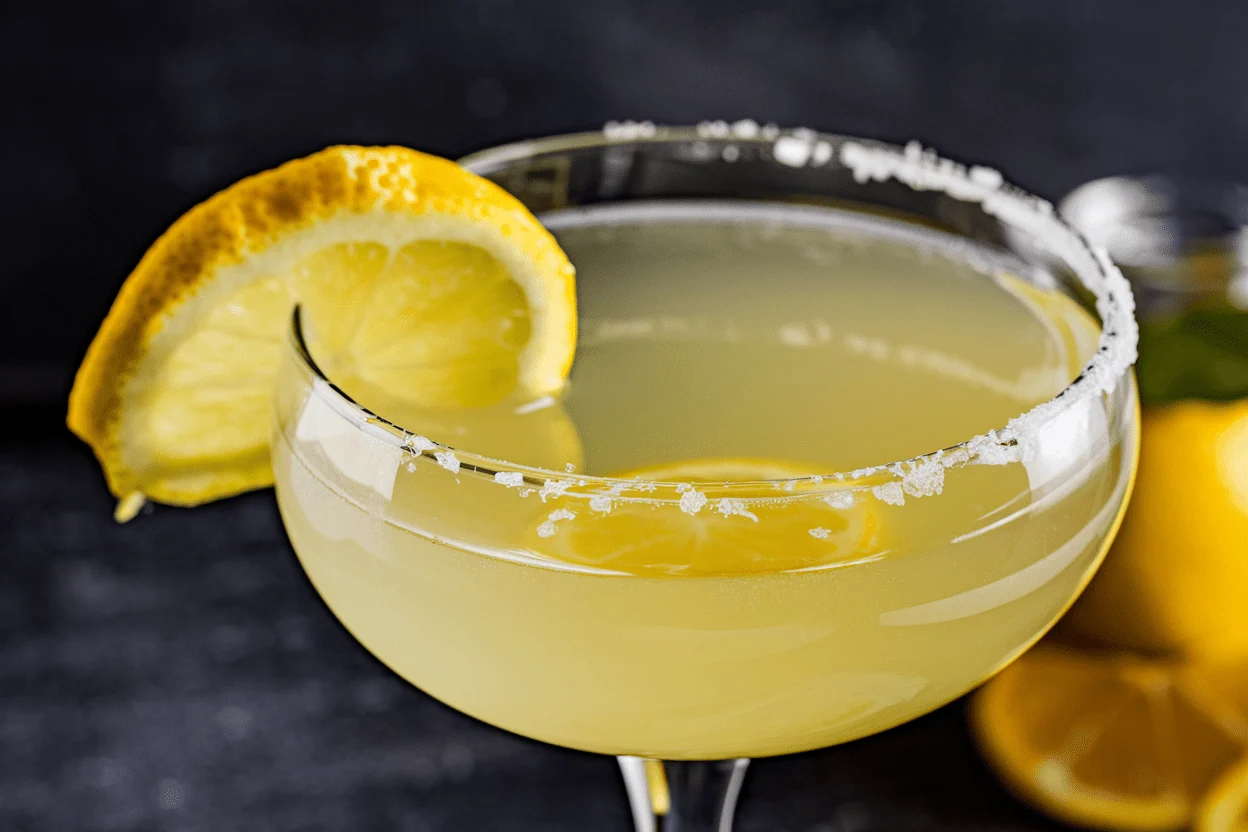
You don’t need a $17 cocktail or a smoky speakeasy to drink like a pro. You need ice-cold glassware, a sharp lemon, and a plan. This lemon drop martini recipe is crisp, sour-sweet perfection—the kind of drink that turns “just one” into “okay, maybe two.” It’s simple, showy, and wildly effective.
And yes, the sugar rim? Non-negotiable. You’re about to make the best version you’ve ever tasted—bar none.
What Makes This Special
This isn’t lemonade with a suit on.
It’s a balanced, high-acid, high-aroma cocktail that makes your palate sit up and salute. The trick is fresh lemon juice, a lightly sweetened simple syrup, and a clean, quality vodka that doesn’t fight the citrus. Shake it hard, strain it fine, and serve it colder than your ex’s heart.
The sugar rim isn’t just cute.
It’s functional contrast. The first sip hits sweet, then sharp, then smooth. It’s flavor sequencing.
If that sounds intense for a martini, good—it should be.
Ingredients
- 2 oz vodka (clean, neutral; top-shelf not required, but don’t go bottom-shelf rocket fuel)
- 1 oz fresh lemon juice (about 1 medium lemon)
- 3/4 oz simple syrup (1:1 sugar to water; adjust to taste)
- 1/2 oz triple sec or Cointreau (for orange brightness and balance)
- Granulated sugar (for the rim)
- Lemon wheel or twist (garnish)
- Ice (lots, for shaking)
The Method – Instructions
- Chill your glass. Put a coupe or martini glass in the freezer for at least 10 minutes. Cold glass = colder drink = better experience.
- Make the rim. Pour a thin layer of sugar onto a plate. Swipe a lemon wedge around the outside edge of your glass, then dip just the exterior rim into the sugar.
Don’t coat the inside—no clumps in your first sip.
- Build the cocktail. In a shaker, add vodka, fresh lemon juice, simple syrup, and triple sec. Fill with ice—like, actually fill it.
- Shake like you mean it. 12–15 seconds, hard. You want dilution and frost on the shaker.
Weak shakes make weak drinks.
- Strain it right. Double strain into your chilled, rimmed glass using a Hawthorne strainer and a fine mesh strainer. This removes ice shards and pulp for a silkier texture.
- Finish the look. Garnish with a lemon twist (express oils over the top first) or a thin lemon wheel on the rim.
- Taste and adjust. Prefer sweeter? Add a touch more simple syrup next round.
Too sweet? Dial back to 1/2 oz syrup or up the lemon slightly.
Storage Tips
- Simple syrup: Store 1:1 syrup in a sealed bottle in the fridge for up to 1 month. Add a splash of vodka to extend life.
Clean bottles only.
- Pre-batching: Combine vodka, triple sec, and simple syrup in a sealed bottle and refrigerate. Add fresh lemon juice right before serving for best flavor.
- Frozen glasses: Keep 2–4 glasses in the freezer. Instant bar upgrade.
- Lemon juice: Fresh is best, but you can juice lemons the morning of and refrigerate in a sealed container for 6–8 hours without major flavor loss.
What’s Great About This
- Balanced but bold: Bright acid, soft sweetness, clean finish.
It’s refreshing without being flimsy.
- Beginner-friendly: Few ingredients, big payoff. No obscure liqueurs or culinary gymnastics.
- Scales easily: Great for parties. Batch the base, shake to order with lemon juice.
- Looks expensive: Frosty glass, glittery rim, citrus fragrance—it’s a vibe.
Avoid These Mistakes
- Using bottled lemon juice: It’s dull and bitter.
Fresh juice makes or breaks this drink.
- Undershaking: You need proper dilution to tame the acid and alcohol. Shake until the shaker frosts.
- Over-sugaring the rim: Only coat the outside edge. If sugar falls into the drink, it gets gritty.
Hard pass.
- Cheap triple sec: If it tastes like orange candy, it’ll hijack the cocktail. Use Cointreau or a quality triple sec.
- Warm glassware: Warm glass = fast melt = sad martini. Chill it, always.
Recipe Variations
- Classic 90s Style: Skip the triple sec and bump simple syrup to 1 oz.
It’s sweeter, simpler, and a bit louder.
- Blond Lemon Drop: Swap vodka for citrus vodka. Reduce simple syrup to 1/2 oz to keep it balanced.
- Sparkling Lemon Drop: Shake the base with ice, strain into a flute, and top with 2–3 oz dry Prosecco. No sugar rim needed.
- Herbal Twist: Muddle a small basil leaf or thyme sprig in the shaker before adding liquids.
Strain well to avoid green floaties.
- Lavender Drop: Use lavender simple syrup (steep food-grade lavender in the syrup, then strain). Start with 1/2 oz—go easy; it’s potent.
- Spicy Lemon Drop: Add 1–2 slices of jalapeño to the shaker. Shake hard, taste, adjust.
Sweet heat? Yes please.
- Low-ABV Option: Use 1 oz vodka + 1 oz non-alcoholic spirit and keep everything else the same. Still bright, still fun.
FAQ
Can I use lemon vodka instead of regular vodka?
Yes.
Citrus vodka amplifies lemon flavor and can be great here. If you use it, reduce the simple syrup to 1/2 oz to avoid tipping too sweet.
Do I need the sugar rim?
Technically no, practically yes. The rim balances the acidity and gives that first-sip wow factor.
If you skip it, consider adding an extra 1/4 oz syrup to keep things balanced.
What if I don’t have triple sec?
Use Cointreau, orange liqueur, or even a small splash (1/4 oz) of orange juice in a pinch. If you remove it entirely, add 1/4 oz more simple syrup and accept a slightly leaner flavor.
How do I get that silky texture?
Double strain and shake aggressively with plenty of ice. The combo of proper dilution, cold temperature, and fine straining gives that velvety, bar-quality mouthfeel.
Can I make a pitcher for a party?
Absolutely.
For 8 servings: 16 oz vodka, 8 oz lemon juice, 6 oz simple syrup, 4 oz triple sec. Keep cold. Shake individual portions with ice before serving, or stir with lots of ice and strain into chilled glasses.
What glass should I use?
A coupe or classic martini glass works best.
Thin rims make sipping cleaner, and wide bowls show off aroma. FYI, coupes are less spill-prone.
How sweet should it be?
Target balanced: tart first, sweet second. If you love sour candy, keep syrup at 1/2 oz.
If you’re new to sours, go 3/4–1 oz. Your palate, your call.
Can I use superfine sugar for the rim?
Yes, superfine sticks evenly and looks sleek. Regular granulated works too.
Avoid powdered sugar—it clumps and gets weird.
The Bottom Line
A great lemon drop martini is all about balance: fresh lemon, just-right sweetness, clean spirit, and ice-cold execution. Keep your glass frosty, your shake fierce, and your rim tidy. Do that, and you’ll pour a cocktail that tastes like sunshine with a sharp edge.
It’s simple, classy, and dangerously repeatable—consider yourself warned.