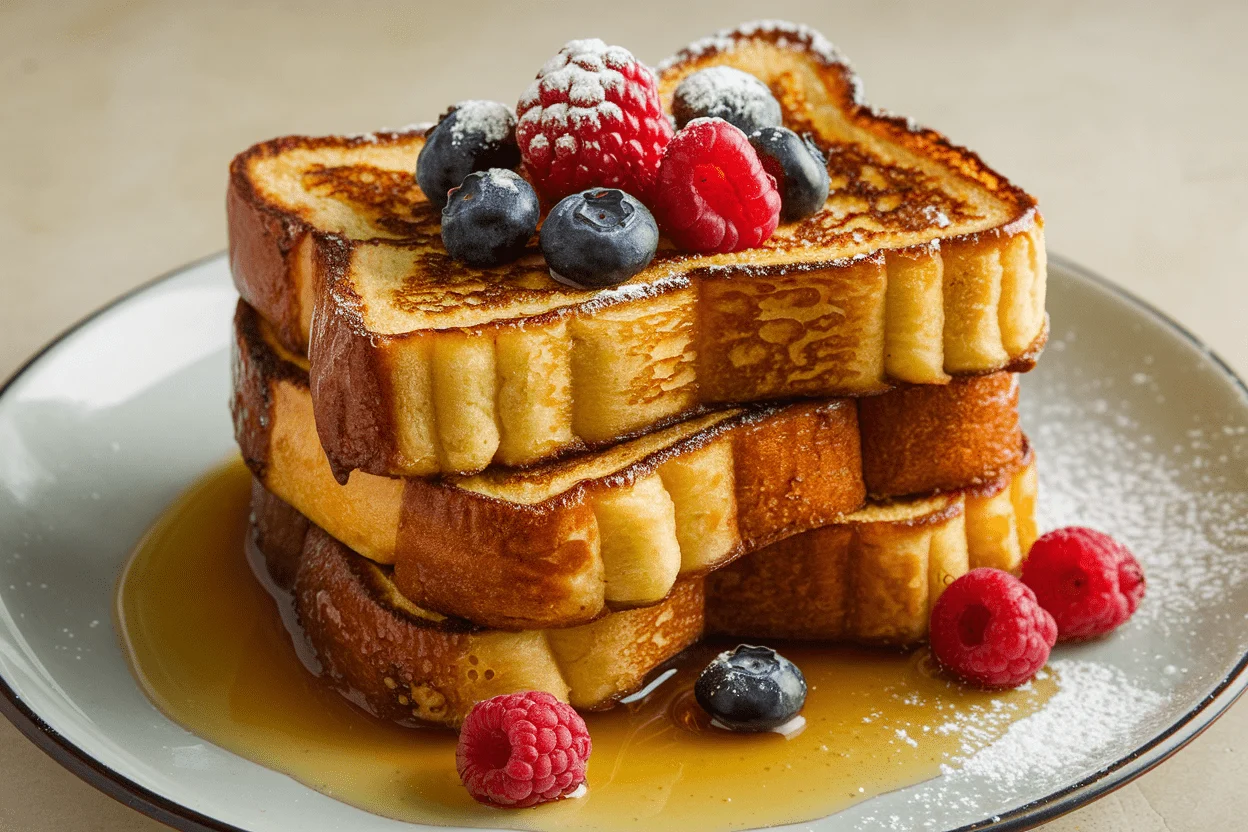
The Best French Toast Recipe You’ll Ever Cook: Crispy Edges, Custardy Center, Zero Regrets
👩🍳 The Home Chef's Essential Kitchen
Consistently cooking incredible, healthy meals at home is so much easier when you aren't fighting with cheap tools. These are the 5 absolute powerhouse kitchen essentials that professional chefs and serious home cooks rely on every single day to get perfect results.
🍳 Lodge 10.25" Cast Iron Skillet
The single greatest value in all of cookware. It retains heat infinitely better than cheap non-stick pans, allowing you to get a restaurant-quality crust on steaks or perfect crispy edges on cornbread. With proper care, this $20 pan will literally outlive you.
🔪 Victorinox Fibrox Pro 8" Chef's Knife
A dull knife makes cooking a frustrating chore. This specific blade is the undisputed champion of the culinary world—it holds a terrifyingly sharp edge, features a comfortable non-slip grip, and performs identical to German knives that cost quadruple the price.
🌡️ ThermoPro Instant Read Thermometer
Never serve dry chicken or undercooked pork again. An instant-read thermometer is the secret difference between amateur cooks who 'guess' when protein is done, and professionals who know exactly when to pull meat off the heat for maximum juiciness.
🍲 Lodge Enameled Cast Iron Dutch Oven
The ultimate workhorse for soups, stews, braised short ribs, and baking crusty artisanal bread. The enameled interior provides incredible heat distribution for slow-cooking while eliminating the intense seasoning maintenance required by bare cast iron.
🥄 Bpa-Free Silicone Utensil Set
Throw away those melting plastic spatulas and bacteria-harboring wooden spoons. This pure silicone set is heat-resistant up to 600°F, won't scratch your expensive pans, and features seamless designs that make cleaning out thick sauces and batters effortless.
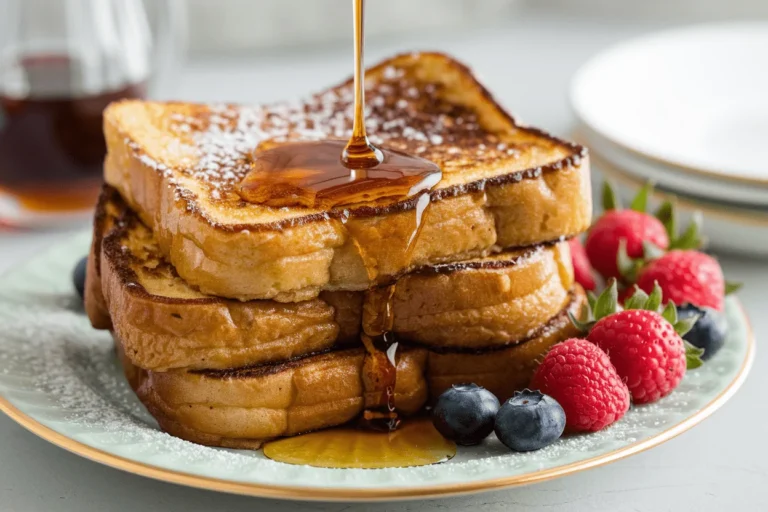
You want brunch that makes people stop talking and start nodding? This is it. No fluff, no “secret restaurant technique,” just a smarter way to turn bread, eggs, and a little heat into something you’ll brag about.
We’re talking golden, caramelized edges with a soft, custard-like middle that doesn’t collapse into soggy sadness. It’s fast, it’s repeatable, and it makes your kitchen smell like a tiny Parisian bakery. Ready to break a few hearts with a plate and a fork?
What Makes This Special
This recipe nails the texture trifecta: crispy, tender, and custardy.
The trick? A richer batter, the right bread, and controlled heat. No scorched outsides, no raw middles.
We balance sweetness and spice so the toast tastes amazing even without drowning it in syrup.
Think warm vanilla, a whisper of cinnamon, and a hint of orange that makes people say “what is that?” without overpowering the bread.
Finally, we use a quick rest after dipping so the custard absorbs evenly. It’s like marinating, but for breakfast. Minimal effort, maximum payoff—FYI, that’s the theme here.
What You’ll Need (Ingredients)
- Bread: 8 thick slices brioche or challah (about 3/4-inch thick).
Slightly stale is best.
- Eggs: 4 large
- Milk: 3/4 cup whole milk
- Heavy cream: 1/4 cup (for extra custard richness)
- Sugar: 2 tablespoons granulated, plus 1 tablespoon for optional caramelized finish
- Vanilla extract: 2 teaspoons
- Ground cinnamon: 1 teaspoon
- Fine salt: 1/4 teaspoon (don’t skip)
- Orange zest: 1/2 teaspoon (or 1 tablespoon orange liqueur; optional but elite)
- Butter: 2–3 tablespoons, for the pan
- Neutral oil: 1 tablespoon, to keep butter from burning
- Toppings: Warm maple syrup, powdered sugar, fresh berries, or a dollop of Greek yogurt
Step-by-Step Instructions
- Set up your station: Place a wire rack over a sheet pan for finished slices. Preheat a large nonstick skillet or griddle over medium heat.
- Make the custard: In a wide bowl, whisk eggs, milk, cream, sugar, vanilla, cinnamon, salt, and orange zest until smooth. No streaks of egg—commit to the whisk.
- Prep the bread: If your bread is fresh, let slices air-dry for 15–20 minutes or lightly toast them.
Slightly dry bread absorbs custard without falling apart.
- Dip with intention: Submerge each slice for 20–30 seconds per side. You want the center hydrated but not waterlogged. Let excess drip off.
- Rest briefly: Lay dipped slices on a plate for 1–2 minutes so the custard distributes evenly.
This prevents a wet core and scorched edges.
- Heat the pan: Add 1 teaspoon oil and 1/2 tablespoon butter. When butter foams but isn’t browning, you’re ready.
- Cook in batches: Add slices and cook 2–3 minutes per side until deep golden brown. Press lightly in the center; it should feel springy, not squishy.
- Optional caramelized finish: Sprinkle a pinch of sugar on the cooked top side, flip for 20–30 seconds to create a thin, glossy crust.
- Hold and serve: Move finished slices to the rack.
Keep warm in a 200°F (95°C) oven while you finish the rest.
- Top and eat: Add berries, a dusting of powdered sugar, and warm maple syrup. If you’re fancy, a 50/50 maple–brown butter drizzle is ridiculous (in a good way).
How to Store
Let leftovers cool on a wire rack so steam doesn’t make them soggy. Store in an airtight container in the fridge for up to 3 days.
For longer storage, freeze slices on a sheet pan until solid, then bag.
They’ll keep 1–2 months. Reheat in a 350°F (175°C) oven or toaster oven for 6–8 minutes until crisp.
Skip the microwave unless you like spongy sadness. You’ve worked too hard for that.
What’s Great About This
- Foolproof texture: Custardy middle with caramelized edges every time.
- Not too sweet: The batter is balanced so toppings shine without sugar overload.
- Scalable: Doubles easily for a crowd.
Brunch hero status unlocked.
- Make-ahead friendly: Cooks and freezes like a champ—IMO, perfect for busy mornings.
- Restaurant-level aroma: Vanilla, cinnamon, and citrus do half the entertaining for you.
What Not to Do
- Don’t use thin sandwich bread: It collapses and over-soaks. Thickness matters.
- Don’t crank the heat: High heat burns the outside and leaves the center raw. Medium is king.
- Don’t skip salt: A pinch makes every flavor pop.
It’s not optional.
- Don’t overcrowd the pan: Steam kills crispiness. Work in batches.
- Don’t forget to rest after dipping: It stabilizes the custard in the bread. Huge difference.
Recipe Variations
- Brown Sugar Brûlée: Swap granulated sugar for brown in the optional finish.
Adds molasses depth and a crackly top.
- Almond Joy: Add 1 teaspoon almond extract and top with toasted coconut and chopped dark chocolate.
- Espresso Buzz: Whisk 1 tablespoon cooled espresso into the custard and top with mascarpone and cocoa powder.
- Savory Switch: Omit sugar, vanilla, and cinnamon. Add 1/4 cup grated Parmesan and black pepper to the custard. Serve with smoked salmon and herbs.
- Protein Boost: Add 1 scoop unflavored collagen to the custard.
Texture stays silky, macros nudge up.
- Dairy-Free: Use full-fat coconut milk instead of milk and cream, and cook in coconut oil. Add orange zest to balance richness.
FAQ
What’s the best bread for French toast?
Brioche or challah, sliced thick. They’re rich, sturdy, and absorb custard without disintegrating.
Texas toast works in a pinch, but avoid flimsy sliced sandwich bread.
Can I make the batter the night before?
Yes. Whisk it, cover, and refrigerate up to 24 hours. Re-whisk before dipping because spices settle and the eggs separate a bit.
Why is my French toast soggy?
Usually over-soaking, bread that’s too soft, or heat that’s too low.
Use slightly stale thick slices, dip 20–30 seconds per side, and cook on medium heat to set the custard.
Do I need heavy cream?
No, but it gives a more luxurious texture. If you skip it, replace with whole milk. Avoid all-skim unless you enjoy “eggy bread lite.”
Can I bake French toast instead of pan-frying?
Yes.
Arrange dipped slices on a greased sheet, bake at 375°F (190°C) for 10–12 minutes, flip, and bake 6–8 minutes more. Finish under the broiler 30–60 seconds for color.
How do I keep French toast warm for a crowd?
Hold on a wire rack in a 200°F (95°C) oven. The rack keeps bottoms from steaming so the edges stay crisp.
Serve within 30–45 minutes for best texture.
Is the orange flavor strong?
No—it’s a subtle lift, not a creamsicle. If you’re citrus-shy, halve the zest or skip it. Vanilla and cinnamon can carry the show.
Can I make it gluten-free?
Sure.
Use a quality gluten-free brioche or thick-sliced GF loaf. The custard and method are unchanged. Texture will vary by brand, but it still slaps.
The Bottom Line
French toast isn’t about tricks; it’s about smart choices—the right bread, a balanced custard, and steady heat.
Do that, and you get the golden, custardy slices people remember. Keep a loaf of brioche on standby, and you’re one skillet away from legendary brunch—no reservations required.