This Old Bay Seasoning Recipe Slaps Harder Than Store-Bought — Make It Once, Never Look Back
👩🍳 The Home Chef's Essential Kitchen
Consistently cooking incredible, healthy meals at home is so much easier when you aren't fighting with cheap tools. These are the 5 absolute powerhouse kitchen essentials that professional chefs and serious home cooks rely on every single day to get perfect results.
🍳 Lodge 10.25" Cast Iron Skillet
The single greatest value in all of cookware. It retains heat infinitely better than cheap non-stick pans, allowing you to get a restaurant-quality crust on steaks or perfect crispy edges on cornbread. With proper care, this $20 pan will literally outlive you.
🔪 Victorinox Fibrox Pro 8" Chef's Knife
A dull knife makes cooking a frustrating chore. This specific blade is the undisputed champion of the culinary world—it holds a terrifyingly sharp edge, features a comfortable non-slip grip, and performs identical to German knives that cost quadruple the price.
🌡️ ThermoPro Instant Read Thermometer
Never serve dry chicken or undercooked pork again. An instant-read thermometer is the secret difference between amateur cooks who 'guess' when protein is done, and professionals who know exactly when to pull meat off the heat for maximum juiciness.
🍲 Lodge Enameled Cast Iron Dutch Oven
The ultimate workhorse for soups, stews, braised short ribs, and baking crusty artisanal bread. The enameled interior provides incredible heat distribution for slow-cooking while eliminating the intense seasoning maintenance required by bare cast iron.
🥄 Bpa-Free Silicone Utensil Set
Throw away those melting plastic spatulas and bacteria-harboring wooden spoons. This pure silicone set is heat-resistant up to 600°F, won't scratch your expensive pans, and features seamless designs that make cleaning out thick sauces and batters effortless.
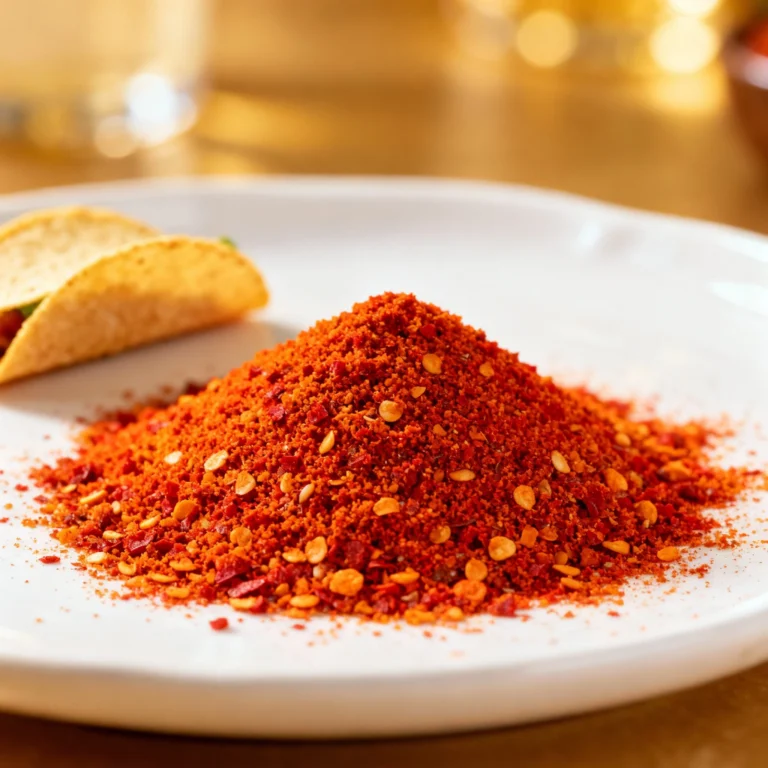
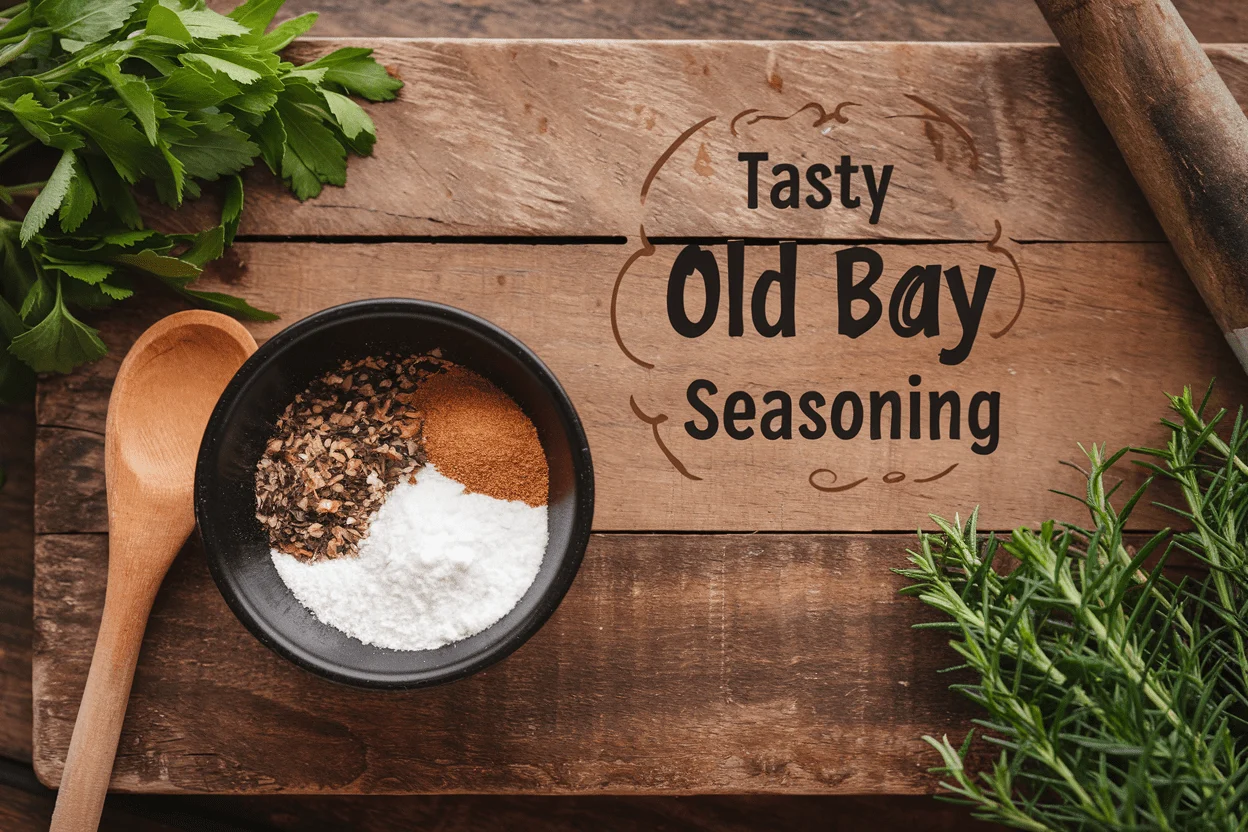
You could keep paying extra for a tiny tin of spice, or you could make a full jar at home that tastes brighter, better, and perfectly tailored to your taste buds. This old bay seasoning recipe brings that iconic, briny-heat, seafood-friendly magic—without the mystery or markup. It’s punchy, aromatic, and ready in five minutes with pantry staples you already own.
Want to level up crab, fries, shrimp, chowder, popcorn, even Bloody Marys? This is your cheat code.
What Makes This Special
Classic Old Bay is legendary, but homemade gives you control. You decide the heat, the salt, and how zingy you want the celery and mustard notes to hit.
It’s fresher because your spices haven’t been sitting in a warehouse for a year. Plus, you get a larger batch for pennies on the dollar—massive value without sacrificing flavor. And yes, it tastes like the real thing—just cleaner and more vibrant.
What Goes Into This Recipe – Ingredients
Yield: about 1 cup of seasoning (enough for many seafood feasts and then some).
- 2 tablespoons celery salt (or 1.5 tbsp fine salt + 1.5 tsp celery seed)
- 1 tablespoon smoked paprika (or sweet paprika + a pinch of smoked salt)
- 2 teaspoons sweet paprika (for color and body)
- 2 teaspoons ground mustard (dry mustard powder)
- 1.5 teaspoons ground black pepper
- 1.5 teaspoons ground white pepper (optional but classic for layered heat)
- 1 teaspoon ground bay leaves (see note below)
- 1 teaspoon ground ginger
- 1 teaspoon ground cinnamon
- 1 teaspoon ground allspice
- 1 teaspoon cardamom (or 1/2 tsp if you prefer subtler perfume)
- 1 teaspoon crushed red pepper flakes
- 1/2 teaspoon mace or nutmeg
- 1/2 teaspoon ground clove
- 1/2 teaspoon cayenne pepper (adjust to heat tolerance)
- 1/2 teaspoon ground coriander
- 1/2 teaspoon ground fenugreek (optional, adds savory depth)
- 1/2 teaspoon turmeric (optional, for color and earthiness)
- 1/2 teaspoon sugar (balances bitterness)
- 1/4 teaspoon ground mustard seed texture (optional, for a subtle pop)
Note on bay leaves: For best flavor, grind whole dried bay leaves in a spice grinder or mortar and pestle until very fine.
The aroma is next-level fresh compared to pre-ground.
Step-by-Step Instructions
- Grind the bay leaves first. Break into pieces and blitz to a fine powder. Bay is the secret backbone; don’t skip this step.
- Measure precisely. Add all spices to a medium bowl. Level off teaspoons and tablespoons for consistency batch-to-batch.
- Whisk like you mean it. Use a small whisk to combine until the color is uniform.
No streaks of paprika or pockets of salt.
- Taste a pinch. Place a grain or two on your tongue. Looking for a balanced hit of celery, warm spice, pepper, and a slow cayenne bloom. Adjust heat or salt now.
- Rest and marry. Let the blend sit 15–30 minutes before using so the aromatics bloom.
Smells like vacation near a crab pot.
- Jar it. Transfer to a clean, dry, airtight glass jar. Label with name and date because Future You will thank Present You.
- Use it smart. Start with 1–2 teaspoons per pound of protein, or 1 tablespoon in a quart of boiling water for seafood boils. Then adjust to taste.
Keeping It Fresh
- Store airtight and in the dark. Light and oxygen kill flavor.
A pantry or cupboard beats a countertop display every time.
- Avoid steam. Never shake the jar over a hot pot—moisture will clump your blend. Spoon out portions instead.
- Shelf life: 6 months peak. It’s safe longer, but the aromatics fade. If the smell doesn’t smack you when you open it, it’s time to refresh.
- Bulk strategy: Make smaller batches more often.
Benefits of This Recipe
- Custom heat and salt. Sensitive palate?
Dial down the cayenne. Love it spicy? Double it.
Boom—perfect for you.
- Cleaner ingredient list. No anti-caking agents, dyes, or hidden extras—just honest spices.
- Budget-friendly. One homemade batch costs about the same as a small tin and yields 3–4 times more, IMO a no-brainer.
- Multi-use workhorse. Seafood, yes—but also fries, roasted corn, chicken wings, crab cakes, deviled eggs, and snack mixes.
- Consistency for recipes. Once you dial your ratio, every boil, bake, and broil hits the mark.
What Not to Do
- Don’t skip bay or celery salt. They’re the signature notes. Without them, it’s just “paprika plus friends.”
- Don’t oversalt protein before using. This blend already includes salt via celery salt; avoid double-salting.
- Don’t use stale spices. Flat paprika and musty cloves will tank the entire batch. Smell-check before mixing.
- Don’t go shaker-to-steam. Moisture invites clumping and dulls flavor fast.
- Don’t assume more is better. It’s potent.
Season in layers and taste as you go.
Alternatives
- Low-sodium version: Swap celery salt for 2 teaspoons celery seed + 1 teaspoon fine salt. Adjust salt to taste later.
- Mild and kid-friendly: Omit cayenne and red pepper flakes; boost sweet paprika by 1 teaspoon.
- Smoky grill blend: Use all smoked paprika, add 1 teaspoon ground chipotle, and reduce cinnamon to 1/2 teaspoon.
- Citrus twist: Add 1 teaspoon dried lemon zest or 1 teaspoon citric acid for a briny-lemony pop (amazing on shrimp).
- Allergy-aware: If sensitive to mustard, cut it to 1/2 teaspoon and add 1/2 teaspoon ground cumin for warmth.
FAQ
Can I use whole spices instead of ground?
Yes—toast gently in a dry pan until fragrant, cool, then grind. Freshly ground black pepper, clove, and allspice are especially aromatic.
Just keep final texture fine so it distributes evenly.
What if I don’t have white pepper?
Skip it or add an extra 1/2 teaspoon black pepper. White pepper brings a sharp, quick heat, but the recipe still works without it.
How much should I use for a seafood boil?
Start with 1 tablespoon per quart of water, plus lemon slices and a splash of vinegar if you like tang. Taste the boil water—if it’s delicious, your seafood will be too.
Is this gluten-free?
Yes, as written it’s naturally gluten-free.
Just confirm your individual spice brands aren’t processed with additives if you’re extremely sensitive.
Can I make it sweeter or spicier?
For sweeter, bump sugar to 1 teaspoon and add an extra 1/2 teaspoon cinnamon. For spicier, double cayenne and red pepper flakes—or slip in 1/2 teaspoon ground chipotle for smoky heat.
What proteins does this pair with beyond seafood?
It’s stellar on chicken wings, roasted thighs, pork chops, grilled corn, fries, and even on scrambled eggs. Also wild on popcorn and rimmed on Bloody Mary glasses, FYI.
How do I grind bay leaves without a grinder?
Use a mortar and pestle, or crush in a zip-top bag with a rolling pin until very fine.
Sift out larger bits if needed.
Why add sugar?
Just a touch mellows bitterness from strong aromatics and rounds out the heat. You won’t taste “sweet,” but you’ll notice better balance.
Final Thoughts
This old bay seasoning recipe gives you that unmistakable coastal flavor with the power to tweak it exactly how you like. It’s quick, affordable, and instantly upgrades seafood, snacks, and weeknight dinners.
Make a jar, label it, and stash it where you’ll actually use it. Next crab night? You’ll be the hero with the secret blend everyone asks for—no tiny tin required.