Copycat Panda Express Chow Mein Recipe That Beats Takeout and Saves Your Wallet
👩🍳 The Home Chef's Essential Kitchen
Consistently cooking incredible, healthy meals at home is so much easier when you aren't fighting with cheap tools. These are the 5 absolute powerhouse kitchen essentials that professional chefs and serious home cooks rely on every single day to get perfect results.
🍳 Lodge 10.25" Cast Iron Skillet
The single greatest value in all of cookware. It retains heat infinitely better than cheap non-stick pans, allowing you to get a restaurant-quality crust on steaks or perfect crispy edges on cornbread. With proper care, this $20 pan will literally outlive you.
🔪 Victorinox Fibrox Pro 8" Chef's Knife
A dull knife makes cooking a frustrating chore. This specific blade is the undisputed champion of the culinary world—it holds a terrifyingly sharp edge, features a comfortable non-slip grip, and performs identical to German knives that cost quadruple the price.
🌡️ ThermoPro Instant Read Thermometer
Never serve dry chicken or undercooked pork again. An instant-read thermometer is the secret difference between amateur cooks who 'guess' when protein is done, and professionals who know exactly when to pull meat off the heat for maximum juiciness.
🍲 Lodge Enameled Cast Iron Dutch Oven
The ultimate workhorse for soups, stews, braised short ribs, and baking crusty artisanal bread. The enameled interior provides incredible heat distribution for slow-cooking while eliminating the intense seasoning maintenance required by bare cast iron.
🥄 Bpa-Free Silicone Utensil Set
Throw away those melting plastic spatulas and bacteria-harboring wooden spoons. This pure silicone set is heat-resistant up to 600°F, won't scratch your expensive pans, and features seamless designs that make cleaning out thick sauces and batters effortless.
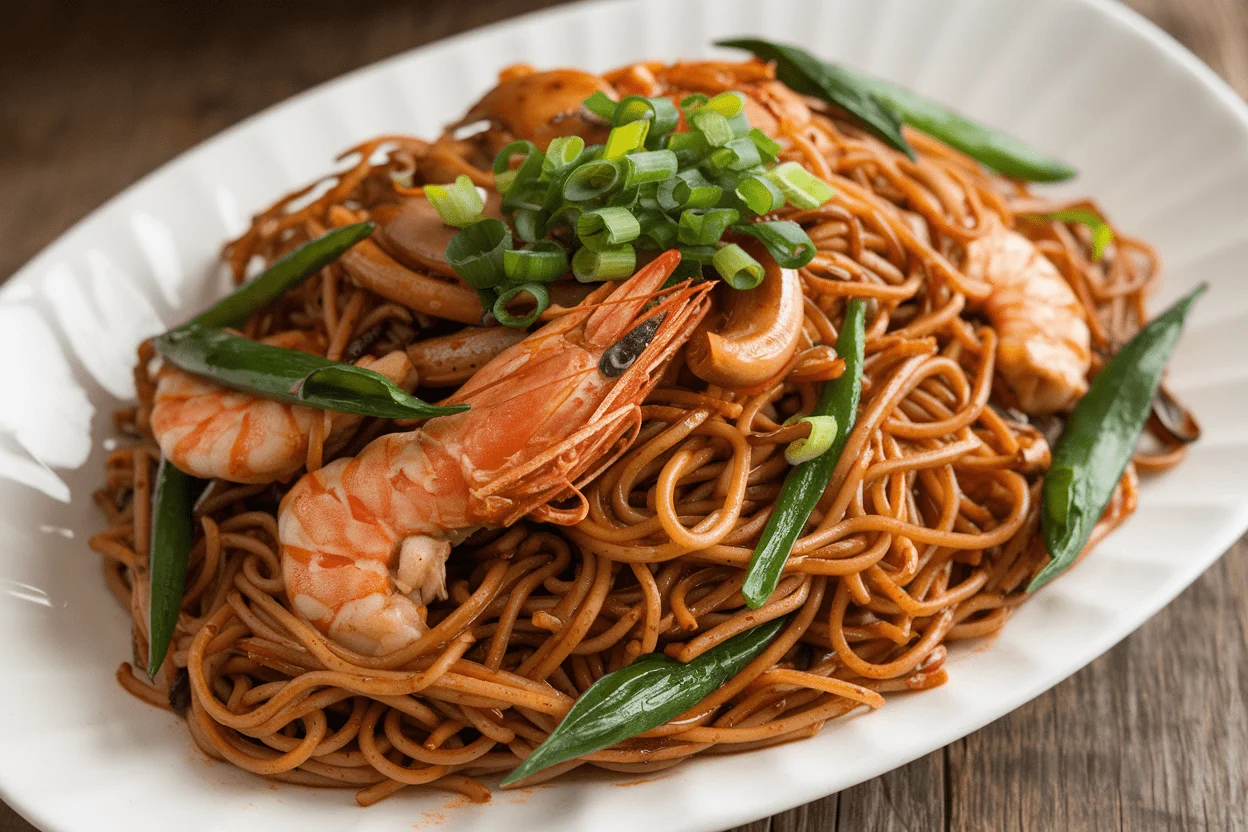
You know that moment when you promise “just veggies” but the Panda Express chow mein smell hijacks your brain? Same. Here’s the play: bring that glossy, garlicky noodle magic home in 20 minutes with pantry basics and zero mystery ingredients.
It’s fast, it’s cheaper than takeout, and the texture—chewy noodles, crisp-tender cabbage, sweet onion—is dangerously addictive. This version nails the flavor profile and fixes the usual problems (soggy noodles, greasy sauce). You’ll make this once and start planning “chow mein nights” like it’s your new personality.
Why This Recipe Works
- Stir-fry logic, simplified: High heat plus quick cooking keeps the veggies crisp and the noodles bouncy, not mushy.
- Sauce balance perfected: A tight trio—soy sauce, oyster sauce, and a touch of sugar—delivers that signature savory-sweet flavor without being salty overload.
- Right noodle, right chew: Using yakisoba (or par-cooked chow mein) gives you the same texture as the restaurant with no boiling drama.
- Layered aromatics: Garlic, ginger, and sesame oil at the end = big aroma without bitterness.
- Restaurant technique at home: Tossing noodles in oil before saucing prevents clumps and keeps the strands glossy.
Ingredients Breakdown
- 12–14 oz refrigerated yakisoba or chow mein noodles (pre-cooked, vacuum sealed; discard seasoning if included)
- 2 tbsp neutral oil (canola, avocado, or peanut for high-heat stir-fry)
- 1 small yellow onion, thinly sliced
- 2 cups green cabbage, shredded (Napa also works)
- 1 cup celery, thinly sliced on a bias (classic Panda vibe)
- 3 cloves garlic, minced
- 1 tsp fresh ginger, grated (optional but recommended)
- 2 tbsp low-sodium soy sauce
- 1 tbsp oyster sauce (key for umami depth)
- 1 tsp dark soy sauce (for color; optional)
- 1 tsp sugar (or honey)
- 1/2 tsp white pepper (classic takeout flavor)
- 1 tsp toasted sesame oil (finish only)
- 2–3 tbsp water (to loosen noodles, if needed)
- Optional add-ins: sliced green onions, bean sprouts, chili crisp, cooked chicken/shrimp/tofu
How to Make It – Instructions
- Prep the sauce: In a small bowl, whisk soy sauce, oyster sauce, dark soy (if using), sugar, and white pepper.
Set aside. Keep sesame oil separate for the finish.
- Loosen the noodles: If using refrigerated yakisoba, break them apart gently. If they’re stiff, sprinkle with 1–2 tbsp water and microwave 30 seconds to soften.
- Heat the pan properly: Use a large skillet or wok over medium-high until hot.
Add 1 tbsp oil and swirl.
- Stir-fry the aromatics: Add onion and celery. Cook 2–3 minutes until slightly tender but still crisp. Push to the edges.
- Cook the cabbage: Add another 1/2 tbsp oil if the pan looks dry.
Toss in the shredded cabbage and cook 1–2 minutes until just wilted.
- Garlic and ginger moment: Add garlic and ginger to the center. Stir 20–30 seconds until fragrant. Don’t burn it—bitter garlic ruins everything.
- Noodles in: Add noodles plus the remaining 1/2 tbsp oil.
Toss with tongs to coat and separate strands. If clumping, add 1–2 tbsp water and keep tossing.
- Sauce it: Pour the sauce around the pan edges (helps it reduce). Toss vigorously for 1–2 minutes until noodles are evenly coated and glossy.
- Finish: Remove from heat.
Drizzle sesame oil and toss. Taste and adjust with a splash more soy or a pinch of sugar if needed.
- Serve: Top with green onions or a spoon of chili crisp if you like heat. Devour immediately.
Storage Instructions
- Fridge: Store in an airtight container for up to 3 days.
Let it cool before sealing.
- Reheat: Best in a skillet with a splash of water or broth over medium heat, 2–3 minutes. Microwave works too—cover and stir halfway.
- Freezer: Not ideal. Noodles can turn mushy.
If you must, freeze up to 1 month and reheat from frozen in a hot pan.
Nutritional Perks
- Lighter than takeout: You control the oil and sodium—huge win.
- Fiber and crunch: Cabbage and celery add fiber, vitamins C and K, and that satisfying bite.
- Custom protein: Add tofu, chicken, or shrimp for a more balanced plate without wrecking the flavor.
- Energy-smart carbs: Chewy noodles give quick fuel for workouts or busy days, minus the heavy sauce overload.
Avoid These Mistakes
- Using the wrong noodles: Spaghetti isn’t chow mein. If you must substitute, par-cook thin wheat noodles until just shy of done and rinse briefly.
- Soggy vegetables: Overcrowded pan = steam bath. Cook hot and fast, and don’t be shy with the toss.
- Burning garlic: Add it last, cook seconds, not minutes.
Charred garlic tastes like regret.
- Over-saucing: Chow mein should be glossy, not swimming. You’re coating, not braising.
- Skipping the finish: Sesame oil at the end is the aroma hack. Don’t cook it; just finish with it.
Different Ways to Make This
- Classic Panda-style: Keep it simple—onion, cabbage, celery.
Add white pepper and a whisper of dark soy for color.
- Veggie-loaded: Toss in snow peas, carrots, and bean sprouts. Adjust sauce by 10–15% to coat the extra veg.
- Spicy edition: Add 1–2 tsp chili garlic sauce or a spoon of chili crisp when saucing. Heat lovers, this is your lane.
- Protein boost: Stir-fry thinly sliced chicken, steak, shrimp, or pressed tofu first.
Remove, make noodles, then toss back in at the end.
- Gluten-free hack: Use GF soy/tamari and rice ramen or GF stir-fry noodles. Texture changes slightly but flavor still slaps.
- Low-oil approach: Nonstick skillet and 1 tbsp oil total. Add a splash of broth to prevent sticking.
Still tasty, still glossy.
FAQ
Can I use regular dried noodles?
Yes. Boil thin wheat noodles until just shy of al dente, drain, rinse quickly to stop cooking, and toss with 1 tsp oil. Proceed with the recipe.
FYI, texture won’t be identical, but it’s close.
What if I don’t have oyster sauce?
Use 1 tsp hoisin plus 1/2 tsp fish sauce or add an extra 1/2 tbsp soy with a pinch of sugar. Oyster sauce brings umami and a hint of sweetness—worth grabbing next trip.
How do I keep the noodles from clumping?
Loosen cold noodles with a little water in the microwave first, then toss with oil in the pan before adding sauce. High heat and constant movement are your best friends.
Is this exactly like Panda Express?
It’s a faithful copycat: same savory profile, chewy noodles, and simple veg.
IMO, it’s cleaner-tasting and less greasy—but familiar enough to scratch the itch.
Can I make it ahead?
You can prep veggies and sauce up to 2 days ahead. Cook fresh for best texture. Cooked noodles reheat fine, but they lose a bit of springiness.
🍰 The Master Baker & Prep Kit
Baking is a science, and meal prep requires efficiency. If you want consistently flaky pie crusts, perfectly risen cakes, and healthy meals ready for the week, these are the 5 upgrade tools that take your execution to the next level.
⚖️ OXO Good Grips 11lb Food Scale
The secret to why bakery bread and cookies are always perfect while home batches vary wildly. Measuring by weight (grams) instead of volume (cups) guarantees precise hydration and flawlessly consistent results every single time you bake.
🧑🍳 KitchenAid Classic Stand Mixer
The undisputed holy grail of the kitchen. From aggressively kneading heavy pizza doughs to whipping meringues into stiff peaks, this powerful motor saves your arms from exhaustion and cuts your hands-on prep time in half.
🍪 Silpat Premium Silicone Baking Mats
Stop wasting money on rolls of parchment paper or agonizing over cookies permanently fused to your metal pans. These reusable, professional-grade silicone mats ensure completely even heat distribution and instantly release even the stickiest caramel.
🌪️ Braun MultiQuick Immersion Blender
The ultimate shortcut tool for creamy tomato soups, lump-free gravies, and rapid smoothies. Avoid the burns and mess of dangerously transferring boiling liquids in batches to a traditional blender by simply blending right inside your cooking pot.
🍱 Premium Glass Meal Prep Containers
If you want to bake and cook healthier, batch preparation is required. These durable glass containers transition safely from freezer to microwave, never absorb tomato sauce stains, and feature airtight seals to keep your hard work fresh all week.
In Conclusion
This panda express chow mein recipe gives you the takeout experience without the delivery fee or the “why is this so salty?” aftermath.
It’s fast, budget-friendly, and ridiculously repeatable. Master the heat, keep the veggies crisp, finish with sesame oil, and you’re golden. Next time the craving hits, your kitchen’s got the hookup.