Stop Ruining G&Ts: The Only Gin and Tonic Recipe You’ll Ever Need (Crisp, Cold, Perfect Every Time)
👩🍳 The Home Chef's Essential Kitchen
Consistently cooking incredible, healthy meals at home is so much easier when you aren't fighting with cheap tools. These are the 5 absolute powerhouse kitchen essentials that professional chefs and serious home cooks rely on every single day to get perfect results.
🍳 Lodge 10.25" Cast Iron Skillet
The single greatest value in all of cookware. It retains heat infinitely better than cheap non-stick pans, allowing you to get a restaurant-quality crust on steaks or perfect crispy edges on cornbread. With proper care, this $20 pan will literally outlive you.
🔪 Victorinox Fibrox Pro 8" Chef's Knife
A dull knife makes cooking a frustrating chore. This specific blade is the undisputed champion of the culinary world—it holds a terrifyingly sharp edge, features a comfortable non-slip grip, and performs identical to German knives that cost quadruple the price.
🌡️ ThermoPro Instant Read Thermometer
Never serve dry chicken or undercooked pork again. An instant-read thermometer is the secret difference between amateur cooks who 'guess' when protein is done, and professionals who know exactly when to pull meat off the heat for maximum juiciness.
🍲 Lodge Enameled Cast Iron Dutch Oven
The ultimate workhorse for soups, stews, braised short ribs, and baking crusty artisanal bread. The enameled interior provides incredible heat distribution for slow-cooking while eliminating the intense seasoning maintenance required by bare cast iron.
🥄 Bpa-Free Silicone Utensil Set
Throw away those melting plastic spatulas and bacteria-harboring wooden spoons. This pure silicone set is heat-resistant up to 600°F, won't scratch your expensive pans, and features seamless designs that make cleaning out thick sauces and batters effortless.
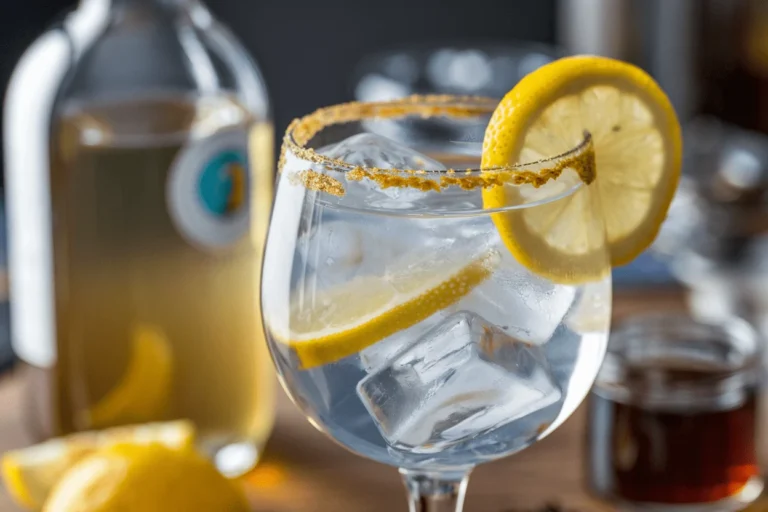
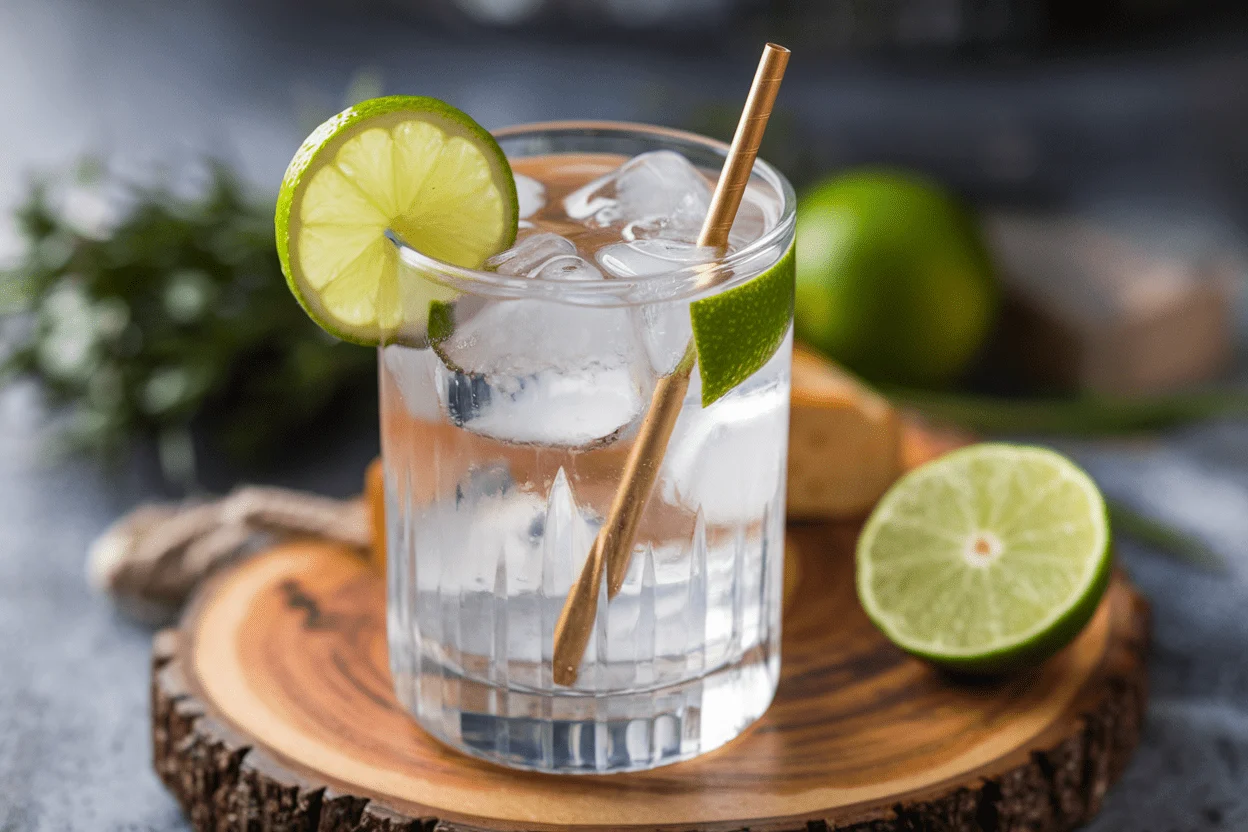
You can spot a great host by their gin and tonic. Not the one drowned in warm tonic and sad lime wedges—an icy, bright, razor-sharp G&T that snaps you awake. This is the cocktail that rewards precision and punishes sloppiness.
The ratio, the ice, the bubbles—each one is a lever. Pull them right, and you’ve got effortless sophistication in a highball. Want a 60-second path to “Whoa, who made this?” Let’s build that.
Why This Recipe Works
The G&T is a minimalist’s dream: only a few ingredients, but each one has a job. Cold, dense ice keeps dilution controlled, so you taste gin and bubbles—not a watered-down shrug. Quality tonic with real quinine gives depth, floral bitterness, and crisp sweetness, balancing the botanicals in your gin.
And the 2:4 ratio (gin to tonic) nails that sweet spot: assertive but refreshing.
We also focus on aroma-forward garnishes. The point isn’t to decorate; it’s to extend the gin’s botanicals. Lime with London dry, grapefruit with contemporary gins, rosemary with herbaceous bottles—each garnish amplifies what’s already there.
Finally, building directly in a chilled highball preserves carbonation, because flat tonic equals sadness.
Shopping List – Ingredients
- 2 ounces gin (London dry for classic; contemporary or citrus-forward for a modern twist)
- 4–5 ounces chilled tonic water (look for premium brands with natural quinine)
- Fresh ice (large, clear cubes preferred)
- Citrus garnish (lime wheel or wedge for classic; grapefruit peel for modern)
- Optional aromatics (rosemary sprig, cucumber ribbon, or lemon peel—choose one, don’t crowd)
Let’s Get Cooking – Instructions
- Chill your glass. Pop a highball or Collins glass in the freezer for 10 minutes. Cold glass, crisp drink.
- Prep your garnish. Slice a thin lime wheel or cut a grapefruit peel, avoiding too much pith. Keep it dry so bubbles don’t die on contact.
- Fill with ice—completely. Add large, fresh cubes all the way to the top.
More ice equals less dilution. Counterintuitive? Maybe.
Effective? Absolutely.
- Add the gin. Pour 2 ounces over the ice. Don’t eyeball it—use a jigger for consistency.
- Top with chilled tonic. Gently pour 4–5 ounces down the side of the glass or over a bar spoon to preserve carbonation.
- Give a minimal stir. One gentle turn with a long spoon.
You’re marrying, not muddling.
- Garnish with intention. Add your citrus wheel to the side of the glass or express your peel over the top and drop it in. If using herbs, slap the sprig to release oils first.
- Taste and adjust. Prefer softer? Add a splash more tonic.
Want snap? Keep it close to 1:2.
Storage Instructions
Don’t store a finished G&T. It dies fast.
The bubbles fade, the ice melts, and you’re left with regret. Instead, pre-chill your components: gin in the freezer, tonic in the fridge, glasses in the freezer. Keep garnishes prepped and dry in an airtight container up to one day.
If you’re batching for a party (FYI, not traditional), combine only the gin and a small amount of water to simulate dilution, chill in a bottle, and pour over fresh ice.
Top each glass with tonic right before serving. Never premix tonic.
Nutritional Perks
- Lower calorie than many cocktails. A standard G&T sits around 150–180 calories depending on tonic brand and ratio.
- Lower sugar if you choose light tonic. Diet or “light” tonics slash sugar while keeping quinine bite. Taste varies, but it’s a legit option.
- Gluten-free. Gin and tonic water are typically gluten-free.
Always check labels if you’re highly sensitive.
- Hydration-adjacent. There’s water in there, sure—but let’s not pretend this is a sports drink.
Common Mistakes to Avoid
- Warm tonic. Flatness begins at room temp. Always chill your tonic well.
- Too little ice. A few cubes melt faster and over-dilute. Fill the glass completely.
- Random garnishes. Don’t toss in fruit salad.
Pick one garnish that matches your gin profile.
- Over-stirring. You’re literally beating out carbonation. Stir once, gently.
- Cheap tonic. If it tastes like sweetened club soda, you’ll mask your gin. Use quality tonic with clear bitterness and clean fizz.
- Wrong glass. Wide tumblers bleed bubbles.
Use a tall highball or a Spanish copa glass packed with ice.
Different Ways to Make This
- Classic London Dry G&T: 2 oz London dry gin, 4–5 oz tonic, lime wedge. Clean, juniper-forward, timeless.
- Citrus Burst: Use a citrus-forward gin; garnish with grapefruit peel and a tiny squeeze of grapefruit juice. Bright and brunch-friendly.
- Herb Garden: Pair an herbal gin with a slapped rosemary sprig and lemon peel.
Savory, aromatic, perfect with roasted almonds.
- Cucumber Chill: Add a long cucumber ribbon and a crack of black pepper. Spa day energy without the robe.
- Spice Route: Express an orange peel and add a thin ginger slice. Zippy, warming, and wildly sippable.
- Low-ABV Mode: 1 oz gin to 5 oz tonic.
Same flavor arc, easier pace. IMO, great for long afternoons.
- Zero-Proof Swap: Use a quality non-alcoholic “gin” with premium tonic. Keep the ritual, skip the buzz.
FAQ
What’s the best gin for a gin and tonic?
For classic vibes, choose a London dry like Tanqueray, Beefeater, or Sipsmith—clean juniper and citrus that cut through tonic.
If you like softer, modern profiles, go for gins with grapefruit, yuzu, or floral notes. Match the gin to your garnish for a cohesive flavor story.
Which tonic should I buy?
Look for premium brands with natural quinine and balanced sweetness. Fever-Tree, Q, and Fentimans are reliable.
If you prefer less sugar, grab a light version—but check that it still has a pleasant bitterness and tight bubbles.
What’s the ideal ratio?
A strong starting point is 1:2 (2 oz gin to 4 oz tonic). For a lighter highball, go 1:2.5 or 1:3. Adjust based on glass size, ice, and gin intensity.
The rule: you should taste the gin’s botanicals clearly, not whispering from the corner.
Do I have to use a lime?
Nope. Lime is classic, but not mandatory. Grapefruit peel, lemon peel, or a rosemary sprig can be better fits for certain gins.
Choose one garnish that complements the bottle, not fights it.
Can I make it in a copa glass?
Absolutely. A copa (Spanish balloon) glass packs in lots of ice and traps aroma—great for sipping and smelling. Just don’t over-garnish; you’re making a drink, not a terrarium.
Why does my G&T taste watery?
Likely culprits: not enough ice, warm tonic, or too much stirring.
Use a chilled glass, fill with large ice, and pour tonic gently. Also, watch your ratio—too much tonic will flatten the gin.
Is there a difference between tonic and club soda?
Yes, a big one. Tonic has quinine and sweetness for bitterness and balance.
Club soda is just carbonated mineral water—no bitterness. Swap it in, and you’ve made a gin rickey, not a G&T.
Can I batch a gin and tonic for parties?
Batch the gin and water for dilution, chill, and pour over ice. Then top each glass with tonic right before serving.
Premixing tonic into a batch kills carbonation faster than you can say “flat.”
Final Thoughts
The gin and tonic is proof that simple doesn’t mean basic. With cold gear, solid tonic, and a smart garnish, you can build a bar-quality drink in under a minute. Respect the bubbles, measure the pour, and keep the ice high.
The result? A razor-clean, refreshing G&T that makes you look like you know exactly what you’re doing—because you do. Cheers to better highballs and zero compromises.