Pickled Green Beans Recipe: Crunchy, Tangy, and Wickedly Addictive!
👩🍳 The Home Chef's Essential Kitchen
Consistently cooking incredible, healthy meals at home is so much easier when you aren't fighting with cheap tools. These are the 5 absolute powerhouse kitchen essentials that professional chefs and serious home cooks rely on every single day to get perfect results.
🍳 Lodge 10.25" Cast Iron Skillet
The single greatest value in all of cookware. It retains heat infinitely better than cheap non-stick pans, allowing you to get a restaurant-quality crust on steaks or perfect crispy edges on cornbread. With proper care, this $20 pan will literally outlive you.
🔪 Victorinox Fibrox Pro 8" Chef's Knife
A dull knife makes cooking a frustrating chore. This specific blade is the undisputed champion of the culinary world—it holds a terrifyingly sharp edge, features a comfortable non-slip grip, and performs identical to German knives that cost quadruple the price.
🌡️ ThermoPro Instant Read Thermometer
Never serve dry chicken or undercooked pork again. An instant-read thermometer is the secret difference between amateur cooks who 'guess' when protein is done, and professionals who know exactly when to pull meat off the heat for maximum juiciness.
🍲 Lodge Enameled Cast Iron Dutch Oven
The ultimate workhorse for soups, stews, braised short ribs, and baking crusty artisanal bread. The enameled interior provides incredible heat distribution for slow-cooking while eliminating the intense seasoning maintenance required by bare cast iron.
🥄 Bpa-Free Silicone Utensil Set
Throw away those melting plastic spatulas and bacteria-harboring wooden spoons. This pure silicone set is heat-resistant up to 600°F, won't scratch your expensive pans, and features seamless designs that make cleaning out thick sauces and batters effortless.
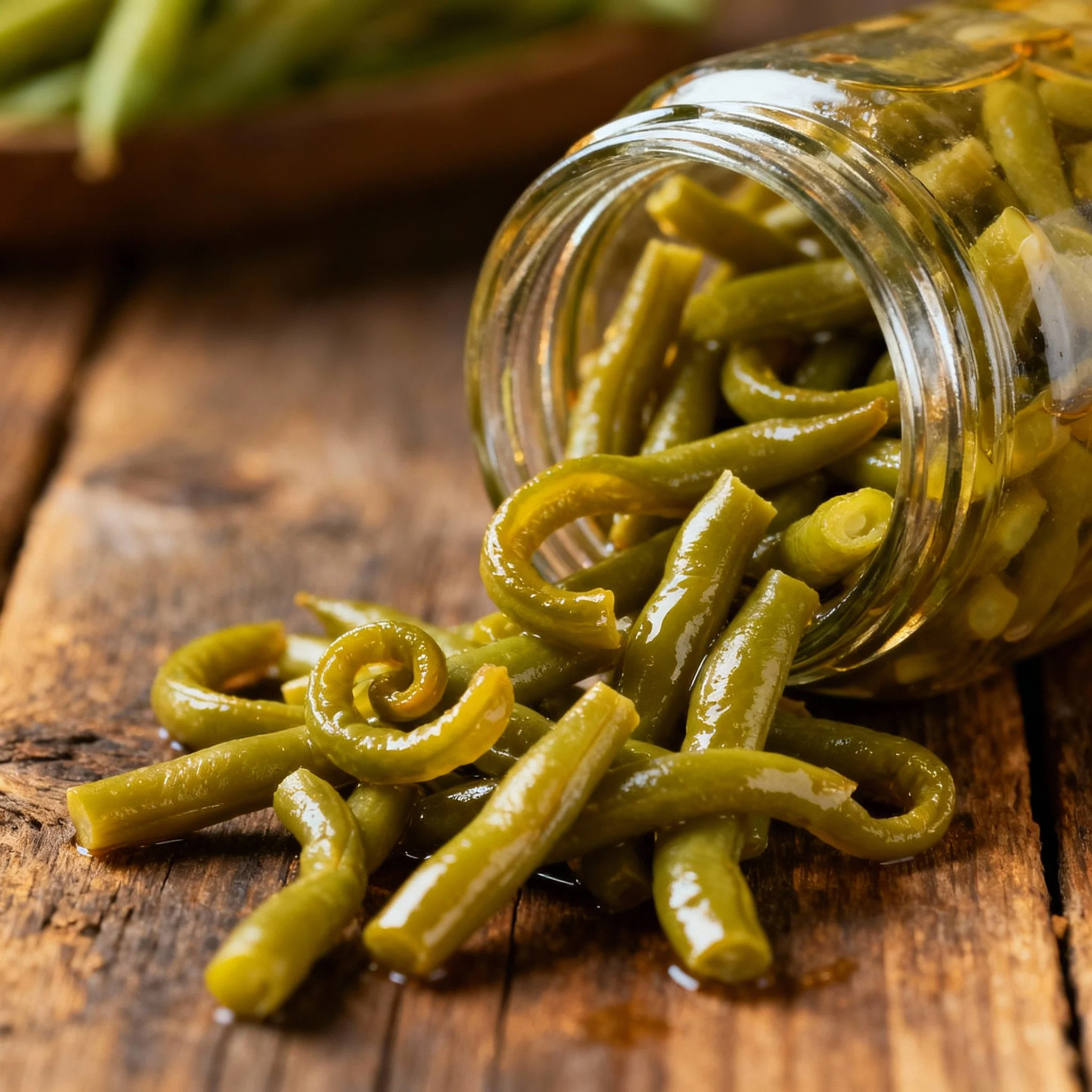
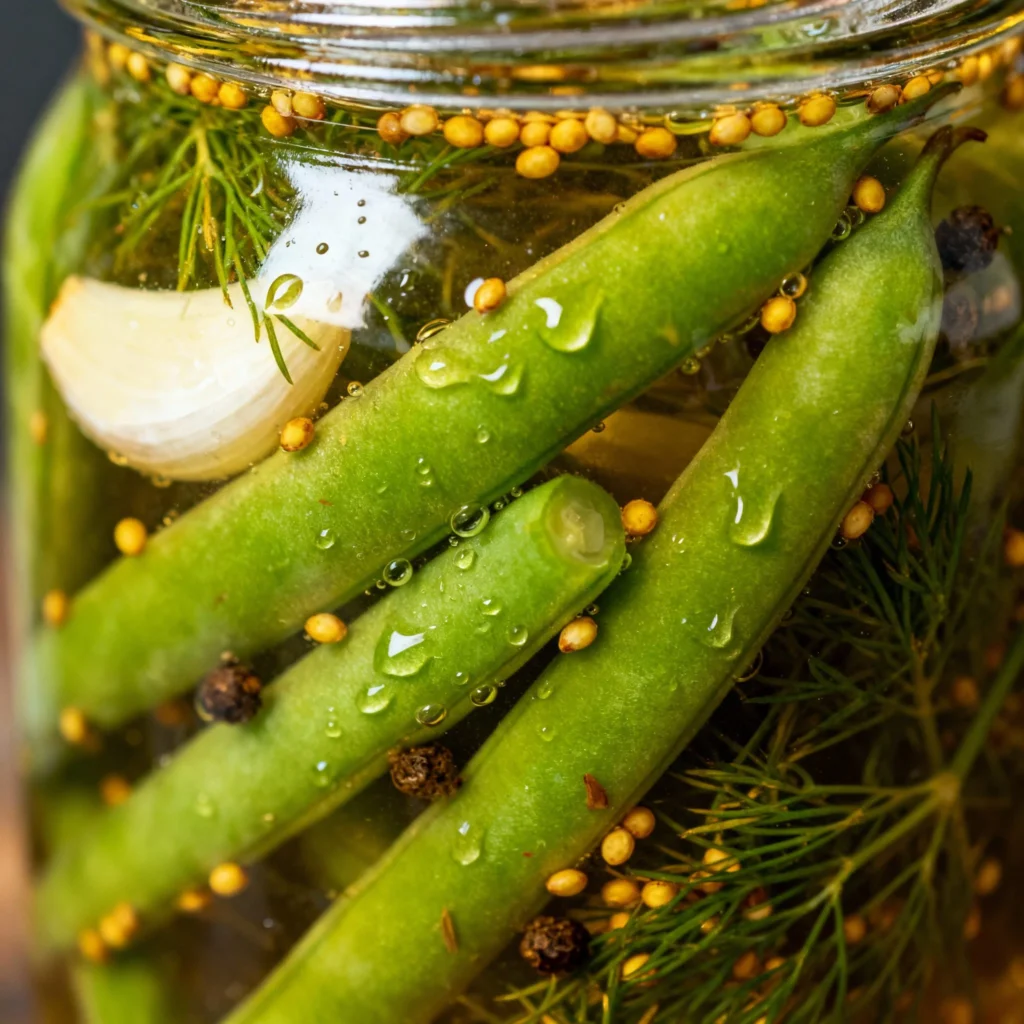
Pickled green beans, also affectionately known as “dilly beans,” are a delightful and versatile condiment. They offer a satisfying crunch, a tangy bite, and a hint of herbaceousness that elevates everything from charcuterie boards to Bloody Marys. Forget the limp, lifeless pickles you find in the grocery store – these homemade pickled green beans are bursting with flavor and are surprisingly easy to make. This recipe provides a simple, reliable method for creating perfectly crisp and flavorful pickled green beans that you’ll be proud to share (or hoard for yourself!). Get ready to transform ordinary green beans into a culinary star!
Why This Recipe Works
This recipe is designed for both beginners and seasoned picklers. Here’s why it’s so successful:
- Brine Balance: The ratio of vinegar, water, and salt is carefully calibrated to create a brine that’s both tangy and preservative, ensuring optimal flavor and longevity.
- Spice Infusion: The combination of garlic, dill, peppercorns, and red pepper flakes (optional) infuses the beans with a complex and aromatic flavor profile that’s far superior to commercially produced versions.
- Crispness is Key: Blanching the green beans briefly before pickling helps to set their color and maintain their crisp texture throughout the pickling process.
- Proper Canning Technique: This recipe utilizes a hot water bath canning method, which ensures a proper seal and prevents spoilage, allowing you to enjoy your pickled green beans for months to come. (Note: This recipe assumes basic knowledge of canning safety. Always consult reliable sources for updated canning guidelines.)
Ingredients
- 1 pound fresh green beans, trimmed
- 3 cups white vinegar (5% acidity)
- 3 cups water
- 1/4 cup pickling salt (do not use iodized salt)
- 6 cloves garlic, peeled and smashed
- 6 sprigs fresh dill
- 1 tablespoon black peppercorns
- 1 teaspoon red pepper flakes (optional, for heat)
- Pinch of mustard seeds (optional)
Instructions
- Prepare the Jars: Wash six pint-sized canning jars and lids in hot, soapy water. Rinse well and sterilize the jars by placing them in a boiling water bath for 10 minutes. Keep the jars hot until ready to use. Sterilize the lids and rings according to the manufacturer’s instructions.
- Blanch the Green Beans: Bring a large pot of water to a rolling boil. Add the trimmed green beans and blanch for 2-3 minutes, until bright green and slightly tender-crisp.
- Shock the Beans: Immediately transfer the blanched green beans to an ice bath to stop the cooking process. This will help them retain their crispness. Drain well.
- Prepare the Brine: In a large, non-reactive saucepan (stainless steel or enamel), combine the white vinegar, water, and pickling salt. Bring to a boil over medium-high heat, stirring until the salt is completely dissolved.
- Assemble the Jars: Place one clove of smashed garlic, one sprig of dill, a pinch of peppercorns, and a pinch of red pepper flakes (if using) in the bottom of each sterilized jar.
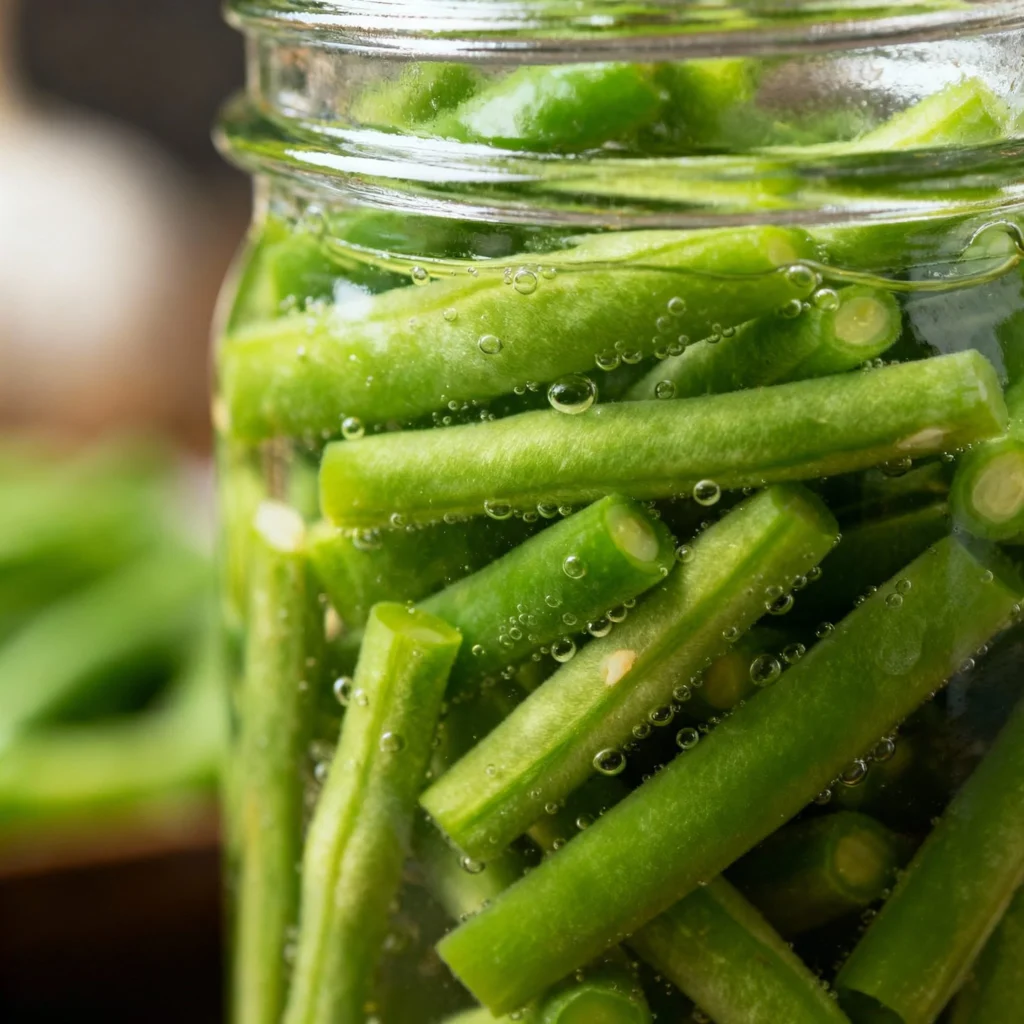
- Pack the Jars: Pack the blanched green beans tightly into the jars, leaving about 1/2 inch of headspace (the space between the top of the beans and the rim of the jar).
- Pour the Brine: Carefully pour the hot brine over the green beans in each jar, leaving 1/2 inch of headspace. Use a non-metallic utensil (like a plastic knife or bubble popper) to remove any air bubbles trapped in the jars.
- Wipe the Rims: Wipe the rims of the jars with a clean, damp cloth to ensure a good seal.
- Place the Lids and Rings: Place the sterilized lids on the jars and screw on the rings until fingertip tight (not too tight, not too loose).
- Process in a Boiling Water Bath: Carefully lower the filled jars into a boiling water bath canner, ensuring that the water covers the jars by at least 1 inch. Bring the water back to a rolling boil.
- Process the Jars: Process the jars for 10 minutes. Adjust processing time for altitude, if necessary. Refer to a reliable canning guide for specific altitude adjustments.
- Cool and Check Seals: Turn off the heat and carefully remove the jars from the canner using a jar lifter. Place them on a towel-lined surface to cool completely, undisturbed, for 12-24 hours.
- Check the Seals: After cooling, check the seals of the jars. The lids should be concave and should not flex when pressed in the center. If a jar is not properly sealed, refrigerate it immediately and consume within a few weeks.
- Label and Store: Label the jars with the date and contents. Store in a cool, dark place for at least 2 weeks before opening to allow the flavors to develop.
Tips for Success
- Use Fresh, Firm Green Beans: The quality of your green beans will directly impact the final product. Choose beans that are bright green, firm, and free from blemishes.
- Don’t Overcrowd the Jars: Packing the jars too tightly can prevent the brine from circulating properly and can lead to spoilage.
- Maintain Headspace: Proper headspace is essential for creating a vacuum seal.
- Use Pickling Salt: Pickling salt is pure sodium chloride and does not contain iodine or anti-caking agents, which can darken the brine and affect the flavor.
- Adjust Spices to Your Liking: Feel free to experiment with different spices and herbs to customize the flavor of your pickled green beans. Consider adding mustard seeds, coriander seeds, or even a bay leaf.
- Be Patient: The flavors of the pickled green beans will continue to develop over time. Allow them to sit for at least 2 weeks before opening for the best flavor.
- Canning Safety First: Always follow proper canning procedures to ensure the safety of your pickled green beans. Consult reliable canning resources for updated guidelines and information.
Storage Instructions
Properly sealed and processed pickled green beans can be stored in a cool, dark place for up to one year. Once opened, refrigerate the jar and consume within a few weeks.
FAQ
- Can I use frozen green beans? While fresh green beans are highly recommended for the best texture and flavor, frozen green beans can be used in a pinch. However, they may not be as crisp as fresh beans. Thaw and drain the frozen beans thoroughly before blanching.
- Can I use a different type of vinegar? While white vinegar is the most common choice, you can experiment with other types of vinegar, such as apple cider vinegar. Keep in mind that the flavor of the vinegar will affect the final taste of the pickled green beans.
- Do I have to use a boiling water bath canner? Yes, for long-term storage, a boiling water bath canner is necessary to ensure a proper seal and prevent spoilage.
- What if a jar doesn’t seal? If a jar does not seal properly, refrigerate it immediately and consume within a few weeks. You can also reprocess the jar with a new lid, but the quality may be slightly affected.
- Why are my pickled green beans soft? Several factors can contribute to soft pickled green beans, including over-blanching, using old or soft green beans, or improper brine concentration.
🍰 The Master Baker & Prep Kit
Baking is a science, and meal prep requires efficiency. If you want consistently flaky pie crusts, perfectly risen cakes, and healthy meals ready for the week, these are the 5 upgrade tools that take your execution to the next level.
⚖️ OXO Good Grips 11lb Food Scale
The secret to why bakery bread and cookies are always perfect while home batches vary wildly. Measuring by weight (grams) instead of volume (cups) guarantees precise hydration and flawlessly consistent results every single time you bake.
🧑🍳 KitchenAid Classic Stand Mixer
The undisputed holy grail of the kitchen. From aggressively kneading heavy pizza doughs to whipping meringues into stiff peaks, this powerful motor saves your arms from exhaustion and cuts your hands-on prep time in half.
🍪 Silpat Premium Silicone Baking Mats
Stop wasting money on rolls of parchment paper or agonizing over cookies permanently fused to your metal pans. These reusable, professional-grade silicone mats ensure completely even heat distribution and instantly release even the stickiest caramel.
🌪️ Braun MultiQuick Immersion Blender
The ultimate shortcut tool for creamy tomato soups, lump-free gravies, and rapid smoothies. Avoid the burns and mess of dangerously transferring boiling liquids in batches to a traditional blender by simply blending right inside your cooking pot.
🍱 Premium Glass Meal Prep Containers
If you want to bake and cook healthier, batch preparation is required. These durable glass containers transition safely from freezer to microwave, never absorb tomato sauce stains, and feature airtight seals to keep your hard work fresh all week.
Conclusion
Pickled green beans are a fantastic addition to any pantry. They’re easy to make, incredibly versatile, and offer a satisfying crunch and tangy flavor that’s hard to resist. With this recipe, you can create your own batch of wickedly addictive dilly beans that will impress your friends and family. So, grab some fresh green beans and get pickling! You won’t regret it.