Salt Rising Bread Recipe: The Appalachian Heirloom You Need to Try
👩🍳 The Home Chef's Essential Kitchen
Consistently cooking incredible, healthy meals at home is so much easier when you aren't fighting with cheap tools. These are the 5 absolute powerhouse kitchen essentials that professional chefs and serious home cooks rely on every single day to get perfect results.
🍳 Lodge 10.25" Cast Iron Skillet
The single greatest value in all of cookware. It retains heat infinitely better than cheap non-stick pans, allowing you to get a restaurant-quality crust on steaks or perfect crispy edges on cornbread. With proper care, this $20 pan will literally outlive you.
🔪 Victorinox Fibrox Pro 8" Chef's Knife
A dull knife makes cooking a frustrating chore. This specific blade is the undisputed champion of the culinary world—it holds a terrifyingly sharp edge, features a comfortable non-slip grip, and performs identical to German knives that cost quadruple the price.
🌡️ ThermoPro Instant Read Thermometer
Never serve dry chicken or undercooked pork again. An instant-read thermometer is the secret difference between amateur cooks who 'guess' when protein is done, and professionals who know exactly when to pull meat off the heat for maximum juiciness.
🍲 Lodge Enameled Cast Iron Dutch Oven
The ultimate workhorse for soups, stews, braised short ribs, and baking crusty artisanal bread. The enameled interior provides incredible heat distribution for slow-cooking while eliminating the intense seasoning maintenance required by bare cast iron.
🥄 Bpa-Free Silicone Utensil Set
Throw away those melting plastic spatulas and bacteria-harboring wooden spoons. This pure silicone set is heat-resistant up to 600°F, won't scratch your expensive pans, and features seamless designs that make cleaning out thick sauces and batters effortless.
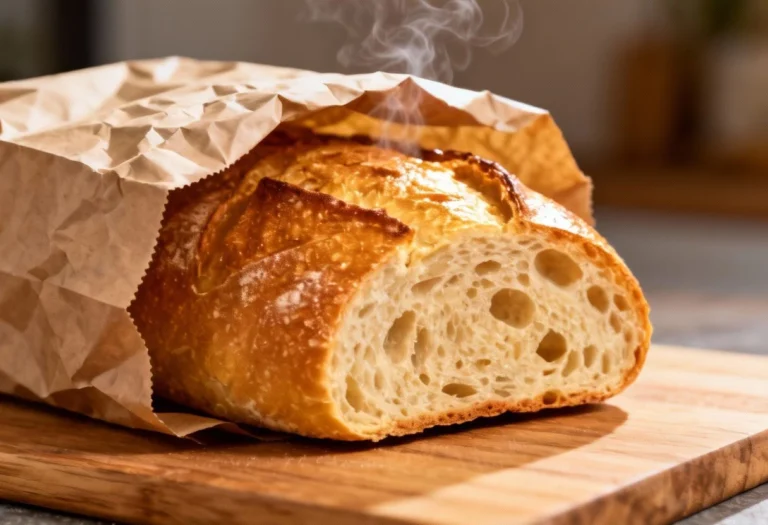
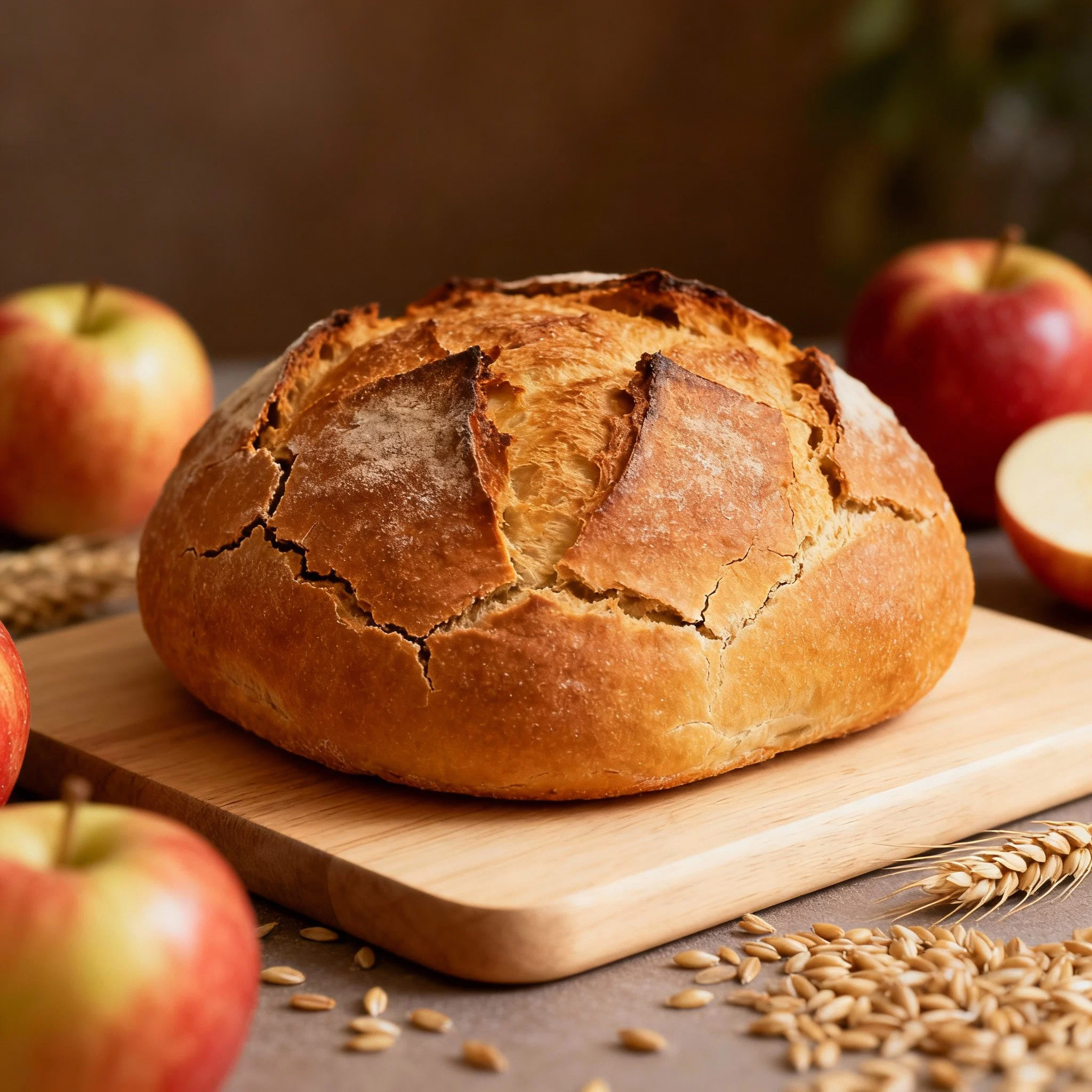
Salt rising bread. The name itself conjures images of pioneer kitchens, wood-fired ovens, and the comforting aroma of a unique, almost cheese-like bread baking slowly to golden perfection. Unlike its sourdough cousin, salt rising bread doesn’t rely on commercial yeast or a sourdough starter. Instead, it harnesses the power of naturally occurring bacteria to create a distinctive flavor and texture unlike any other bread you’ve tasted. It’s a little finicky, a little unpredictable, but oh-so-rewarding when you nail it. This recipe demystifies the process, guiding you through each step to create a loaf of authentic Appalachian salt rising bread that you’ll be proud to share (or keep all to yourself!).
Why This Recipe Works
Many salt rising bread recipes are shrouded in mystery, passed down through generations with vague instructions. This recipe aims to provide clarity and control, while still respecting the traditional methods. Here’s why it works:
- Controlled Starter Environment: We use a specific temperature range to encourage the growth of the desired bacteria and prevent unwanted organisms from taking over.
- Nutrient-Rich Medium: The combination of milk, cornmeal, and potato provides the perfect food source for the bacteria to thrive.
- Careful Monitoring: The recipe emphasizes the importance of observing the starter’s progress, looking for signs of activity and adjusting accordingly.
- Proper Dough Hydration: Achieving the right dough consistency is crucial for a good rise and texture. This recipe provides clear guidelines for adding flour gradually.
- Patient Baking: A low and slow bake allows the bread to fully develop its flavor and texture without burning.
Ingredients
- Starter:
- 1 cup whole milk (not ultra-pasteurized)
- 1/4 cup cornmeal (stone-ground preferred)
- 1/4 cup diced potato (peeled)
- 1/4 teaspoon sugar
- Pinch of baking soda (optional, can help kickstart activity)
- Dough:
- 1 cup warm water (105-115°F)
- 2 tablespoons melted butter or lard
- 1 teaspoon salt
- 3-4 cups all-purpose flour (or bread flour), plus more for dusting
Instructions
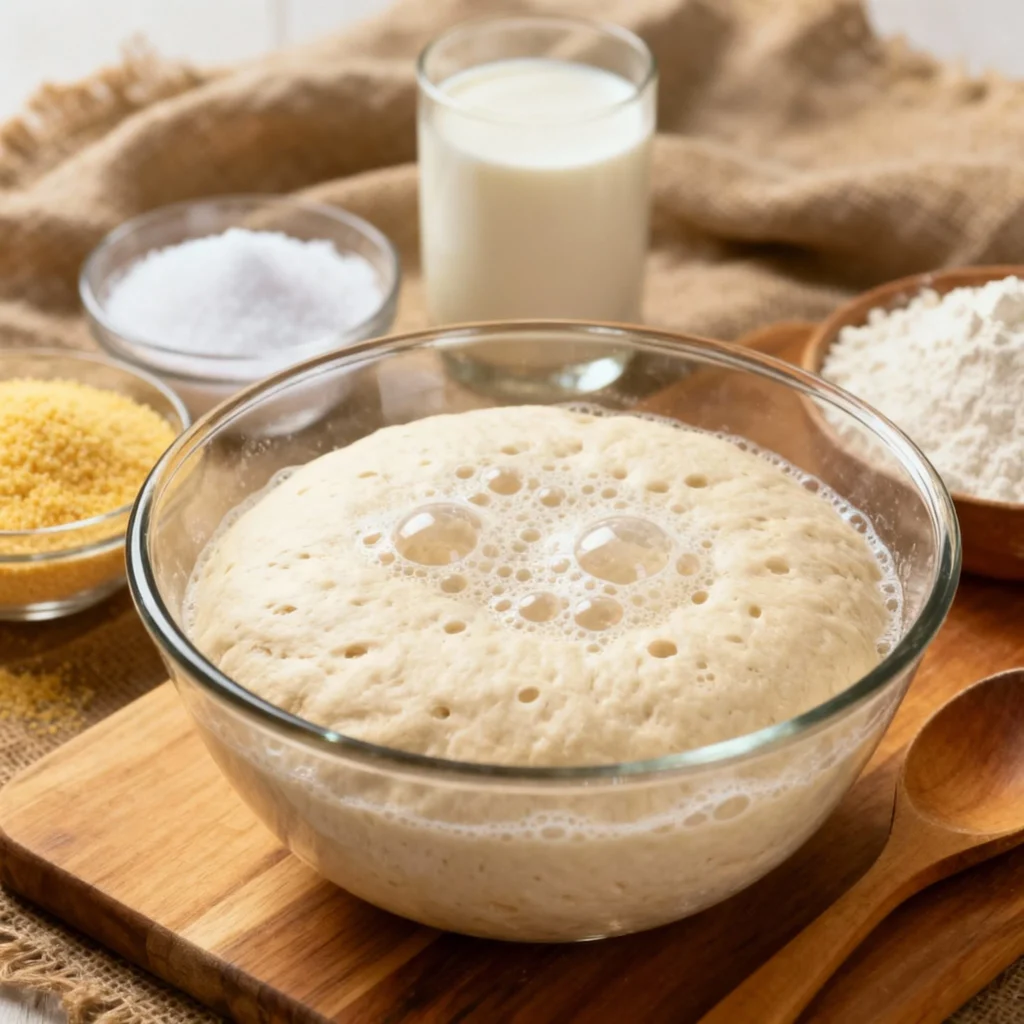
- Prepare the Starter: In a clean quart jar or heat-safe bowl, combine the milk, cornmeal, potato, sugar, and baking soda (if using). Stir well.
- Incubate the Starter: This is the most crucial step. You need to keep the starter consistently warm (around 100-110°F) for 12-24 hours. There are several ways to do this:
- Oven Method: Turn your oven on to its lowest setting for a few minutes, then turn it off. Place the jar in the oven and check the temperature frequently. You may need to repeat the heating process periodically.
- Yogurt Maker: A yogurt maker provides a consistent and reliable temperature.
- Heating Pad: Wrap a heating pad around the jar, setting it to low. Be careful not to overheat the starter.
- Warm Water Bath: Place the jar in a bowl of warm water, replacing the water as needed to maintain the temperature.
- Observe the Starter: Over the next 12-24 hours, the starter should become bubbly, frothy, and have a slightly cheesy or pungent smell. It should also increase in volume. The exact timing will vary depending on the temperature and the activity of the bacteria. If you don’t see any activity after 24 hours, try adding another pinch of sugar and continuing the incubation.
- Prepare the Dough: Once the starter is active, pour it into a large mixing bowl. Add the warm water, melted butter (or lard), and salt.
- Add the Flour: Gradually add the flour, one cup at a time, mixing well after each addition. The dough should be sticky but manageable. You may not need all 4 cups of flour.
- Knead the Dough: Turn the dough out onto a lightly floured surface and knead for 5-7 minutes, until it becomes smooth and elastic. Alternatively, you can knead the dough in a stand mixer with a dough hook for 5 minutes.
- First Rise: Place the dough in a lightly oiled bowl, turning to coat. Cover with plastic wrap or a clean kitchen towel and let rise in a warm place for 1-2 hours, or until doubled in size.
- Shape the Loaf: Gently punch down the dough and shape it into a loaf. Place the loaf in a greased 9×5 inch loaf pan.
- Second Rise: Cover the loaf pan with plastic wrap or a clean kitchen towel and let rise in a warm place for 30-60 minutes, or until the dough reaches the top of the pan.
- Bake the Bread: Preheat oven to 300°F (150°C). Bake for 50-60 minutes, or until the loaf is golden brown and sounds hollow when tapped on the bottom. The internal temperature should be around 200°F (93°C).
- Cool the Bread: Remove the loaf from the pan and let it cool completely on a wire rack before slicing and serving. This is important to allow the bread to set properly.
Tips for Success
- Temperature is Key: Maintaining a consistent temperature during the starter incubation is crucial. Invest in a reliable thermometer to monitor the temperature.
- Don’t Overheat: While warmth is important, overheating the starter can kill the bacteria.
- Use Fresh Ingredients: Fresh milk and potatoes will give you the best results.
- Be Patient: Salt rising bread requires patience. Don’t rush the process.
- Trust Your Senses: Pay attention to the smell and appearance of the starter. It will tell you if it’s working properly.
- Adjust as Needed: Every batch of salt rising bread is unique. Don’t be afraid to adjust the recipe based on your observations. If the dough is too wet, add more flour. If the starter is not active, try adding more sugar or baking soda.
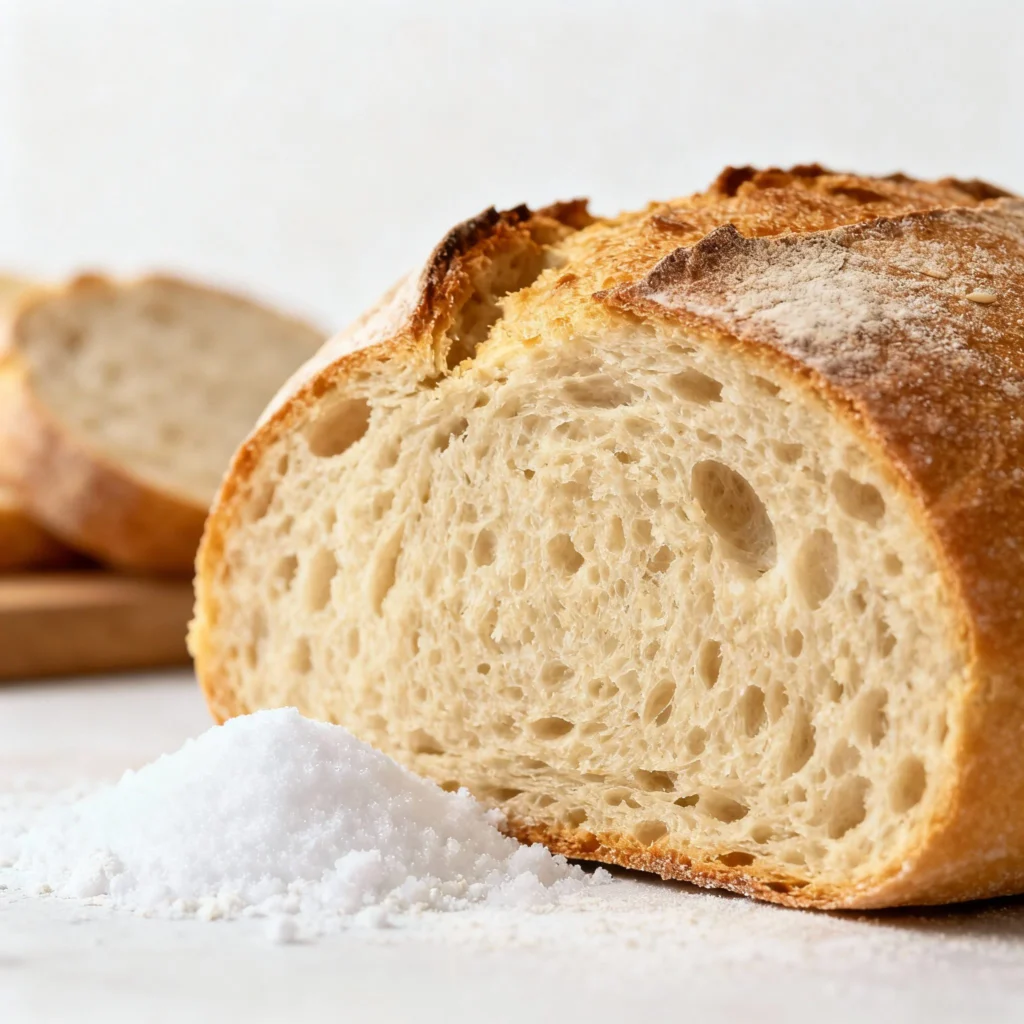
- Embrace Imperfection: Salt rising bread is not always perfect. Sometimes it will be dense, sometimes it will be airy. Embrace the imperfections and enjoy the unique flavor.
Storage Instructions
Salt rising bread is best enjoyed fresh, but it can be stored in an airtight container at room temperature for up to 3 days. You can also freeze it for longer storage. Slice the bread before freezing for easy thawing.
FAQ
Q: My starter isn’t doing anything. What should I do?
A: Make sure the temperature is consistently warm (around 100-110°F). Add another pinch of sugar or baking soda to help kickstart the activity. Be patient, it can sometimes take up to 24 hours for the starter to become active.
Q: My bread is too dense. What did I do wrong?
A: Possible causes include: the starter was not active enough, the dough was not kneaded enough, or the dough was not allowed to rise long enough. Make sure the starter is bubbly and frothy before using it. Knead the dough until it is smooth and elastic. Allow the dough to rise until it has doubled in size.
Q: Can I use different types of flour?
A: While all-purpose flour is recommended, you can experiment with other types of flour, such as bread flour or whole wheat flour. Keep in mind that different flours will absorb moisture differently, so you may need to adjust the amount of flour accordingly.
Q: Can I use a different type of milk?
A: Whole milk is preferred for its fat content, which helps to nourish the bacteria. However, you can use other types of milk, such as 2% milk or even non-dairy milk, but the results may vary.
🍰 The Master Baker & Prep Kit
Baking is a science, and meal prep requires efficiency. If you want consistently flaky pie crusts, perfectly risen cakes, and healthy meals ready for the week, these are the 5 upgrade tools that take your execution to the next level.
⚖️ OXO Good Grips 11lb Food Scale
The secret to why bakery bread and cookies are always perfect while home batches vary wildly. Measuring by weight (grams) instead of volume (cups) guarantees precise hydration and flawlessly consistent results every single time you bake.
🧑🍳 KitchenAid Classic Stand Mixer
The undisputed holy grail of the kitchen. From aggressively kneading heavy pizza doughs to whipping meringues into stiff peaks, this powerful motor saves your arms from exhaustion and cuts your hands-on prep time in half.
🍪 Silpat Premium Silicone Baking Mats
Stop wasting money on rolls of parchment paper or agonizing over cookies permanently fused to your metal pans. These reusable, professional-grade silicone mats ensure completely even heat distribution and instantly release even the stickiest caramel.
🌪️ Braun MultiQuick Immersion Blender
The ultimate shortcut tool for creamy tomato soups, lump-free gravies, and rapid smoothies. Avoid the burns and mess of dangerously transferring boiling liquids in batches to a traditional blender by simply blending right inside your cooking pot.
🍱 Premium Glass Meal Prep Containers
If you want to bake and cook healthier, batch preparation is required. These durable glass containers transition safely from freezer to microwave, never absorb tomato sauce stains, and feature airtight seals to keep your hard work fresh all week.
Conclusion
Salt rising bread is more than just a recipe; it’s a connection to the past, a testament to the ingenuity of early settlers, and a delicious way to experience the power of natural fermentation. It may take a little practice to master, but the effort is well worth it. So, gather your ingredients, embrace the process, and prepare to be amazed by the unique flavor and texture of this Appalachian heirloom. Happy baking!