Sourdough French Bread Recipe: Crusty Perfection at Home
👩🍳 The Home Chef's Essential Kitchen
Consistently cooking incredible, healthy meals at home is so much easier when you aren't fighting with cheap tools. These are the 5 absolute powerhouse kitchen essentials that professional chefs and serious home cooks rely on every single day to get perfect results.
🍳 Lodge 10.25" Cast Iron Skillet
The single greatest value in all of cookware. It retains heat infinitely better than cheap non-stick pans, allowing you to get a restaurant-quality crust on steaks or perfect crispy edges on cornbread. With proper care, this $20 pan will literally outlive you.
🔪 Victorinox Fibrox Pro 8" Chef's Knife
A dull knife makes cooking a frustrating chore. This specific blade is the undisputed champion of the culinary world—it holds a terrifyingly sharp edge, features a comfortable non-slip grip, and performs identical to German knives that cost quadruple the price.
🌡️ ThermoPro Instant Read Thermometer
Never serve dry chicken or undercooked pork again. An instant-read thermometer is the secret difference between amateur cooks who 'guess' when protein is done, and professionals who know exactly when to pull meat off the heat for maximum juiciness.
🍲 Lodge Enameled Cast Iron Dutch Oven
The ultimate workhorse for soups, stews, braised short ribs, and baking crusty artisanal bread. The enameled interior provides incredible heat distribution for slow-cooking while eliminating the intense seasoning maintenance required by bare cast iron.
🥄 Bpa-Free Silicone Utensil Set
Throw away those melting plastic spatulas and bacteria-harboring wooden spoons. This pure silicone set is heat-resistant up to 600°F, won't scratch your expensive pans, and features seamless designs that make cleaning out thick sauces and batters effortless.
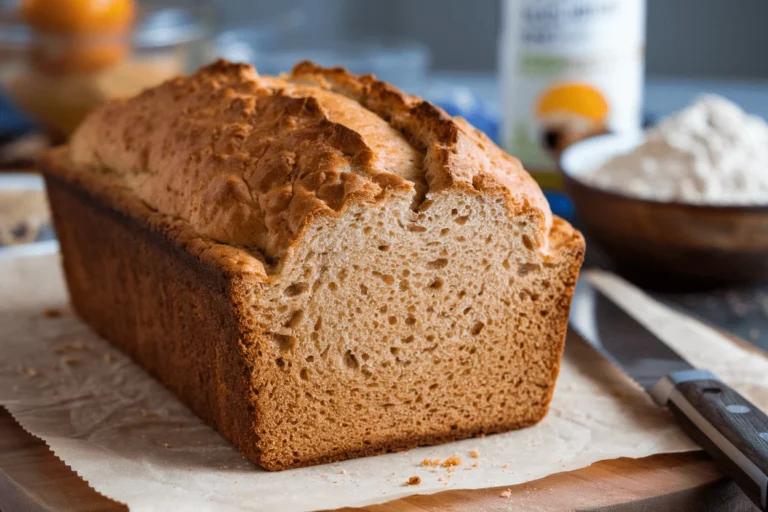
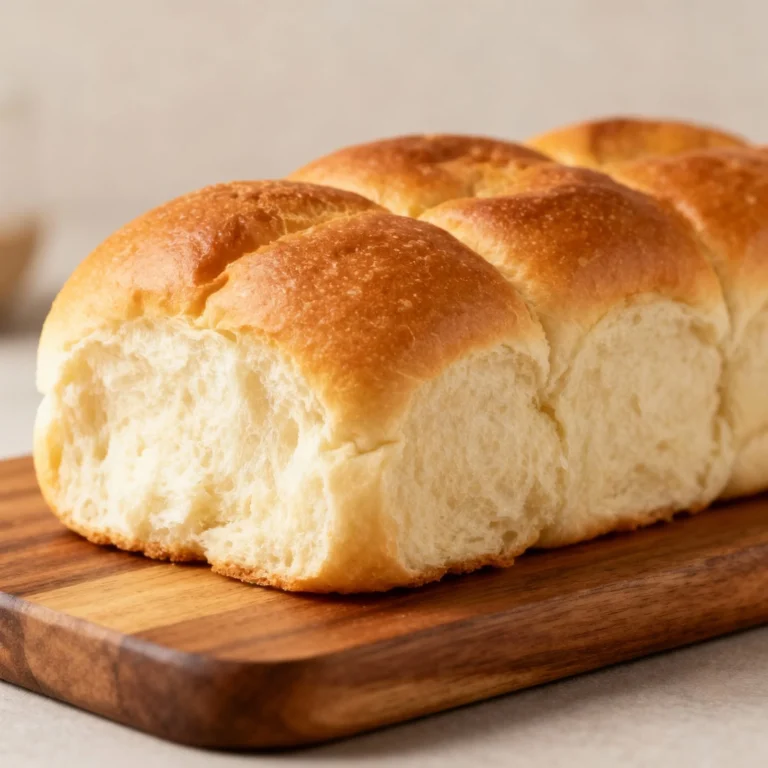
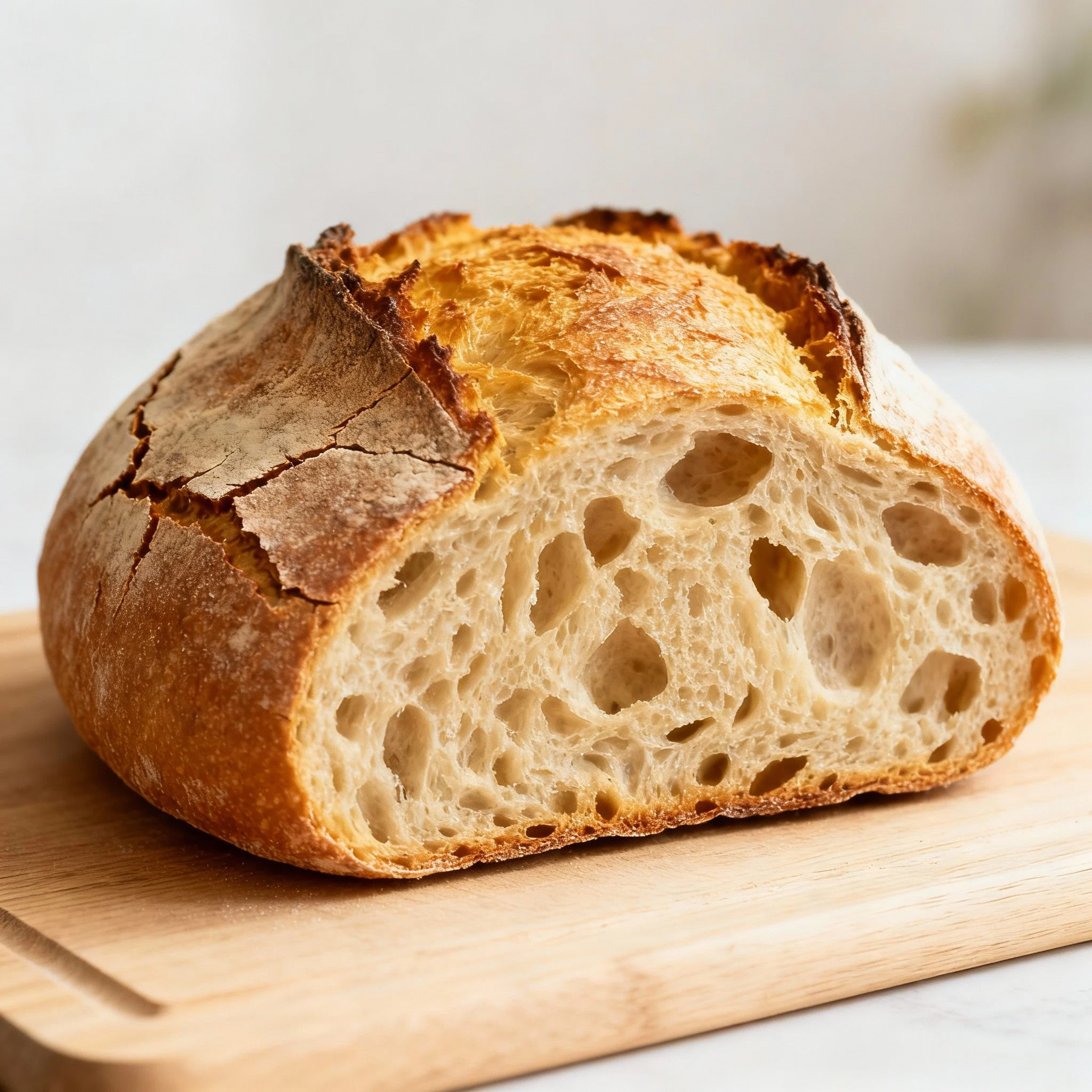
Is there anything more satisfying than the aroma of freshly baked bread wafting through your kitchen? And when that bread is a perfectly crusty, tangy sourdough French bread? Forget about it! This recipe unlocks the secrets to creating bakery-worthy baguettes right in your own oven. We’ll guide you through each step, from nurturing your sourdough starter to achieving that signature airy crumb and golden-brown crust. Get ready to impress your friends and family (and maybe even yourself!) with this surprisingly simple yet incredibly rewarding recipe.
Why This Recipe Works
This sourdough French bread recipe is designed for success, even if you’re new to sourdough baking. Here’s why it’s so reliable:
- Hydration Level: The hydration level (the ratio of water to flour) is carefully calibrated to create a dough that’s both manageable and capable of developing a beautiful, open crumb. We strike a balance between a wet dough (for large holes) and a dough that’s easy to shape.
- Autolyse: The autolyse process (allowing the flour and water to rest before adding the starter and salt) hydrates the flour completely, developing gluten strength and flavor. This results in a more extensible dough that’s easier to work with.
- Bulk Fermentation: A long, slow bulk fermentation allows the sourdough starter to work its magic, developing that characteristic tangy flavor and creating a light and airy texture. We provide clear instructions for judging when your dough is ready.
- Shaping Technique: We’ll walk you through a simple yet effective shaping technique that will help you achieve those classic baguette shapes.
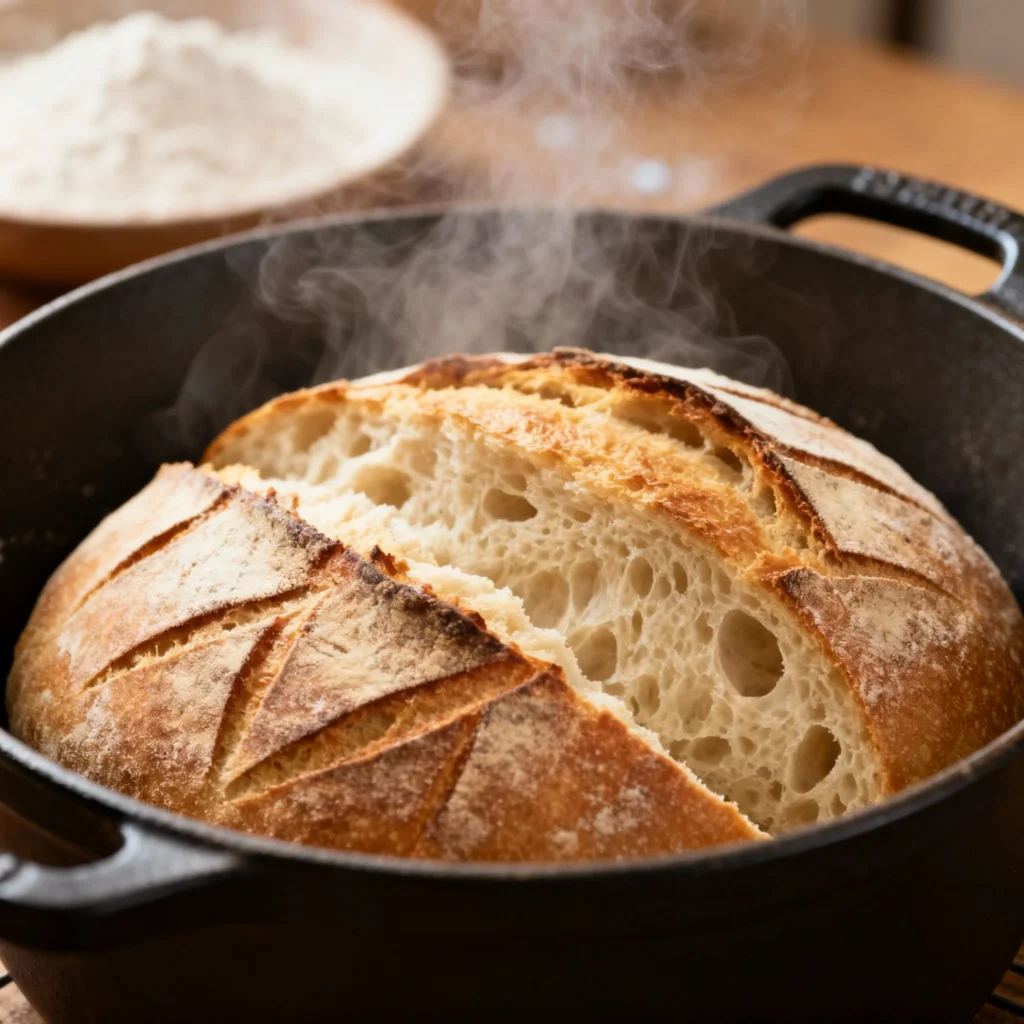
- Baking with Steam: Baking with steam is crucial for creating a crispy crust. We’ll show you how to create a steamy environment in your home oven using a Dutch oven or a baking stone with a pan of water.
Ingredients
- Sourdough Starter (Active): 100g (about 1/2 cup). Your starter should be bubbly and doubled in size after feeding.
- Bread Flour: 500g (about 4 cups)
- Water: 350g (about 1 1/2 cups), lukewarm
- Salt: 10g (about 2 teaspoons)
Instructions
- Autolyse: In a large bowl, combine the bread flour and water. Mix until just combined, forming a shaggy dough. Cover and let rest for 30-60 minutes.
- Incorporate Starter and Salt: Add the active sourdough starter and salt to the autolysed dough. Mix thoroughly, either by hand or with a stand mixer, until everything is well combined. The dough will be shaggy and sticky.
- Bulk Fermentation: Cover the bowl and let the dough bulk ferment for 4-6 hours at room temperature (around 70-75°F), or until it has nearly doubled in size. Perform stretch and folds every 30-60 minutes during the first 2-3 hours of bulk fermentation to develop strength. To do a stretch and fold, gently grab one side of the dough, stretch it upwards, and fold it over the center. Rotate the bowl and repeat this process until you’ve stretched and folded all four sides.
- Divide and Pre-Shape: Gently turn the dough out onto a lightly floured surface. Divide the dough into two equal pieces. Gently pre-shape each piece into a loose rectangle. Cover and let rest for 15-20 minutes. This allows the gluten to relax, making shaping easier.
- Shape the Baguettes: Gently flatten one of the pre-shaped rectangles. Fold the top third of the dough down towards the center and press to seal. Fold the bottom third of the dough up towards the center and press to seal. Fold the dough in half lengthwise and press to seal. Gently roll the dough back and forth to create a baguette shape, tapering the ends slightly. Repeat with the other piece of dough.
- Proofing: Place the shaped baguettes seam-side up in a well-floured couche (linen cloth) or on a baking sheet lined with parchment paper. Cover loosely with plastic wrap or a damp towel and proof for 1-2 hours, or until the dough has increased in size and springs back slowly when gently poked.
- Preheat Oven: Preheat your oven to 450°F (232°C) with a Dutch oven inside for at least 30 minutes. If you don’t have a Dutch oven, preheat your oven with a baking stone or baking sheet on the middle rack and a cast iron pan or oven-safe dish on the bottom rack.
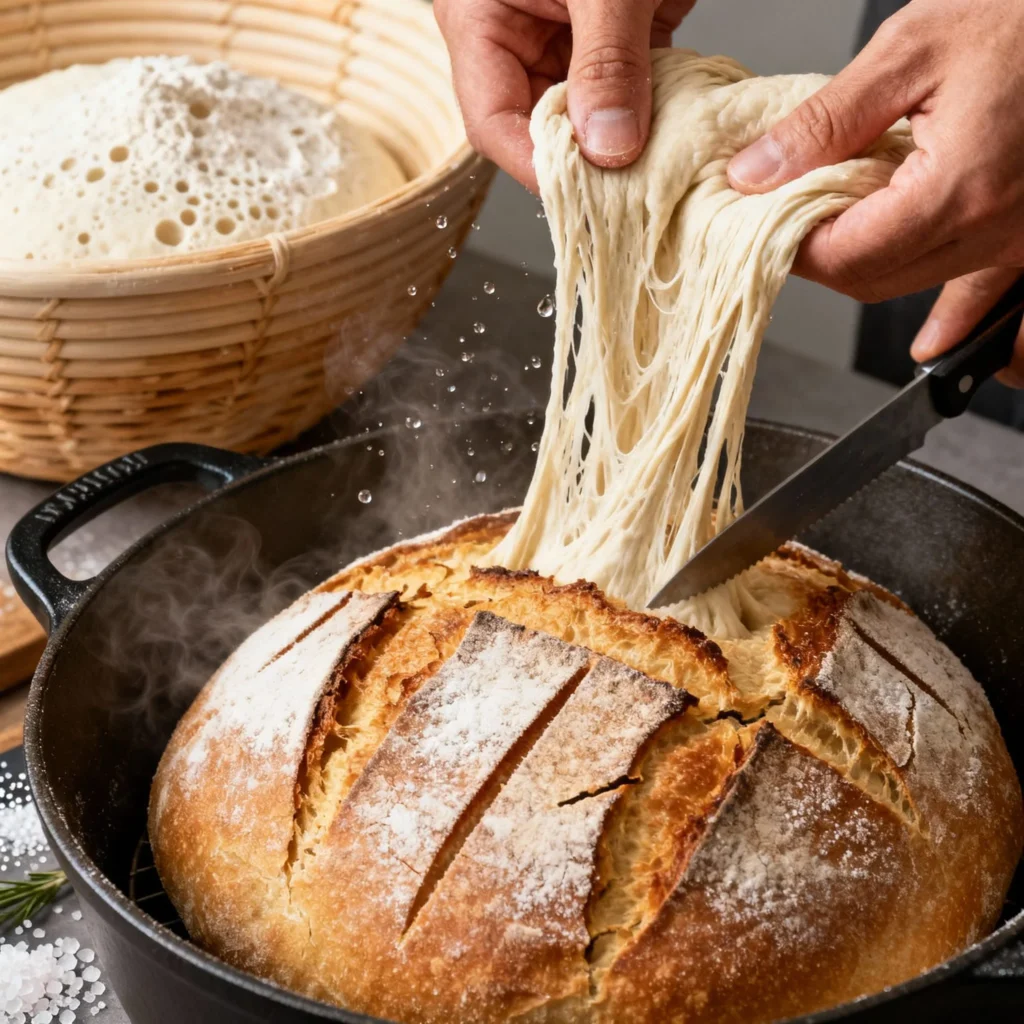
- Score the Baguettes: Carefully remove the Dutch oven from the oven (or prepare your baking stone/sheet). Gently transfer the baguettes to the Dutch oven (or onto the baking stone/sheet). Score the tops of the baguettes with a sharp knife or lame at a 45-degree angle, making 3-4 slashes.
- Bake: If using a Dutch oven, cover and bake for 20 minutes. Remove the lid and bake for another 15-20 minutes, or until the crust is a deep golden brown. If using a baking stone/sheet, pour 1 cup of hot water into the preheated pan on the bottom rack to create steam. Bake for 25-30 minutes, or until the crust is a deep golden brown.
- Cool: Transfer the baguettes to a wire rack and let them cool completely before slicing and enjoying. This is crucial for allowing the crumb to set properly.
Tips for Success
- Use a Kitchen Scale: For consistent results, use a kitchen scale to measure your ingredients.
- Active Starter is Key: Make sure your sourdough starter is active and bubbly before using it in this recipe. If it’s not, feed it a few times until it doubles in size consistently.
- Don’t Over-Proof: Over-proofed dough will be flat and difficult to score. Keep a close eye on your dough during proofing and adjust the time as needed based on your kitchen temperature.
- Get Creative with Scoring: Experiment with different scoring patterns to create beautiful loaves.
- Be Patient: Sourdough baking takes time and patience. Don’t rush the process.
- Adjust Hydration if Needed: Depending on your flour and climate, you may need to adjust the amount of water slightly. If your dough is too sticky to handle, reduce the water by a tablespoon or two. If it’s too dry, add a tablespoon or two of water.
Storage Instructions
Sourdough French bread is best enjoyed fresh, but it can be stored at room temperature for 1-2 days. To keep it fresh longer, wrap it tightly in plastic wrap or place it in a bread bag. You can also freeze it for up to 2 months. To thaw, let it thaw at room temperature or in the refrigerator. To refresh day-old bread, sprinkle it with water and bake it in a preheated oven at 350°F (175°C) for 5-10 minutes.
FAQ
- Can I use all-purpose flour instead of bread flour? While bread flour is recommended for its higher protein content, which contributes to a stronger gluten structure and chewier texture, you can use all-purpose flour in a pinch. The bread will be slightly less chewy and may not rise as high.
- My dough is too sticky. What should I do? If your dough is excessively sticky, try adding a tablespoon or two of flour at a time until it becomes more manageable. Remember that sourdough dough is naturally sticky, so don’t overdo it.
- My bread is dense and doesn’t have an open crumb. What went wrong? This could be due to several factors, including an inactive starter, under-proofing, or over-proofing. Make sure your starter is active, allow the dough to ferment and proof adequately, and avoid overworking the dough.
- Can I add seeds or herbs to this recipe? Absolutely! Feel free to add seeds, herbs, or other flavorings to your dough during the mixing process.
- Why is my crust not crispy enough? Ensure you’re generating enough steam during baking. Also, allowing the bread to cool completely on a wire rack is crucial for achieving a crispy crust.
🍰 The Master Baker & Prep Kit
Baking is a science, and meal prep requires efficiency. If you want consistently flaky pie crusts, perfectly risen cakes, and healthy meals ready for the week, these are the 5 upgrade tools that take your execution to the next level.
⚖️ OXO Good Grips 11lb Food Scale
The secret to why bakery bread and cookies are always perfect while home batches vary wildly. Measuring by weight (grams) instead of volume (cups) guarantees precise hydration and flawlessly consistent results every single time you bake.
🧑🍳 KitchenAid Classic Stand Mixer
The undisputed holy grail of the kitchen. From aggressively kneading heavy pizza doughs to whipping meringues into stiff peaks, this powerful motor saves your arms from exhaustion and cuts your hands-on prep time in half.
🍪 Silpat Premium Silicone Baking Mats
Stop wasting money on rolls of parchment paper or agonizing over cookies permanently fused to your metal pans. These reusable, professional-grade silicone mats ensure completely even heat distribution and instantly release even the stickiest caramel.
🌪️ Braun MultiQuick Immersion Blender
The ultimate shortcut tool for creamy tomato soups, lump-free gravies, and rapid smoothies. Avoid the burns and mess of dangerously transferring boiling liquids in batches to a traditional blender by simply blending right inside your cooking pot.
🍱 Premium Glass Meal Prep Containers
If you want to bake and cook healthier, batch preparation is required. These durable glass containers transition safely from freezer to microwave, never absorb tomato sauce stains, and feature airtight seals to keep your hard work fresh all week.
Conclusion
Congratulations! You’ve now mastered the art of baking sourdough French bread at home. With a little practice, you’ll be turning out perfect baguettes every time. Enjoy the satisfaction of creating something delicious and nourishing from scratch. Share your creations with friends and family, and savor the simple pleasure of homemade bread. Happy baking!