Family Recipe Book Ideas: Preserve Your Culinary Legacy!
👩🍳 The Home Chef's Essential Kitchen
Consistently cooking incredible, healthy meals at home is so much easier when you aren't fighting with cheap tools. These are the 5 absolute powerhouse kitchen essentials that professional chefs and serious home cooks rely on every single day to get perfect results.
🍳 Lodge 10.25" Cast Iron Skillet
The single greatest value in all of cookware. It retains heat infinitely better than cheap non-stick pans, allowing you to get a restaurant-quality crust on steaks or perfect crispy edges on cornbread. With proper care, this $20 pan will literally outlive you.
🔪 Victorinox Fibrox Pro 8" Chef's Knife
A dull knife makes cooking a frustrating chore. This specific blade is the undisputed champion of the culinary world—it holds a terrifyingly sharp edge, features a comfortable non-slip grip, and performs identical to German knives that cost quadruple the price.
🌡️ ThermoPro Instant Read Thermometer
Never serve dry chicken or undercooked pork again. An instant-read thermometer is the secret difference between amateur cooks who 'guess' when protein is done, and professionals who know exactly when to pull meat off the heat for maximum juiciness.
🍲 Lodge Enameled Cast Iron Dutch Oven
The ultimate workhorse for soups, stews, braised short ribs, and baking crusty artisanal bread. The enameled interior provides incredible heat distribution for slow-cooking while eliminating the intense seasoning maintenance required by bare cast iron.
🥄 Bpa-Free Silicone Utensil Set
Throw away those melting plastic spatulas and bacteria-harboring wooden spoons. This pure silicone set is heat-resistant up to 600°F, won't scratch your expensive pans, and features seamless designs that make cleaning out thick sauces and batters effortless.
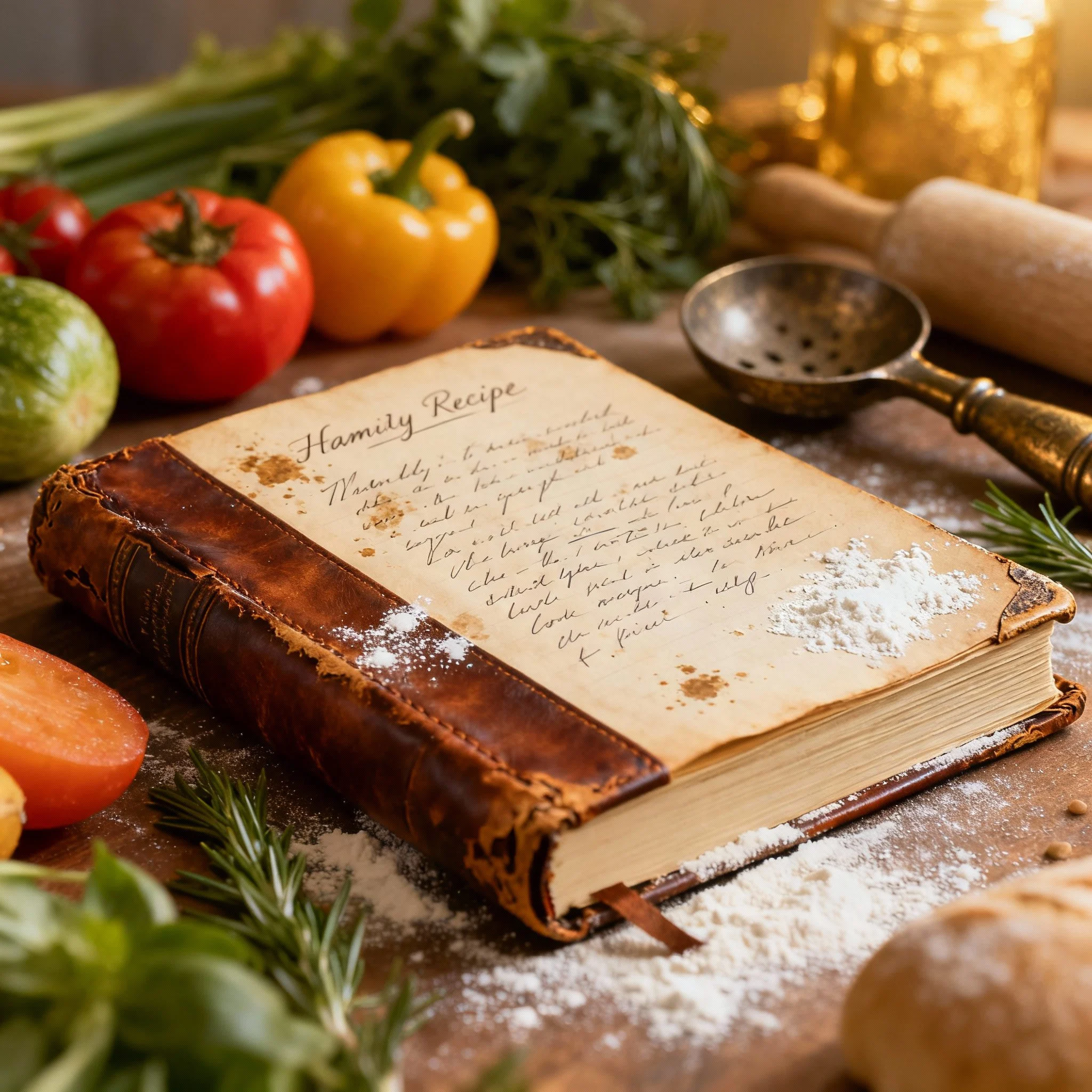
Food is more than just sustenance; it’s a powerful connector to our past, a warm embrace of tradition, and a delicious expression of love. Family recipes, passed down through generations, are edible heirlooms, each bite carrying stories and memories. Creating a family recipe book is a beautiful way to preserve these culinary treasures, ensuring they’re enjoyed and cherished for years to come. But where do you begin? This isn’t just about scribbling down Aunt Millie’s meatloaf recipe; it’s about crafting a lasting tribute to your family’s unique culinary identity. This guide provides inspiration and practical tips to help you create a family recipe book that’s as unique and special as your family itself.
Why This Recipe Works (For a Family Recipe Book)
Unlike a standard cookbook, a family recipe book isn’t just about the recipes themselves. It’s about the stories behind the recipes. This guide “works” because it focuses on capturing those stories, the personal anecdotes, and the unique family traditions that make each dish special. It encourages you to go beyond simply listing ingredients and instructions, and to delve into the heart of what makes your family’s food so meaningful. We’ll explore different organization methods, design ideas, and ways to incorporate personal touches that will transform your recipe book into a cherished family heirloom.
Ingredients
Think of these as the “ingredients” for your recipe book, the key elements you’ll need to gather:
- Recipes: The heart of your book! Collect recipes from family members, handwritten cards, old notebooks, and anywhere else they might be hiding.
- Stories: Interview family members about the origins of the recipes, special memories associated with them, and any funny anecdotes.
- Photos: Gather old family photos, pictures of food, and even pictures of the family members cooking.
- Writing Supplies (or a Computer): You’ll need something to write with or a computer to type on.
- Organization System: Decide on a way to organize your recipes (by category, by family member, chronologically, etc.).
- Design Elements: Consider adding design elements like borders, illustrations, or special fonts to make your book visually appealing.
- Binding Method: Choose how you’ll bind your book (a binder, a spiral binding, a professionally printed book, etc.).
- Time and Patience: Creating a family recipe book takes time and effort, so be patient and enjoy the process!
Instructions
- Gather Your Recipes: This is the first and most crucial step. Reach out to family members and ask them to share their favorite recipes. Don’t be afraid to ask for handwritten versions – these add a personal touch.
- Collect the Stories: This is where your recipe book transforms from a collection of recipes into a treasured family heirloom. Interview family members about the history behind each recipe. Ask questions like:
- Who created this recipe?
- What memories do you associate with this dish?
- What special occasions was it served at?
- Are there any funny stories related to this recipe?
Record these stories and include them alongside the recipes.
- Organize Your Recipes: Choose a system that works best for you. Here are a few ideas:
- By Category: Appetizers, main courses, desserts, etc.
- By Family Member: Aunt Susan’s pies, Grandma Rose’s pasta, etc.
- Chronologically: Organize recipes by the year they were created or the year they became a family favorite.
- By Meal: Breakfast, lunch, dinner, snacks.
- Write (or Type) Your Recipes: Transcribe the recipes into a clear and easy-to-read format. Be sure to include:
- The name of the recipe
- A brief description of the dish
- A list of ingredients
- Step-by-step instructions
- Cooking time and temperature
- Serving suggestions
- Add Personal Touches: This is where you can really make your recipe book unique. Consider adding:
- Family photos
- Handwritten notes
- Illustrations or drawings
- Quotes from family members
- Explanations of family traditions
- Design Your Book: Choose a layout that is visually appealing and easy to read. You can use a computer program like Microsoft Word, Google Docs, or Canva to design your book. Alternatively, you can create a handwritten book with decorative borders and illustrations.
- Choose a Binding Method: There are several ways to bind your recipe book:
- Binder: A simple and affordable option that allows you to easily add or remove pages.
- Spiral Binding: A professional-looking option that allows the book to lay flat.
- Professionally Printed Book: A high-quality option that can be expensive but creates a beautiful and lasting keepsake. Services like Shutterfly, Blurb, and Lulu offer recipe book templates and printing services.
- Three-Ring Binder with Sheet Protectors: Great for preserving original handwritten recipes.
- Proofread and Edit: Before you finalize your recipe book, be sure to proofread it carefully for any errors. Ask a family member to help you with this step.
- Share and Enjoy! Once your recipe book is complete, share it with your family members. It’s a gift that will be treasured for generations to come.
Tips for Success
- Start Small: Don’t try to create a massive recipe book all at once. Start with a few favorite recipes and gradually add more over time.
- Be Organized: Keep track of your recipes, stories, and photos in a central location.
- Involve the Whole Family: Make it a family project! Ask family members to contribute recipes, stories, and photos.
- Don’t Be Afraid to Experiment: Get creative with your design and layout. There are no rules!
- Preserve Original Recipes: If possible, include copies of the original handwritten recipes. These add a special touch and preserve the history of the recipes. Consider scanning them and including the digital image, while also keeping the original safe.
- Use High-Quality Materials: If you’re creating a physical book, use high-quality paper and binding materials to ensure it lasts for years to come.
- Consider Digital Options: In addition to a physical book, consider creating a digital version of your recipe book. This will make it easier to share with family members who live far away.
Storage Instructions
To ensure your family recipe book lasts for generations, store it in a cool, dry place away from direct sunlight. If you’re storing original handwritten recipes, consider using archival-quality sleeves to protect them from damage.
FAQ
Q: How do I handle recipes with vague instructions?
A: Ask the person who provided the recipe to clarify the instructions. You may need to do some experimenting in the kitchen to figure out the exact measurements and techniques. Document your findings and include them in the recipe.
Q: What if I can’t find a photo of a particular dish?
A: You can either take a photo of the dish yourself, use a generic image of a similar dish, or simply leave the space blank. A handwritten illustration can also be a nice touch!
Q: How do I handle recipes with conflicting instructions?
A: Try to reconcile the conflicting instructions by consulting with multiple family members. If you can’t resolve the conflict, include both versions of the recipe in your book.
Q: What if some family members don’t want to share their recipes?
A: Respect their wishes. You can still create a beautiful and meaningful recipe book without including every single family recipe.
Q: How much should I spend on creating a family recipe book?
A: The cost of creating a family recipe book can vary greatly depending on the materials you use and the binding method you choose. You can create a simple handwritten book for very little money, or you can invest in a professionally printed book. Set a budget and stick to it.
🍰 The Master Baker & Prep Kit
Baking is a science, and meal prep requires efficiency. If you want consistently flaky pie crusts, perfectly risen cakes, and healthy meals ready for the week, these are the 5 upgrade tools that take your execution to the next level.
⚖️ OXO Good Grips 11lb Food Scale
The secret to why bakery bread and cookies are always perfect while home batches vary wildly. Measuring by weight (grams) instead of volume (cups) guarantees precise hydration and flawlessly consistent results every single time you bake.
🧑🍳 KitchenAid Classic Stand Mixer
The undisputed holy grail of the kitchen. From aggressively kneading heavy pizza doughs to whipping meringues into stiff peaks, this powerful motor saves your arms from exhaustion and cuts your hands-on prep time in half.
🍪 Silpat Premium Silicone Baking Mats
Stop wasting money on rolls of parchment paper or agonizing over cookies permanently fused to your metal pans. These reusable, professional-grade silicone mats ensure completely even heat distribution and instantly release even the stickiest caramel.
🌪️ Braun MultiQuick Immersion Blender
The ultimate shortcut tool for creamy tomato soups, lump-free gravies, and rapid smoothies. Avoid the burns and mess of dangerously transferring boiling liquids in batches to a traditional blender by simply blending right inside your cooking pot.
🍱 Premium Glass Meal Prep Containers
If you want to bake and cook healthier, batch preparation is required. These durable glass containers transition safely from freezer to microwave, never absorb tomato sauce stains, and feature airtight seals to keep your hard work fresh all week.
Conclusion
Creating a family recipe book is a labor of love, a journey through memories, and a delicious way to connect with your heritage. It’s more than just a collection of recipes; it’s a celebration of family, tradition, and the stories that make your family unique. So gather your recipes, collect your stories, and start creating a lasting legacy that will be treasured for generations to come. The aroma of these dishes will continue to fill your family’s kitchens, not just with delicious smells, but with the warmth and love that only family recipes can provide. Happy cooking and happy memory-making!