Aunt Annie’s Pretzel Recipe: The Secret to Mall-Worthy Soft Pretzels at Home
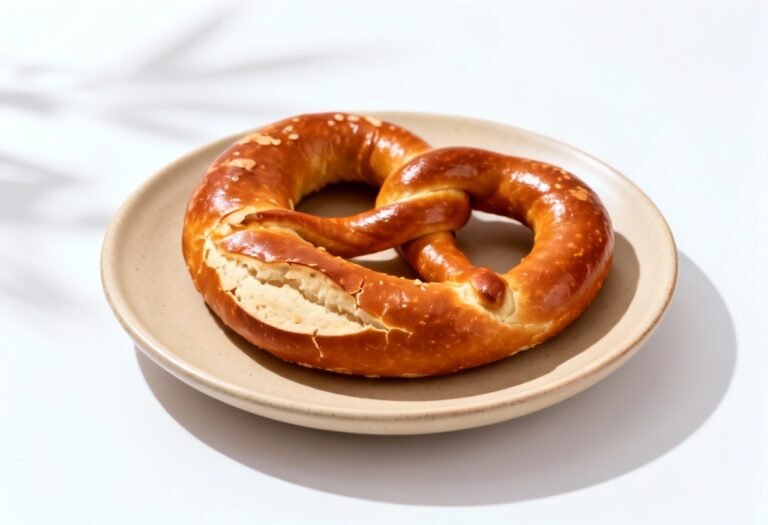
Craving that warm, chewy, salty goodness of an Auntie Anne’s pretzel but don’t want to brave the mall crowds? You’re in luck! This recipe unlocks the secrets to recreating those iconic soft pretzels right in your own kitchen. Forget the frozen aisle – with a few simple ingredients and some patience, you can enjoy freshly baked, golden-brown pretzels that are even better than the ones you remember. Get ready to impress your family and friends with this surprisingly easy and incredibly delicious recipe.
Why This Recipe Works
This recipe isn’t just a collection of ingredients; it’s a carefully crafted formula designed to mimic the texture and flavor of Auntie Anne’s pretzels. Here’s why it’s so successful:
- The Right Yeast: We’re using active dry yeast, which provides the necessary leavening for that signature pretzel chew. Activating the yeast properly is crucial for a light and airy dough.
- The Dough’s Hydration: The ratio of flour to water is key. Too much flour, and the pretzels will be tough. Too little, and they’ll be sticky and difficult to shape. This recipe strikes the perfect balance.
- The Boiling Bath: The alkaline bath (baking soda in water) is the magic ingredient that gives pretzels their distinctive color and flavor. This step gelatinizes the starches on the surface of the dough, creating that characteristic chewy crust. Don’t skip it!
- The Butter Wash: A generous brush of melted butter after baking adds richness, shine, and that irresistible aroma that pulls you into the pretzel shop.
- The Coarse Salt: Coarse pretzel salt is essential for that satisfying salty crunch. Don’t substitute with table salt; it will dissolve and won’t provide the same textural experience.
Ingredients
- 1 ½ cups warm water (105-115°F)
- 1 tablespoon granulated sugar
- 2 ¼ teaspoons active dry yeast (1 packet)
- 4 ½ cups all-purpose flour, plus more for dusting
- 2 tablespoons unsalted butter, melted
- 1 ½ teaspoons salt
- ½ cup baking soda
- 8 cups water
- 4 tablespoons unsalted butter, melted, for brushing
- Coarse pretzel salt, for sprinkling

Instructions
- Activate the Yeast: In a large bowl, combine the warm water and sugar. Sprinkle the yeast over the top and let it sit for 5-10 minutes, or until foamy. This indicates that the yeast is active and ready to use.
- Make the Dough: Add the melted butter and salt to the yeast mixture. Gradually add the flour, one cup at a time, mixing with a wooden spoon or stand mixer with a dough hook attachment until a shaggy dough forms.
- Knead the Dough: Turn the dough out onto a lightly floured surface and knead for 5-7 minutes, or until it is smooth and elastic. Alternatively, knead in a stand mixer with a dough hook for 4-5 minutes. The dough should be slightly tacky but not sticky.
- First Rise: Place the dough in a lightly oiled bowl, turning to coat. Cover with plastic wrap or a clean kitchen towel and let rise in a warm place for 1 hour, or until doubled in size.
- Preheat and Prepare: Preheat your oven to 450°F (232°C). Line a baking sheet with parchment paper.
- Divide and Shape: Punch down the dough to release the air. Divide the dough into 8 equal pieces. Roll each piece into a long rope, about 24 inches long.
- Form the Pretzels: To form the pretzel shape, make a U-shape with the rope. Cross the ends over each other, then press them down onto the bottom of the U. Watch videos online if you need a visual aid!
- Baking Soda Bath: In a large pot, bring 8 cups of water to a boil. Carefully add the baking soda. It will bubble up, so be cautious! Reduce the heat to a simmer.
- Boil the Pretzels: Gently drop each pretzel into the boiling water for 30 seconds per side. Use a slotted spoon to remove the pretzels and place them on the prepared baking sheet.
- Salt and Bake: Brush the pretzels with melted butter and sprinkle generously with coarse pretzel salt.
- Bake: Bake for 12-15 minutes, or until golden brown.
- Serve: Remove the pretzels from the oven and let them cool slightly on the baking sheet before serving. Enjoy warm!
Tips for Success
- Water Temperature is Key: Make sure the water for activating the yeast is between 105-115°F. Too hot, and you’ll kill the yeast. Too cold, and it won’t activate properly. A kitchen thermometer is helpful here.
- Don’t Overknead: Overkneading can result in tough pretzels. Knead until the dough is smooth and elastic, but not excessively.
- Use Baking Soda, Not Baking Powder: Baking soda is essential for the alkaline bath. Baking powder will not work.
- Be Careful with the Baking Soda Bath: Adding baking soda to boiling water can cause it to bubble up rapidly. Add it slowly and carefully.
- Don’t Overbake: Overbaked pretzels will be dry and hard. Bake until they are golden brown.
- Customize Your Pretzels: Get creative with your toppings! Try cinnamon sugar, everything bagel seasoning, or even parmesan cheese.
Storage Instructions
These pretzels are best enjoyed fresh, but if you have leftovers, here’s how to store them:
- Room Temperature: Store cooled pretzels in an airtight container at room temperature for up to 2 days. They will lose some of their softness.
- Freezing: For longer storage, freeze the pretzels. Wrap them individually in plastic wrap and then place them in a freezer bag. They can be frozen for up to 2 months. To reheat, thaw at room temperature and then warm in the oven or microwave.

FAQ
Q: Can I use bread flour instead of all-purpose flour?
A: Yes, you can use bread flour, but the pretzels will be slightly chewier. You may need to add a little more water if the dough seems too dry.
Q: Can I make the dough ahead of time?
A: Yes, you can make the dough ahead of time and store it in the refrigerator for up to 24 hours. Let it come to room temperature before shaping the pretzels.
Q: Can I use a different type of salt?
A: While coarse pretzel salt is recommended for the best texture and flavor, you can use kosher salt as a substitute. However, the saltiness may be different, so adjust accordingly.
Q: My pretzels are too hard. What did I do wrong?
A: Overbaking is the most common cause of hard pretzels. Make sure to bake them until they are golden brown, but not too dark. Also, avoid overkneading the dough.
Q: My pretzels are too sticky. What did I do wrong?
A: The dough may have been too wet. Make sure you are measuring the flour accurately. You may also need to knead the dough for a longer time.
Conclusion
With this Aunt Annie’s pretzel recipe, you can finally satisfy your cravings for warm, chewy, and salty soft pretzels without leaving the comfort of your home. The process might seem a bit daunting at first, but with a little practice, you’ll be churning out perfect pretzels in no time. So gather your ingredients, preheat your oven, and get ready to experience the joy of homemade, mall-worthy soft pretzels. Happy baking!