Basic Sourdough Bread Recipe: Unlock the Magic of Homemade Loaves
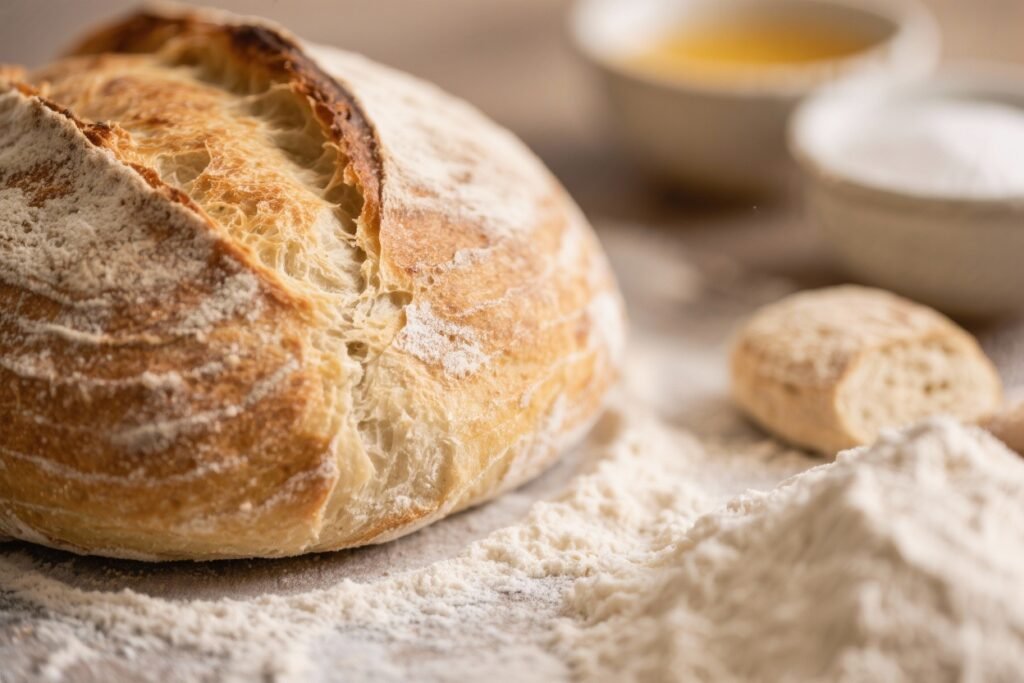
There’s nothing quite like the aroma and taste of freshly baked sourdough bread. That tangy, chewy crust and soft, airy interior are a testament to the power of natural fermentation. For many, sourdough baking feels like a daunting task, shrouded in mystery and requiring years of experience. But fear not! This recipe demystifies the process, providing a clear and straightforward guide to baking beautiful, delicious sourdough bread right in your own kitchen. Whether you’re a complete beginner or a seasoned baker looking for a reliable base recipe, this is your starting point for sourdough success. Get ready to embark on a flavorful journey and experience the satisfaction of creating something truly special from scratch.
Why This Recipe Works
This recipe focuses on simplicity and clarity, removing unnecessary complexities that often intimidate new sourdough bakers. Here’s why it’s designed to succeed:
- Hydration Level: The 75% hydration level strikes a perfect balance, creating a dough that’s manageable for beginners while still yielding a lovely open crumb.
- Simple Ingredients: We use only four essential ingredients: flour, water, sourdough starter, and salt. No fancy additions are needed for a delicious loaf.
- Clear Instructions: Each step is explained in detail, with helpful tips and visual cues to guide you through the process.
- Emphasis on Observation: This recipe encourages you to observe your dough at each stage, learning to recognize the signs of proper fermentation.
- Adaptable: Once you master this basic recipe, you can easily adapt it to create your own unique sourdough variations.
Ingredients
- Sourdough Starter (Active & Bubbly): 100g (about 1/2 cup) – Your starter should be doubled in size after feeding and have plenty of bubbles.
- Bread Flour: 450g (about 3 3/4 cups) – Bread flour has a higher protein content, which develops more gluten and creates a chewier texture.
- Water (Lukewarm): 340g (about 1 1/2 cups) – Use filtered water for best results.
- Salt: 10g (about 2 teaspoons) – Salt is crucial for flavor and also helps to control the fermentation process.
Instructions
- Autolyse (30-60 minutes): In a large bowl, combine the bread flour and water. Mix until just combined, ensuring there are no dry pockets of flour. Cover the bowl and let it rest for 30-60 minutes. This process allows the flour to fully hydrate, which will improve gluten development.
- Incorporate the Starter (5 minutes): Add the active sourdough starter to the autolysed dough. Use your hands or a dough scraper to gently mix until the starter is evenly distributed.
- Add the Salt (5 minutes): Sprinkle the salt over the dough. Use your hands or a dough scraper to incorporate the salt completely. It’s important to add the salt after the starter to avoid inhibiting the starter’s activity.
- Bulk Fermentation (4-6 hours): This is the primary fermentation stage. Cover the bowl and let the dough rest at room temperature (ideally 72-78°F / 22-26°C). Perform 4-6 sets of stretch and folds during the first 2 hours of bulk fermentation. To perform a stretch and fold, gently grab one side of the dough, stretch it upwards, and fold it over onto itself. Rotate the bowl 90 degrees and repeat until you’ve stretched and folded all four sides. This strengthens the gluten and distributes the yeast. After the first 2 hours, let the dough rest undisturbed for the remaining bulk fermentation time. The dough should increase in volume by approximately 50-75% and have visible bubbles throughout. This is more important than time.
- Pre-Shape (5 minutes): Gently turn the dough out onto a lightly floured surface. Shape it into a loose round or oblong. Cover with a towel or plastic wrap and let it rest for 20-30 minutes. This allows the gluten to relax, making it easier to shape into its final form.
- Final Shape (5 minutes): Gently shape the dough into your desired shape (round or oval). Be careful not to degas the dough too much.
- Cold Proof (12-24 hours): Place the shaped dough in a banneton basket (lined with flour or rice flour) or a bowl lined with a floured kitchen towel. Cover tightly with plastic wrap or a reusable container. Refrigerate for 12-24 hours. This slow, cold proof develops flavor and improves the crust.
- Preheat Oven (60 minutes): Preheat your oven to 500°F (260°C) with a Dutch oven inside. The Dutch oven is essential for creating a steamy environment, which helps the bread rise fully and develop a crispy crust.
- Score the Dough (2 minutes): Carefully remove the hot Dutch oven from the oven. Remove the dough from the banneton or bowl and gently place it in the Dutch oven. Score the top of the dough with a sharp knife or lame. Scoring allows the dough to expand properly during baking and also creates a beautiful aesthetic.
- Bake (45-50 minutes): Cover the Dutch oven and bake for 20 minutes at 500°F (260°C). Then, reduce the oven temperature to 450°F (232°C) and remove the lid. Bake for another 25-30 minutes, or until the crust is deep golden brown and the internal temperature reaches 205-210°F (96-99°C).
- Cool Completely (2-3 hours): Carefully remove the bread from the Dutch oven and let it cool completely on a wire rack before slicing. This is crucial! Slicing the bread while it’s still warm will result in a gummy texture.
Tips for Success
- Use a Kitchen Scale: Baking is a science, and precise measurements are essential. A kitchen scale ensures accuracy.
- Active Starter is Key: Your sourdough starter should be active and bubbly, doubling in size within 4-8 hours after feeding. A weak starter will result in a dense, flat loaf.
- Observe the Dough: Pay attention to the dough’s texture and appearance at each stage. Learn to recognize the signs of proper fermentation.
- Don’t Over-Proof: Over-proofed dough will be flat and difficult to handle. If your dough has more than doubled in size during bulk fermentation, it’s likely over-proofed.
- Patience is a Virtue: Sourdough baking requires patience. Don’t rush the process.
- Experiment: Once you’ve mastered the basic recipe, feel free to experiment with different flours, hydration levels, and additions.
Storage Instructions
To keep your sourdough bread fresh, store it properly:
- Room Temperature: Store the bread in a breathable bread bag or wrapped in a clean kitchen towel at room temperature for 2-3 days.
- Freezer: For longer storage, slice the bread and freeze it in a freezer-safe bag. Thaw the slices at room temperature or toast them directly from frozen.

FAQ
Q: My starter isn’t doubling. What should I do?
A: Continue feeding your starter regularly (once or twice a day) until it becomes active and bubbly. Make sure you’re using the right flour and water ratio when feeding. The temperature of your environment also plays a role; warmer temperatures encourage faster activity.
Q: My bread is dense and gummy. What went wrong?
A: This could be due to several factors, including a weak starter, under-proofing, or slicing the bread while it was still warm. Make sure your starter is active, allow the dough to fully ferment, and let the bread cool completely before slicing.
Q: Can I use all-purpose flour instead of bread flour?
A: While you can use all-purpose flour, the bread will have a less chewy texture. Bread flour has a higher protein content, which develops more gluten.
Q: Do I need a Dutch oven?
A: A Dutch oven is highly recommended for creating a steamy environment, which is essential for a good rise and crispy crust. However, you can try baking the bread on a baking stone with a tray of water underneath to create steam.
Conclusion
Congratulations! You’ve taken the first step towards mastering the art of sourdough baking. This basic recipe provides a solid foundation for creating delicious, homemade loaves. Remember to be patient, observe your dough, and don’t be afraid to experiment. With practice, you’ll be baking beautiful sourdough bread that will impress your family and friends. Happy baking!