Best Chicken Stew Recipe: Comfort in a Bowl!
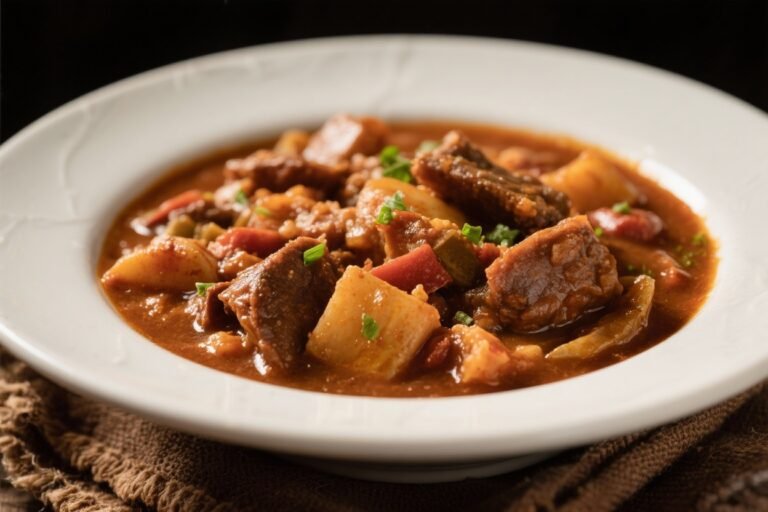
Is there anything more comforting than a steaming bowl of chicken stew on a chilly evening? This isn’t just any chicken stew recipe; it’s a symphony of flavors, a hug in a bowl, and a guaranteed crowd-pleaser. We’ve taken the classic recipe and elevated it with simple techniques that result in a richer, more flavorful, and utterly satisfying stew. Forget bland, watery versions – this recipe delivers depth, texture, and that cozy feeling we all crave.
Why This Recipe Works
This recipe isn’t just a list of ingredients; it’s a carefully crafted process designed to maximize flavor at every stage. Here’s why it stands out:
- Browning the Chicken: We don’t skip this crucial step. Searing the chicken pieces creates a beautiful golden crust, adding depth and richness to the stew. The browned bits (fond) left in the pot become the foundation for a flavorful base.
- Building the Flavor Base: Sautéing the aromatic vegetables (onions, carrots, and celery) in the chicken drippings creates a flavorful foundation. We also incorporate garlic and herbs to further enhance the complexity.
- Using Chicken Broth: Using high-quality chicken broth is essential for a flavorful stew. Opt for low-sodium broth to control the salt level. Homemade broth is even better if you have it!
- Adding Wine (Optional): A splash of dry white wine deglazes the pot, lifting all those delicious browned bits and adding a subtle acidity that balances the richness of the stew.
- Slow Simmering: Allowing the stew to simmer gently for an extended period allows the flavors to meld and deepen, creating a truly exceptional dish.
- Thickening the Stew: We use a simple cornstarch slurry to thicken the stew to the perfect consistency, ensuring a creamy and comforting texture.
- Fresh Herbs: Adding fresh herbs like parsley and thyme at the end brightens the flavors and adds a touch of freshness.
Ingredients
- Chicken: 2 pounds boneless, skinless chicken thighs, cut into 1-inch pieces
- Olive Oil: 2 tablespoons
- Salt and Pepper: To taste
- Onion: 1 large, chopped
- Carrots: 2 medium, peeled and chopped
- Celery: 2 stalks, chopped
- Garlic: 2 cloves, minced
- Dry White Wine (Optional): 1/2 cup
- Chicken Broth: 6 cups
- Bay Leaf: 1
- Dried Thyme: 1 teaspoon
- Potatoes: 1 pound Yukon Gold potatoes, peeled and cubed
- Frozen Peas: 1 cup
- Cornstarch: 2 tablespoons
- Cold Water: 2 tablespoons
- Fresh Parsley: 2 tablespoons, chopped
- Fresh Thyme: 1 teaspoon, chopped

Instructions
- Prepare the Chicken: Pat the chicken pieces dry with paper towels and season generously with salt and pepper.
- Brown the Chicken: Heat the olive oil in a large Dutch oven or heavy-bottomed pot over medium-high heat. Add the chicken in batches, being careful not to overcrowd the pot. Brown the chicken on all sides, about 3-4 minutes per side. Remove the chicken from the pot and set aside.
- Sauté the Vegetables: Add the chopped onion, carrots, and celery to the pot and cook over medium heat until softened, about 5-7 minutes. Add the minced garlic and cook for another minute until fragrant.
- Deglaze the Pot (Optional): If using wine, pour it into the pot and scrape up any browned bits from the bottom. Cook for 1-2 minutes until the wine has reduced slightly.
- Add the Broth and Seasonings: Pour in the chicken broth, add the bay leaf and dried thyme. Bring to a simmer.
- Return the Chicken: Return the browned chicken to the pot.
- Simmer the Stew: Reduce the heat to low, cover the pot, and simmer for at least 1 hour, or up to 2 hours, until the chicken is very tender.
- Add the Potatoes: Add the cubed potatoes to the stew and simmer for another 20-25 minutes, or until the potatoes are tender.
- Thicken the Stew: In a small bowl, whisk together the cornstarch and cold water to form a slurry. Gradually whisk the slurry into the stew and simmer for a few minutes until the stew has thickened to your desired consistency.
- Add the Peas: Stir in the frozen peas and cook for a few minutes until heated through.
- Garnish and Serve: Remove the bay leaf from the stew. Stir in the fresh parsley and thyme. Taste and adjust seasonings as needed. Serve hot and enjoy!
Tips for Success
Here are a few extra tips to ensure your chicken stew is a resounding success:
- Don’t Overcrowd the Pot: Brown the chicken in batches to ensure even browning. Overcrowding the pot will steam the chicken instead of browning it.
- Use High-Quality Chicken Broth: The flavor of the broth will significantly impact the taste of the stew. Choose a good quality broth or make your own.
- Adjust the Thickness: If you prefer a thicker stew, add more cornstarch slurry. If you prefer a thinner stew, add more chicken broth.
- Add Other Vegetables: Feel free to add other vegetables to the stew, such as mushrooms, parsnips, or turnips. Add them along with the potatoes.
- Spice It Up: For a little heat, add a pinch of red pepper flakes to the stew.
- Use Bone-In Chicken: For an even richer flavor, use bone-in chicken thighs or a whole cut-up chicken. You may need to adjust the cooking time accordingly. Remove the bones before serving.
- Slow Cooker Option: This recipe can easily be adapted for a slow cooker. Brown the chicken and sauté the vegetables as directed. Then, transfer everything to the slow cooker and cook on low for 6-8 hours or on high for 3-4 hours. Thicken the stew with a cornstarch slurry during the last 30 minutes of cooking.
Storage Instructions
Refrigerator: Allow the stew to cool completely before transferring it to an airtight container. Store in the refrigerator for up to 3-4 days.
Freezer: Allow the stew to cool completely before transferring it to a freezer-safe container. Leave some headspace in the container as the stew will expand when frozen. Store in the freezer for up to 2-3 months. Thaw overnight in the refrigerator before reheating.
Reheating: Reheat the stew in a saucepan over medium heat until heated through. You may need to add a little chicken broth if the stew has thickened too much during storage. You can also reheat it in the microwave.

FAQ
Can I use chicken breasts instead of chicken thighs?
Yes, you can use chicken breasts, but chicken thighs are generally more flavorful and tender in stews. If using chicken breasts, be careful not to overcook them, as they can become dry.
Can I make this stew vegetarian?
Yes, you can easily make this stew vegetarian by substituting the chicken with vegetable broth and adding hearty vegetables like mushrooms, beans, or lentils.
What can I serve with chicken stew?
Chicken stew is delicious served with crusty bread, biscuits, or mashed potatoes. A simple side salad also complements the stew nicely.
Can I make this stew ahead of time?
Yes, chicken stew is a great make-ahead dish. In fact, the flavors often improve after a day or two in the refrigerator.
Why is my stew watery?
If your stew is watery, it could be due to a few reasons: not browning the chicken properly, using too much liquid, or not simmering the stew long enough. Make sure to brown the chicken and sauté the vegetables well, use the recommended amount of liquid, and simmer the stew for at least an hour to allow the flavors to meld and the stew to thicken.
Conclusion
This chicken stew recipe is more than just a meal; it’s an experience. It’s the perfect dish to share with family and friends on a cold winter’s night. With its rich flavors, tender chicken, and comforting vegetables, this stew is sure to become a new family favorite. So, gather your ingredients, put on your apron, and get ready to create a truly unforgettable culinary masterpiece. Enjoy!