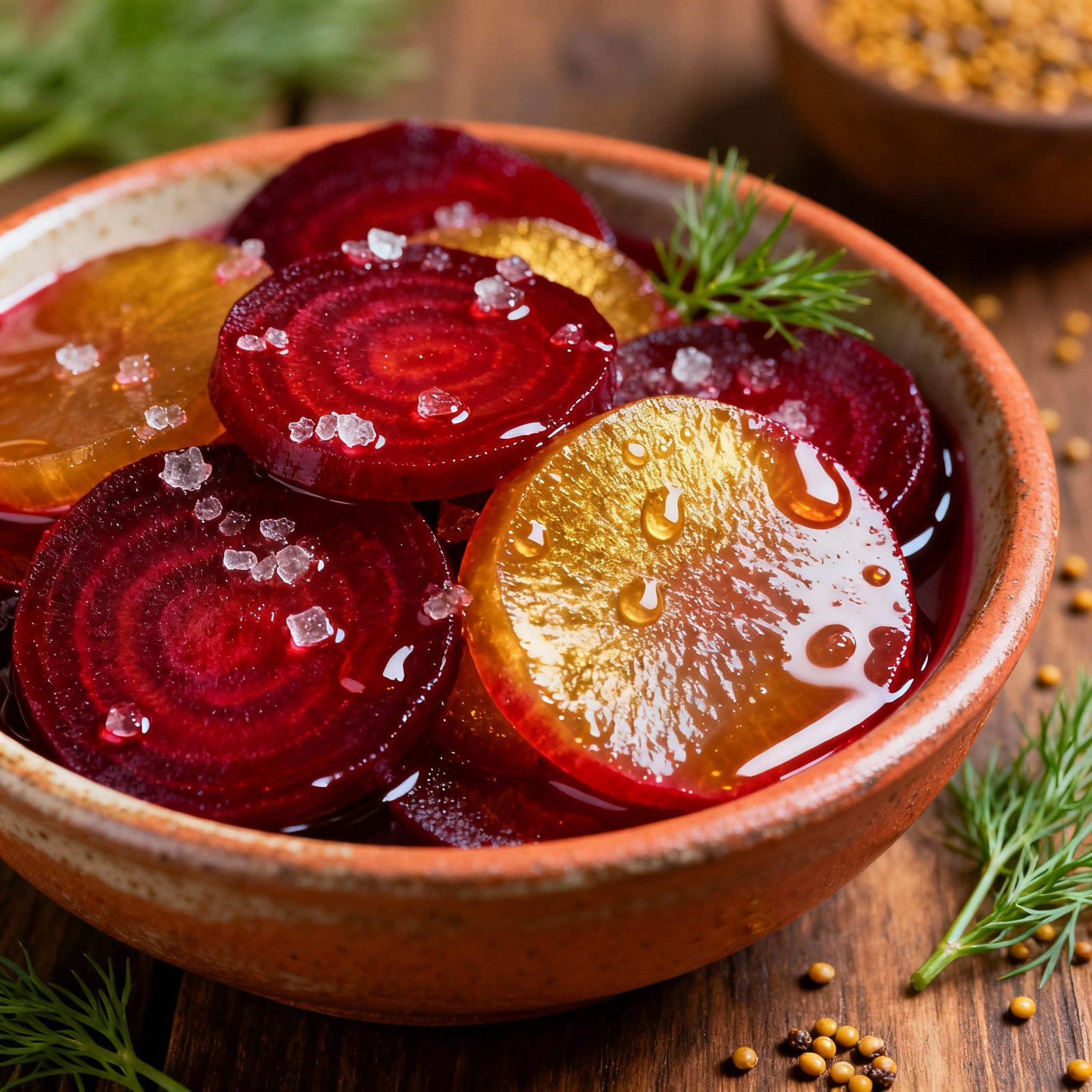
Best Pickled Beets Recipe: The Tangy, Sweet, and Earthy Delight You Need!
Pickled beets. The very name might conjure images of Grandma’s pantry, filled with jars of jewel-toned goodness. But pickled beets are so much more than just a nostalgic treat. They’re a versatile ingredient, a vibrant side dish, and a fantastic way to preserve the bounty of your garden (or the farmer’s market!). This recipe takes the classic pickled beet and elevates it, balancing the earthy sweetness of the beets with a tangy, aromatic brine that will have you reaching for seconds (and thirds!). Get ready to unlock the secret to the best pickled beets you’ve ever tasted!
Why This Recipe Works
This isn’t your average pickled beet recipe. Here’s why it stands out:
- Perfect Sweet-Tart Balance: We use a carefully calibrated ratio of vinegar, sugar, and spices to create a brine that’s both sweet and tangy, perfectly complementing the beets’ natural earthiness.
- Flavor Infusion: The addition of spices like coriander seeds, mustard seeds, and cloves infuses the beets with a complex and aromatic flavor that goes beyond simple pickling.
- Vibrant Color and Texture: The cooking method ensures that the beets retain their beautiful color and a slightly firm, yet tender texture. No mushy beets here!
- Easy to Scale: Whether you want to make a small batch or preserve a whole harvest, this recipe is easily adaptable to your needs.
- Versatile Uses: These pickled beets are delicious on their own, but they also shine in salads, sandwiches, and as a vibrant addition to charcuterie boards.
Ingredients
- Beets: 2 pounds, medium-sized, preferably all the same size for even cooking. You can use red, golden, or Chioggia beets, or a mix for a colorful presentation.
- Water: 2 cups
- White Vinegar: 1 cup (5% acidity)
- Apple Cider Vinegar: 1/2 cup (for a slightly sweeter and more complex flavor)
- Granulated Sugar: 1/2 cup (adjust to taste)
- Salt: 1 tablespoon
- Coriander Seeds: 1 teaspoon
- Mustard Seeds: 1 teaspoon
- Whole Cloves: 4-5
- Bay Leaf: 1-2
- Optional: 1 small red onion, thinly sliced (adds a nice bite and flavor)
Instructions
- Prepare the Beets: Wash the beets thoroughly, removing any dirt or debris. Trim the tops, leaving about 1 inch of the stem attached. Do not peel them before cooking! This helps retain their color.
- Cook the Beets: Place the beets in a large pot and cover them with water. Bring to a boil, then reduce heat and simmer until the beets are tender when pierced with a fork. This usually takes 30-45 minutes, depending on the size of the beets.
- Cool the Beets: Once the beets are cooked, drain them and rinse them with cold water. This will stop the cooking process and make them easier to handle.
- Peel and Slice the Beets: Gently rub the skins off the beets. They should slip off easily. Slice the beets into 1/4-inch thick rounds or wedges. If using, add the sliced red onion to the bowl with the beets.
- Prepare the Brine: In a medium saucepan, combine the water, white vinegar, apple cider vinegar, sugar, and salt. Add the coriander seeds, mustard seeds, cloves, and bay leaf. Bring the mixture to a boil, stirring until the sugar and salt are dissolved.
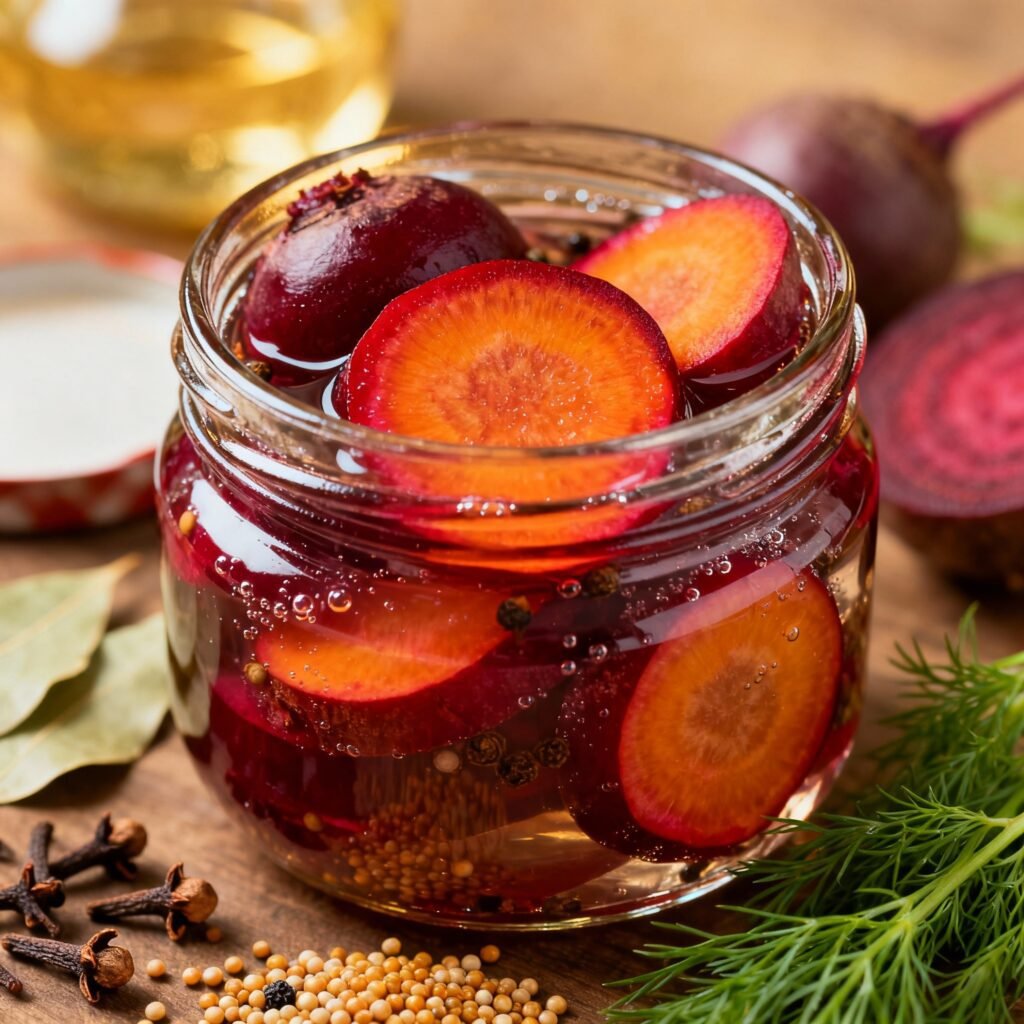
- Pack the Beets: Sterilize your jars and lids according to manufacturer’s instructions or by boiling them in water for 10 minutes. Pack the sliced beets (and red onion, if using) into the sterilized jars, leaving about 1/2 inch of headspace.
- Pour the Brine: Carefully pour the hot brine over the beets in the jars, leaving about 1/2 inch of headspace. Make sure the beets are completely submerged in the brine.
- Remove Air Bubbles: Gently tap the jars on the counter to release any trapped air bubbles. You can also use a clean utensil to run along the inside of the jar to release any remaining air.
- Wipe the Rims and Seal: Wipe the rims of the jars with a clean, damp cloth to remove any spills. Place the lids on the jars and screw on the bands until they are finger-tight.
- Process the Jars (Optional): For long-term storage and shelf stability, process the jars in a boiling water bath for 10 minutes for pint jars and 15 minutes for quart jars. Adjust processing time according to your altitude. If you are not planning to process the jars, you can skip this step and refrigerate the pickled beets immediately.
- Cool and Store: Remove the jars from the boiling water bath and let them cool completely on a towel-lined surface. As the jars cool, you should hear a “pop” sound, indicating that they have sealed properly.
- Check the Seals: After the jars have cooled completely, check the seals by pressing down on the center of the lid. If the lid flexes up and down, it is not sealed and should be refrigerated and consumed within a few weeks.
Tips for Success
- Use Fresh Beets: The fresher the beets, the better the flavor and texture.
- Don’t Overcook the Beets: Overcooked beets will be mushy. Aim for a slightly firm, yet tender texture.
- Adjust Sweetness to Taste: If you prefer a less sweet pickle, reduce the amount of sugar in the brine.
- Experiment with Spices: Feel free to add other spices to the brine, such as peppercorns, allspice berries, or a pinch of red pepper flakes for a little heat.
- Use Quality Vinegar: The quality of the vinegar will impact the flavor of the pickled beets. We recommend using a good quality white vinegar and apple cider vinegar.
- Sterilize Jars Properly: Proper sterilization is essential for safe canning and long-term storage.
- Don’t Overtighten the Lids: Overtightening the lids can prevent the jars from sealing properly.
Storage Instructions
Unprocessed Pickled Beets: Store in the refrigerator for up to 3 weeks.
Processed Pickled Beets: Store in a cool, dark place for up to 1 year. Once opened, refrigerate and consume within a few weeks.

FAQ
Q: Can I use other types of vinegar?
A: Yes, you can experiment with different types of vinegar, such as red wine vinegar or balsamic vinegar. However, keep in mind that these will alter the flavor of the pickled beets. Taste the brine and adjust the sugar accordingly.
Q: Can I use artificial sweeteners instead of sugar?
A: We don’t recommend using artificial sweeteners in this recipe, as they may not dissolve properly and can affect the texture of the brine.
Q: Do I have to process the jars in a boiling water bath?
A: No, you don’t have to process the jars if you plan to store the pickled beets in the refrigerator and consume them within a few weeks. However, processing the jars is essential for long-term storage and shelf stability.
Q: My pickled beets turned brown. What happened?
A: This can happen if the beets were not cooked long enough or if the jars were not properly sealed. Make sure the beets are tender before slicing and that the jars are properly sealed after processing.
Q: Can I use this recipe for other vegetables?
A: Yes, you can use this basic pickling brine for other vegetables, such as carrots, cucumbers, or green beans. You may need to adjust the cooking time depending on the vegetable.
Conclusion
This recipe for pickled beets is a game-changer. The perfectly balanced sweet and tangy brine, combined with the earthy flavor of the beets, creates a truly irresistible treat. Whether you’re a seasoned canner or a beginner in the kitchen, this recipe is easy to follow and yields delicious results. So, gather your beets, sterilize your jars, and get ready to enjoy the best pickled beets you’ve ever tasted! They’re perfect as a side dish, a salad topping, or a vibrant addition to any meal. Enjoy!