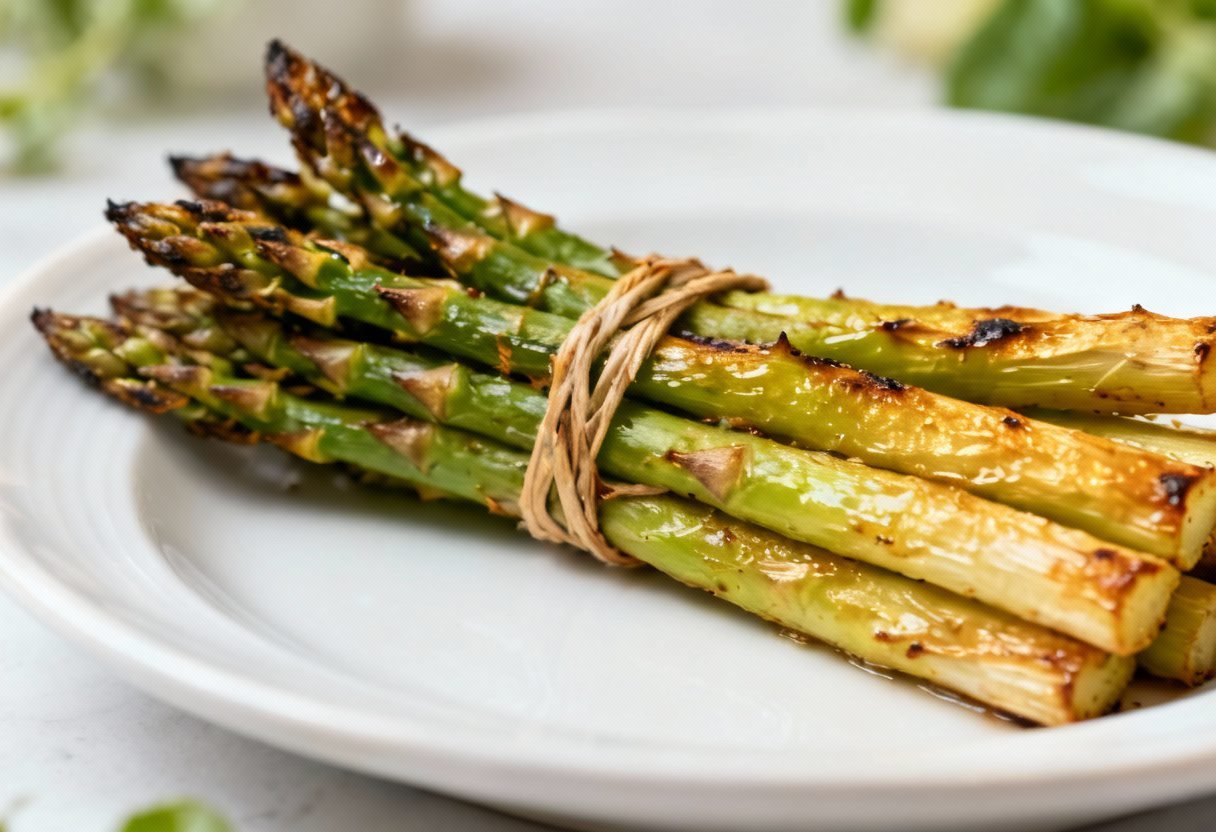
Best Roasted Asparagus Recipe: Perfectly Tender-Crisp Every Time!
Asparagus. It’s one of those vegetables that can either be a delightful spring treat or a mushy, flavorless disappointment. We’ve all been there – sad, overcooked asparagus that nobody wants to eat. But fear not! This recipe guarantees perfectly roasted asparagus, every single time. Forget the soggy, limp spears of the past. This method delivers tender-crisp perfection with a slightly caramelized exterior and a vibrant green color that screams freshness.
This isn’t just another roasted asparagus recipe; it’s a foolproof technique honed through years of experimentation. We’ve cracked the code to achieving that ideal balance of tenderness and bite, unlocking the asparagus’s natural sweetness and enhancing it with simple, yet impactful flavors. Whether you’re looking for a quick and easy side dish for a weeknight dinner or a sophisticated addition to a weekend brunch, this roasted asparagus will become your go-to recipe.
Why This Recipe Works
Several key elements contribute to the success of this recipe. Firstly, we focus on proper preparation. Trimming the asparagus correctly is crucial for even cooking and preventing tough, woody ends. Secondly, the roasting temperature is key. A high temperature (400°F/200°C) ensures that the asparagus cooks quickly, preventing it from becoming mushy and allowing it to develop a beautiful char. Thirdly, we use a generous amount of olive oil to coat the asparagus, which not only helps with browning but also adds flavor and prevents it from drying out. Finally, simple seasonings like salt, pepper, and garlic powder enhance the natural flavor of the asparagus without overpowering it.
This recipe also emphasizes the importance of a single layer on the baking sheet. Overcrowding the asparagus will steam it instead of roasting it, resulting in uneven cooking and a less desirable texture. By giving the asparagus enough space, you allow the heat to circulate properly, ensuring that each spear is perfectly cooked.
Ingredients
- 1 pound asparagus, trimmed
- 2 tablespoons olive oil
- 1/2 teaspoon garlic powder
- 1/4 teaspoon salt (or to taste)
- 1/4 teaspoon black pepper (or to taste)
- Optional: Lemon wedges for serving
Instructions
- Preheat Oven: Preheat your oven to 400°F (200°C).
- Prepare Asparagus: Wash the asparagus thoroughly. Snap off the tough ends of the asparagus. To do this, hold an asparagus spear at both ends and gently bend it. It will naturally snap at the point where the tough end begins. Discard the tough ends.
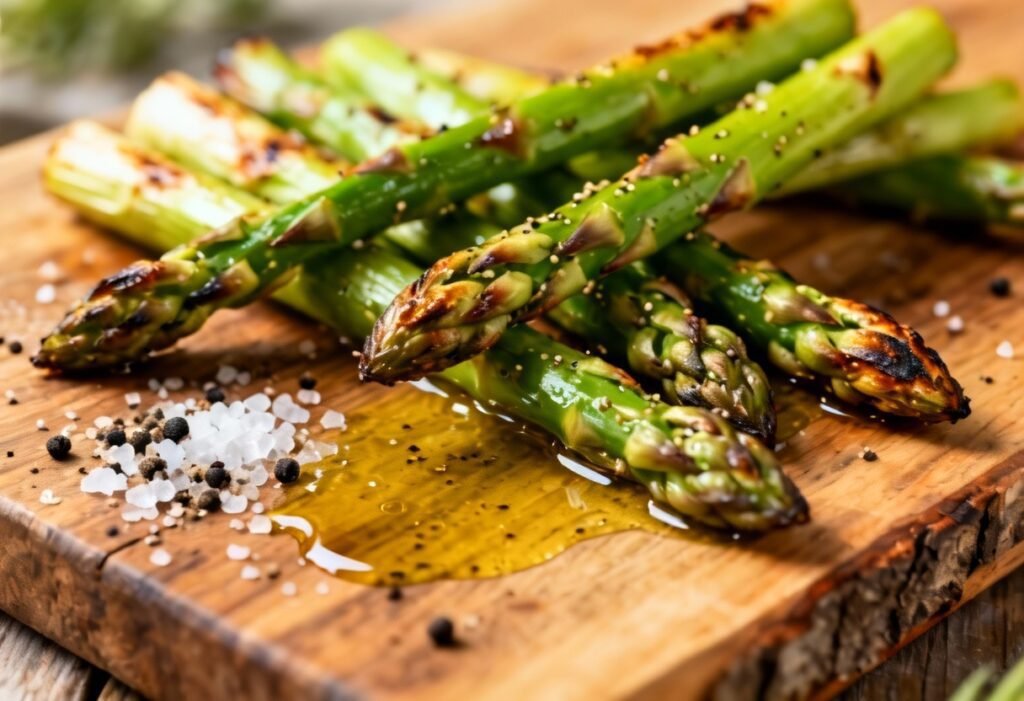
- Season Asparagus: Place the trimmed asparagus in a large bowl. Drizzle with olive oil and toss to coat evenly. Sprinkle with garlic powder, salt, and pepper. Toss again to ensure the asparagus is well seasoned.
- Arrange on Baking Sheet: Spread the asparagus in a single layer on a baking sheet. Make sure the spears are not overcrowded to ensure even roasting.
- Roast: Roast for 8-12 minutes, or until the asparagus is tender-crisp and slightly browned. The cooking time will vary depending on the thickness of the asparagus spears. Check for doneness by piercing a spear with a fork. It should be easily pierced but still have a slight resistance.
- Serve: Remove the asparagus from the oven and serve immediately. Garnish with lemon wedges, if desired.
Tips for Success
- Choose the Right Asparagus: Look for asparagus spears that are firm, bright green, and have tightly closed tips. Avoid asparagus that is limp, wilted, or has open tips.
- Trim Properly: Properly trimming the tough ends of the asparagus is crucial for a good result. Don’t be afraid to trim off a generous amount to ensure that you’re only eating the tender parts.
- Don’t Overcrowd the Baking Sheet: Overcrowding will steam the asparagus instead of roasting it. If you have a lot of asparagus, use two baking sheets or roast in batches.
- Adjust Cooking Time: The cooking time will vary depending on the thickness of the asparagus spears. Thicker spears will take longer to cook than thinner spears. Start checking for doneness around 8 minutes and adjust the cooking time accordingly.
- Add a Touch of Acidity: A squeeze of lemon juice or a drizzle of balsamic vinegar after roasting can brighten the flavor of the asparagus and add a touch of acidity.
- Experiment with Seasonings: While garlic powder, salt, and pepper are a classic combination, feel free to experiment with other seasonings. Try adding a pinch of red pepper flakes for a little heat, or a sprinkle of Parmesan cheese for a cheesy flavor.
- High Heat is Key: Don’t be tempted to lower the temperature. The high heat is what gives the asparagus that desirable tender-crisp texture and slightly caramelized exterior.
- Listen to Your Oven: Every oven is different. Keep an eye on the asparagus and adjust the cooking time as needed.
Storage Instructions
Leftover roasted asparagus can be stored in an airtight container in the refrigerator for up to 3 days. Reheat in a preheated oven at 350°F (175°C) for a few minutes, or until heated through. You can also reheat it in a microwave, but the texture may be slightly softer. Cold roasted asparagus is also delicious in salads or as a topping for sandwiches.
FAQ
Q: Can I use frozen asparagus?
A: While fresh asparagus is preferred for roasting, you can use frozen asparagus in a pinch. Thaw the asparagus completely and pat it dry before roasting. Keep in mind that frozen asparagus will likely be softer than fresh asparagus, so reduce the cooking time accordingly.
Q: Can I roast asparagus with other vegetables?
A: Yes, you can roast asparagus with other vegetables that have similar cooking times, such as bell peppers, onions, or cherry tomatoes. However, be sure to cut the vegetables into similar sizes to ensure even cooking.
Q: Can I use a different type of oil?
A: While olive oil is recommended for its flavor and high smoke point, you can use other types of oil, such as avocado oil or coconut oil. Just be sure to choose an oil that has a high smoke point to prevent it from burning.
Q: My asparagus is still tough after roasting. What did I do wrong?
A: If your asparagus is still tough after roasting, it may be because you didn’t trim off enough of the tough ends, or because you didn’t roast it long enough. Next time, be sure to trim off a generous amount of the tough ends and roast the asparagus until it is tender-crisp.
Q: Can I roast asparagus on a grill?
A: Yes, you can roast asparagus on a grill. Preheat your grill to medium-high heat. Toss the asparagus with olive oil, salt, and pepper. Place the asparagus directly on the grill grates and grill for 5-7 minutes, or until tender-crisp and slightly charred, turning occasionally.
Conclusion
So there you have it – the best roasted asparagus recipe that’s guaranteed to deliver perfectly tender-crisp results every time. With just a few simple ingredients and a little bit of technique, you can transform this humble vegetable into a culinary delight. Whether you’re a seasoned cook or a beginner in the kitchen, this recipe is easy to follow and yields consistently delicious results. So go ahead, give it a try and experience the joy of perfectly roasted asparagus!