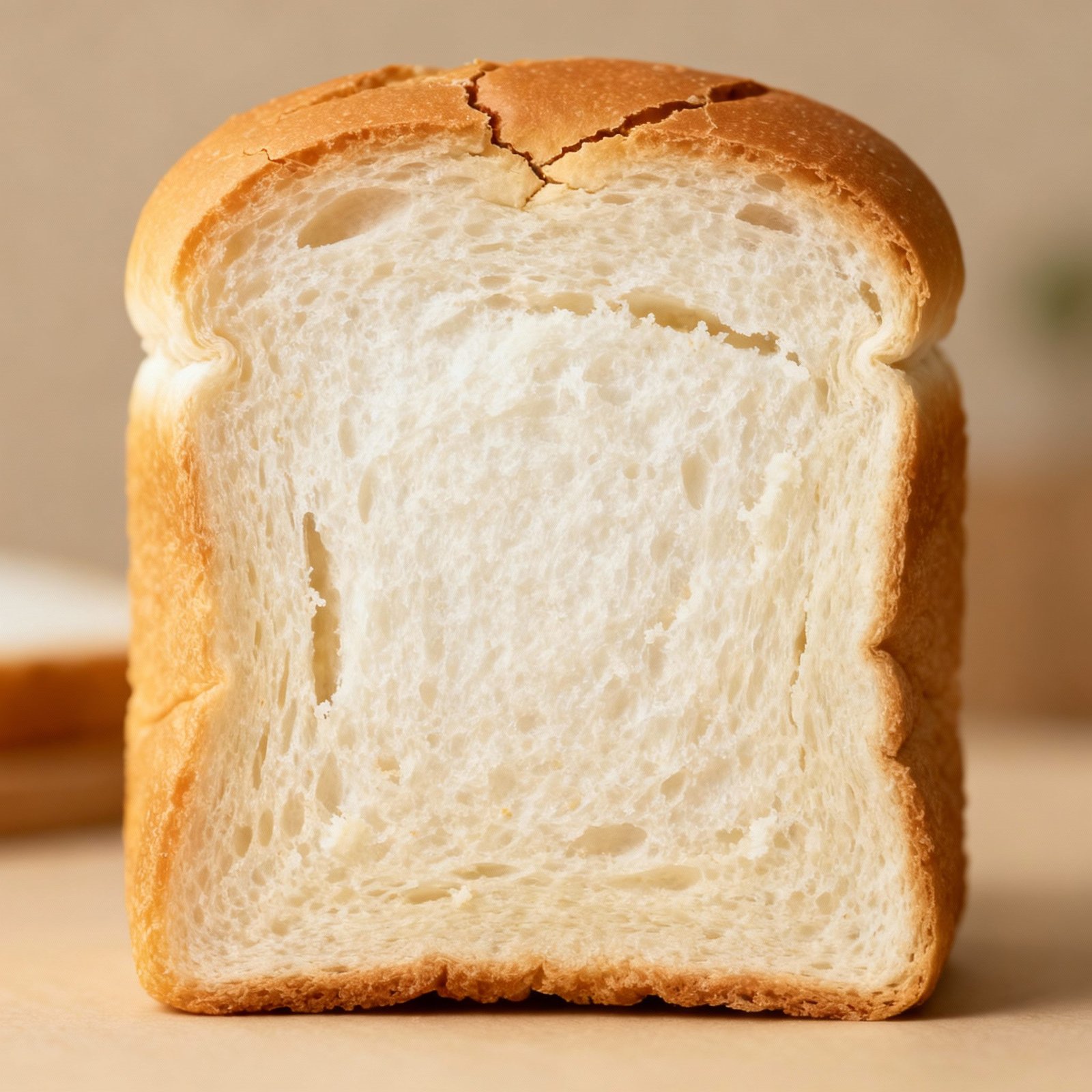
Best Sandwich Bread Recipe: The Softest Slice You’ll Ever Taste!
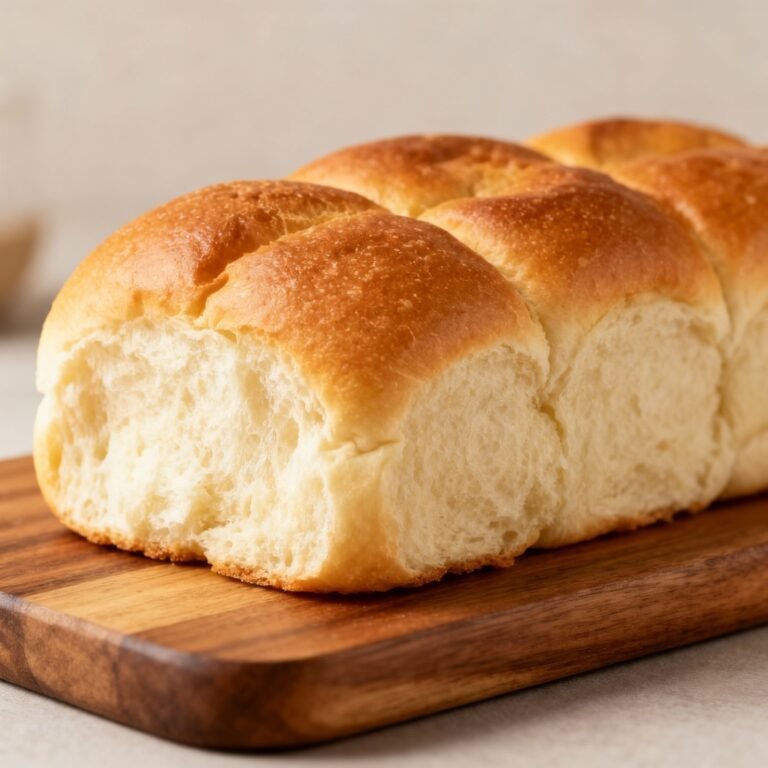
Is there anything better than a perfect sandwich? A symphony of flavors and textures nestled between two slices of pillowy-soft, homemade bread. But let’s be honest, finding a reliable sandwich bread recipe can be a real challenge. Some are too dense, others too crumbly, and many just lack that essential “wow” factor. That’s why we’re thrilled to share our absolute best sandwich bread recipe – a recipe that consistently delivers incredible results, time after time. This isn’t just good bread; it’s sandwich bread perfection. Get ready to elevate your lunch game!
Why This Recipe Works
This recipe isn’t just a random collection of ingredients thrown together. It’s the result of careful experimentation and a deep understanding of how each component contributes to the final product. Here’s why it works so well:
- The Tangzhong Method: This Japanese technique involves cooking a small portion of the flour and liquid together before adding it to the rest of the dough. This pre-gelatinizes the starches, allowing the flour to absorb more water and resulting in a softer, moister bread with a longer shelf life.
- The Right Flour Blend: We use a combination of bread flour and all-purpose flour to achieve the perfect balance of structure and tenderness. Bread flour provides the gluten needed for a good rise, while all-purpose flour keeps the bread from becoming too tough.
- A Touch of Sweetness: A small amount of sugar not only adds a subtle sweetness but also helps to activate the yeast and contribute to a beautiful golden-brown crust.
- Proper Hydration: The water-to-flour ratio is crucial. Too little water, and the bread will be dry; too much, and it will be difficult to handle. This recipe strikes the perfect balance for a soft and manageable dough.
- Careful Kneading: Kneading develops the gluten, creating the structure that gives the bread its shape and chewiness. We recommend using a stand mixer for ease and consistency, but you can also knead by hand.
Ingredients
- Tangzhong:
- 1/4 cup (30g) bread flour
- 1/2 cup (120ml) water
- Dough:
- 3 cups (360g) bread flour
- 1 cup (120g) all-purpose flour
- 1/4 cup (50g) granulated sugar
- 1 1/2 teaspoons (6g) salt
- 2 1/4 teaspoons (7g) active dry yeast (or 1 packet)
- 1 1/4 cups (300ml) lukewarm milk (about 105-115°F)
- 4 tablespoons (56g) unsalted butter, softened
- Egg Wash (optional):
- 1 large egg, beaten
- 1 tablespoon milk or water
Instructions
- Prepare the Tangzhong: In a small saucepan, whisk together the bread flour and water for the tangzhong. Cook over medium-low heat, stirring constantly, until the mixture thickens into a paste-like consistency (about 2-3 minutes). Remove from heat and let cool completely.
- Combine Dry Ingredients: In the bowl of a stand mixer fitted with a dough hook, combine the bread flour, all-purpose flour, sugar, salt, and yeast.
- Add Wet Ingredients: Add the lukewarm milk and cooled tangzhong to the dry ingredients. Mix on low speed until a shaggy dough forms.
- Knead the Dough: Add the softened butter and knead on medium speed for 8-10 minutes, or until the dough is smooth, elastic, and pulls away from the sides of the bowl. If kneading by hand, knead on a lightly floured surface for 10-12 minutes.
- First Rise: Place the dough in a lightly oiled bowl, turning to coat. Cover with plastic wrap or a clean kitchen towel and let rise in a warm place for 1-1.5 hours, or until doubled in size.
- Shape the Dough: Gently punch down the dough to release the air. Turn the dough out onto a lightly floured surface. Divide the dough into two equal pieces. Roll each piece into a rectangle about 8×12 inches. Starting from one short end, tightly roll up each rectangle into a log. Pinch the seam to seal.
- Second Rise: Place the dough logs, seam-side down, into a greased 9×5 inch loaf pan. Cover with plastic wrap or a clean kitchen towel and let rise in a warm place for 45-60 minutes, or until the dough has risen about 1 inch above the rim of the pan.
- Preheat Oven: Preheat oven to 350°F (175°C).
- Bake the Bread: Brush the tops of the loaves with the optional egg wash for a shiny, golden-brown crust. Bake for 30-35 minutes, or until the internal temperature reaches 200-205°F (93-96°C). If the tops are browning too quickly, tent with foil.
- Cool the Bread: Remove the bread from the oven and let cool in the pan for 10 minutes before transferring to a wire rack to cool completely.
Tips for Success
- Use an Oven Thermometer: Oven temperatures can vary, so using an oven thermometer ensures accurate baking.
- Don’t Overknead: Overkneading can result in tough bread. Knead until the dough is smooth and elastic.
- Proper Proofing: Allow the dough to rise in a warm, draft-free place for optimal results. A slightly warm oven (turned off!) or a sunny windowsill can work well.
- Cool Completely Before Slicing: This is crucial! Slicing warm bread will result in a gummy texture.
- Adjust Sweetness to Taste: If you prefer a less sweet bread, reduce the sugar to 2 tablespoons.
- Substitute Honey or Maple Syrup: For a different flavor profile, try substituting honey or maple syrup for the granulated sugar. Use the same amount.
Storage Instructions
To keep your sandwich bread fresh, store it in an airtight container at room temperature for up to 3 days. For longer storage, slice the bread and freeze it in a freezer-safe bag for up to 2 months. Thaw the bread at room temperature before using.

FAQ
Q: Can I use whole wheat flour in this recipe?
A: Yes, you can substitute up to 1 cup of the bread flour with whole wheat flour. Keep in mind that whole wheat flour will absorb more water, so you may need to add a tablespoon or two of extra water to the dough.
Q: Can I make this recipe without a stand mixer?
A: Absolutely! You can knead the dough by hand on a lightly floured surface. It will take a bit longer (around 10-12 minutes), but the results will be just as delicious.
Q: My bread is browning too quickly. What should I do?
A: If the top of the bread is browning too quickly, tent it with foil during the last 10-15 minutes of baking.
Q: Why is my bread dense and not rising properly?
A: This could be due to several factors, including using expired yeast, not allowing the dough to rise in a warm enough place, or overkneading the dough. Make sure your yeast is fresh, provide a warm environment for rising, and avoid overkneading.
Q: Can I add seeds or other toppings to the bread?
A: Yes! You can add seeds (such as sesame, poppy, or sunflower seeds) to the top of the bread before baking. You can also incorporate ingredients like herbs, cheese, or dried fruit into the dough itself.
Conclusion
This sandwich bread recipe is a game-changer. It’s easy to follow, produces consistently soft and delicious bread, and elevates any sandwich to a whole new level. So, ditch the store-bought loaves and experience the joy of baking your own perfect sandwich bread. Your taste buds (and your sandwiches) will thank you!