Best Sponge Cake Recipe: The Secret to Cloud-Like Perfection
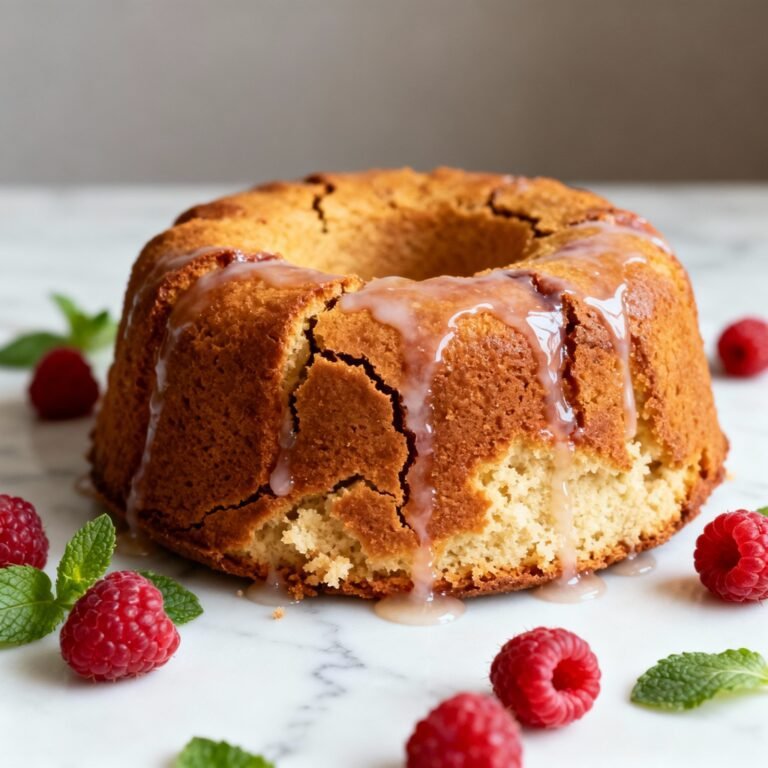
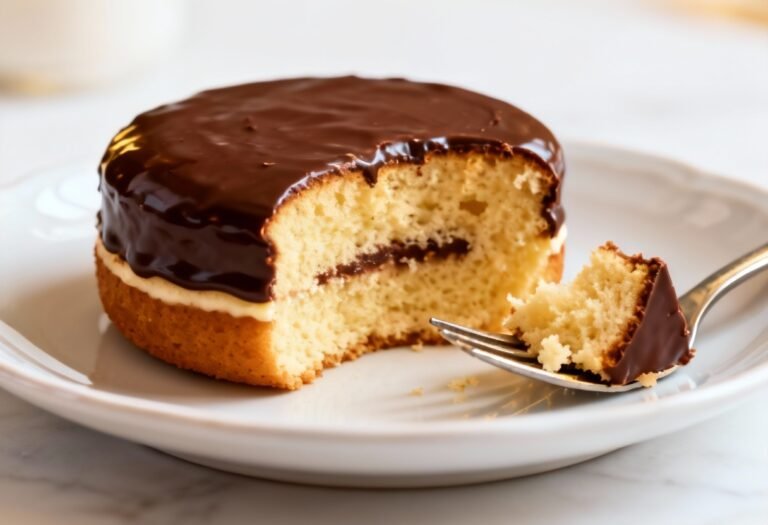
Ah, sponge cake. The epitome of light, airy, and delicate desserts. It’s the foundation for so many incredible creations, from elegant afternoon tea treats to show-stopping layer cakes. But achieving that perfect, cloud-like texture can be tricky. Too often, sponge cakes end up dense, dry, or simply lacking that ethereal quality we all crave. Fear not, fellow bakers! This recipe is your key to unlocking sponge cake success, every single time. We’ve meticulously tested and refined this recipe to guarantee a consistently perfect, melt-in-your-mouth sponge cake that will impress even the most discerning palate. Get ready to elevate your baking game!
Why This Recipe Works
This recipe stands apart from the rest because it focuses on several key principles that contribute to a superior sponge cake texture:
- Proper Egg Foam: The foundation of a great sponge cake is a stable and voluminous egg foam. We’ll guide you through the precise whipping technique to ensure maximum air incorporation.
- Gentle Folding: Overmixing is the enemy of a light sponge cake. Our instructions emphasize gentle folding to maintain the airiness of the egg foam.
- Accurate Measurements: Baking is a science, and precise measurements are crucial. We provide clear and accurate ingredient quantities.
- Oven Temperature Control: Maintaining a consistent oven temperature is essential for even baking and preventing the cake from collapsing.
- The Right Flour: Cake flour is the preferred choice for its lower protein content, resulting in a more tender crumb.
Ingredients
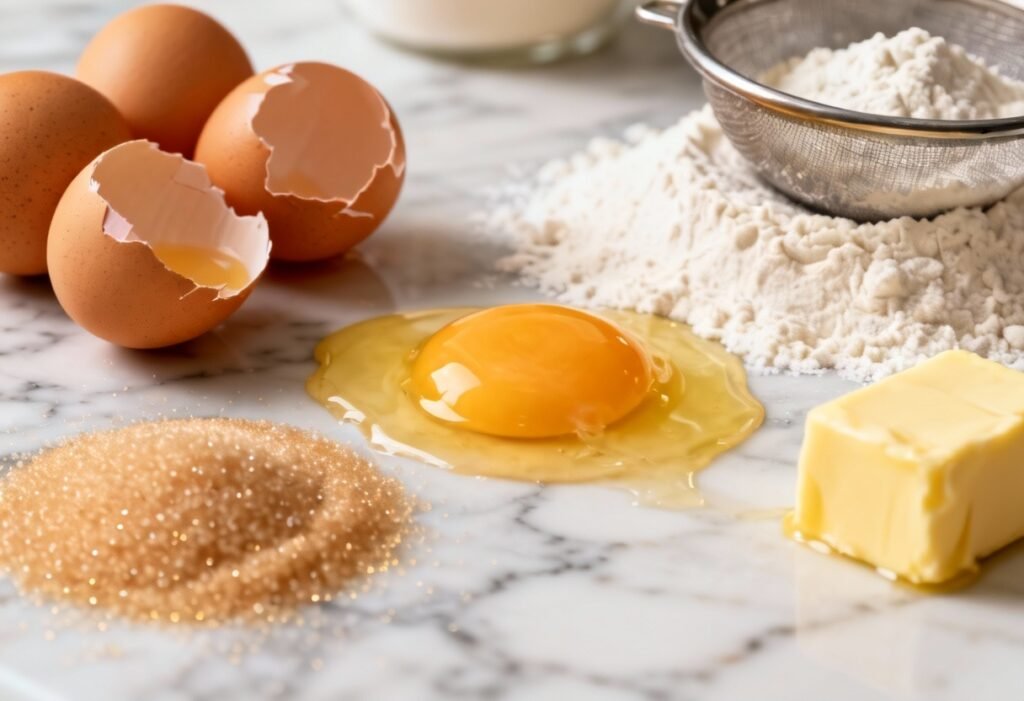
- 6 large eggs, separated, at room temperature
- 1 cup (200g) granulated sugar, divided
- 1 teaspoon vanilla extract
- 1 cup (120g) cake flour, sifted
- 1/4 teaspoon salt
- 2 tablespoons unsalted butter, melted and cooled slightly
- 2 tablespoons milk, warmed
Instructions
- Preheat and Prepare: Preheat your oven to 325°F (160°C). Grease and flour a 9-inch round cake pan. Alternatively, line the bottom with parchment paper.
- Whip Egg Yolks: In a large bowl, beat the egg yolks with half of the sugar (1/2 cup or 100g) and the vanilla extract until pale yellow and thickened. This should take about 3-5 minutes with an electric mixer.
- Sift Dry Ingredients: In a separate bowl, whisk together the sifted cake flour and salt.
- Whip Egg Whites: In a clean, grease-free bowl, beat the egg whites with an electric mixer until soft peaks form. Gradually add the remaining sugar (1/2 cup or 100g) and continue beating until stiff, glossy peaks form. Be careful not to overwhip. The peaks should stand up straight but not be dry.
- Combine Mixtures: Gently fold one-third of the beaten egg whites into the egg yolk mixture to lighten it.
- Fold in Dry Ingredients: Gradually fold in the sifted flour mixture, alternating with the remaining egg whites, in two additions. Be very gentle and avoid overmixing. The batter should be light and airy.
- Incorporate Butter and Milk: In a small bowl, combine the melted butter and warm milk. Gently drizzle this mixture over the batter and fold it in until just combined. Be careful not to deflate the batter.
- Pour into Pan: Pour the batter into the prepared cake pan and spread it evenly.
- Bake: Bake for 30-35 minutes, or until a wooden skewer inserted into the center comes out clean. The cake should be golden brown and spring back lightly when touched.
- Cool: Let the cake cool in the pan for 10 minutes before inverting it onto a wire rack to cool completely.
Tips for Success
- Room Temperature Eggs: Using room temperature eggs is crucial for achieving maximum volume when whipping. If your eggs are cold, you can quickly warm them by placing them in a bowl of warm water for a few minutes.
- Clean Bowl and Beaters: Ensure your bowl and beaters are completely clean and free of any grease or oil when whipping the egg whites. Even a small amount of grease can prevent the egg whites from forming stiff peaks.
- Sifting is Key: Sifting the cake flour ensures that it is light and airy, which helps to prevent lumps and creates a more tender crumb.
- Gentle Folding: Overmixing the batter will deflate the egg foam and result in a dense cake. Be gentle and patient when folding in the dry ingredients and egg whites.
- Don’t Open the Oven Door: Avoid opening the oven door during baking, as this can cause the cake to collapse.
- Test for Doneness: Use a wooden skewer to test for doneness. If the skewer comes out clean, the cake is ready.
- Cool Completely: Allow the cake to cool completely before frosting or decorating. This will prevent the frosting from melting and ensure that the cake is stable.
Storage Instructions
Store the sponge cake in an airtight container at room temperature for up to 3 days. You can also freeze the cake for up to 2 months. Wrap the cake tightly in plastic wrap and then in aluminum foil before freezing. Thaw the cake overnight in the refrigerator before serving.
FAQ
Q: Can I use all-purpose flour instead of cake flour?
A: While it’s possible, cake flour is highly recommended for its lower protein content, which results in a more tender crumb. If you must use all-purpose flour, substitute 2 tablespoons of the flour with 2 tablespoons of cornstarch per cup of flour.
Q: Can I add flavorings to the cake?
A: Yes! You can add other extracts like almond, lemon, or orange. You can also add citrus zest for a brighter flavor.
Q: My cake collapsed in the center. What went wrong?
A: There are several reasons why a sponge cake might collapse. Overmixing the batter, opening the oven door during baking, or baking at too low a temperature can all contribute to this issue. Ensure that you are following the instructions carefully and maintaining a consistent oven temperature.
Q: Can I make this recipe into cupcakes?
A: Yes, you can! Fill cupcake liners about 2/3 full and bake for 15-20 minutes, or until a wooden skewer inserted into the center comes out clean.
Q: What’s the best way to frost this cake?
A: This sponge cake is incredibly versatile and pairs well with a variety of frostings. Whipped cream, buttercream, fruit preserves, or a simple dusting of powdered sugar are all excellent choices. Consider the flavors you want to highlight when selecting your frosting.
Conclusion
With its delicate texture and subtle sweetness, this sponge cake recipe is a true baking staple. By following these instructions and tips, you’ll be able to create a consistently perfect sponge cake that will impress everyone who tastes it. So, preheat your oven, gather your ingredients, and get ready to experience the joy of baking a truly exceptional sponge cake. Happy baking!