Black Eyed Peas Recipe That Slaps: Southern Comfort Meets Weeknight Speed
👩🍳 The Home Chef's Essential Kitchen
Consistently cooking incredible, healthy meals at home is so much easier when you aren't fighting with cheap tools. These are the 5 absolute powerhouse kitchen essentials that professional chefs and serious home cooks rely on every single day to get perfect results.
🍳 Lodge 10.25" Cast Iron Skillet
The single greatest value in all of cookware. It retains heat infinitely better than cheap non-stick pans, allowing you to get a restaurant-quality crust on steaks or perfect crispy edges on cornbread. With proper care, this $20 pan will literally outlive you.
🔪 Victorinox Fibrox Pro 8" Chef's Knife
A dull knife makes cooking a frustrating chore. This specific blade is the undisputed champion of the culinary world—it holds a terrifyingly sharp edge, features a comfortable non-slip grip, and performs identical to German knives that cost quadruple the price.
🌡️ ThermoPro Instant Read Thermometer
Never serve dry chicken or undercooked pork again. An instant-read thermometer is the secret difference between amateur cooks who 'guess' when protein is done, and professionals who know exactly when to pull meat off the heat for maximum juiciness.
🍲 Lodge Enameled Cast Iron Dutch Oven
The ultimate workhorse for soups, stews, braised short ribs, and baking crusty artisanal bread. The enameled interior provides incredible heat distribution for slow-cooking while eliminating the intense seasoning maintenance required by bare cast iron.
🥄 Bpa-Free Silicone Utensil Set
Throw away those melting plastic spatulas and bacteria-harboring wooden spoons. This pure silicone set is heat-resistant up to 600°F, won't scratch your expensive pans, and features seamless designs that make cleaning out thick sauces and batters effortless.
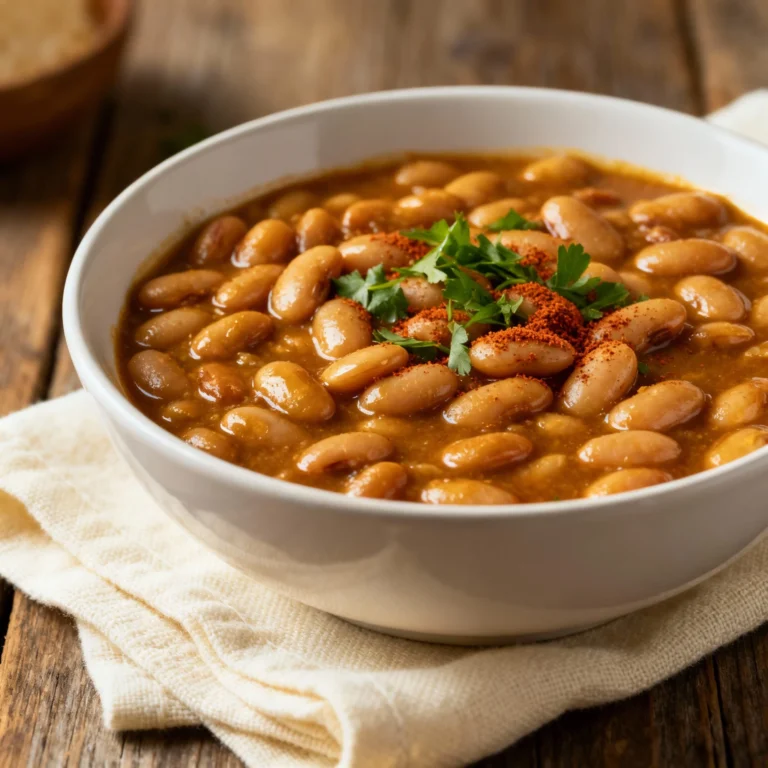
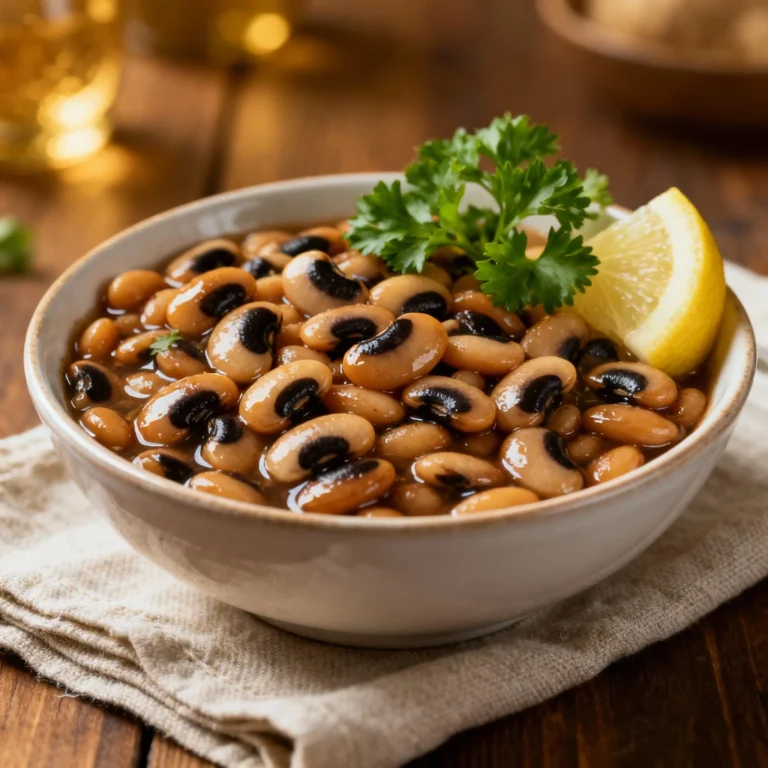
Here’s the truth: most “comfort food” takes forever and leaves you with five pans to scrub. Not this. This black eyed peas recipe is rich, smoky, and wildly satisfying—without hijacking your entire evening.
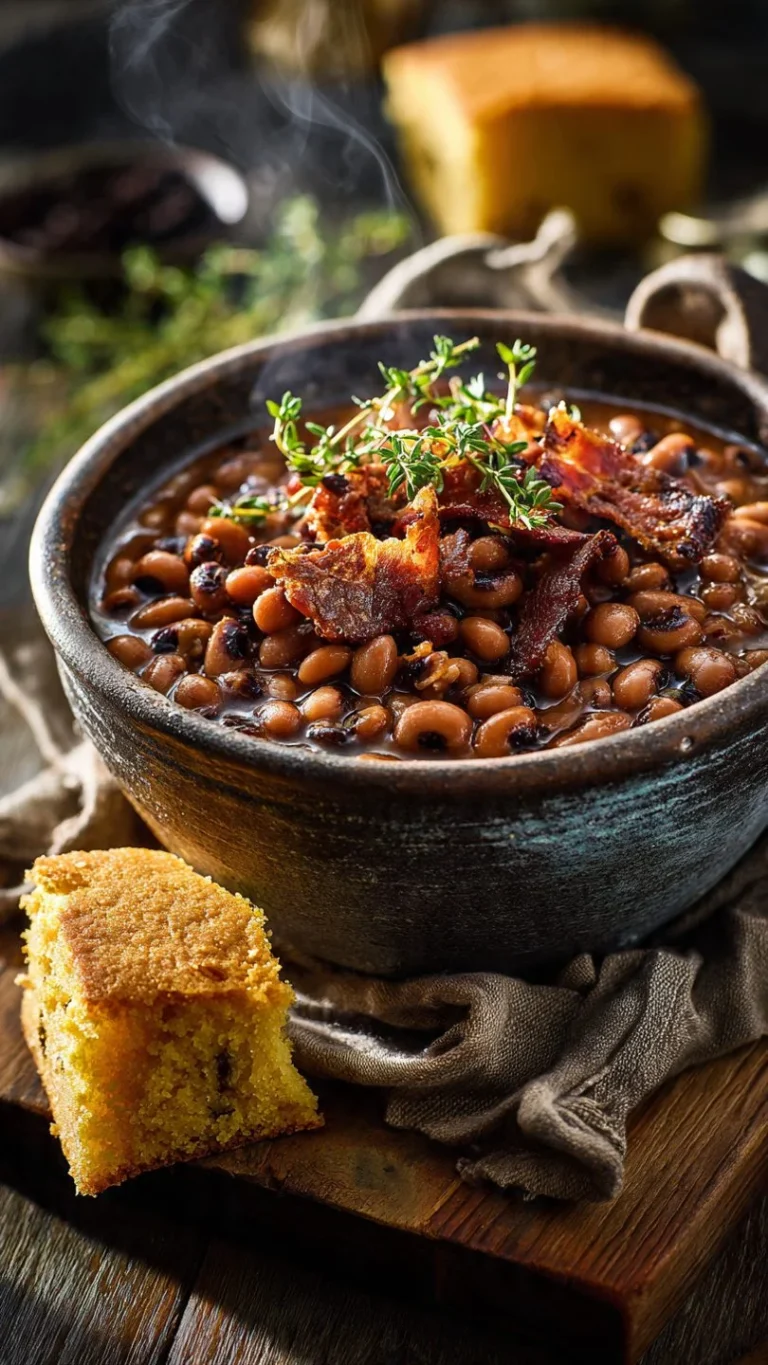
It’s the kind of bowl that makes you pause after the first bite and nod like, “Yep, that’s it.” Whether you’re feeding a crowd or just your future self with leftovers, this pot delivers flavor per minute like a boss. And no, you don’t need grandma’s cast-iron or a culinary degree—just a pot and some basics.
What Makes This Recipe So Good
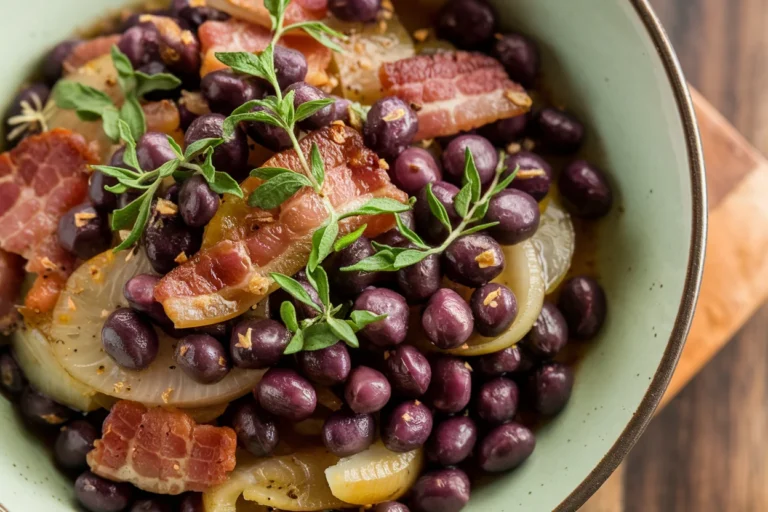
- Deep, soulful flavor fast: Smoked paprika, garlic, and a touch of bacon or smoked turkey build instant depth. No overnight flavor marathon required.
- Flexible and forgiving: Dried or canned beans?
Bacon or vegetarian? Spicy or mild? This recipe works with what you’ve got.
- One-pot simplicity: Minimal cleanup, maximal cozy vibes.
Your sink will thank you.
- Meal-prep friendly: Tastes even better on day two. Hello, easy lunches.
- Budget legend: Pantry staples that eat like a $20 entrée. Your wallet won’t complain.
Ingredients Breakdown
- Black eyed peas: 1 pound dried (soaked) or 3 cans (drained and rinsed).
Dried gives better texture; canned is speed mode.
- Smoked meat (optional): 4–6 oz diced bacon, ham hock, or smoked turkey wing. For vegetarian, skip and add more oil plus liquid smoke (a few drops).
- Olive oil or neutral oil: 1–2 tablespoons, especially if skipping bacon.
- Yellow onion: 1 large, diced, for sweetness and body.
- Celery: 2 ribs, diced, classic Southern aroma.
- Bell pepper: 1 small green or red, diced, for color and balance.
- Garlic: 4 cloves, minced. Non-negotiable.
- Tomato paste: 1 tablespoon, umami boost and light richness.
- Chicken or vegetable broth: 5–6 cups, low-sodium if possible.
- Bay leaf: 1, subtle earthiness.
- Smoked paprika: 1 teaspoon, smoky backbone.
- Cayenne or red pepper flakes: 1/4–1/2 teaspoon, to taste.
You’re the boss.
- Dried thyme: 1/2 teaspoon, herbal lift.
- Black pepper: 1/2 teaspoon, freshly ground.
- Kosher salt: 1–1.5 teaspoons, to taste. Add gradually.
- Apple cider vinegar or lemon juice: 1–2 teaspoons, for brightness at the end.
- Green onions or parsley: For garnish, optional but pretty.
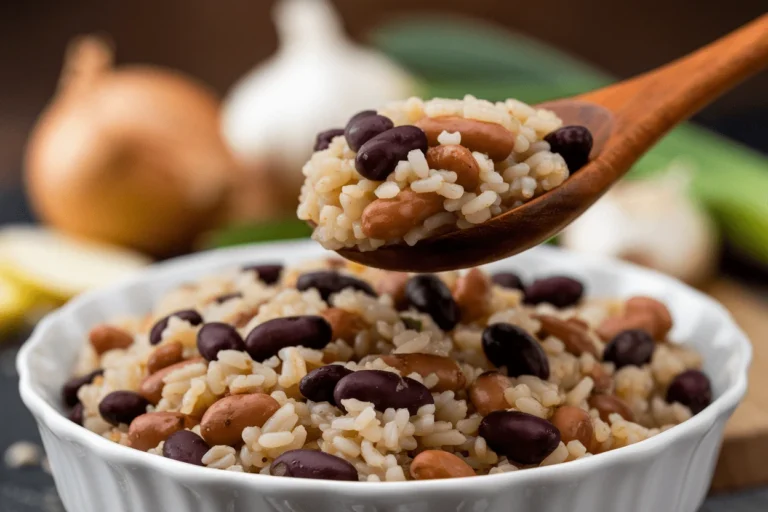
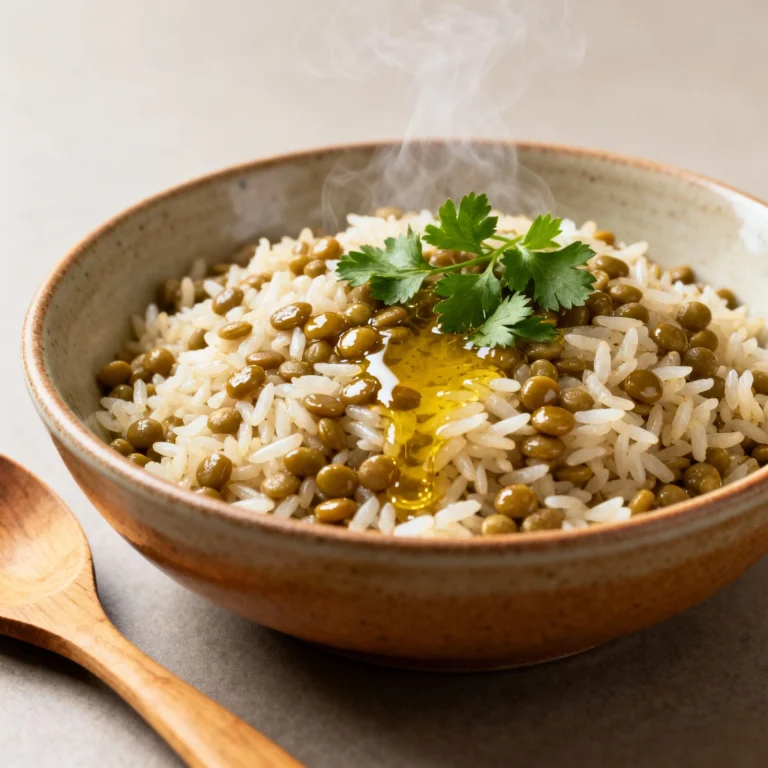
- Cooked rice or cornbread: Optional serving partners, highly recommended.
Instructions
- Prep the peas: If using dried, sort and rinse. Soak overnight, or quick-soak by boiling 5 minutes and resting 1 hour.
Drain. If using canned, simply drain and rinse.
- Brown the smoky base: In a large pot or Dutch oven, cook bacon or smoked turkey over medium heat until fat renders and edges brown. If using a ham hock, sear it.
Remove excess grease if overly fatty, leaving 1–2 tablespoons in the pot.
- Sweat the aromatics: Add oil if needed, then onion, celery, and bell pepper. Cook 5–7 minutes until softened and lightly golden. Stir in garlic and tomato paste; cook 1 minute until fragrant.
- Spice it right: Add smoked paprika, thyme, cayenne, and black pepper.
Toast 30 seconds to wake up the spices.
- Add peas and broth: Stir in black eyed peas, bay leaf, and enough broth to cover by about 1 inch (5–6 cups). Bring to a gentle boil.
- Simmer to tender: Reduce to a simmer, cover slightly ajar, and cook until peas are tender but not mushy. Dried: 45–70 minutes depending on soak and age.
Canned: 20–25 minutes is plenty.
- Finish with acid and salt: Stir in apple cider vinegar or lemon juice. Taste and season with salt gradually. Pro tip: finish salting after beans soften to avoid tough skins.
- Adjust texture: For creamier broth, smash a ladle of peas against the pot wall and stir.
For soupier, add a splash of hot water or broth.
- Serve: Ladle over rice or next to cornbread. Top with chopped green onions or parsley. Add hot sauce if you like a little chaos.
Keeping It Fresh
- Fridge: Store in airtight containers up to 4–5 days.
Flavor deepens by day two (chef’s kiss).
- Freezer: Freeze up to 3 months. Cool completely, portion into freezer bags or containers, and label. Thaw overnight in the fridge.
- Reheat: Warm gently on the stove with a splash of water or broth.
Avoid boiling to keep peas intact.
- Make-ahead tip: Cook the base (aromatics + spices) and freeze; add peas and broth later for almost-instant dinner.
Nutritional Perks
- Lean protein + fiber: Black eyed peas are protein-packed and fiber-rich, keeping you full and happy.
- Micronutrient win: High in folate, iron, potassium, and magnesium—great for energy and heart health.
- Lower sodium control: Using low-sodium broth and salting at the end keeps things balanced, IMO.
- Smart fats: Minimal added fat unless you go heavy on the bacon (no judgment, just awareness).
Avoid These Mistakes
- Salting too early: Heavy salt at the start can toughen dried beans. Season lightly early, finish late.
- Boiling like it’s pasta: Aggressive boiling bursts skins. Keep it at a gentle simmer.
- Skipping the acid: A tiny hit of vinegar or lemon transforms “pretty good” into “what sorcery is this?”
- Forgetting aromatics: Onion, celery, pepper, and garlic build the foundation.
Don’t shortcut all of them.
- Neglecting texture: Too thick? Add broth. Too thin?
Mash a few peas and simmer 5 minutes.
Alternatives
- Vegetarian/vegan: Skip smoked meat. Use vegetable broth, add 1–2 teaspoons soy sauce or tamari, and a few drops liquid smoke.
- Instant Pot: Sauté aromatics on Sauté, add ingredients, then pressure cook dried soaked beans for 15–20 minutes (natural release 15). Canned: 5 minutes.
- Spicy Creole twist: Add 1 teaspoon Creole seasoning, a diced jalapeño, and serve with hot sauce and scallions.
- Tomato-forward: Add a 14-ounce can of diced tomatoes (with juices) and reduce broth by 1 cup.
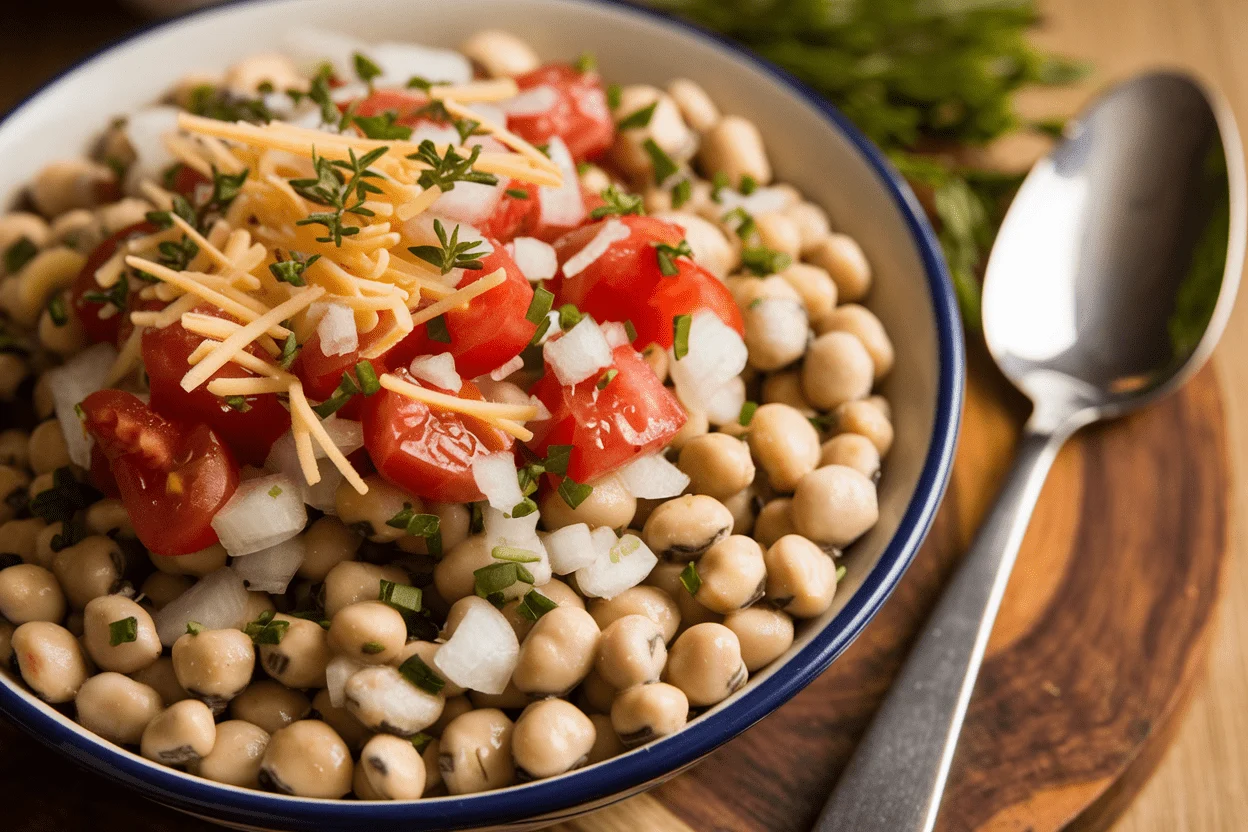
- Herb garden version: Finish with chopped fresh thyme and parsley; swap smoked paprika for regular if you’re going lighter.
- Greens add-in: Stir in 2 cups chopped collards or kale for the last 10–15 minutes.
More nutrients, more color.
FAQ
Do I need to soak dried black eyed peas?
No, but soaking reduces cook time and can help with even texture. Unsoaked beans will take longer and may need extra broth. If you’re in a rush, canned works great.
How do I make this without pork?
Use smoked turkey or go fully vegetarian with vegetable broth plus a few drops of liquid smoke or a pinch of smoked salt.
You’ll still get that deep, cozy flavor.
Why are my peas still tough?
They might be old (it happens), salted too early, or simmered too hard. Keep it gentle, add salt at the end, and give them more time. A tight lid helps.
Can I thicken the broth?
Yes.
Mash a ladle of peas into the pot, or simmer uncovered for a few minutes. Tomato paste also adds body without making it heavy.
What should I serve with black eyed peas?
Rice, cornbread, or even a baked sweet potato. Collard greens or a simple slaw on the side doesn’t hurt either—balance for the win, FYI.
The Bottom Line
This black eyed peas recipe is big on flavor, easy on effort, and friendly to whatever’s in your pantry.
It nails weeknight simplicity while tasting like you hovered over the stove for hours. Keep it classic or remix it—either way, you’ll end up with a pot of comfort that hits every time. Make extra.
Future-you will be grateful.