Boneless Lamb Leg Recipe: The Easiest Way to Impress
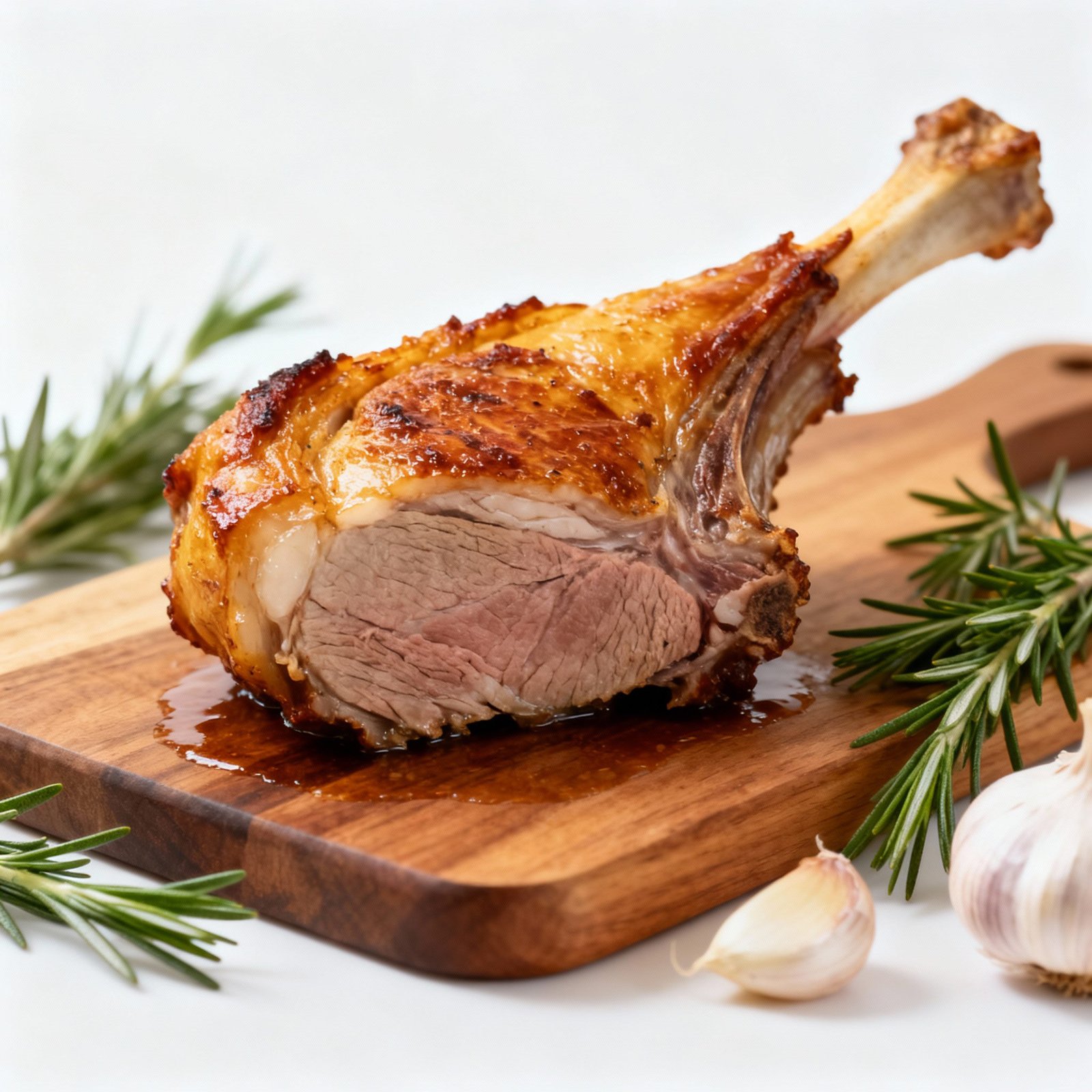
Roasted lamb leg is a classic for a reason. It’s succulent, flavorful, and perfect for a special occasion or a hearty Sunday dinner. But let’s be honest, dealing with a bone-in leg of lamb can be intimidating. That’s where this recipe for boneless lamb leg comes in! We’ve taken all the deliciousness of a traditional roast and simplified the process, making it incredibly easy to prepare and carve. Get ready to wow your family and friends with a perfectly cooked, tender, and incredibly flavorful lamb roast without any of the fuss. This recipe will become your go-to for effortless entertaining.
Why This Recipe Works
This boneless lamb leg recipe is a winner for several reasons:
- Ease of Preparation: Removing the bone eliminates the guesswork and allows for even cooking. No more worrying about the meat closest to the bone being undercooked!
- Even Cooking: A boneless roast cooks more evenly, resulting in a consistently tender and juicy result throughout.
- Easy Carving: Say goodbye to awkward carving angles! A boneless lamb leg slices beautifully, making serving a breeze.
- Flavor Infusion: Our simple yet flavorful marinade penetrates the meat deeply, ensuring every bite is packed with deliciousness.
- Versatility: This recipe is easily adaptable to your preferred herbs and spices. Feel free to experiment and create your own signature lamb roast.
Ingredients
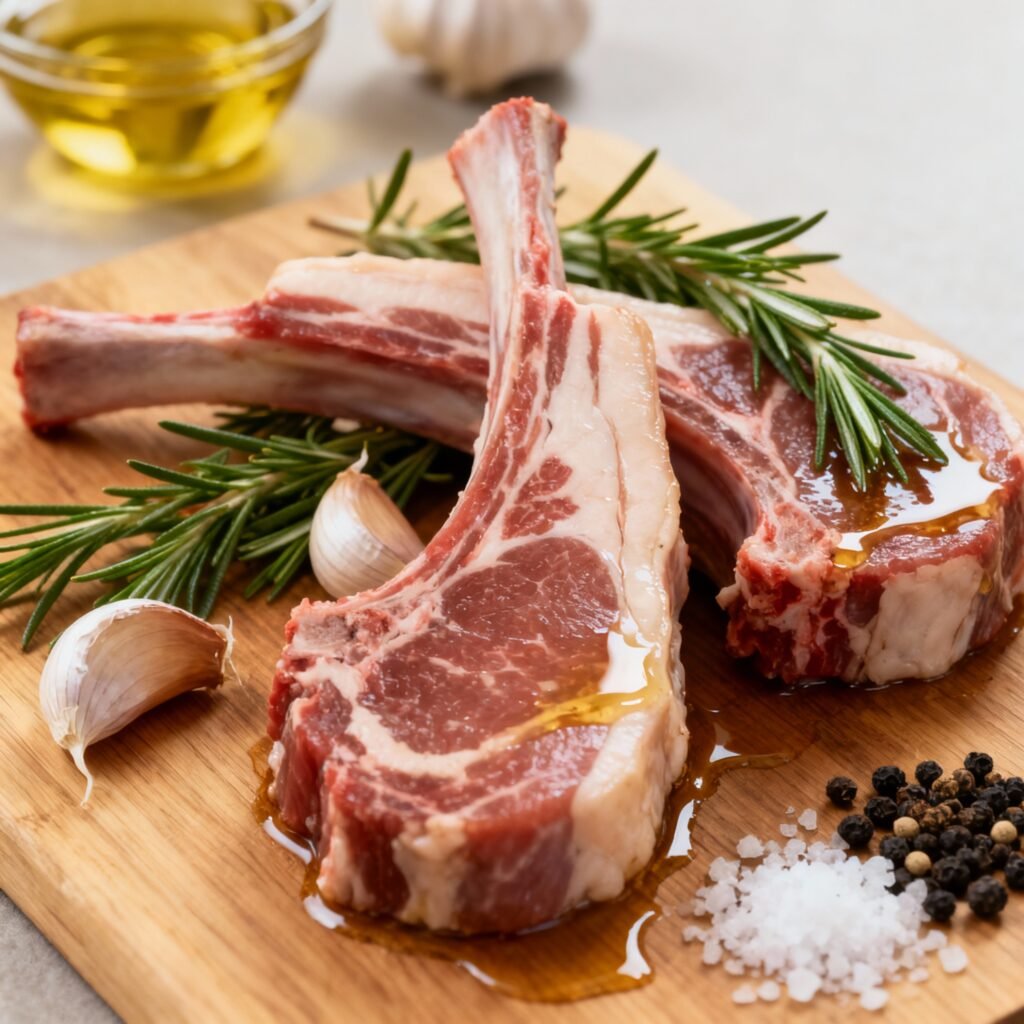
- Boneless Lamb Leg (2-3 lbs): Look for a leg that is well-trimmed and evenly shaped.
- Olive Oil (1/4 cup): Extra virgin olive oil is best for flavor.
- Garlic (4 cloves): Minced for maximum flavor release.
- Fresh Rosemary (2 tablespoons): Chopped. Fresh rosemary adds a classic lamb flavor.
- Fresh Thyme (2 tablespoons): Chopped. Thyme complements rosemary beautifully.
- Lemon Juice (2 tablespoons): Adds brightness and acidity to the marinade.
- Dijon Mustard (1 tablespoon): Helps to emulsify the marinade and adds a subtle tang.
- Salt (1 1/2 teaspoons): Adjust to your taste.
- Black Pepper (1 teaspoon): Freshly ground is preferred.
- Optional: Red pepper flakes for a touch of heat.
- Optional: 1 cup of dry red wine for braising during roasting (adds richness and moisture).
Instructions
- Prepare the Marinade: In a medium bowl, whisk together the olive oil, minced garlic, chopped rosemary, chopped thyme, lemon juice, Dijon mustard, salt, and pepper (and red pepper flakes, if using).
- Marinate the Lamb: Place the boneless lamb leg in a large resealable plastic bag or a shallow dish. Pour the marinade over the lamb, ensuring it’s evenly coated. Seal the bag or cover the dish and refrigerate for at least 4 hours, or preferably overnight. The longer it marinates, the more flavorful it will be.
- Preheat the Oven: Preheat your oven to 325°F (160°C).
- Sear the Lamb (Optional but Recommended): For extra flavor and a beautiful crust, sear the lamb before roasting. Remove the lamb from the marinade and pat it dry with paper towels. Heat a large oven-safe skillet or Dutch oven over medium-high heat. Add a tablespoon of olive oil to the skillet. Sear the lamb on all sides until browned, about 2-3 minutes per side.
- Roast the Lamb: Place the seared lamb (or the marinated lamb, if skipping the searing step) in the oven-safe skillet or Dutch oven. If you are using red wine for braising, pour it around the lamb in the skillet.
- Roasting Time: Roast the lamb for approximately 20-25 minutes per pound for medium-rare, 25-30 minutes per pound for medium, or 30-35 minutes per pound for medium-well. Use a meat thermometer to ensure accurate doneness.
- Check the Internal Temperature: Use a meat thermometer inserted into the thickest part of the lamb to check the internal temperature.
- Medium-Rare: 130-135°F (54-57°C)
- Medium: 135-140°F (57-60°C)
- Medium-Well: 140-145°F (60-63°C)
- Rest the Lamb: Once the lamb reaches your desired internal temperature, remove it from the oven and transfer it to a cutting board. Tent it loosely with foil and let it rest for at least 15-20 minutes. This allows the juices to redistribute, resulting in a more tender and flavorful roast.
- Make the Pan Sauce (Optional): While the lamb is resting, you can make a simple pan sauce using the pan drippings. Place the skillet or Dutch oven on the stovetop over medium heat. Whisk in 1 tablespoon of flour and cook for 1 minute. Gradually whisk in 1 cup of beef broth or chicken broth. Bring to a simmer and cook until the sauce has thickened slightly, about 5-7 minutes. Season with salt and pepper to taste.
- Carve and Serve: After the lamb has rested, carve it against the grain into thin slices. Serve with the pan sauce (if made) and your favorite side dishes.
Tips for Success
- Don’t Overcook: Lamb is best served medium-rare to medium. Overcooking will result in a dry and tough roast. Use a meat thermometer to ensure accurate doneness.
- Let it Rest: Resting the lamb is crucial for a tender and juicy result. Don’t skip this step!
- Sear for Flavor: Searing the lamb before roasting adds a delicious crust and enhances the overall flavor.
- Use Fresh Herbs: Fresh herbs provide the best flavor. If using dried herbs, use about half the amount called for in the recipe.
- Adjust Roasting Time: Roasting time will vary depending on the size and shape of the lamb leg, as well as your oven. Use a meat thermometer to ensure accurate doneness.
- Consider a Braising Liquid: Braising the lamb with red wine or broth during roasting adds moisture and richness to the meat.
Storage Instructions
Store leftover cooked lamb in an airtight container in the refrigerator for up to 3-4 days. You can reheat it gently in the oven, microwave, or skillet. To prevent it from drying out, add a little broth or pan sauce during reheating.
FAQ
Q: Can I use a bone-in leg of lamb for this recipe?
A: While this recipe is specifically for a boneless leg of lamb, you can adapt it for a bone-in leg. However, you will need to adjust the roasting time and carving will be more challenging. A bone-in leg will take longer to cook.
Q: Can I use dried herbs instead of fresh?
A: Yes, you can use dried herbs. Use about half the amount called for in the recipe, as dried herbs are more potent than fresh herbs.
Q: What side dishes go well with roasted lamb?
A: Roasted lamb pairs well with a variety of side dishes, such as roasted vegetables (potatoes, carrots, asparagus), mashed potatoes, rice pilaf, couscous, and a fresh salad.
Q: Can I freeze leftover cooked lamb?
A: Yes, you can freeze leftover cooked lamb. Wrap it tightly in plastic wrap and then foil, or place it in an airtight freezer bag. It can be frozen for up to 2-3 months. Thaw it overnight in the refrigerator before reheating.
Q: What temperature should the lamb be for well done?
A: We don’t recommend cooking lamb to well done, as it can become dry and tough. However, if you prefer your lamb well-done, cook it to an internal temperature of 155-160°F (68-71°C).
Conclusion
This boneless lamb leg recipe is your secret weapon for creating a show-stopping, delicious, and stress-free meal. With its simplified preparation, even cooking, and incredible flavor, it’s sure to impress your family and friends. So, ditch the intimidation and embrace the ease of a boneless lamb leg. Enjoy!