Bread Machine Pizza Dough Recipe: Foolproof Pizza Night!
Craving homemade pizza but dread the kneading? This bread machine pizza dough recipe is your answer! Forget sticky hands and laborious work – your bread machine does all the hard work, leaving you with perfectly pliable, flavorful dough ready to be topped with your favorite ingredients. Imagine the aroma of freshly baked pizza filling your kitchen, all achieved with minimal effort. This recipe is perfect for busy weeknights, impromptu gatherings, or anytime you want a delicious, homemade meal without the fuss. Get ready to ditch the takeout menu and embrace the joy of homemade pizza!
Why This Recipe Works
This recipe is designed for consistent results every time. Here’s why it’s a winner:
- Bread Machine Magic: The bread machine precisely controls the mixing, kneading, and rising processes, ensuring optimal gluten development and a light, airy crust.
- Balanced Hydration: The ratio of water to flour is carefully calibrated to create a dough that’s easy to work with but still yields a chewy, flavorful crust.
- Simple Ingredients: We use readily available ingredients, so you can whip up this dough anytime.
- Customizable: Feel free to adapt the recipe to your preferences, adding herbs, spices, or different types of flour for a unique twist.
- Beginner-Friendly: Even if you’ve never made pizza dough before, this recipe is incredibly easy to follow.
Ingredients
- 1 cup (240ml) warm water (105-115°F or 40-46°C)
- 2 tablespoons olive oil
- 1 teaspoon salt
- 1 tablespoon sugar (or honey)
- 3 cups (360g) bread flour (can substitute with all-purpose flour, but bread flour yields a chewier crust)
- 2 ¼ teaspoons (1 packet) active dry yeast (or instant yeast)

Instructions
- Add Ingredients to the Bread Machine: Follow your bread machine manufacturer’s instructions for the order of ingredients. Generally, add the wet ingredients first (warm water, olive oil), followed by the dry ingredients (salt, sugar, flour), and finally the yeast. Make sure the salt and sugar are not directly on top of the yeast, as this can inhibit its activation.
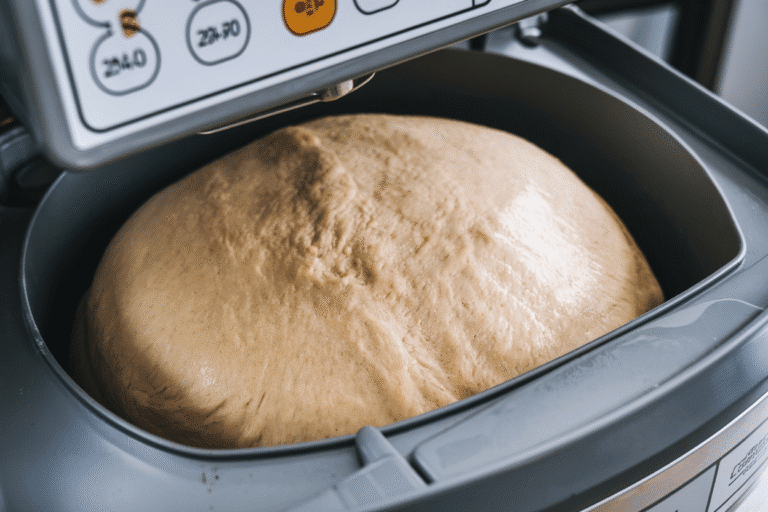
- Select Dough Cycle: Choose the “Dough” cycle on your bread machine. This cycle typically includes mixing, kneading, and a rise.
- Monitor the Dough: Keep an eye on the dough during the first few minutes of kneading. If it seems too dry (forming a tight ball that’s not picking up all the flour), add a tablespoon of water at a time until the dough comes together in a smooth, slightly sticky ball. If it seems too wet (sticking excessively to the sides of the pan), add a tablespoon of flour at a time until the dough reaches the desired consistency.
- Remove Dough: Once the dough cycle is complete, carefully remove the dough from the bread machine. It should be smooth, elastic, and slightly sticky.
- Preheat Oven: Preheat your oven to 450°F (232°C). If you have a pizza stone, place it in the oven while it preheats.
- Divide Dough (Optional): If you want to make individual pizzas or smaller pizzas, divide the dough in half or into smaller portions.
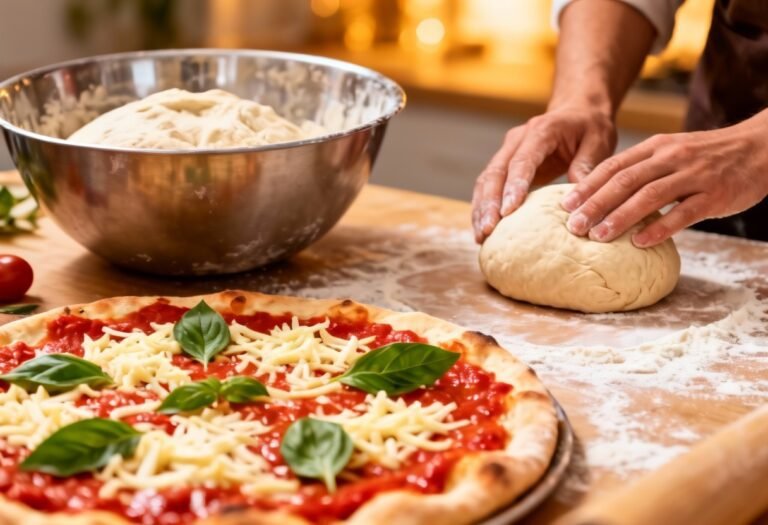
- Shape the Dough: On a lightly floured surface, gently stretch or roll out the dough to your desired thickness and shape. Avoid overworking the dough, as this can make it tough.
- Transfer to Baking Sheet or Pizza Stone: Carefully transfer the shaped dough to a baking sheet or a preheated pizza stone.
- Add Toppings: Spread your favorite pizza sauce over the dough, leaving a small border for the crust. Add your desired toppings, such as cheese, vegetables, and meats.
- Bake: Bake for 12-15 minutes, or until the crust is golden brown and the cheese is melted and bubbly.
- Cool and Serve: Let the pizza cool for a few minutes before slicing and serving. Enjoy!
Tips for Success
- Use Warm Water: Warm water activates the yeast and helps the dough rise properly. Make sure the water isn’t too hot, as this can kill the yeast. Aim for 105-115°F (40-46°C).
- Measure Accurately: Accurate measurements are crucial for consistent results. Use measuring cups and spoons specifically designed for baking. A kitchen scale is even better for precise flour measurement.
- Use Bread Flour: Bread flour has a higher protein content than all-purpose flour, which helps develop more gluten and results in a chewier crust. If you don’t have bread flour, you can use all-purpose flour, but the crust will be slightly less chewy.
- Don’t Overknead: The bread machine takes care of this, but if you’re adjusting the dough’s consistency, be careful not to overknead it. Overkneading can result in a tough crust.
- Let the Dough Rise Properly: The dough cycle in the bread machine ensures proper rising. Don’t skip this step!
- Preheat Your Pizza Stone: If you’re using a pizza stone, preheating it in the oven will help create a crispy crust.
- Customize Your Toppings: Get creative with your toppings! Experiment with different cheeses, vegetables, meats, and sauces.
- Brush the Crust with Olive Oil: Before baking, brush the crust with olive oil for a golden brown and flavorful crust.
- Use a Pizza Peel: A pizza peel makes it easier to transfer the pizza to and from the oven.
Storage Instructions
Unbaked Dough:
- Refrigerator: You can store the unbaked dough in the refrigerator for up to 24 hours. Place the dough in a lightly oiled bowl, cover it with plastic wrap, and refrigerate. When ready to use, let the dough come to room temperature for about 30 minutes before shaping.
- Freezer: For longer storage, you can freeze the unbaked dough for up to 2 months. Divide the dough into portions, wrap each portion tightly in plastic wrap, and then place them in a freezer bag. To thaw, transfer the dough to the refrigerator overnight. Let it come to room temperature for about 30 minutes before shaping.
Baked Pizza:
- Refrigerator: Store leftover baked pizza in the refrigerator for up to 3-4 days. Wrap it tightly in plastic wrap or place it in an airtight container.
- Freezer: You can also freeze leftover baked pizza for up to 2 months. Wrap individual slices tightly in plastic wrap and then place them in a freezer bag. To reheat, bake in a preheated oven at 350°F (175°C) until heated through.

FAQ
Q: Can I use all-purpose flour instead of bread flour?
A: Yes, you can use all-purpose flour, but the crust will be slightly less chewy. Bread flour has a higher protein content, which helps develop more gluten and results in a chewier crust.
Q: Can I use instant yeast instead of active dry yeast?
A: Yes, you can use instant yeast. You don’t need to proof instant yeast before adding it to the bread machine. Simply add it to the other dry ingredients.
Q: My dough is too sticky. What should I do?
A: Add a tablespoon of flour at a time until the dough reaches the desired consistency. Be careful not to add too much flour, as this can make the crust tough.
Q: My dough is too dry. What should I do?
A: Add a tablespoon of water at a time until the dough comes together in a smooth, slightly sticky ball.
Q: Can I add herbs or spices to the dough?
A: Yes! Feel free to add herbs like oregano, basil, or garlic powder to the dough for extra flavor.
Q: My pizza crust is not crispy enough. What can I do?
A: Make sure your oven is hot enough (450°F or 232°C). Preheat your pizza stone if you’re using one. You can also try brushing the crust with olive oil before baking.
Conclusion
This bread machine pizza dough recipe is a game-changer for homemade pizza lovers. It’s easy, convenient, and yields delicious results every time. With minimal effort, you can enjoy a perfectly crafted pizza crust topped with your favorite ingredients. So, ditch the takeout menu and embrace the joy of homemade pizza. Your bread machine is ready to help you create pizza night magic!