Butter Cake Recipe Moist: The Secret to Bakery-Perfect Results
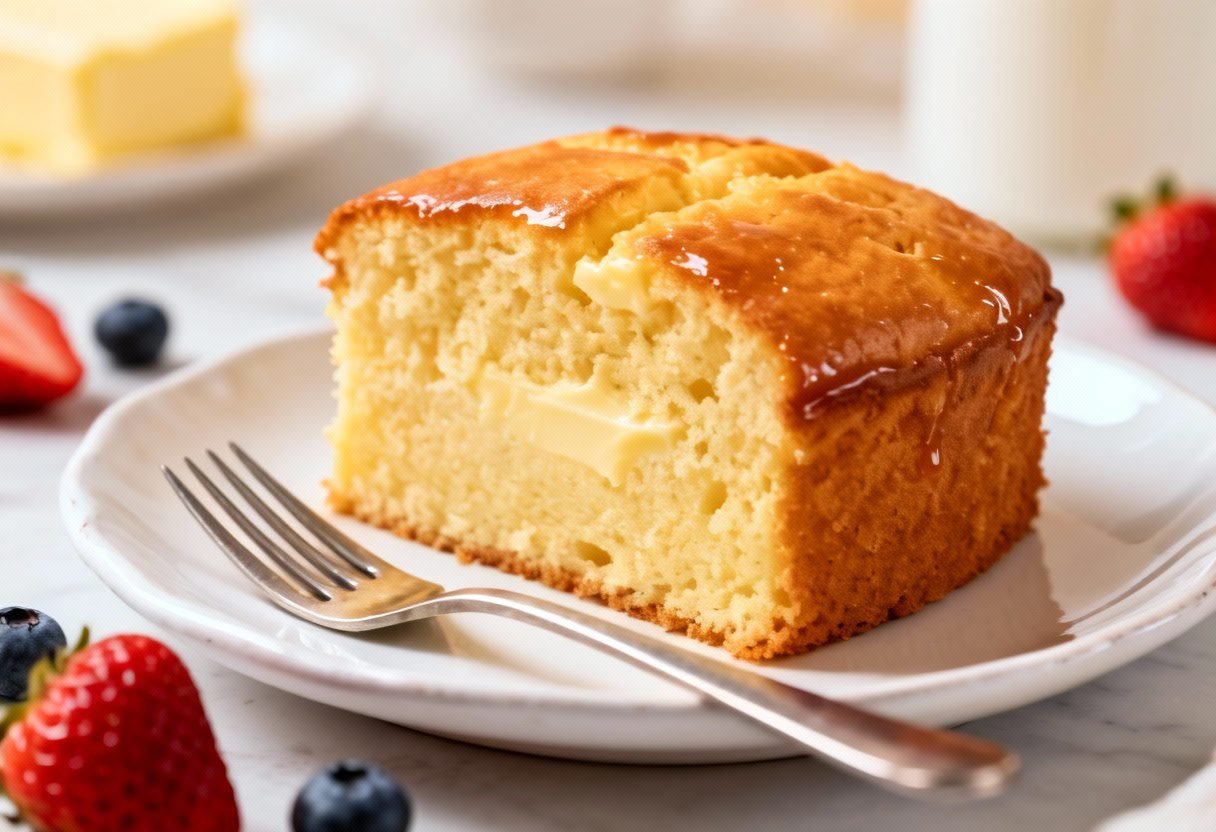
Is there anything more comforting than a slice of moist, buttery cake? This recipe delivers just that – a melt-in-your-mouth butter cake that’s perfect for any occasion. Whether you’re celebrating a birthday, need a simple dessert for a weeknight, or just want to indulge in a classic treat, this cake will not disappoint. Forget dry, crumbly cakes; this recipe guarantees a moist and flavorful experience that will have everyone asking for seconds. Get ready to bake the best butter cake you’ve ever tasted!
Why This Recipe Works
This recipe isn’t just another cake recipe; it’s a carefully crafted formula designed to maximize moisture and flavor. Here’s why it works so well:
- Reverse Creaming Method: Instead of creaming the butter and sugar together first, this recipe utilizes the reverse creaming method. This involves combining the dry ingredients (flour, sugar, baking powder, and salt) with the butter first. This coats the flour particles with fat, which inhibits gluten development. Less gluten means a more tender and moist cake.
- Buttermilk Magic: Buttermilk adds a subtle tang and contributes to the cake’s tenderness. Its acidity helps to break down gluten further, resulting in a softer crumb.
- High Butter Ratio: The generous amount of butter is crucial for flavor and moisture. Butter is a fat, and fat equals tenderness and richness in baking.
- Proper Mixing Technique: Overmixing develops gluten, leading to a tough cake. This recipe emphasizes careful mixing to ensure a light and airy texture.
- Room Temperature Ingredients: Room temperature ingredients emulsify better, creating a smoother batter and a more even bake. This is especially important for the butter and eggs.
Ingredients
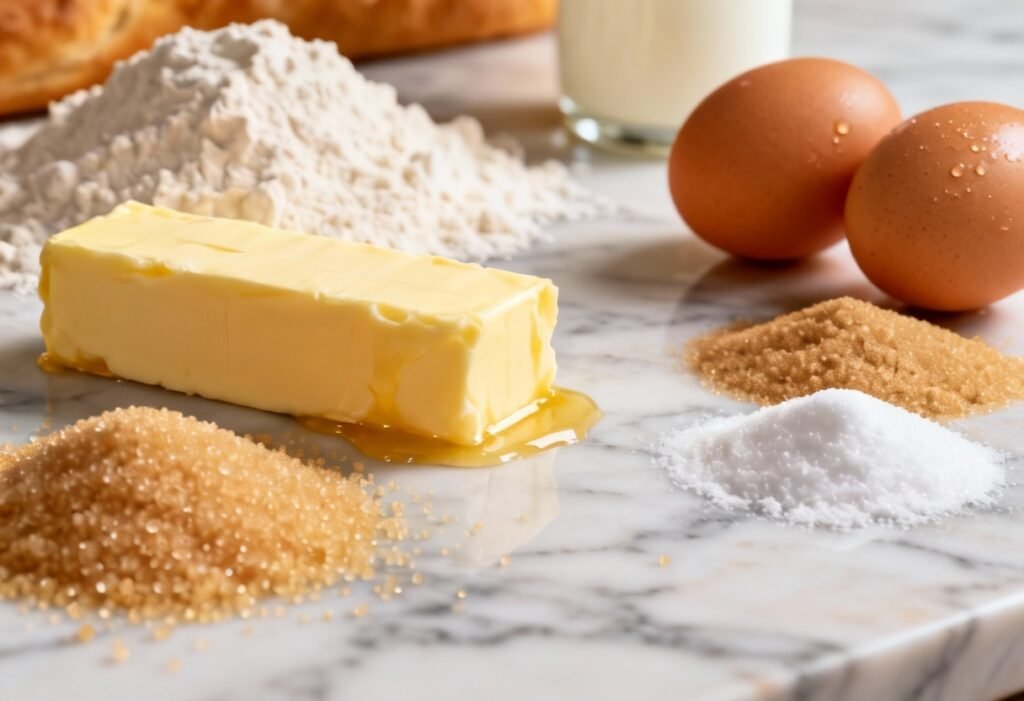
- 2 ½ cups (300g) all-purpose flour
- 1 ¾ cups (350g) granulated sugar
- 3 ½ teaspoons baking powder
- ¾ teaspoon salt
- 1 cup (226g) unsalted butter, cold and cut into cubes
- 1 cup (240ml) buttermilk, room temperature
- 2 large eggs, room temperature
- 1 teaspoon vanilla extract
Instructions
- Preheat and Prep: Preheat your oven to 350°F (175°C). Grease and flour a 9-inch round cake pan (or a 9×13 inch rectangular pan). Alternatively, you can line the pan with parchment paper, leaving an overhang for easy removal.
- Combine Dry Ingredients: In a large mixing bowl, whisk together the flour, sugar, baking powder, and salt.
- Incorporate Butter: Add the cold, cubed butter to the dry ingredients. Using a pastry blender or your fingertips, cut the butter into the dry ingredients until the mixture resembles coarse crumbs. This step is crucial for creating a tender crumb. You can also use a stand mixer with the paddle attachment on low speed.
- Combine Wet Ingredients: In a separate bowl, whisk together the buttermilk, eggs, and vanilla extract until well combined.
- Combine Wet and Dry: Gradually add the wet ingredients to the dry ingredients, mixing on low speed until just combined. Be careful not to overmix. A few streaks of flour are okay at this point.
- Final Mixing: Scrape down the sides of the bowl and mix for another 30 seconds on medium speed until the batter is smooth and evenly combined. Do not overmix!
- Pour and Bake: Pour the batter into the prepared cake pan and spread it evenly.
- Bake: Bake for 30-35 minutes, or until a wooden skewer inserted into the center comes out clean or with a few moist crumbs attached.
- Cooling: Let the cake cool in the pan for 10-15 minutes before inverting it onto a wire rack to cool completely.
- Frost (Optional): Once the cake is completely cool, frost it with your favorite frosting. A simple vanilla buttercream or chocolate ganache would be delicious.
Tips for Success
Follow these tips to ensure your butter cake turns out perfectly moist and delicious every time:
- Use Cold Butter: Cold butter is essential for the reverse creaming method. It helps to inhibit gluten development, resulting in a more tender cake.
- Don’t Overmix: Overmixing develops gluten, which can lead to a tough cake. Mix the batter until just combined.
- Room Temperature Ingredients: Using room temperature buttermilk and eggs allows them to emulsify properly with the butter, creating a smoother batter and a more even bake.
- Measure Accurately: Accurate measurements are crucial for baking success. Use a kitchen scale for the most precise results. If using measuring cups, spoon the flour into the cup and level it off with a straight edge. Do not scoop the flour, as this can pack it down and result in too much flour in the recipe.
- Check for Doneness: Use a wooden skewer to check for doneness. Insert the skewer into the center of the cake. If it comes out clean or with a few moist crumbs attached, the cake is done.
- Cool Completely: Allow the cake to cool completely before frosting. This will prevent the frosting from melting.
- Pan Prep is Key: Thoroughly greasing and flouring the cake pan (or using parchment paper) is essential for preventing the cake from sticking.
Storage Instructions
Store leftover butter cake in an airtight container at room temperature for up to 3 days, or in the refrigerator for up to 5 days. For longer storage, you can freeze the cake. Wrap the cooled cake tightly in plastic wrap and then in aluminum foil. Freeze for up to 2-3 months. Thaw the cake in the refrigerator overnight before serving.
FAQ
Q: Can I use salted butter instead of unsalted butter?
A: Yes, you can use salted butter. However, reduce the amount of salt in the recipe by ¼ teaspoon.
Q: Can I use milk instead of buttermilk?
A: While buttermilk is preferred for its tang and tenderizing properties, you can substitute it with milk. To mimic the acidity of buttermilk, add 1 tablespoon of lemon juice or white vinegar to 1 cup of milk and let it sit for 5 minutes before using.
Q: Can I add chocolate chips or other mix-ins?
A: Absolutely! Feel free to add chocolate chips, nuts, berries, or other mix-ins to the batter before baking.
Q: Can I make this cake gluten-free?
A: Yes, you can substitute the all-purpose flour with a good quality gluten-free all-purpose flour blend. Make sure the blend contains xanthan gum.
Q: My cake is sinking in the middle. What went wrong?
A: A sunken cake can be caused by several factors, including: overmixing, using too much baking powder, not baking the cake long enough, or opening the oven door too frequently during baking. Make sure to follow the recipe carefully and avoid these common mistakes.
Conclusion
This moist butter cake recipe is a classic for a reason. Its simple ingredients and straightforward instructions yield a truly delightful dessert that’s sure to impress. With its tender crumb and rich buttery flavor, this cake is perfect for any occasion. So, gather your ingredients, preheat your oven, and get ready to bake a cake that will become a new family favorite. Enjoy!