Carrot Baby Food Recipe: The Sweetest Start
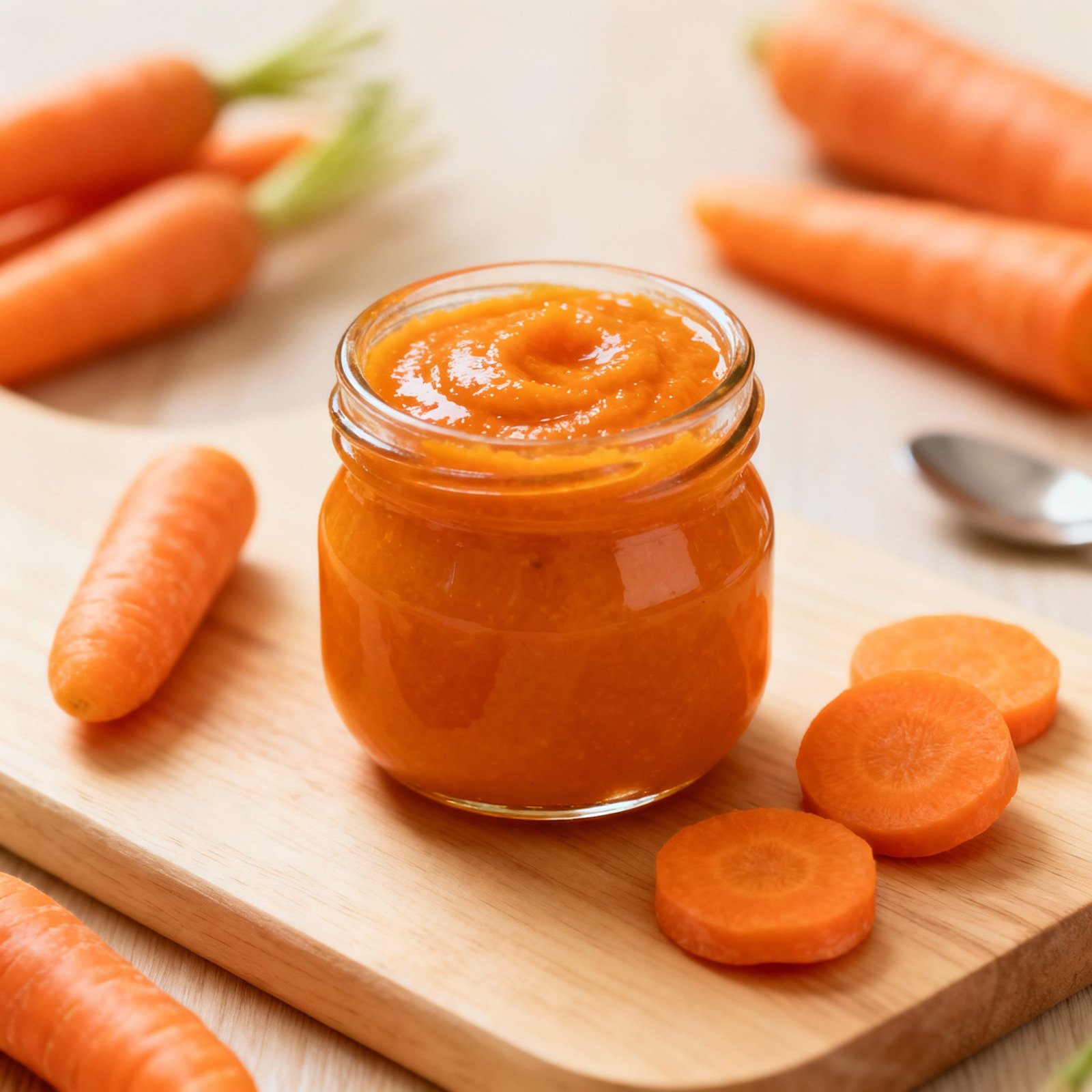
Starting your baby on solid foods is a huge milestone, filled with excitement (and a little bit of mess!). One of the first and most beloved foods for babies is carrot puree. Its naturally sweet flavor and vibrant orange color make it appealing to little ones, and it’s packed with essential nutrients like beta-carotene, which converts to Vitamin A in the body, crucial for healthy vision and immune function. This simple carrot baby food recipe is easy to make, budget-friendly, and allows you to control exactly what goes into your baby’s first bites. Say goodbye to store-bought jars and hello to homemade goodness!
Why This Recipe Works
This recipe isn’t just about throwing carrots into a pot and hoping for the best. It’s designed to create the perfect texture and flavor for your baby’s delicate palate. Here’s why it works:
- Gentle Cooking: Steaming or boiling the carrots until they are fork-tender ensures they are easily digestible for your baby’s developing digestive system.
- Smooth Puree: Blending the cooked carrots until completely smooth eliminates any chunks that could pose a choking hazard.
- Customizable Consistency: You can adjust the consistency of the puree by adding water, breast milk, or formula to achieve the perfect texture for your baby’s stage of development.
- Naturally Sweet Flavor: Carrots are naturally sweet, making them a hit with babies who are used to the sweetness of breast milk or formula.
- Nutrient-Rich: Carrots are an excellent source of beta-carotene, fiber, and other essential vitamins and minerals that support your baby’s growth and development.
- Easy to Digest: Carrots are generally easy for babies to digest, making them a great first food.
Ingredients
- 1 pound Carrots: Choose organic carrots if possible, as they are less likely to contain pesticides. Wash, peel, and chop them into roughly 1-inch pieces for even cooking.
- Water, Breast Milk, or Formula: For thinning the puree to the desired consistency. Start with a small amount (1-2 tablespoons) and add more as needed.
Instructions
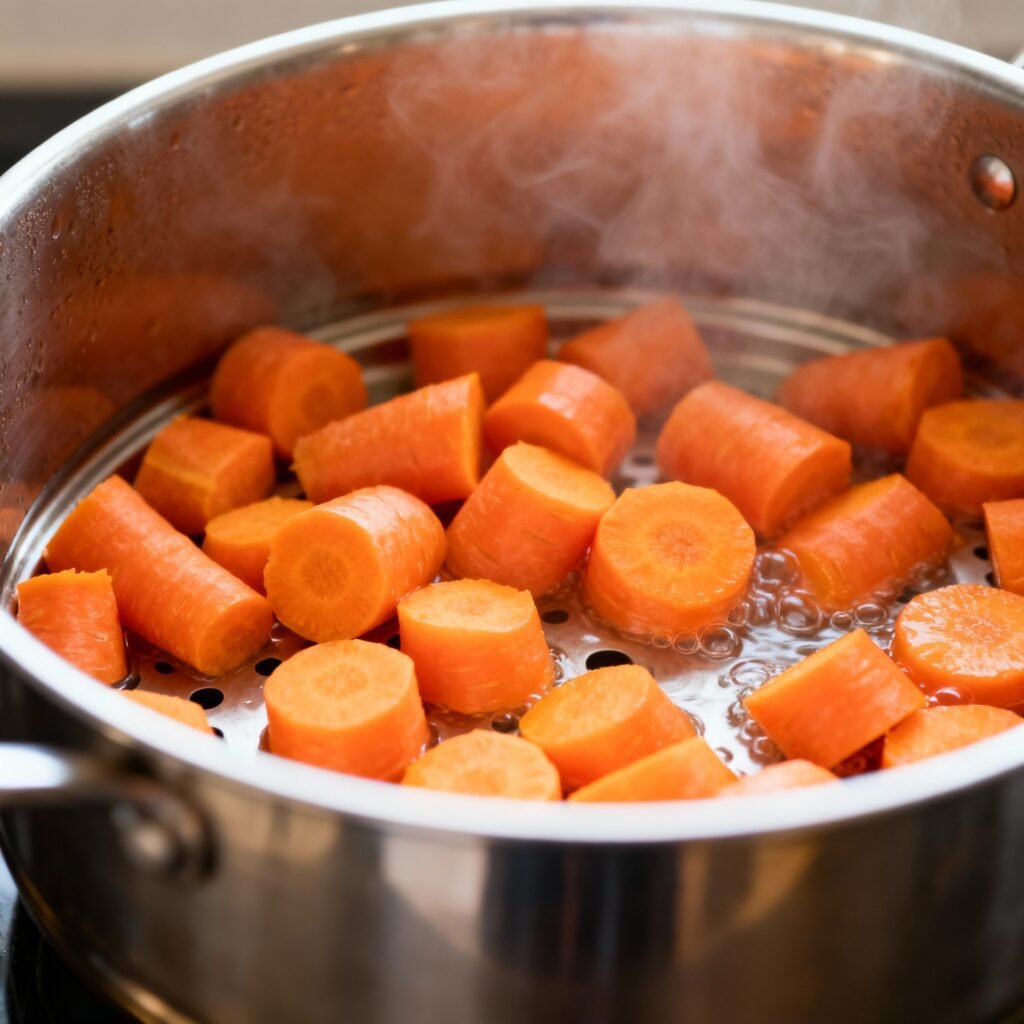
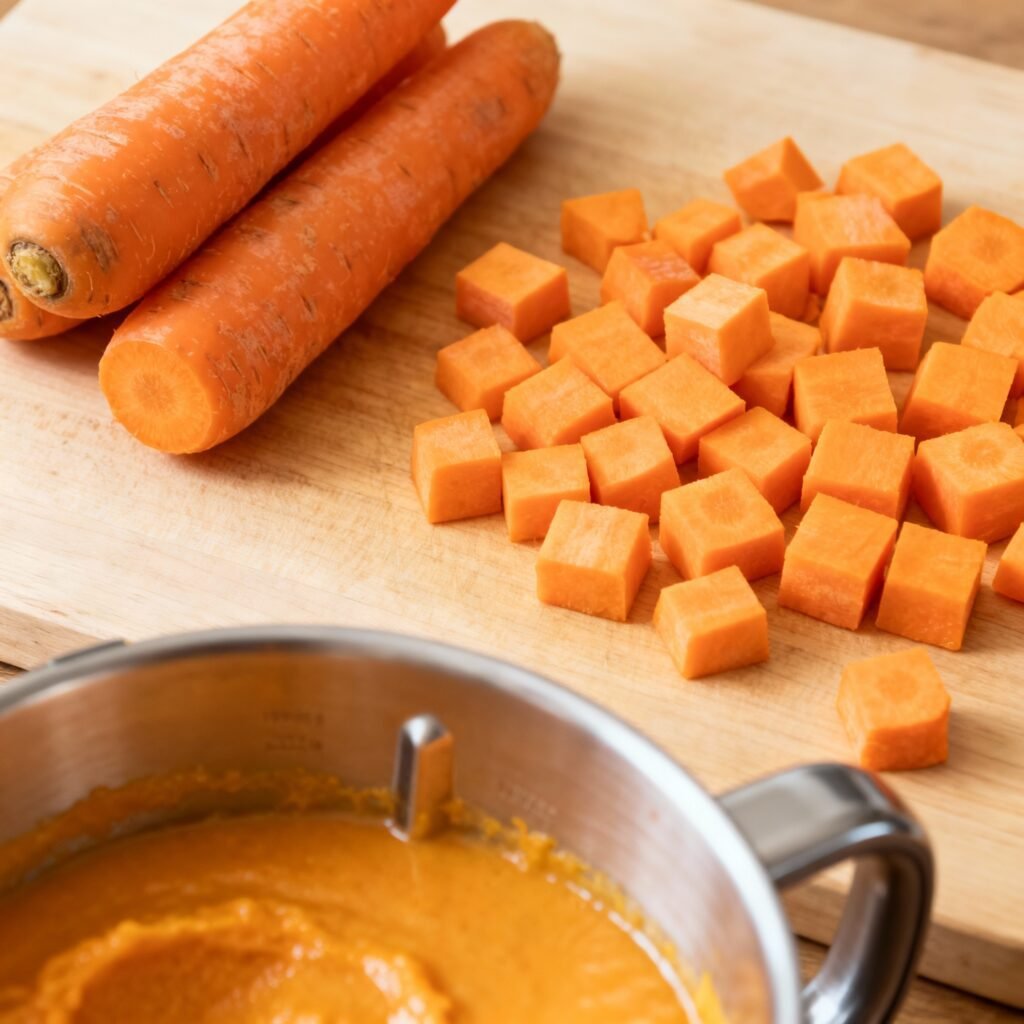
- Prepare the Carrots: Wash, peel, and chop the carrots into roughly 1-inch pieces. This ensures even cooking.
- Cook the Carrots: You have two options for cooking the carrots:
- Steaming: Place the chopped carrots in a steamer basket over a pot of boiling water. Cover and steam for 15-20 minutes, or until the carrots are fork-tender. This method helps retain more nutrients compared to boiling.
- Boiling: Place the chopped carrots in a pot and cover with water. Bring to a boil, then reduce heat and simmer for 15-20 minutes, or until the carrots are fork-tender.
- Puree the Carrots: Transfer the cooked carrots to a blender or food processor. Be careful when handling hot ingredients!
- Blend Until Smooth: Blend the carrots until completely smooth. Add water, breast milk, or formula, one tablespoon at a time, until you reach the desired consistency. The puree should be very smooth and free of any lumps.
- Cool and Serve: Allow the carrot puree to cool completely before serving.
Tips for Success
Making baby food is simple, but these tips will help you achieve the best results:
- Choose the Right Carrots: Look for carrots that are firm, bright orange, and free of blemishes. Smaller carrots tend to be sweeter.
- Cook Until Fork-Tender: Don’t undercook the carrots, as this will make them difficult to puree. They should be easily pierced with a fork.
- Adjust the Consistency: Start with a small amount of liquid and add more as needed to achieve the desired consistency. For younger babies, you’ll want a thinner puree. As your baby gets older, you can gradually thicken the puree.
- Taste Test: Always taste the puree before serving it to your baby. Make sure it’s not too hot and that the consistency is appropriate.
- Introduce Slowly: When introducing any new food to your baby, start with a small amount (1-2 tablespoons) and gradually increase the portion size as tolerated.
- Watch for Allergies: Although carrots are generally considered safe, it’s always a good idea to watch for any signs of an allergic reaction, such as rash, hives, or difficulty breathing. If you notice any of these symptoms, stop feeding your baby carrots and consult with your pediatrician.
- Don’t Add Salt or Sugar: Babies don’t need added salt or sugar. The natural sweetness of the carrots is enough.
Storage Instructions
Proper storage is essential to ensure the safety and freshness of your homemade baby food:
- Refrigerate: Store leftover carrot puree in an airtight container in the refrigerator for up to 3 days.
- Freeze: For longer storage, freeze the puree in ice cube trays or small freezer-safe containers. Once frozen, transfer the cubes to a freezer bag for easier storage. Frozen carrot puree can be stored for up to 2-3 months.
- Thawing: Thaw frozen carrot puree in the refrigerator overnight or in the microwave. If using the microwave, heat in short intervals and stir frequently to ensure even heating. Always check the temperature before feeding your baby.
- Discard Leftovers: Do not refreeze thawed baby food. Discard any leftovers that your baby doesn’t finish.
FAQ
Here are some frequently asked questions about making carrot baby food:
- Can I use frozen carrots? Yes, you can use frozen carrots. Just make sure they are plain carrots, without any added sauces or seasonings.
- Can I add other vegetables to the carrot puree? Absolutely! As your baby gets older and tries more foods, you can mix carrots with other vegetables like sweet potatoes, peas, or zucchini.
- My baby doesn’t seem to like carrot puree. What should I do? Don’t give up! Babies often need to try a new food several times before they accept it. Try mixing the carrot puree with breast milk or formula to make it more familiar. You can also try introducing it at a different time of day or when your baby is less tired.
- How much carrot puree should I feed my baby? Start with 1-2 tablespoons and gradually increase the portion size as tolerated. Every baby is different, so pay attention to your baby’s cues and adjust the amount accordingly.
- Can I use a hand blender instead of a food processor? Yes, a hand blender (immersion blender) can be used to puree the carrots. Just make sure to use a deep pot or bowl to prevent splattering.
- My carrot puree is too watery. How can I thicken it? You can thicken the carrot puree by adding a small amount of rice cereal or by cooking it for a few minutes on the stovetop to evaporate some of the excess liquid.
Conclusion
Making your own carrot baby food is a rewarding experience. You know exactly what’s going into your baby’s food, and you can be confident that it’s fresh, nutritious, and delicious. This simple recipe is a great starting point for introducing your little one to the wonderful world of solid foods. Enjoy this special time with your baby, and happy feeding!