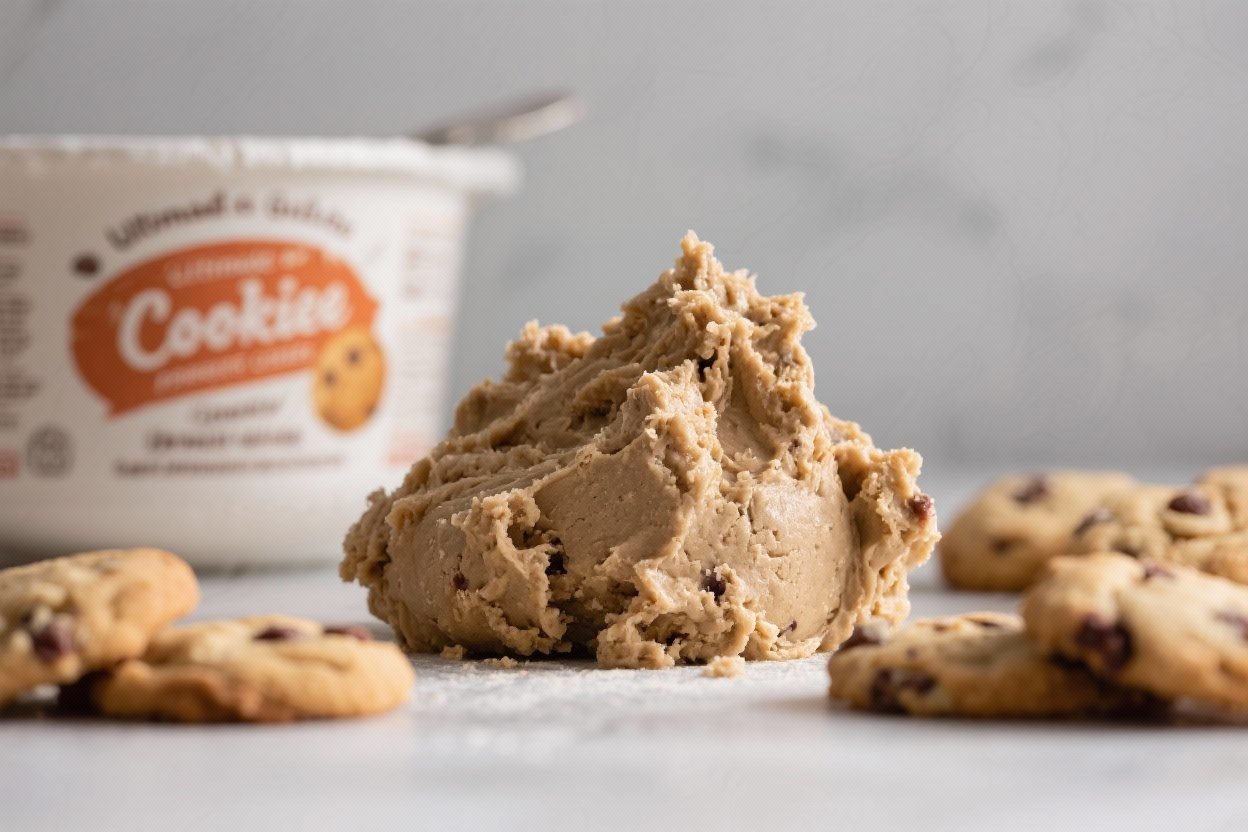
Cookie Dough Recipe for Baking: The Ultimate Guide to Perfect Cookies
Is there anything quite as comforting as the aroma of freshly baked cookies wafting through your home? Or the satisfying crunch and gooey center of a perfectly made cookie? We think not! But the secret to truly amazing cookies lies in the dough. This isn’t just any cookie dough recipe; it’s your roadmap to consistently delicious, crowd-pleasing cookies, every single time. Whether you’re a seasoned baker or just starting out, this recipe is designed to be easy to follow and delivers fantastic results. Get ready to unlock the secrets to cookie perfection!
Why This Recipe Works
This recipe isn’t just a collection of ingredients; it’s a carefully balanced formula designed for optimal flavor and texture. Here’s why it works so well:
- Creaming Butter and Sugar: This step is crucial for incorporating air into the dough, which contributes to a light and airy texture. We emphasize the importance of creaming until light and fluffy, not just combined.
- Proper Flour Measurement: Too much flour results in dry, crumbly cookies. Our recipe offers tips for accurate flour measurement to ensure the perfect balance of wet and dry ingredients.
- Chill Time: Resting the dough in the refrigerator allows the gluten to relax, preventing tough cookies. It also helps the flavors meld together, resulting in a richer, more complex taste.
- High-Quality Ingredients: Using good quality butter, vanilla extract, and chocolate chips makes a noticeable difference in the final product. We recommend using real butter for the best flavor and texture.
- Baking Temperature and Time: Precise baking temperature and time are essential for achieving the desired level of doneness. We provide guidelines for monitoring your cookies and adjusting the baking time as needed.
Ingredients
- 1 cup (2 sticks) unsalted butter, softened
- ¾ cup granulated sugar
- ¾ cup packed brown sugar
- 2 large eggs
- 1 teaspoon pure vanilla extract
- 2 ¼ cups all-purpose flour
- 1 teaspoon baking soda
- 1 teaspoon salt
- 2 cups chocolate chips (or your favorite mix-ins!)
Instructions
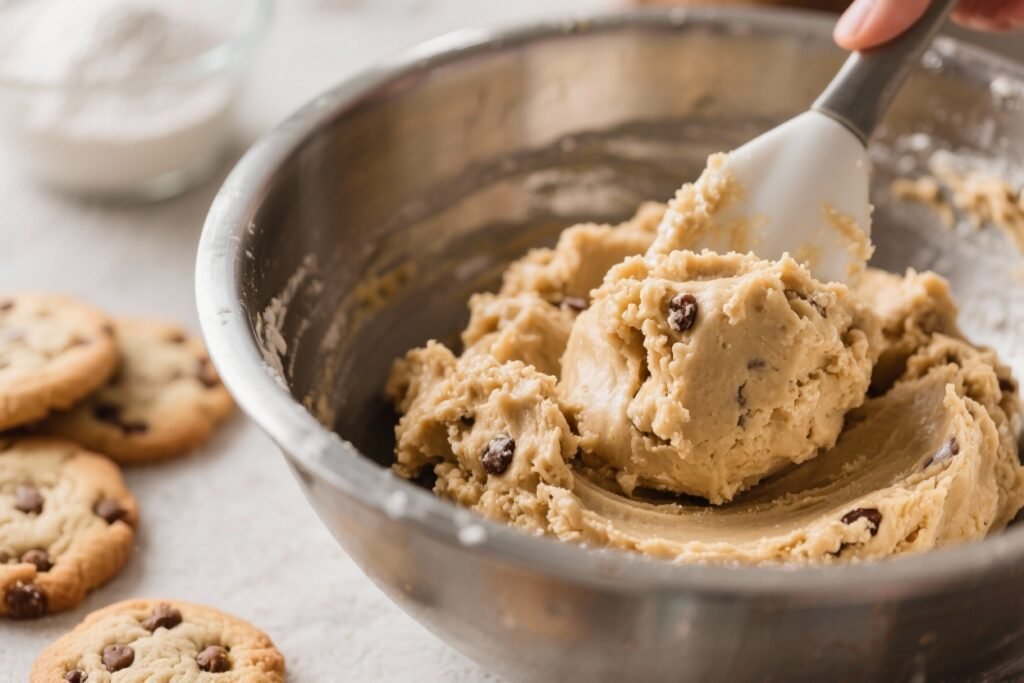
- Cream the Butter and Sugars: In a large bowl, cream together the softened butter, granulated sugar, and brown sugar until light and fluffy. This usually takes about 3-5 minutes with an electric mixer. Scrape down the sides of the bowl as needed to ensure everything is evenly incorporated.
- Add Eggs and Vanilla: Beat in the eggs one at a time, then stir in the vanilla extract. Make sure each egg is fully incorporated before adding the next.
- Combine Dry Ingredients: In a separate bowl, whisk together the flour, baking soda, and salt. This ensures that the baking soda and salt are evenly distributed throughout the dough.
- Gradually Add Dry Ingredients to Wet Ingredients: Gradually add the dry ingredients to the wet ingredients, mixing on low speed until just combined. Be careful not to overmix the dough, as this can lead to tough cookies.
- Stir in Chocolate Chips: Stir in the chocolate chips (or your desired mix-ins) until evenly distributed throughout the dough.
- Chill the Dough: Cover the bowl with plastic wrap and refrigerate the dough for at least 30 minutes, or up to 24 hours. This allows the gluten to relax and the flavors to meld together. For longer chilling times, wrap the dough tightly to prevent it from drying out.
- Preheat Oven: Preheat your oven to 375°F (190°C).
- Scoop and Bake: Drop rounded tablespoons of dough onto ungreased baking sheets, leaving about 2 inches between each cookie. You can use a cookie scoop for uniform cookies.
- Bake: Bake for 9-11 minutes, or until the edges are golden brown and the centers are still slightly soft. The baking time may vary depending on your oven, so keep an eye on the cookies and adjust the time as needed.
- Cool: Let the cookies cool on the baking sheets for a few minutes before transferring them to a wire rack to cool completely.
- Enjoy! Serve and enjoy your delicious homemade cookies!
Tips for Success
- Use Room Temperature Butter: Softened butter is essential for creaming properly. If your butter is too cold, it won’t incorporate air properly. If it’s too melted, your cookies may spread too thin.
- Measure Flour Accurately: The best way to measure flour is to use a kitchen scale. If you don’t have a scale, spoon the flour into your measuring cup and level it off with a knife. Avoid scooping the flour directly from the bag, as this can pack it down and result in too much flour.
- Don’t Overmix the Dough: Overmixing develops the gluten in the flour, which can lead to tough cookies. Mix until just combined.
- Chill the Dough: Chilling the dough is crucial for preventing the cookies from spreading too thin and for developing the flavor. Don’t skip this step!
- Use Parchment Paper: Lining your baking sheets with parchment paper prevents the cookies from sticking and makes cleanup a breeze.
- Don’t Overbake: Overbaked cookies are dry and crumbly. Bake until the edges are golden brown and the centers are still slightly soft. They will continue to bake on the hot baking sheet after you remove them from the oven.
- Vary the Mix-Ins: Feel free to get creative with your mix-ins! Try using different types of chocolate chips, nuts, dried fruit, or even candies.
Storage Instructions
Baked Cookies: Store baked cookies in an airtight container at room temperature for up to 3 days. For longer storage, you can freeze the cookies for up to 2 months. Thaw frozen cookies at room temperature before serving.
Cookie Dough: Cookie dough can be stored in the refrigerator for up to 2 days. For longer storage, you can freeze the dough for up to 2 months. To freeze, scoop the dough into individual cookie portions and place them on a baking sheet lined with parchment paper. Freeze until solid, then transfer the frozen dough balls to a freezer-safe bag or container. When ready to bake, thaw the dough in the refrigerator overnight or bake from frozen, adding a few extra minutes to the baking time.

FAQ
Q: Can I use margarine instead of butter?
A: While you can use margarine, we highly recommend using real butter for the best flavor and texture. Butter adds richness and a depth of flavor that margarine simply can’t replicate.
Q: Can I make this recipe gluten-free?
A: Yes, you can substitute the all-purpose flour with a gluten-free all-purpose flour blend. Be sure to choose a blend that contains xanthan gum, as this will help bind the ingredients together.
Q: My cookies spread too thin. What did I do wrong?
A: There are several reasons why your cookies might have spread too thin. Make sure you’re using room temperature butter, not melted butter. Also, be sure to chill the dough for at least 30 minutes. Overmixing the dough or using too much sugar can also cause cookies to spread.
Q: My cookies are too dry. What did I do wrong?
A: Overbaking is the most common cause of dry cookies. Be sure to bake the cookies until the edges are golden brown and the centers are still slightly soft. Also, make sure you’re measuring the flour accurately. Too much flour can result in dry cookies.
Q: Can I add nuts to this recipe?
A: Absolutely! Feel free to add your favorite nuts to this recipe. We recommend using about 1 cup of chopped nuts.
Conclusion
With this comprehensive guide, you’re now equipped to bake perfect cookies every time. Remember to follow the instructions carefully, pay attention to the tips for success, and don’t be afraid to experiment with different mix-ins to create your own signature cookies. Happy baking!