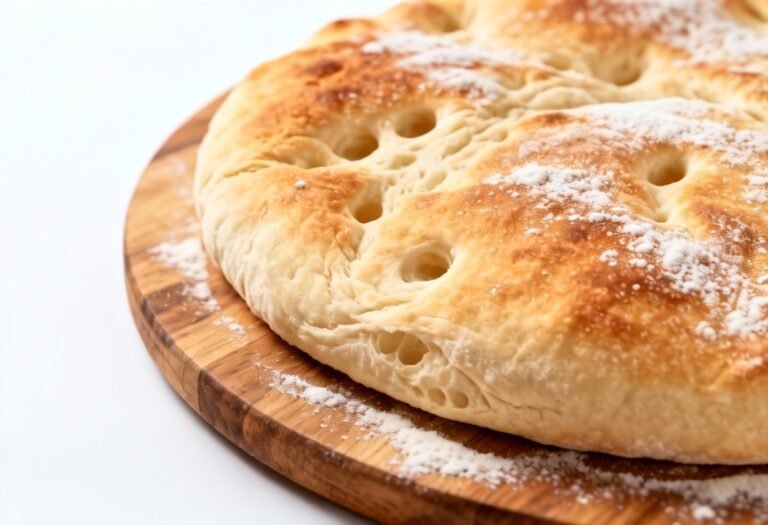
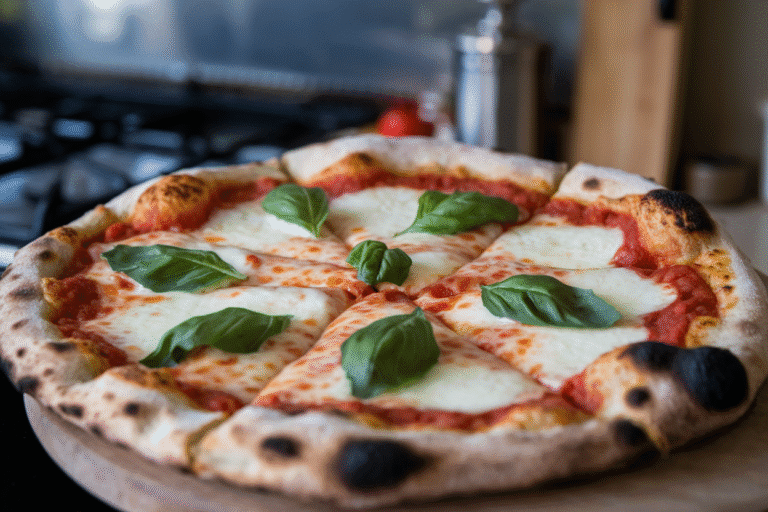
Crispy Pizza Dough Recipe: The Secret to Restaurant-Quality Crust at Home
Craving that satisfying crunch of a perfectly crispy pizza crust? Tired of doughy, underwhelming homemade pizzas? Look no further! This recipe delivers a foolproof method for creating crispy pizza dough that rivals your favorite pizzeria. We’re talking bubbly, golden-brown edges, a sturdy base that holds all your favorite toppings, and a texture that’s both delightfully crisp and satisfyingly chewy. Get ready to elevate your pizza game and impress your friends and family with this easy-to-follow recipe.
Why This Recipe Works
This recipe isn’t just another dough recipe; it’s a carefully crafted formula designed to maximize crispiness. Here’s why it works so well:
- High Hydration: The slightly higher hydration level (the ratio of water to flour) encourages gluten development while still allowing for a light and airy crumb. This translates to a crust that’s both strong and crispy.
- Long, Cold Fermentation: A slow, cold fermentation in the refrigerator is the key to developing complex flavors and a stronger gluten structure. This also helps to create those desirable large bubbles in the crust.
- Proper Oven Temperature: A screaming hot oven is essential for achieving that coveted crispiness. We recommend using a pizza stone or baking steel, which retains heat and transfers it directly to the dough.
- The Right Flour: Using a high-protein flour (like bread flour) is crucial. This allows the gluten to develop properly, resulting in a strong and crispy crust that can hold up to toppings.
- Strategic Pre-Baking (Optional): A quick pre-bake of the dough before adding toppings helps to prevent a soggy bottom and ensures ultimate crispiness.
Ingredients
- 300g (10.5 oz) Bread Flour (high protein, around 12-13% protein)
- 225g (8 oz) Water, lukewarm (around 95-105°F)
- 7g (0.25 oz) Active Dry Yeast or Instant Dry Yeast
- 7g (0.25 oz) Salt
- 15ml (1 tbsp) Olive Oil, plus extra for greasing
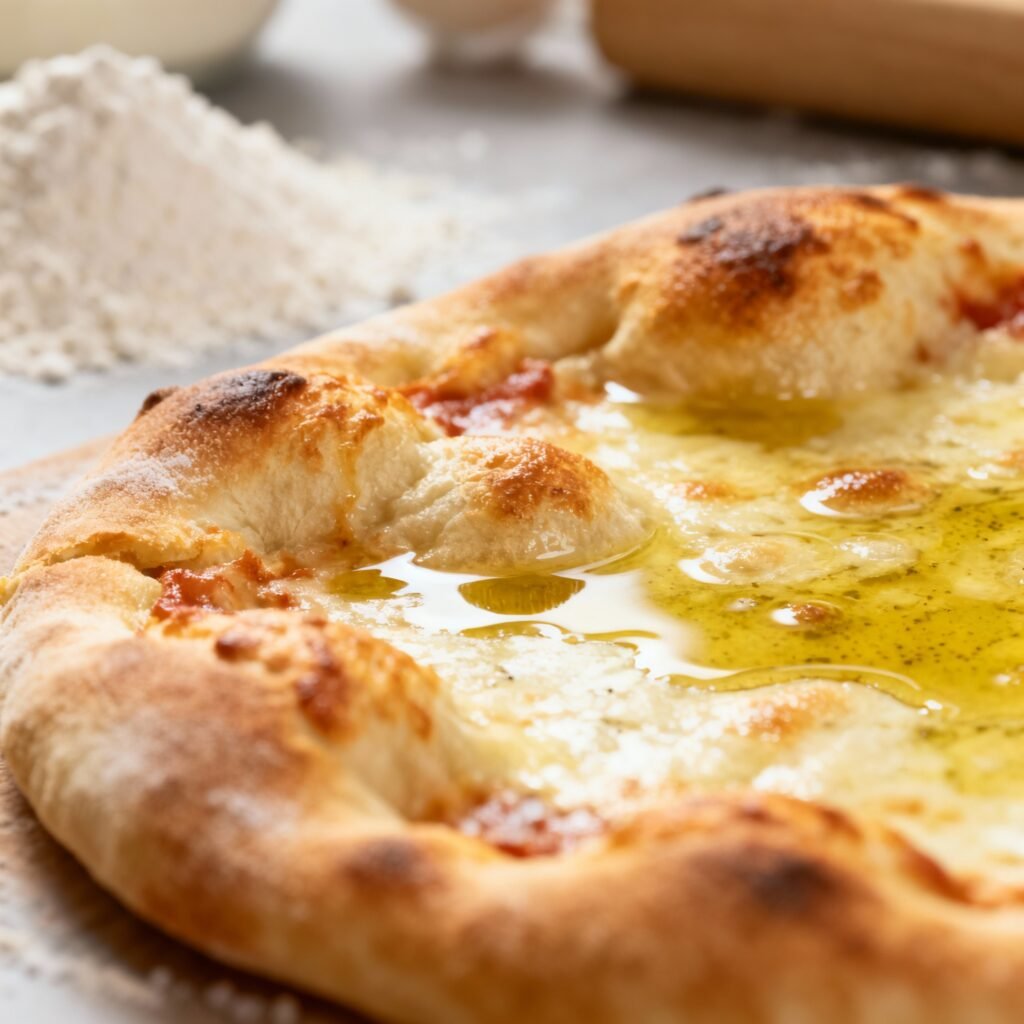
Instructions
- Activate the Yeast (if using Active Dry Yeast): In a small bowl, combine the lukewarm water and yeast. Let it sit for 5-10 minutes until foamy. If using Instant Dry Yeast, you can skip this step and add it directly to the flour.
- Combine the Ingredients: In a large bowl, whisk together the flour and salt. If you didn’t activate the yeast, add the Instant Dry Yeast to the flour mixture.
- Add the Wet Ingredients: Pour the yeast mixture (or lukewarm water if using Instant Dry Yeast) and olive oil into the flour mixture.
- Mix the Dough: Using your hands or a stand mixer with a dough hook, mix the dough until it comes together into a shaggy mass.
- Knead the Dough: If using a stand mixer, knead on medium speed for 8-10 minutes. If kneading by hand, turn the dough out onto a lightly floured surface and knead for 10-12 minutes, until the dough is smooth and elastic. It should pass the windowpane test (you should be able to stretch a small piece of dough thin enough to see light through it without tearing).
- First Rise (Bulk Fermentation): Lightly grease a large bowl with olive oil. Place the dough in the bowl, turning to coat. Cover the bowl tightly with plastic wrap or a damp towel. Let the dough rise in a warm place for 1-1.5 hours, or until doubled in size.
- Cold Fermentation: Punch down the dough gently to release the air. Wrap the dough tightly in plastic wrap or place it in an airtight container. Refrigerate for at least 24 hours, or up to 72 hours. This slow fermentation is key for flavor and texture.
- Divide the Dough: Remove the dough from the refrigerator and let it sit at room temperature for at least 1 hour before shaping. This allows the gluten to relax and makes the dough easier to work with. Divide the dough into 2 equal portions for two 12-inch pizzas.
- Shape the Dough: On a lightly floured surface, gently stretch and shape each portion of dough into a 12-inch circle. Avoid using a rolling pin, as this can deflate the dough and result in a less airy crust. Use your fingertips to press down on the center of the dough, leaving a slightly thicker edge for the crust.
- Preheat the Oven: Preheat your oven to the highest temperature possible (usually 500-550°F or 260-290°C) with a pizza stone or baking steel inside for at least 30 minutes. This ensures the stone is thoroughly heated.
- (Optional) Pre-Bake the Crust: For an extra crispy crust, place the shaped dough on a piece of parchment paper and carefully slide it onto the preheated pizza stone. Bake for 3-5 minutes, or until the crust is lightly golden and slightly puffed. Remove from the oven.
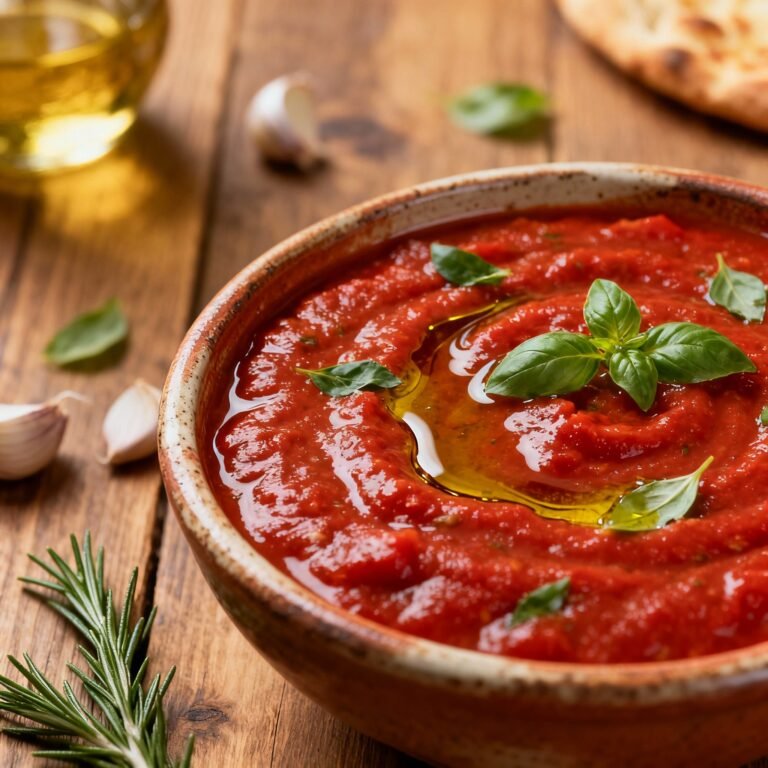
- Add Toppings: Spread your desired sauce, cheese, and toppings evenly over the pizza crust.
- Bake the Pizza: Carefully slide the pizza (with the parchment paper, if used) back onto the preheated pizza stone. Bake for 8-12 minutes, or until the crust is golden brown and the cheese is melted and bubbly.
- Cool and Serve: Remove the pizza from the oven and let it cool for a few minutes before slicing and serving. Enjoy!
Tips for Success
- Use a Kitchen Scale: For the most accurate results, use a kitchen scale to measure your ingredients. This is especially important for baking.
- Don’t Overwork the Dough: Over-kneading can result in a tough crust. Knead just until the dough is smooth and elastic.
- Be Patient with the Fermentation: The long, cold fermentation is crucial for developing flavor and texture. Don’t rush this step!
- Use a Pizza Stone or Baking Steel: A pizza stone or baking steel is essential for achieving a crispy crust. They retain heat and transfer it directly to the dough.
- High Heat is Key: Preheat your oven to the highest temperature possible for the best results.
- Don’t Overload the Pizza: Too many toppings can weigh down the crust and prevent it from getting crispy.
- Adjust Baking Time: Baking time may vary depending on your oven. Keep an eye on the pizza and adjust the baking time as needed.
Storage Instructions
Dough: Unbaked pizza dough can be stored in the refrigerator for up to 3 days. You can also freeze the dough for up to 2 months. To freeze, wrap each portion of dough tightly in plastic wrap and then place it in a freezer bag. Thaw the dough in the refrigerator overnight before using.
Baked Pizza: Leftover baked pizza can be stored in the refrigerator for up to 3 days. Reheat in the oven or toaster oven for the best results.

FAQ
Can I use all-purpose flour instead of bread flour?
While you can use all-purpose flour in a pinch, bread flour is highly recommended for the best results. Bread flour has a higher protein content, which allows for better gluten development and a crispier crust.
Can I use fresh yeast instead of active dry yeast?
Yes, you can substitute fresh yeast for active dry yeast. Use approximately 21g (0.75 oz) of fresh yeast for this recipe. Crumble the fresh yeast into the lukewarm water and let it sit for 5-10 minutes until foamy before adding it to the flour.
My dough is too sticky. What should I do?
If your dough is too sticky, add a tablespoon of flour at a time until it becomes easier to handle. Be careful not to add too much flour, as this can result in a dry crust.
My crust is not crispy enough. What did I do wrong?
There are several factors that can contribute to a soggy crust. Make sure your oven is preheated to the highest temperature possible, and that you are using a pizza stone or baking steel. Also, avoid overloading the pizza with toppings, and consider pre-baking the crust before adding toppings.
Conclusion
With this recipe, you’re well on your way to creating crispy, restaurant-quality pizza at home. The key is patience, high-quality ingredients, and a hot oven. Don’t be afraid to experiment with different toppings and flavors to create your own signature pizza. Happy baking!