DIY Cat Food Recipe: Nourish Your Feline Friend Naturally
👩🍳 The Home Chef's Essential Kitchen
Consistently cooking incredible, healthy meals at home is so much easier when you aren't fighting with cheap tools. These are the 5 absolute powerhouse kitchen essentials that professional chefs and serious home cooks rely on every single day to get perfect results.
🍳 Lodge 10.25" Cast Iron Skillet
The single greatest value in all of cookware. It retains heat infinitely better than cheap non-stick pans, allowing you to get a restaurant-quality crust on steaks or perfect crispy edges on cornbread. With proper care, this $20 pan will literally outlive you.
🔪 Victorinox Fibrox Pro 8" Chef's Knife
A dull knife makes cooking a frustrating chore. This specific blade is the undisputed champion of the culinary world—it holds a terrifyingly sharp edge, features a comfortable non-slip grip, and performs identical to German knives that cost quadruple the price.
🌡️ ThermoPro Instant Read Thermometer
Never serve dry chicken or undercooked pork again. An instant-read thermometer is the secret difference between amateur cooks who 'guess' when protein is done, and professionals who know exactly when to pull meat off the heat for maximum juiciness.
🍲 Lodge Enameled Cast Iron Dutch Oven
The ultimate workhorse for soups, stews, braised short ribs, and baking crusty artisanal bread. The enameled interior provides incredible heat distribution for slow-cooking while eliminating the intense seasoning maintenance required by bare cast iron.
🥄 Bpa-Free Silicone Utensil Set
Throw away those melting plastic spatulas and bacteria-harboring wooden spoons. This pure silicone set is heat-resistant up to 600°F, won't scratch your expensive pans, and features seamless designs that make cleaning out thick sauces and batters effortless.
Want to take control of your cat’s diet and ensure they’re getting the best possible nutrition? Making your own cat food at home can be a rewarding experience, allowing you to tailor the ingredients to your cat’s specific needs and avoid potentially harmful additives found in some commercial brands. This recipe provides a balanced and delicious meal for your feline companion, packed with protein, essential fatty acids, and vital nutrients. Get ready to unleash your inner chef and create a culinary masterpiece your cat will adore!
Why This Recipe Works
This recipe is designed to mimic a cat’s natural prey diet, focusing on high-quality protein sources and essential nutrients. It’s based on the principles of providing a balanced diet that meets a cat’s obligate carnivore requirements. Here’s why it’s effective:
- High Protein Content: Cats require a significant amount of protein for muscle maintenance, energy, and overall health. This recipe prioritizes meat-based protein sources.
- Essential Fatty Acids: Omega-3 and Omega-6 fatty acids are crucial for healthy skin, coat, and brain function. We incorporate sources like fish oil or salmon to provide these vital nutrients.
- Taurine: Taurine is an essential amino acid that cats cannot produce on their own. A deficiency can lead to serious health problems. This recipe includes a taurine supplement to ensure adequate intake.
- Balanced Nutrients: The recipe includes bone meal or eggshell powder to provide calcium and phosphorus in the correct ratio, crucial for bone health.
- Moisture Content: Cats often don’t drink enough water, leading to dehydration. This recipe, when prepared as a wet food, helps increase their water intake.
Ingredients
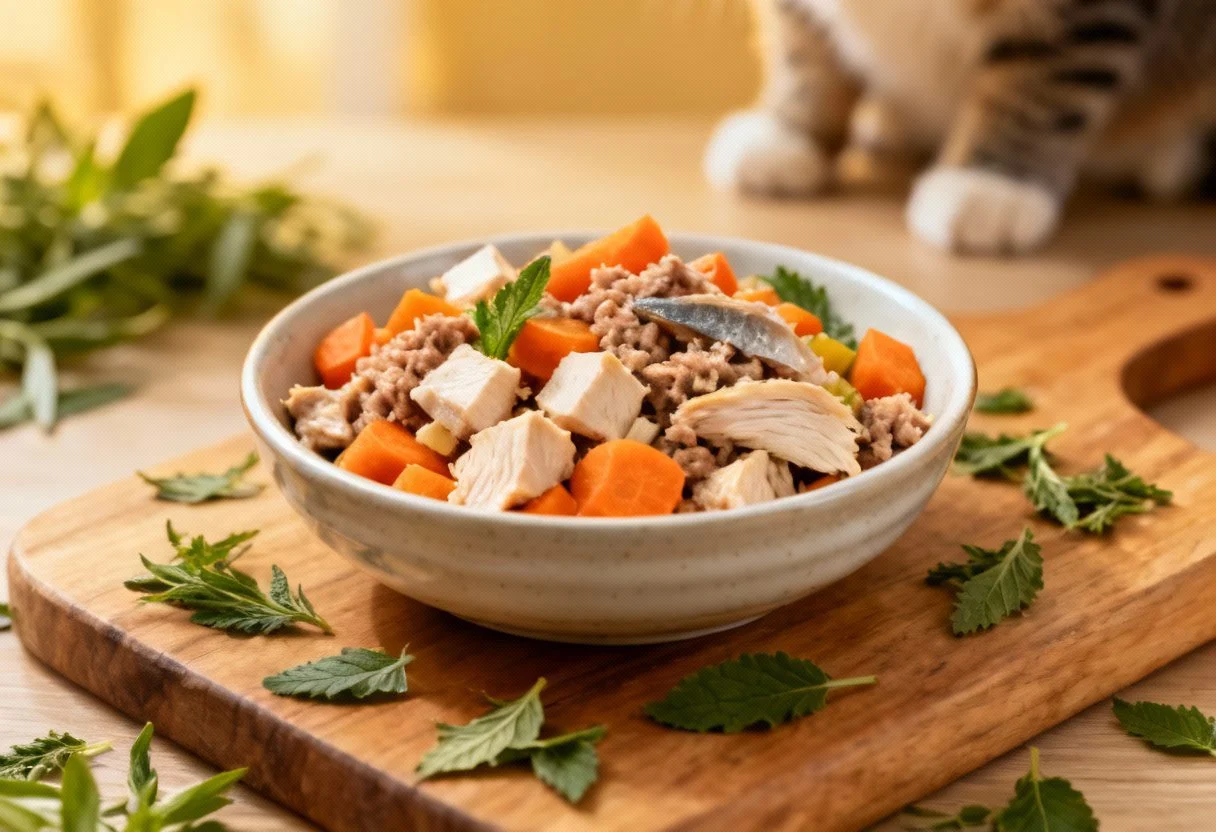
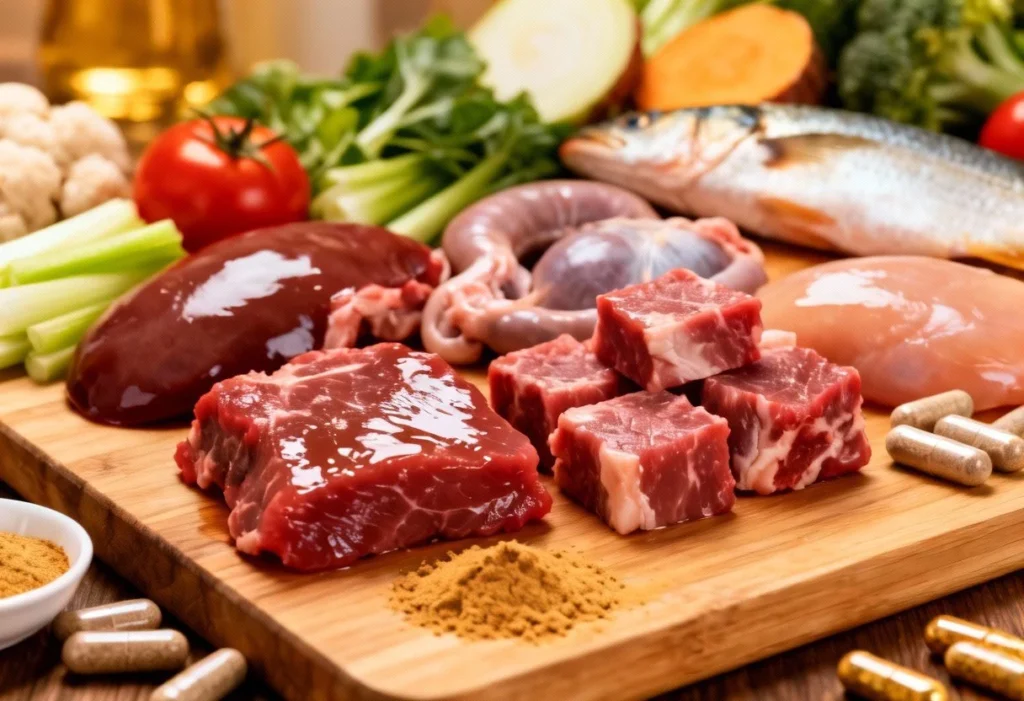
- 3 lbs (1.36 kg) Boneless, Skinless Chicken Thighs (or other protein source: turkey, rabbit, or lean beef) – Chicken thighs are a great source of protein and fat.
- 8 oz (227g) Chicken Liver (or other organ meat: kidney, heart) – Organ meats are packed with essential vitamins and minerals.
- 1/2 cup Cooked Vegetables (e.g., pumpkin, zucchini, carrots, finely chopped) – Provides fiber and some vitamins. Keep vegetable content low, as cats are primarily carnivores.
- 1 cup Water (or unsalted chicken broth) – Adds moisture and aids in processing.
- 2 Tablespoons Fish Oil (Salmon oil preferred) – Provides essential omega-3 fatty acids.
- 1 Teaspoon Taurine Powder – Crucial for heart and eye health.
- 1 Tablespoon Bone Meal Powder (or finely ground eggshell powder) – Provides calcium and phosphorus. If using eggshell powder, ensure it’s thoroughly cleaned and baked before grinding.
- 1/4 Teaspoon Iodized Salt – For iodine, an essential mineral.
- Optional: Vitamin E Supplement (as directed on the label) – Helps preserve fats and provides antioxidant benefits.
Instructions
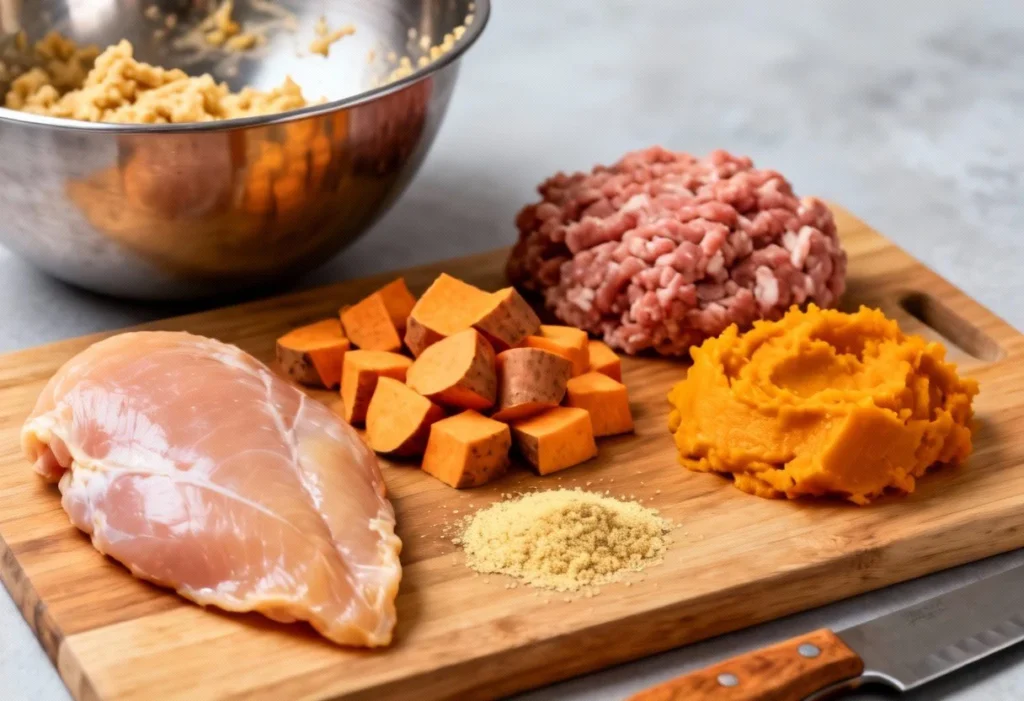
- Prepare the Meat: Cut the chicken thighs and liver into smaller pieces (approximately 1-inch cubes). This will help them process more evenly.
- Cook the Vegetables: If using raw vegetables, steam or lightly boil them until softened. Finely chop them after cooking.
- Combine Ingredients: In a large bowl, combine the chopped chicken thighs, liver, cooked vegetables, water (or broth), fish oil, taurine powder, bone meal (or eggshell powder), and iodized salt.
- Process the Mixture: Using a food processor or meat grinder, process the mixture until it reaches a consistency similar to commercial wet cat food. You can adjust the consistency by adding more water or broth if needed. Aim for a smooth, pate-like texture.
- Portion and Store: Divide the prepared cat food into individual portions based on your cat’s weight and activity level. A general guideline is 2-4% of their body weight per day, divided into two meals. Store the portions in airtight containers in the refrigerator or freezer.
- Thaw and Serve: Thaw frozen portions in the refrigerator overnight. Before serving, allow the food to come to room temperature or slightly warm it up. Never microwave cat food, as it can create hot spots.
Tips for Success
- Start Slowly: Introduce the homemade cat food gradually, mixing it with your cat’s current food over several days to avoid digestive upset.
- Monitor Your Cat: Observe your cat for any signs of digestive issues, such as diarrhea or vomiting. If these occur, reduce the amount of homemade food and consult with your veterinarian.
- Variety is Key: While this recipe provides a balanced diet, rotating protein sources can provide a wider range of nutrients. Consider using turkey, rabbit, or lean beef occasionally.
- Consult Your Veterinarian: Before switching your cat to a homemade diet, consult with your veterinarian to ensure it’s appropriate for their individual needs and health condition. They can also help you calculate the correct portion sizes.
- Use High-Quality Ingredients: The quality of the ingredients directly impacts the nutritional value of the food. Choose human-grade meats and vegetables whenever possible.
- Ensure Proper Hygiene: Thoroughly wash all surfaces and utensils used to prepare the cat food to prevent bacterial contamination.
Storage Instructions
Proper storage is essential to maintain the freshness and safety of your homemade cat food.
- Refrigerator: Store prepared cat food in an airtight container in the refrigerator for up to 3-4 days.
- Freezer: For longer storage, freeze the cat food in individual portions in freezer-safe containers or bags. It can be stored in the freezer for up to 2-3 months.
- Labeling: Always label containers with the date they were prepared to ensure you use the oldest portions first.
FAQ
Q: Can I use other types of meat?
A: Yes, you can substitute other lean protein sources like turkey, rabbit, or lean beef for chicken. Adjust cooking times accordingly.
Q: Can I leave out the vegetables?
A: While vegetables provide some fiber and vitamins, they are not essential. If your cat dislikes vegetables, you can omit them, but ensure the rest of the recipe is properly balanced.
Q: Is it safe to feed my cat raw meat?
A: Feeding raw meat carries a risk of bacterial contamination. This recipe is designed for cooked meat to minimize that risk. If you choose to feed raw, research proper handling and safety protocols thoroughly and consult with a veterinarian experienced in raw feeding.
Q: My cat is overweight. Can I adjust this recipe?
A: Yes, you can reduce the amount of fat by using leaner cuts of meat and reducing the amount of fish oil. Consult with your veterinarian for personalized recommendations.
Q: My cat has kidney disease. Is this recipe suitable?
A: Cats with kidney disease have specific dietary needs. This recipe may not be suitable. Consult with your veterinarian for a diet specifically formulated for cats with kidney disease.
🍰 The Master Baker & Prep Kit
Baking is a science, and meal prep requires efficiency. If you want consistently flaky pie crusts, perfectly risen cakes, and healthy meals ready for the week, these are the 5 upgrade tools that take your execution to the next level.
⚖️ OXO Good Grips 11lb Food Scale
The secret to why bakery bread and cookies are always perfect while home batches vary wildly. Measuring by weight (grams) instead of volume (cups) guarantees precise hydration and flawlessly consistent results every single time you bake.
🧑🍳 KitchenAid Classic Stand Mixer
The undisputed holy grail of the kitchen. From aggressively kneading heavy pizza doughs to whipping meringues into stiff peaks, this powerful motor saves your arms from exhaustion and cuts your hands-on prep time in half.
🍪 Silpat Premium Silicone Baking Mats
Stop wasting money on rolls of parchment paper or agonizing over cookies permanently fused to your metal pans. These reusable, professional-grade silicone mats ensure completely even heat distribution and instantly release even the stickiest caramel.
🌪️ Braun MultiQuick Immersion Blender
The ultimate shortcut tool for creamy tomato soups, lump-free gravies, and rapid smoothies. Avoid the burns and mess of dangerously transferring boiling liquids in batches to a traditional blender by simply blending right inside your cooking pot.
🍱 Premium Glass Meal Prep Containers
If you want to bake and cook healthier, batch preparation is required. These durable glass containers transition safely from freezer to microwave, never absorb tomato sauce stains, and feature airtight seals to keep your hard work fresh all week.
Conclusion
Making your own cat food is a commitment, but the benefits of knowing exactly what your feline friend is eating are well worth the effort. This recipe provides a foundation for a healthy and balanced diet. Remember to consult with your veterinarian before making any significant changes to your cat’s diet and to monitor their health closely. With a little preparation and attention to detail, you can create a delicious and nutritious meal that your cat will love, contributing to their overall well-being and longevity.