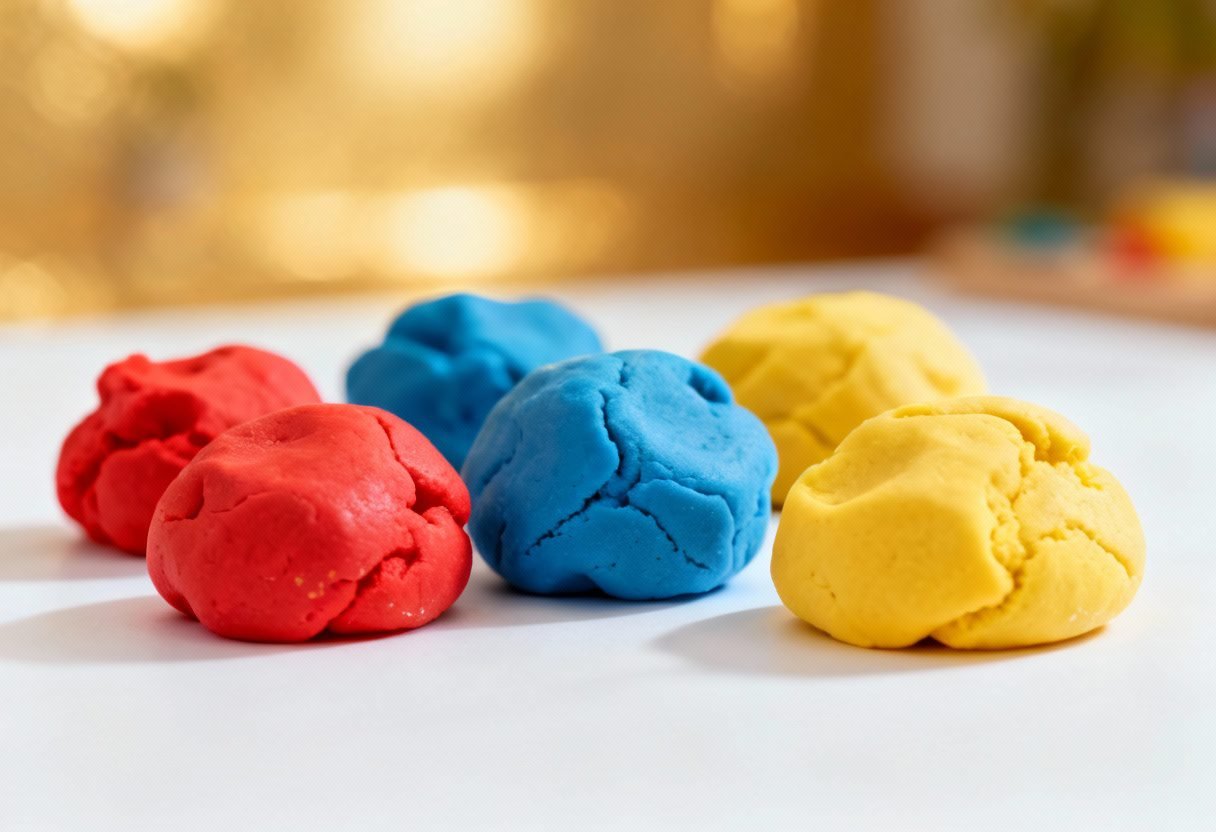
Easy Play Dough Recipe: The Ultimate No-Cook, Soft & Lasting Dough!
Looking for a fun, engaging, and budget-friendly activity to keep your little ones entertained for hours? Look no further! This easy play dough recipe is a game-changer for parents and educators alike. Forget store-bought play dough that dries out quickly and can be surprisingly expensive. This homemade version is incredibly soft, lasts for weeks when stored properly, and uses ingredients you likely already have in your pantry. Get ready for sensory fun and creative exploration with this simple, foolproof recipe!
Why This Recipe Works
This recipe isn’t just easy; it’s designed for success. Here’s why it consistently produces perfectly pliable and long-lasting play dough:
- No-Cook Convenience: Unlike many homemade play dough recipes that require stovetop cooking, this one is entirely no-cook! This makes it safe and simple for even young children to help with (with adult supervision, of course!).
- The Right Ratio: The precise ratio of flour, salt, water, oil, and cream of tartar is crucial. This balance ensures a smooth, elastic dough that isn’t too sticky or crumbly.
- Salt as a Preservative: The high salt content acts as a natural preservative, inhibiting mold growth and extending the shelf life of your play dough.
- Cream of Tartar’s Magic: Cream of tartar is the secret ingredient! It helps to create a super soft and pliable texture that’s less likely to crack or dry out quickly.
- Oil for Softness: A touch of oil adds moisture and helps keep the play dough soft and easy to mold.
Ingredients
- 2 cups all-purpose flour
- 1 cup salt
- 2 tablespoons cream of tartar
- 2 cups boiling water
- 2 tablespoons vegetable oil (or any cooking oil)
- Food coloring (liquid or gel) – optional
- Essential oils (for scent) – optional
Instructions
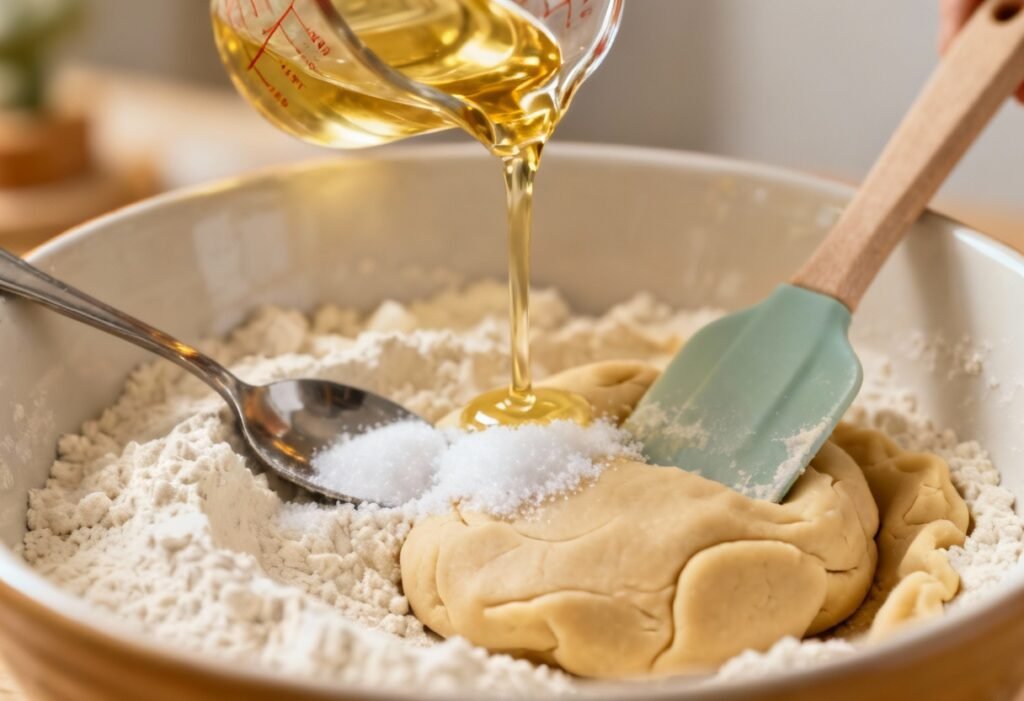
- Combine Dry Ingredients: In a large bowl, whisk together the flour, salt, and cream of tartar until well combined. This ensures that the salt and cream of tartar are evenly distributed throughout the mixture.
- Add Boiling Water and Oil: Carefully pour the boiling water into the bowl with the dry ingredients. Add the vegetable oil.
- Mix Thoroughly: Stir the mixture vigorously with a wooden spoon or spatula until it forms a shaggy dough. It might seem a bit lumpy at first, but keep stirring!
- Knead the Dough: Once the dough has cooled slightly (enough to handle), turn it out onto a lightly floured surface. Knead the dough for 5-10 minutes, or until it becomes smooth, elastic, and no longer sticky. This is where the magic happens! The kneading process develops the gluten in the flour, creating a pliable and cohesive dough. If the dough is still too sticky, add a little more flour, a tablespoon at a time, until it reaches the desired consistency.
- Add Food Coloring (Optional): If you want colored play dough, divide the dough into separate portions. Add a few drops of food coloring to each portion and knead until the color is evenly distributed. Gel food coloring is recommended as it provides more vibrant colors and doesn’t add extra liquid to the dough. Be mindful of clothing and surfaces while coloring the dough.
- Add Essential Oils (Optional): For a sensory experience, add a few drops of your favorite essential oil to each portion of dough. Lavender, chamomile, or citrus oils are great options.
- Play and Enjoy! Your homemade play dough is now ready to use. Let your imagination run wild!
Tips for Success
Here are a few extra tips to ensure your play dough is a success:
- Boiling Water is Key: Using boiling water is essential for activating the gluten in the flour and creating a smooth, pliable dough.
- Don’t Overwork the Dough: While kneading is important, avoid over-kneading the dough, as this can make it tough.
- Adjust Consistency: If the dough is too dry, add a teaspoon of water at a time until it reaches the desired consistency. If it’s too sticky, add a tablespoon of flour at a time.
- Use Quality Ingredients: While this recipe is simple, using high-quality ingredients can make a difference in the final product.
- Get Creative with Add-Ins: Experiment with adding glitter, small beads, or other embellishments to your play dough for added fun and texture.
- Supervise Young Children: Always supervise young children while they are playing with play dough to prevent them from putting it in their mouths. While this recipe is made with edible ingredients, it is not intended to be eaten.
Storage Instructions
Proper storage is key to keeping your homemade play dough soft and pliable for weeks. Follow these simple instructions:
- Airtight Container: Store the play dough in an airtight container or resealable plastic bag. This will prevent it from drying out.
- Cool, Dry Place: Keep the container in a cool, dry place, away from direct sunlight or heat.
- Check Regularly: Check the play dough regularly for any signs of mold or dryness. If it starts to dry out, you can try adding a few drops of water and kneading it again.
FAQ
Q: Can I use cold water instead of boiling water?
A: No, boiling water is essential for this recipe to work properly. It helps to activate the gluten in the flour and create a smooth, pliable dough.
Q: Can I use different types of flour?
A: All-purpose flour works best for this recipe. Other types of flour may result in a different texture.
Q: Can I omit the cream of tartar?
A: While you can technically make play dough without cream of tartar, it’s highly recommended. It helps to create a much softer and more pliable dough that lasts longer.
Q: My play dough is too sticky. What should I do?
A: Add a tablespoon of flour at a time until it reaches the desired consistency.
Q: My play dough is too dry. What should I do?
A: Add a teaspoon of water at a time and knead until it becomes softer.
Q: How long does this play dough last?
A: When stored properly, this play dough can last for several weeks or even months.
Q: Is this play dough safe for children with allergies?
A: This play dough contains gluten and salt. If your child has any allergies, be sure to check the ingredients carefully and make any necessary substitutions.
Conclusion
This easy play dough recipe is a fantastic way to unleash your child’s creativity and provide hours of fun. It’s simple to make, uses readily available ingredients, and lasts for weeks with proper storage. So, gather your supplies, get ready to get your hands dirty, and enjoy the magic of homemade play dough!