Egg Custard Recipe Easy: Silky Smooth Perfection in Every Bite!
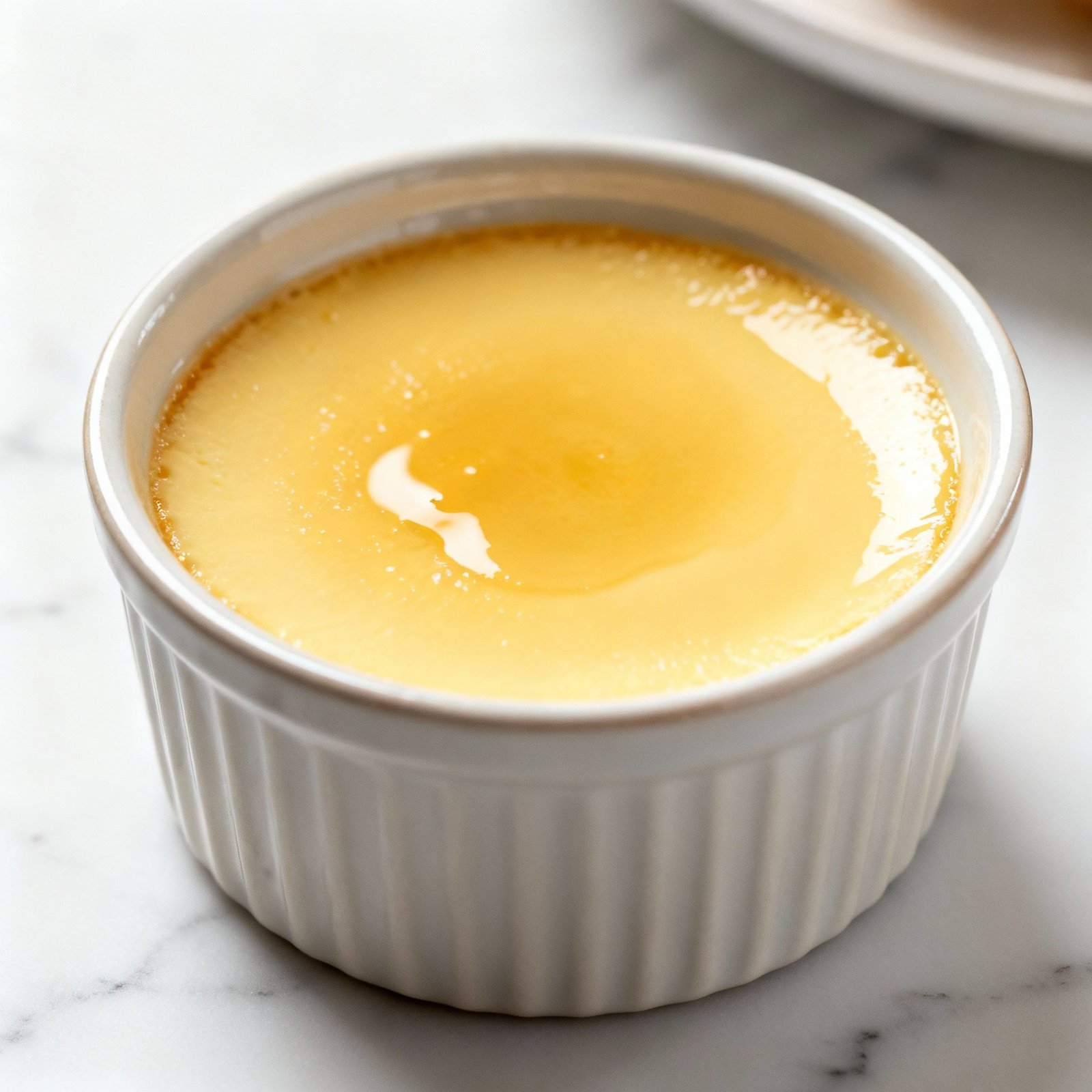
Craving a comforting, classic dessert that’s both elegant and surprisingly simple to make? Look no further than this easy egg custard recipe! Egg custard, with its delicate flavor and unbelievably smooth texture, is a timeless treat that’s perfect for any occasion. Whether you’re looking for a satisfying weeknight dessert or a sophisticated finale to a dinner party, this recipe will deliver every time. Forget complicated techniques and long lists of ingredients – this version focuses on simplicity and foolproof methods to ensure a perfectly baked custard every single time.
This recipe is so easy, even beginner bakers can achieve professional-looking results. We’ve broken down the process into manageable steps, offering clear instructions and helpful tips along the way. Get ready to impress your friends and family (and yourself!) with this delectable and satisfying dessert.
Why This Recipe Works
This recipe is designed for success because it focuses on a few key principles that are essential for achieving that perfect silky-smooth texture:
- Gentle Cooking: Baking the custard in a water bath (bain-marie) ensures even and gentle cooking, preventing the custard from curdling or becoming rubbery. The water bath helps to regulate the temperature and distribute heat evenly around the custard cups.
- Simple Ingredients: We use a minimal ingredient list – eggs, milk, sugar, and vanilla – to allow the pure, delicious flavor of the custard to shine through. The quality of your ingredients matters, so use fresh, high-quality eggs and milk for the best results.
- Proper Temperature: Maintaining the correct oven temperature is crucial for baking the custard properly. Too high, and the custard will cook too quickly and become curdled. Too low, and it will take forever to set.
- Strain the Mixture: Straining the custard mixture before baking removes any lumps or bits of egg white, resulting in an incredibly smooth and refined final product.
- Patience is Key: Allow the custard to cool completely in the refrigerator before serving. This allows the flavors to meld and the texture to firm up, resulting in a more enjoyable eating experience.
Ingredients
- 4 large eggs
- 2 cups whole milk
- 1/2 cup granulated sugar
- 1 teaspoon vanilla extract
- Pinch of salt
- Optional: Nutmeg for garnish
Instructions
- Preheat and Prepare: Preheat your oven to 325°F (160°C). Gather six ramekins or custard cups.
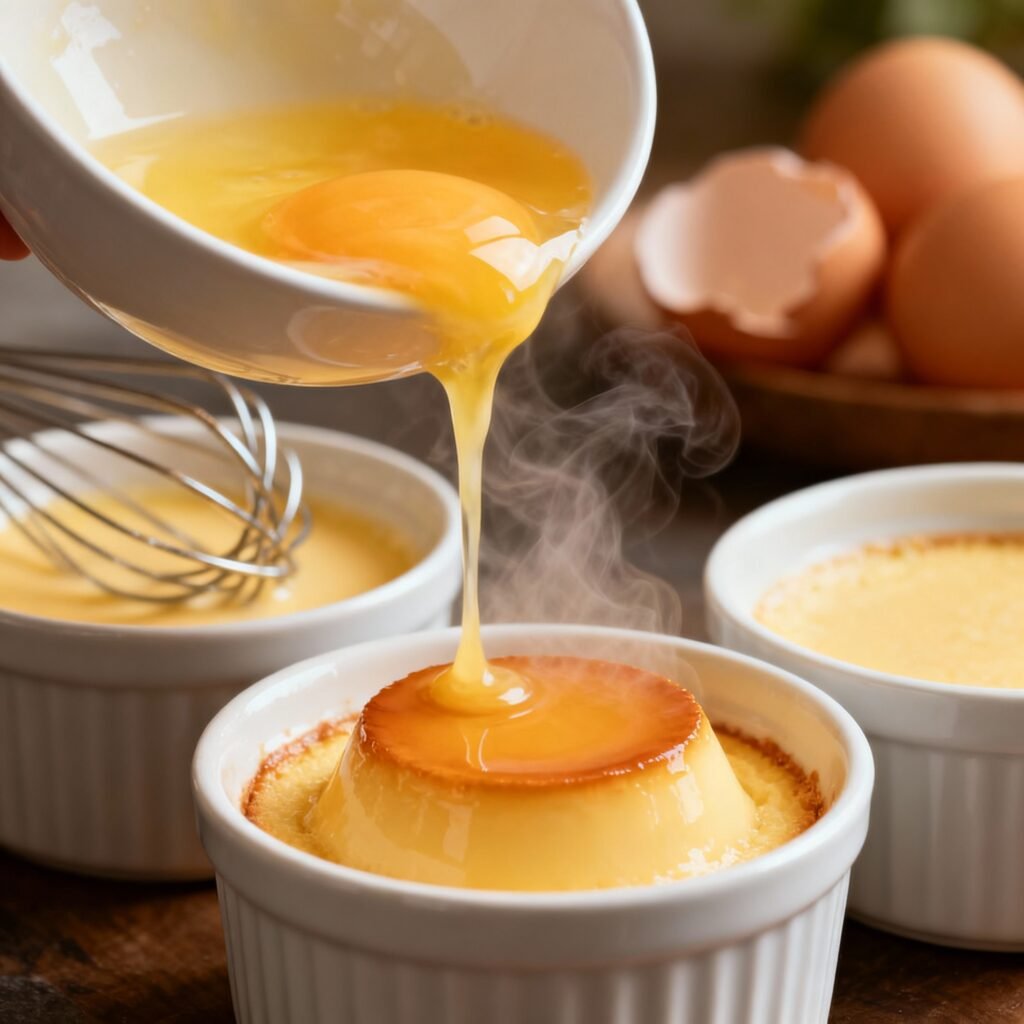
- Whisk the Ingredients: In a medium bowl, whisk together the eggs, sugar, and salt until well combined and slightly frothy. Be careful not to over-whisk, as this can introduce air bubbles that can affect the texture of the custard.
- Heat the Milk: In a saucepan, heat the milk over medium heat until it is just simmering, but not boiling. Watch carefully to prevent it from scorching.
- Temper the Eggs: Slowly pour the hot milk into the egg mixture, whisking constantly to prevent the eggs from scrambling. This process is called tempering, and it gradually raises the temperature of the eggs without cooking them.
- Add Vanilla: Stir in the vanilla extract.
- Strain the Mixture: Pour the custard mixture through a fine-mesh sieve into a pitcher or measuring cup. This will remove any lumps and ensure a smooth final product.
- Pour into Ramekins: Carefully pour the strained custard mixture into the prepared ramekins, filling them almost to the top.
- Prepare the Water Bath: Place the ramekins in a baking dish. Carefully pour hot water into the baking dish until it reaches about halfway up the sides of the ramekins. The water bath helps to cook the custard gently and evenly.
- Bake: Bake in the preheated oven for 45-55 minutes, or until the custards are set around the edges but still slightly wobbly in the center. To test for doneness, gently jiggle the baking dish. The custards should have a slight wobble, but the edges should be firm.
- Cool and Chill: Carefully remove the baking dish from the oven and let the ramekins cool in the water bath for about 30 minutes. Then, remove the ramekins from the water bath and let them cool completely at room temperature.
- Refrigerate: Cover the ramekins with plastic wrap and refrigerate for at least 2 hours, or preferably overnight, to allow the custards to chill completely and set properly.
- Serve: Before serving, sprinkle the tops of the custards with a pinch of nutmeg, if desired. Enjoy!
Tips for Success
- Use Fresh Ingredients: The quality of your ingredients directly impacts the flavor of the custard. Use fresh eggs and milk for the best results.
- Don’t Overbake: Overbaking will result in a curdled or rubbery custard. The custard should be slightly wobbly in the center when it’s done.
- Control the Heat: Maintaining a consistent oven temperature is crucial. Use an oven thermometer to ensure accurate temperature.
- Adjust Baking Time: Baking time may vary depending on your oven and the size of your ramekins. Keep a close eye on the custards and adjust the baking time accordingly.
- Experiment with Flavors: Feel free to add a touch of lemon zest, cinnamon, or other spices to the custard mixture for a unique flavor twist.
- Prevent a Skin: To prevent a skin from forming on the surface of the custard while it cools, place a piece of plastic wrap directly on the surface of the custard before refrigerating.
Storage Instructions
Egg custard should be stored in the refrigerator. Cover the ramekins tightly with plastic wrap or store them in an airtight container. Properly stored, egg custard will last for up to 3 days in the refrigerator. It is not recommended to freeze egg custard, as this can alter the texture.
FAQ
- Can I use a different type of milk? While whole milk provides the richest and creamiest texture, you can use 2% milk. However, the custard will be slightly less rich. Avoid using skim milk, as it will not provide enough fat for a good texture.
- Can I use a different type of sweetener? You can substitute the granulated sugar with other sweeteners like caster sugar or even maple syrup. Keep in mind that the flavor will be slightly different.
- Why is my custard curdled? Curdling is usually caused by overbaking or baking at too high a temperature. Ensure you’re using a water bath and monitoring the oven temperature closely.
- My custard is not setting. What did I do wrong? The most common reason for custard not setting is underbaking. Return the custard to the oven for a few more minutes, checking frequently.
- Can I make this recipe ahead of time? Yes! In fact, it’s recommended to make this recipe ahead of time, as the custard needs to chill for at least 2 hours before serving. This also allows the flavors to meld together.
Conclusion
This easy egg custard recipe is a testament to the fact that simple ingredients and straightforward techniques can yield truly exceptional results. With its velvety smooth texture and delicate vanilla flavor, this dessert is sure to become a new favorite. So, gather your ingredients, follow the instructions, and prepare to indulge in a taste of classic comfort. Happy baking!