Garden Green Beans Recipe: Simple Perfection on Your Plate
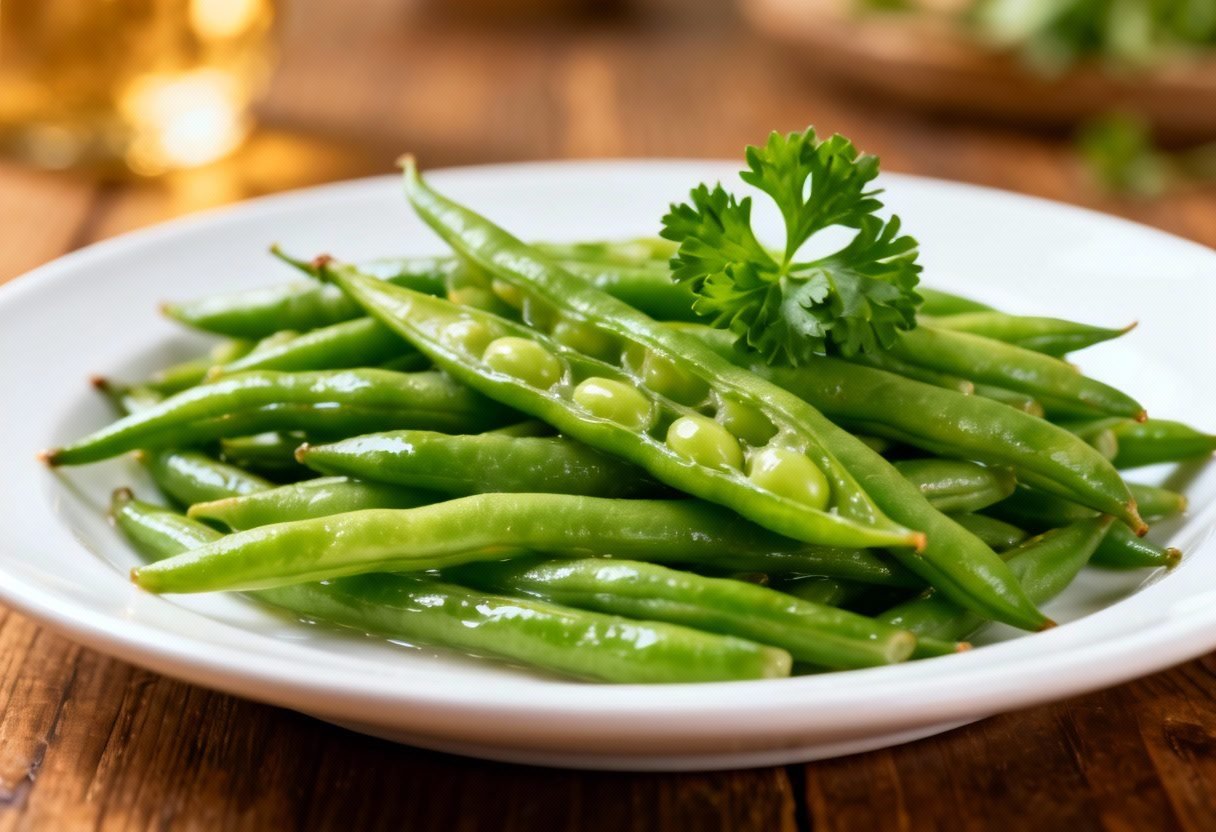
There’s nothing quite like the crisp, vibrant flavor of freshly picked garden green beans. Forget those bland, stringy grocery store beans! This recipe celebrates the natural sweetness and satisfying crunch of homegrown green beans with minimal fuss, allowing their inherent goodness to shine. Whether you’re a seasoned gardener overflowing with a bountiful harvest or simply looking for a delicious and healthy side dish, this recipe is your go-to for transforming humble green beans into a culinary delight. We’ll explore a simple yet elegant preparation that enhances their flavor, leaving you wanting more with every bite. Get ready to experience green beans like never before!
Why This Recipe Works
This recipe focuses on simplicity and freshness, highlighting the natural characteristics of garden-fresh green beans. Here’s why it works so well:
- Quick Cooking Time: Overcooking green beans results in a mushy, unappetizing texture. This recipe uses a brief blanching and sautéing method to preserve their crisp-tender bite.
- Flavor Enhancement: A touch of garlic, olive oil, and a squeeze of lemon juice elevate the beans’ natural flavor without overpowering them.
- Versatility: This recipe is a blank canvas! Feel free to experiment with different herbs, spices, or even a sprinkle of toasted nuts to customize it to your liking.
- Easy to Scale: Whether you have a handful or a basketful of green beans, this recipe can easily be adjusted to accommodate any quantity.
- Focus on Freshness: The key ingredient here is, of course, fresh garden green beans. Using the best quality beans ensures the best possible flavor and texture.
Ingredients
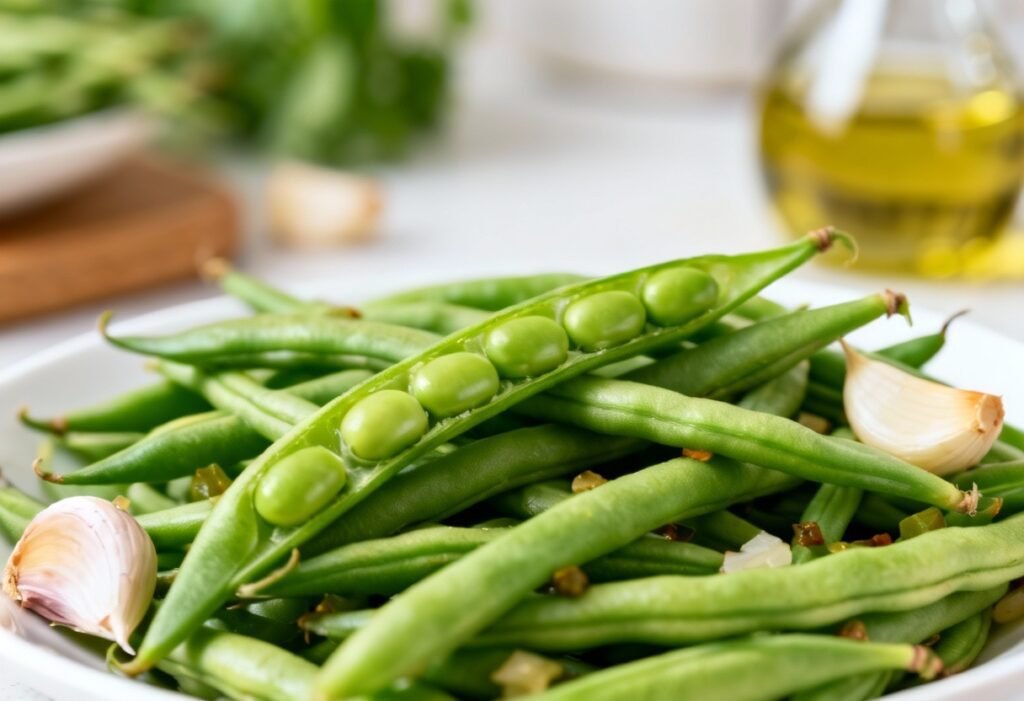
- 1 pound fresh garden green beans, trimmed
- 2 tablespoons olive oil
- 2 cloves garlic, minced
- 1/4 teaspoon red pepper flakes (optional)
- Salt and freshly ground black pepper to taste
- 1 tablespoon lemon juice
- Optional garnishes: Toasted almonds, chopped parsley, grated Parmesan cheese
Instructions
- Prepare the Green Beans: Wash the green beans thoroughly. Snap off the ends. If the beans are particularly long, you can cut them in half for easier eating.
- Blanch the Green Beans: Bring a large pot of salted water to a boil. Add the green beans and blanch for 3-4 minutes, or until they turn bright green and are slightly tender-crisp.
- Shock in Ice Water: Immediately transfer the blanched green beans to a bowl of ice water. This stops the cooking process and preserves their vibrant color and crisp texture. Let them sit in the ice water for a minute or two.
- Drain Thoroughly: Drain the green beans well and pat them dry with paper towels. This is crucial for achieving a good sear in the next step.
- Sauté the Green Beans: Heat the olive oil in a large skillet over medium heat. Add the minced garlic and red pepper flakes (if using) and sauté for about 30 seconds, or until fragrant. Be careful not to burn the garlic.
- Add the Green Beans: Add the drained green beans to the skillet and sauté for 5-7 minutes, stirring occasionally, until they are heated through and slightly browned.
- Season and Finish: Season the green beans with salt and freshly ground black pepper to taste. Squeeze the lemon juice over the beans and toss to combine.
- Serve Immediately: Transfer the green beans to a serving dish and garnish with toasted almonds, chopped parsley, or grated Parmesan cheese, if desired. Serve immediately and enjoy!
Tips for Success
Follow these tips to ensure your garden green beans are a culinary triumph:
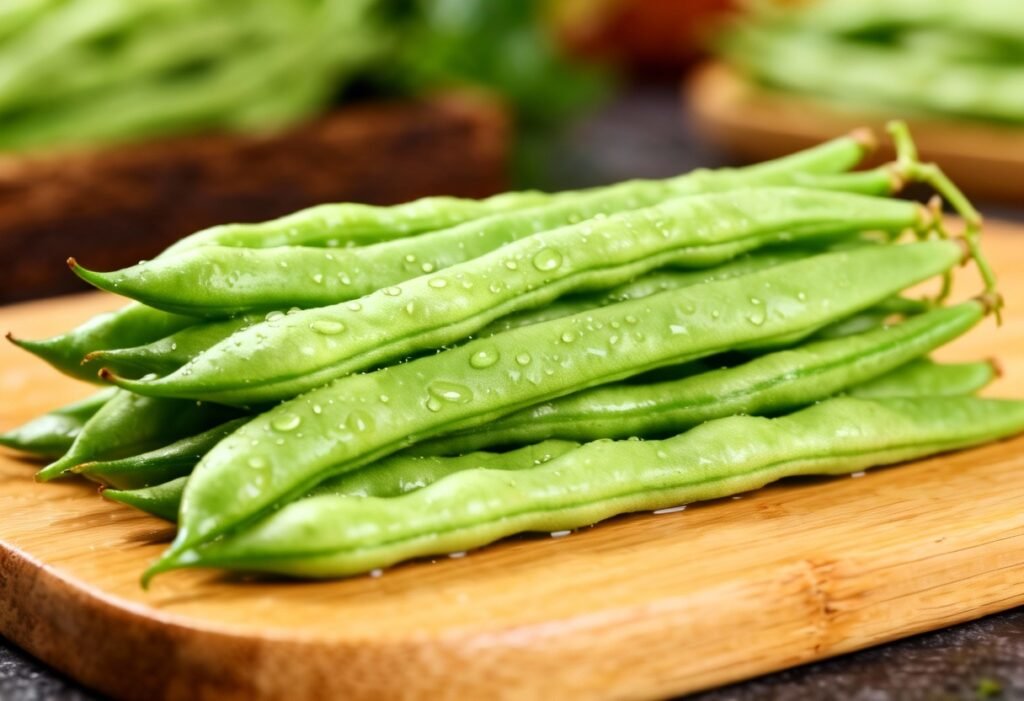
- Choose Fresh, Firm Beans: Select green beans that are firm, crisp, and bright green in color. Avoid beans that are limp, discolored, or have blemishes.
- Don’t Overcook: Overcooked green beans become mushy and lose their flavor. The blanching and sautéing times in this recipe are designed to preserve their crisp-tender texture.
- Dry the Beans Thoroughly: After blanching, make sure to dry the green beans thoroughly before sautéing them. This will help them brown properly and prevent them from steaming in the pan.
- Adjust Seasoning to Taste: Taste the green beans after sautéing and adjust the seasoning as needed. Don’t be afraid to add a little extra salt, pepper, or lemon juice to enhance the flavor.
- Experiment with Flavors: This recipe is a great base for experimentation. Try adding different herbs, spices, or nuts to customize it to your liking. Some popular additions include thyme, rosemary, dill, walnuts, or pecans.
- Use High-Quality Olive Oil: The flavor of the olive oil will have a noticeable impact on the final dish. Choose a good quality extra virgin olive oil for the best results.
- Don’t Crowd the Pan: If you’re cooking a large quantity of green beans, it’s best to sauté them in batches to avoid overcrowding the pan. Overcrowding will lower the temperature of the pan and prevent the beans from browning properly.
Storage Instructions
Leftover cooked green beans can be stored in an airtight container in the refrigerator for up to 3 days. To reheat, sauté them in a skillet over medium heat until heated through. You can also microwave them, but they may lose some of their crispness.
FAQ
Q: Can I use frozen green beans instead of fresh?
A: While fresh garden green beans are always preferred, you can use frozen green beans in a pinch. However, the texture will be slightly softer. Skip the blanching step and simply sauté them in the skillet with the garlic and olive oil.
Q: Can I grill the green beans instead of sautéing them?
A: Absolutely! Toss the blanched green beans with olive oil, salt, and pepper, and grill them over medium heat until slightly charred and tender-crisp.
Q: What other vegetables can I add to this recipe?
A: You can add other vegetables such as sliced onions, bell peppers, or mushrooms to the skillet along with the green beans. Adjust the cooking time as needed to ensure all the vegetables are cooked through.
Q: Can I make this recipe ahead of time?
A: You can blanch the green beans ahead of time and store them in the refrigerator until you’re ready to sauté them. However, it’s best to sauté and season them just before serving for the best flavor and texture.
Q: I don’t have lemon juice. What can I use instead?
A: A splash of white wine vinegar or a squeeze of lime juice can be used as a substitute for lemon juice.
Conclusion
This simple garden green beans recipe is a testament to the fact that the best dishes are often the simplest. By highlighting the natural flavor and texture of fresh, homegrown green beans, you can create a side dish that is both delicious and nutritious. So, head to your garden, harvest those beautiful green beans, and get ready to experience a taste of summer on your plate. Enjoy!