Garlic Sourdough Bread Recipe: Unleash the Flavor!
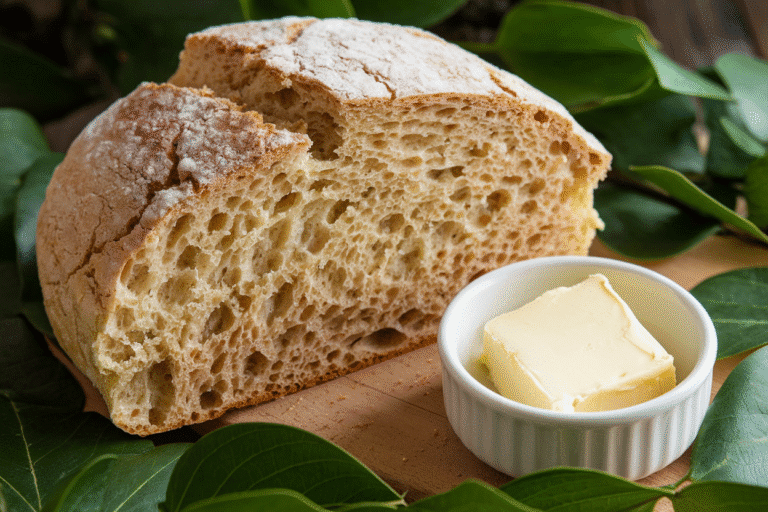
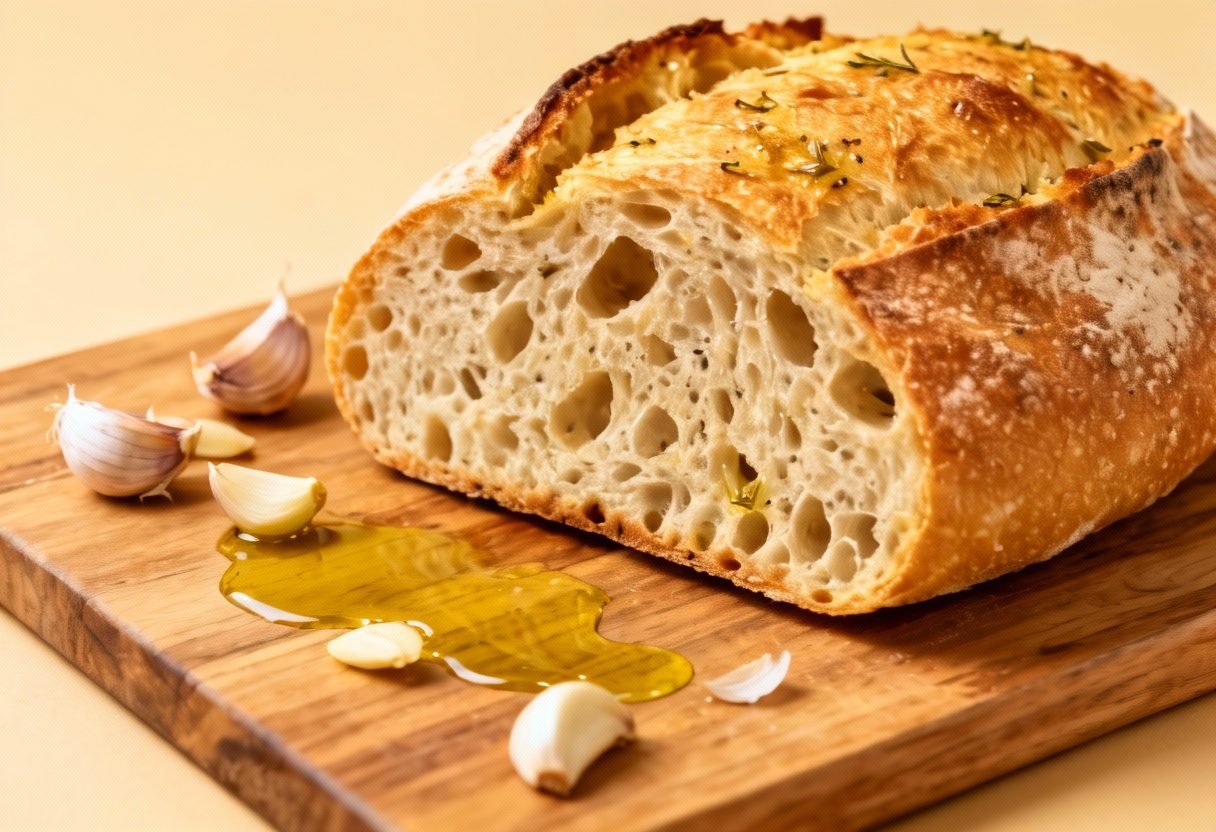
There’s nothing quite like the aroma of freshly baked bread wafting through your home. And when that bread is a tangy, garlicky sourdough, the experience is elevated to a whole new level. This recipe delivers a stunning loaf with a crisp, golden crust, a chewy, airy crumb, and an intense garlic flavor that will have everyone begging for more. Forget store-bought garlic bread – this homemade version is in a league of its own. Whether you’re a seasoned sourdough baker or just starting your journey, this recipe is designed to guide you through each step, ensuring a delicious and satisfying result. Get ready to impress your family and friends with this irresistible garlic sourdough masterpiece!
Why This Recipe Works
This garlic sourdough bread recipe stands out for several reasons:
- Sourdough Tang: The natural fermentation process of sourdough creates a complex flavor profile with a delightful tang that complements the garlic beautifully.
- Garlic Infusion: We use a combination of roasted garlic and garlic powder to deliver a potent and balanced garlic flavor throughout the entire loaf. Roasting the garlic mellows its harshness and adds a subtle sweetness, while the garlic powder ensures a consistent and even distribution of flavor.
- Hydration Balance: The recipe utilizes a carefully calculated hydration level, resulting in a dough that is easy to work with while still producing a light and airy crumb.
- Foolproof Method: The step-by-step instructions are clear and concise, making this recipe accessible to bakers of all skill levels. We’ve included tips and tricks to help you overcome common sourdough challenges and achieve consistent results.
- Customizable: While the core recipe is fantastic as is, it’s also easily customizable. You can adjust the amount of garlic to your liking, add other herbs and spices, or even incorporate cheese for a truly unique flavor experience.
Ingredients
- Sourdough Starter: 100g active and bubbly (100% hydration)
- Bread Flour: 400g
- Whole Wheat Flour: 100g (optional, adds flavor and texture)
- Water: 350g (lukewarm, around 85-90°F)
- Salt: 10g
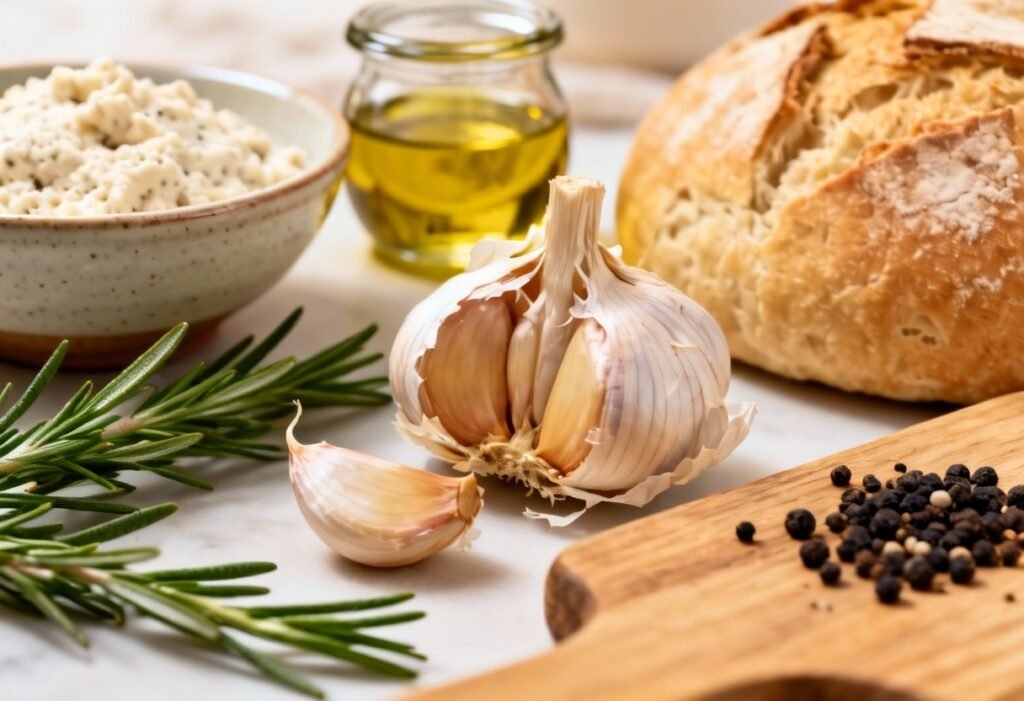
- Roasted Garlic: 1 head (roasted and mashed)
- Garlic Powder: 2 teaspoons
- Olive Oil: 1 tablespoon (for coating the bowl)
Instructions
- Prepare the Starter (if needed): If your starter isn’t active, feed it 4-12 hours before starting the recipe. It should have doubled in size and be bubbly.
- Autolyse: In a large bowl, combine the bread flour, whole wheat flour (if using), and water. Mix until just combined – no dry flour should remain. Cover and let rest for 30-60 minutes. This process hydrates the flour and develops gluten, resulting in a better texture.
- Incorporate the Starter and Garlic: Add the active sourdough starter, roasted garlic, and garlic powder to the autolysed dough. Mix well using your hands or a dough scraper until everything is evenly distributed.
- Add the Salt: Sprinkle the salt over the dough. Mix again until the salt is fully incorporated. The dough will be shaggy and sticky at this point.
- Bulk Fermentation (First Rise): Cover the bowl and let the dough rest for 30 minutes. Then, perform a series of stretch and folds. To do this, gently grab a portion of the dough, stretch it upwards, and fold it over onto itself. Rotate the bowl and repeat this process 4-5 times. Rest for another 30 minutes and repeat the stretch and folds. Do this a total of 3-4 times over the next 2-3 hours. The stretch and folds strengthen the gluten and help develop structure. The dough should roughly double in size during this period. The exact time will depend on the temperature of your kitchen.
- Pre-Shape: Gently turn the dough out onto a lightly floured surface. Shape it into a round or oval. Cover with plastic wrap or a damp towel and let rest for 20-30 minutes. This allows the gluten to relax.
- Final Shape: Gently shape the dough into its final shape (round or oval). Be careful not to degas the dough too much.
- Proofing (Second Rise): Place the shaped dough in a well-floured banneton basket (or a bowl lined with a floured tea towel). Cover with plastic wrap or a damp towel and refrigerate for 12-24 hours. This slow, cold proofing develops flavor and improves the crust.
- Preheat the Oven: Preheat your oven to 450°F (232°C) with a Dutch oven inside. It’s crucial to preheat the Dutch oven for at least 30 minutes to ensure a good oven spring.
- Score the Dough: Carefully remove the hot Dutch oven from the oven. Remove the dough from the banneton basket and gently place it into the Dutch oven. Score the top of the dough with a sharp knife or lame. This allows the dough to expand properly during baking.
- Bake: Cover the Dutch oven and bake for 20 minutes. Then, remove the lid and bake for another 25-35 minutes, or until the crust is deeply golden brown and the internal temperature reaches 205-210°F (96-99°C).
- Cool: Carefully remove the bread from the Dutch oven and let it cool completely on a wire rack before slicing. This is crucial for preventing a gummy texture.
Tips for Success
- Use a Reliable Starter: A strong and active starter is essential for sourdough bread. If your starter is sluggish, feed it regularly for a few days before baking.
- Don’t Overmix: Overmixing can lead to a tough bread. Mix until just combined, and rely on stretch and folds to develop the gluten.
- Control Temperature: The temperature of your ingredients and kitchen can affect the fermentation process. Use lukewarm water and try to keep your kitchen at a consistent temperature.
- Observe the Dough: Pay attention to how the dough feels and looks. It should be smooth, elastic, and bubbly.
- Score with Confidence: A deep, clean score is essential for a good oven spring. Use a sharp knife or lame and score at a 45-degree angle.
- Cool Completely: Resist the urge to slice into the bread while it’s still warm. Cooling allows the crumb to set properly.
Storage Instructions
Store your garlic sourdough bread in a bread box or a paper bag at room temperature for up to 3 days. For longer storage, slice the bread and freeze it in an airtight container or freezer bag. To reheat, thaw the bread and toast it or warm it in the oven.

FAQ
- Can I use a different type of flour? Yes, you can substitute some of the bread flour with other types of flour, such as rye or spelt. However, using too much of a different flour may affect the texture of the bread.
- Can I add other herbs or spices? Absolutely! Feel free to experiment with other herbs and spices, such as rosemary, thyme, or chili flakes.
- My dough is too sticky. What should I do? A sticky dough is normal, especially with high-hydration recipes. Try using wet hands or a dough scraper to handle the dough. You can also add a little bit of flour, but be careful not to add too much, as this can make the bread tough.
- My bread is too dense. What could be the reason? A dense bread can be caused by several factors, such as an inactive starter, overmixing, under-proofing, or not enough oven spring. Make sure your starter is active, mix gently, allow the dough to proof properly, and preheat your Dutch oven thoroughly.
- Can I make this recipe without a Dutch oven? Yes, you can bake the bread on a baking stone or baking sheet, but you’ll need to create steam in the oven. You can do this by placing a pan of hot water on the bottom rack of the oven.
Conclusion
This garlic sourdough bread recipe is more than just a bread recipe; it’s an experience. The process of nurturing a sourdough starter, mixing the dough, and watching it transform into a beautiful, flavorful loaf is incredibly rewarding. The aroma of roasted garlic and freshly baked bread will fill your home, creating a warm and inviting atmosphere. So, gather your ingredients, embrace the process, and prepare to be amazed by the deliciousness of homemade garlic sourdough bread. Happy baking!