GF Pizza Dough Recipe: The Easiest, Crispiest Crust You’ll Ever Make!
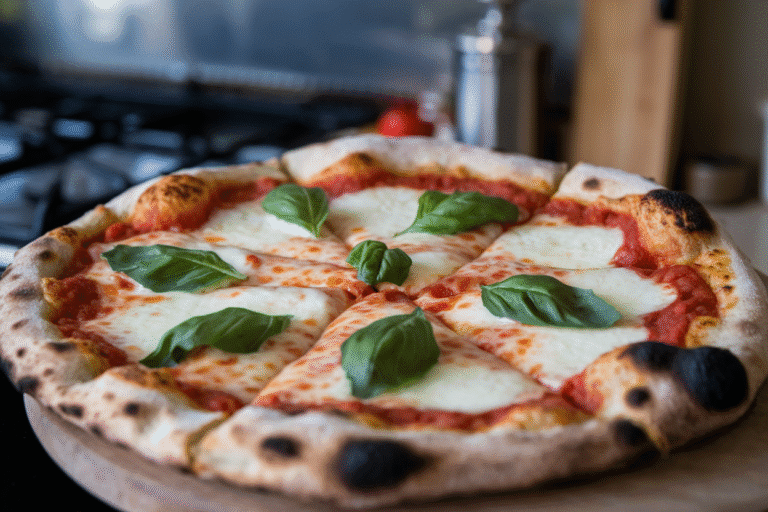
Craving pizza but avoiding gluten? You’re not alone! For years, the quest for a truly delicious gluten-free pizza crust has been a frustrating one. Too often, the result is a gummy, cardboard-like disappointment. But fear not, pizza lovers! This recipe delivers a surprisingly simple, yet incredibly satisfying, gluten-free pizza dough that’s crispy on the outside, chewy on the inside, and holds up beautifully to all your favorite toppings. Get ready to say goodbye to disappointing gluten-free pizza and hello to homemade deliciousness!
Why This Recipe Works
This recipe isn’t just another gluten-free pizza dough; it’s the culmination of countless experiments and a deep understanding of how gluten-free flours behave. Here’s why it works so well:
- A Blend of Flours: We don’t rely on just one gluten-free flour. Instead, we use a carefully balanced blend of rice flour, tapioca starch, and potato starch. This combination provides the right structure, chewiness, and crispness.
- Xanthan Gum: Xanthan gum acts as a binder, mimicking the role of gluten in traditional dough. It helps create elasticity and prevents the dough from crumbling.
- Warm Water and Yeast Activation: Activating the yeast in warm water ensures it’s alive and ready to leaven the dough, resulting in a lighter and more airy crust.
- Olive Oil: Olive oil adds flavor and helps create a tender crust. It also contributes to a slightly crispy texture when baked.
- Patience is Key: Allowing the dough to rest and rise (even for a short period) allows the yeast to work its magic, improving the texture and flavor.
Ingredients
- 1 ¼ cups (300ml) warm water (around 105-115°F or 40-46°C)
- 2 teaspoons (7g) active dry yeast
- 1 teaspoon granulated sugar (or honey)
- 2 cups (240g) gluten-free all-purpose flour blend (see notes below)
- ½ cup (60g) rice flour
- ½ cup (60g) tapioca starch (tapioca flour)
- ¼ cup (30g) potato starch
- 1 teaspoon xanthan gum
- 1 ½ teaspoons salt
- 2 tablespoons olive oil, plus extra for greasing
Gluten-Free Flour Blend Notes: The best results will come from using a high-quality gluten-free all-purpose flour blend that contains xanthan gum. If your blend doesn’t contain xanthan gum, add an additional ½ teaspoon to the recipe. Bob’s Red Mill Gluten Free 1-to-1 Baking Flour and King Arthur Measure for Measure Gluten-Free Flour are both good options. Using a blend specifically designed for baking will provide the best texture and flavor.
Instructions
- Activate the Yeast: In a large bowl, combine the warm water, yeast, and sugar (or honey). Stir gently and let stand for 5-10 minutes, or until foamy. This indicates that the yeast is active.
- Combine Dry Ingredients: In a separate large bowl, whisk together the gluten-free all-purpose flour blend, rice flour, tapioca starch, potato starch, xanthan gum, and salt.
- Combine Wet and Dry Ingredients: Add the olive oil to the yeast mixture. Then, pour the wet ingredients into the dry ingredients and mix with a wooden spoon or spatula until a shaggy dough forms. The dough will be quite sticky.
- Knead (Optional – but Recommended): Lightly flour a clean surface with gluten-free flour. Turn the dough out onto the floured surface and knead for 2-3 minutes. This helps to develop the structure of the dough. If the dough is too sticky to handle, add a little more gluten-free flour, one tablespoon at a time, until it becomes manageable.
- First Rise (Optional): Lightly grease a large bowl with olive oil. Place the dough in the bowl, turning to coat. Cover the bowl with plastic wrap or a clean kitchen towel and let rise in a warm place for 30-60 minutes. This step is optional but will result in a slightly lighter and airier crust.
- Preheat Oven and Prepare Baking Sheet: Preheat your oven to 450°F (232°C) with a pizza stone or baking sheet inside. The hot stone or sheet will help create a crispy crust.
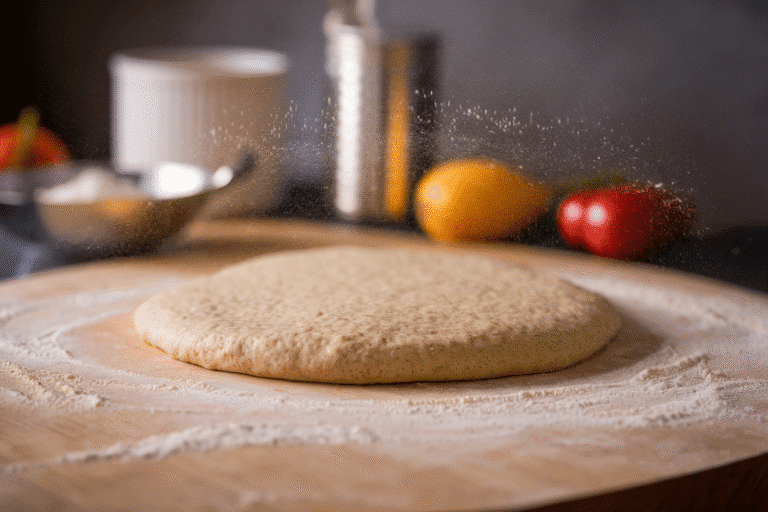
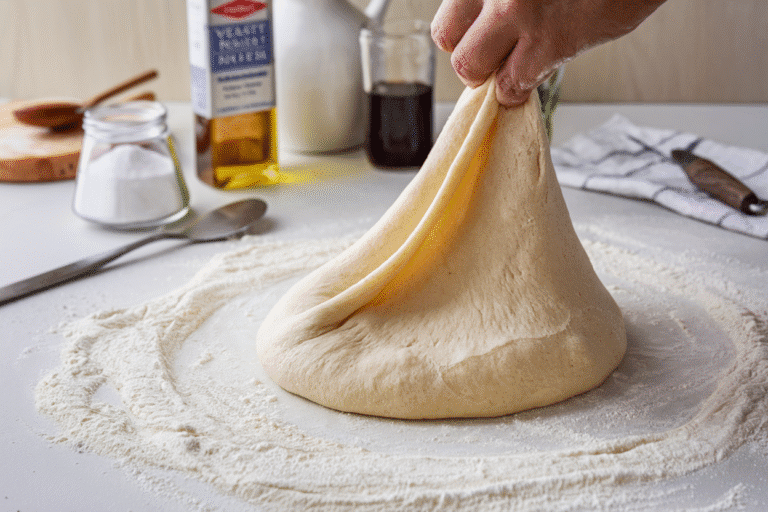
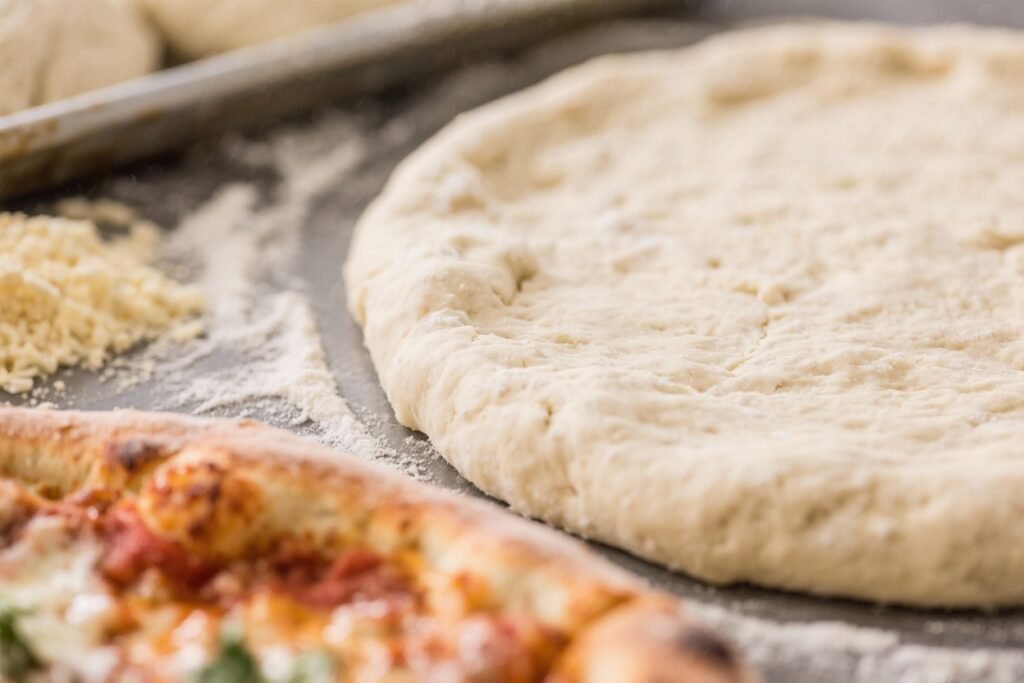
- Shape the Dough: Turn the dough out onto a lightly floured surface. Divide the dough in half for two smaller pizzas or leave it whole for one large pizza. Gently press and stretch the dough into your desired shape. You can use a rolling pin, but be careful not to deflate the dough too much.
- Transfer to Baking Sheet: Carefully transfer the shaped dough to a piece of parchment paper. This makes it easier to transfer the pizza to the hot stone or baking sheet.
- Add Toppings: Spread your favorite pizza sauce over the dough, leaving a small border for the crust. Add your desired toppings.
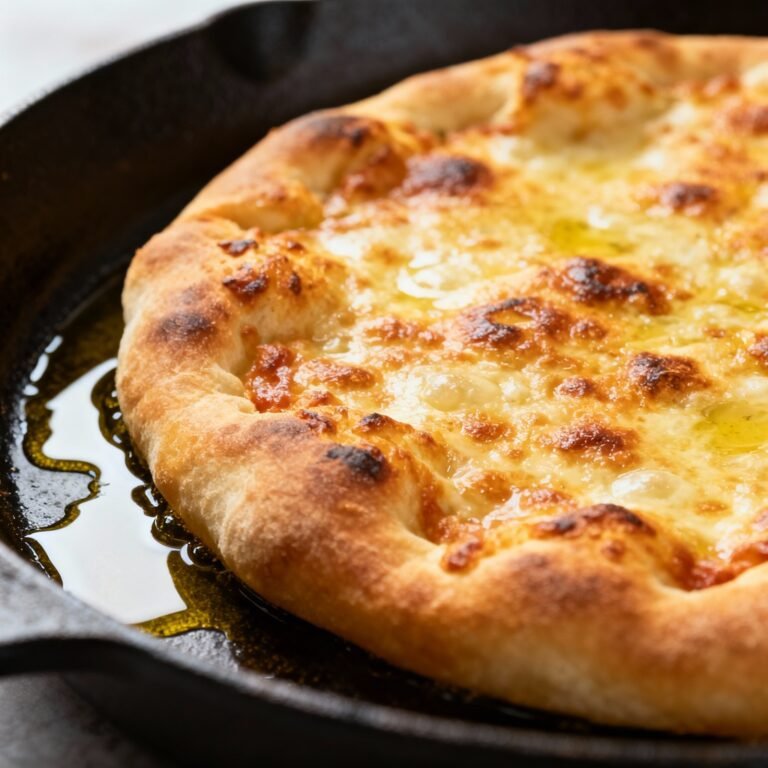
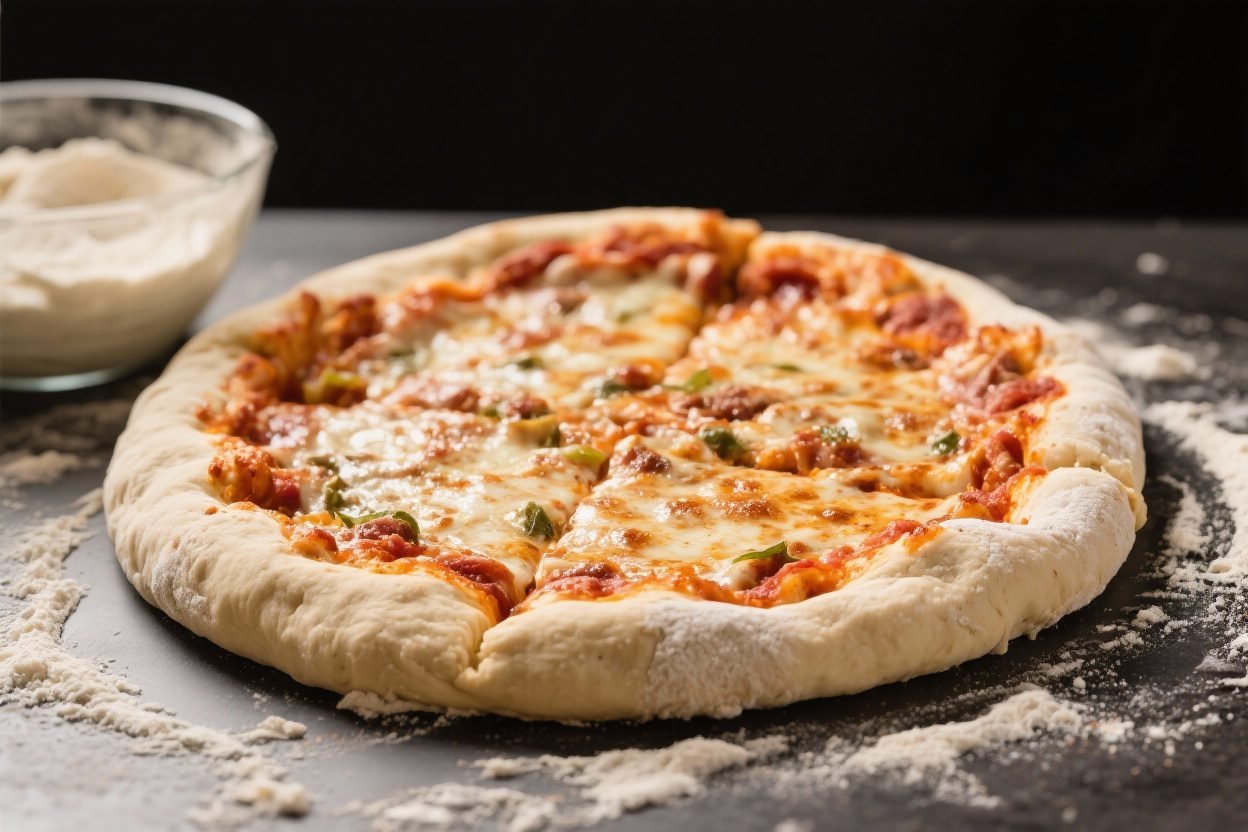
- Bake: Carefully slide the parchment paper with the pizza onto the hot pizza stone or baking sheet in the preheated oven. Bake for 12-15 minutes, or until the crust is golden brown and the cheese is melted and bubbly.
- Cool and Serve: Remove the pizza from the oven and let it cool slightly before slicing and serving. Enjoy!
Tips for Success
- Use a Kitchen Scale: For the most accurate results, use a kitchen scale to measure the ingredients by weight. This is especially important when working with gluten-free flours.
- Don’t Overmix: Overmixing can result in a tough crust. Mix just until the ingredients are combined.
- Handle with Care: Gluten-free dough is more delicate than traditional dough. Be gentle when shaping and transferring it.
- Pre-Bake the Crust (Optional): For an even crispier crust, pre-bake the crust for 5-7 minutes before adding toppings. This will help prevent the crust from becoming soggy.
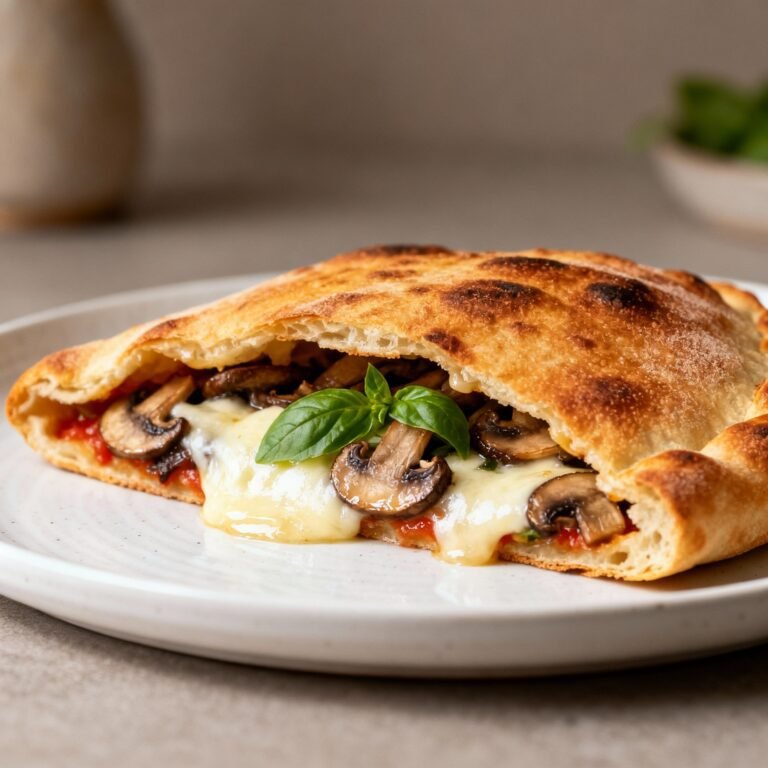
- Experiment with Toppings: Get creative with your toppings! The possibilities are endless.
Storage Instructions
Unbaked Dough: The unbaked dough can be stored in the refrigerator for up to 24 hours. Wrap it tightly in plastic wrap to prevent it from drying out. You can also freeze the unbaked dough for up to 2 months. Thaw it in the refrigerator overnight before using.
Baked Pizza: Leftover baked pizza can be stored in the refrigerator for up to 3 days. Reheat it in the oven or microwave before serving.
FAQ
Can I use a different gluten-free flour blend?
Yes, you can use a different gluten-free flour blend, but be aware that the results may vary. It’s best to use a blend that is specifically designed for baking and contains xanthan gum.
Can I make this recipe without xanthan gum?
While you can omit the xanthan gum, the resulting crust will likely be more crumbly and less elastic. Xanthan gum is essential for mimicking the binding properties of gluten.
My dough is too sticky. What should I do?
Add a little more gluten-free flour, one tablespoon at a time, until the dough becomes manageable. Be careful not to add too much, as this can make the crust dry.
My crust is too hard. What did I do wrong?
Overbaking can result in a hard crust. Reduce the baking time or oven temperature slightly. Also, be sure not to overmix the dough.
Can I make this recipe vegan?
Yes! Simply substitute the honey for another sweetener like agave nectar or maple syrup. Ensure your yeast is vegan-friendly as some brands may use animal-derived ingredients in their production process.
Conclusion
This gluten-free pizza dough recipe is a game-changer! With a little practice and these helpful tips, you’ll be enjoying delicious, homemade gluten-free pizza in no time. So, gather your ingredients, fire up your oven, and get ready to experience the joy of truly satisfying gluten-free pizza. Happy baking!