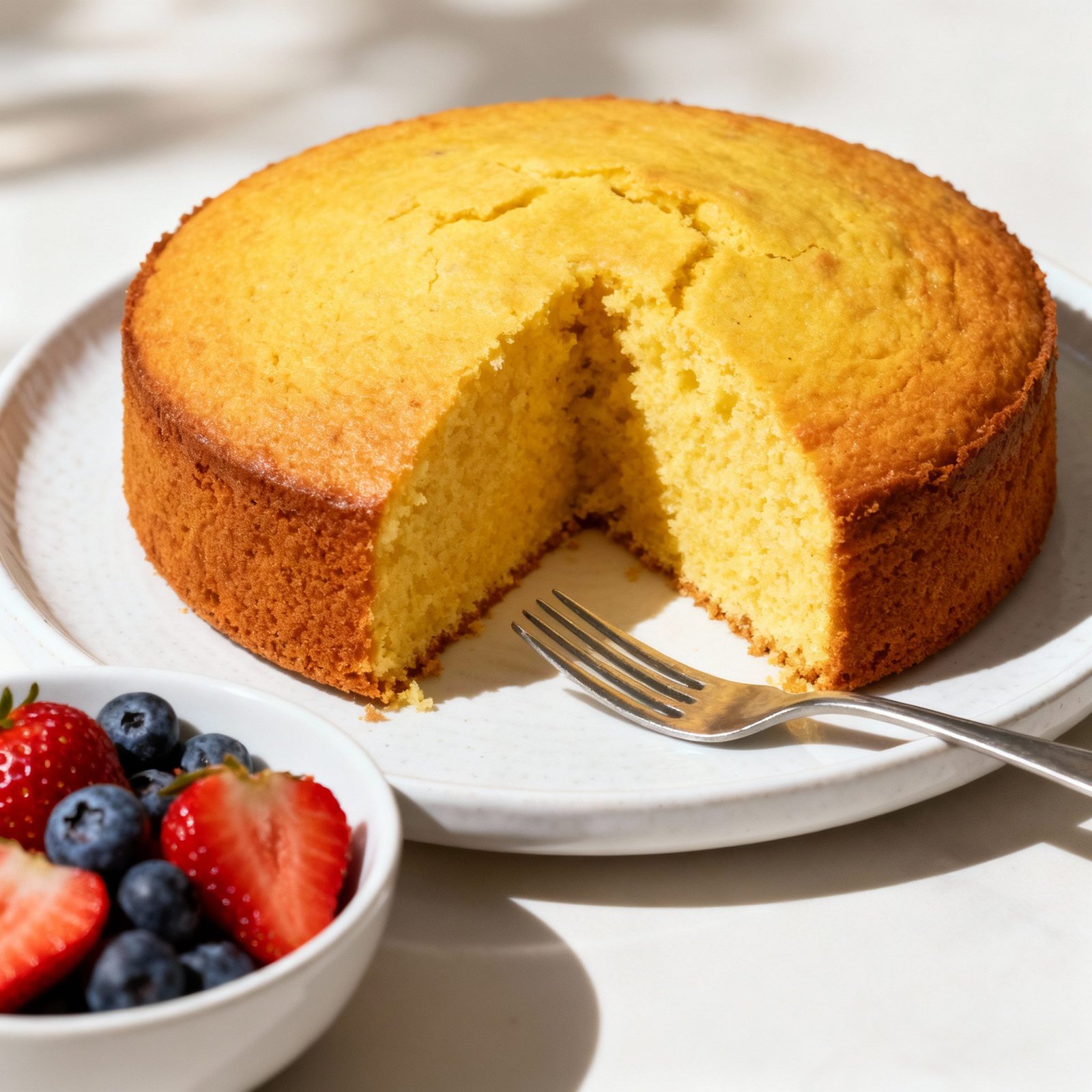
Gluten-Free Yellow Cake Recipe: The Secret to Moist & Tender Perfection
Craving a classic, comforting yellow cake but need it to be gluten-free? Look no further! This gluten-free yellow cake recipe delivers everything you love about traditional yellow cake – that buttery, vanilla-infused flavor, a tender crumb, and a beautiful golden hue – without any gluten. Forget dry, crumbly gluten-free baking; this recipe guarantees a moist and delicious cake that everyone will enjoy, whether they’re gluten-free or not.
Why This Recipe Works
Creating a truly great gluten-free cake involves more than just swapping out wheat flour. This recipe is carefully crafted with a specific blend of ingredients and techniques to mimic the structure and texture of a classic yellow cake:
- Gluten-Free Flour Blend: We use a blend of rice flour, tapioca starch, and potato starch. This combination provides structure, chewiness, and a light crumb, respectively. Using a pre-made gluten-free all-purpose blend can also work, but be sure it contains xanthan gum.
- Xanthan Gum: This is the key to replacing the binding power of gluten. Xanthan gum helps to hold the cake together and prevents it from becoming crumbly.
- Butter and Oil: Using a combination of butter and oil provides the best of both worlds. Butter contributes rich flavor, while oil adds moisture and keeps the cake tender.
- Buttermilk: Buttermilk adds a subtle tang and helps to tenderize the cake, resulting in a moist and flavorful crumb.
- Creaming Method: Properly creaming the butter and sugar together is crucial for incorporating air into the batter, which contributes to a light and airy texture.
Ingredients
- 1 ½ cups (3 sticks) unsalted butter, softened
- 1 ¾ cups granulated sugar
- 3 large eggs
- 2 teaspoons vanilla extract
- 2 ¼ cups gluten-free all-purpose flour blend (with xanthan gum) or see below for homemade blend
- 1 teaspoon xanthan gum (if using a flour blend without it)
- 1 tablespoon baking powder
- ½ teaspoon baking soda
- ½ teaspoon salt
- 1 cup buttermilk
Homemade Gluten-Free Flour Blend (if not using a pre-made blend):
- 1 cup white rice flour
- ½ cup tapioca starch (also called tapioca flour)
- ½ cup potato starch (NOT potato flour)
Instructions
- Preheat and Prepare: Preheat your oven to 350°F (175°C). Grease and flour a 9×13 inch baking pan. You can also line the bottom with parchment paper for easy removal.
- Cream Butter and Sugar: In a large bowl, cream together the softened butter and granulated sugar until light and fluffy. This should take about 3-5 minutes. Use an electric mixer (stand mixer or hand mixer) for best results.
- Add Eggs and Vanilla: Beat in the eggs one at a time, then stir in the vanilla extract. Make sure each egg is fully incorporated before adding the next.
- Combine Dry Ingredients: In a separate bowl, whisk together the gluten-free flour blend (or homemade blend with xanthan gum), xanthan gum (if needed), baking powder, baking soda, and salt.
- Alternate Wet and Dry Ingredients: Gradually add the dry ingredients to the wet ingredients, alternating with the buttermilk. Begin and end with the dry ingredients. Mix until just combined. Do not overmix! Overmixing can lead to a tough cake, especially with gluten-free flours.
- Pour into Pan: Pour the batter into the prepared baking pan and spread evenly.
- Bake: Bake for 30-35 minutes, or until a wooden skewer inserted into the center comes out clean or with a few moist crumbs attached.
- Cool: Let the cake cool in the pan for 10-15 minutes before inverting it onto a wire rack to cool completely.
- Frost (Optional): Once the cake is completely cool, frost with your favorite frosting. Classic chocolate buttercream, vanilla buttercream, or cream cheese frosting are all excellent choices.
Tips for Success
- Use Room Temperature Ingredients: Using room temperature butter, eggs, and buttermilk helps the ingredients emulsify properly, resulting in a smoother batter and a more even texture.
- Measure Accurately: Accurate measurements are crucial for gluten-free baking. Use a kitchen scale for the most precise results, especially when measuring flour. If using measuring cups, spoon the flour into the cup and level it off with a knife. Avoid scooping directly from the bag, as this can compact the flour and result in too much flour in the recipe.
- Don’t Overmix: Overmixing gluten-free batter can develop a gummy texture. Mix until just combined, and don’t worry if there are a few small lumps.
- Check for Doneness: Use a wooden skewer or toothpick to check for doneness. Insert it into the center of the cake. If it comes out clean or with a few moist crumbs attached, the cake is done.
- Cool Completely: Allow the cake to cool completely before frosting. Frosting a warm cake can cause the frosting to melt and slide off.
- Experiment with Extracts: While vanilla extract is classic, feel free to experiment with other extracts like almond, lemon, or butter extract to customize the flavor of your cake.
Storage Instructions
Room Temperature: Store the cooled, unfrosted cake tightly wrapped in plastic wrap or in an airtight container at room temperature for up to 3 days.
Refrigerator: Store the frosted cake in the refrigerator for up to 5 days. Bring to room temperature before serving for the best flavor and texture.
Freezer: The unfrosted cake can be frozen for up to 2 months. Wrap it tightly in plastic wrap and then in foil. Thaw overnight in the refrigerator before frosting.
FAQ
Can I use a different gluten-free flour blend?
Yes, you can use a different gluten-free all-purpose flour blend, but be sure it contains xanthan gum. If it doesn’t, you’ll need to add it separately.
Can I use regular milk instead of buttermilk?
While buttermilk is recommended for its tenderizing properties and tangy flavor, you can substitute it with regular milk mixed with 1 tablespoon of lemon juice or white vinegar. Let it sit for 5 minutes to curdle before using.
Can I make this cake dairy-free?
Yes, you can substitute the butter with a dairy-free butter alternative and the buttermilk with a dairy-free milk alternative mixed with lemon juice or vinegar (as mentioned above). Be sure to use a dairy-free frosting as well.
My cake is dry. What did I do wrong?
Dry cake can be caused by several factors, including overbaking, using too much flour, or not using enough fat. Make sure you are measuring your ingredients accurately and checking for doneness frequently. Also, ensure your oven temperature is accurate.
My cake sank in the middle. Why?
A cake that sinks in the middle can be caused by underbaking, using too much leavening (baking powder or baking soda), or opening the oven door too frequently during baking. Make sure you are baking the cake for the recommended time and temperature, and avoid opening the oven door unnecessarily.
Conclusion
This gluten-free yellow cake recipe is your new go-to for a delicious and satisfying treat. With its moist, tender crumb and classic flavor, it’s perfect for birthdays, holidays, or any occasion that calls for a celebration. So, gather your ingredients, preheat your oven, and get ready to bake a gluten-free yellow cake that will impress everyone! Enjoy!