Greek Yogurt Cake Recipe: The Moistest Cake You’ll Ever Bake!
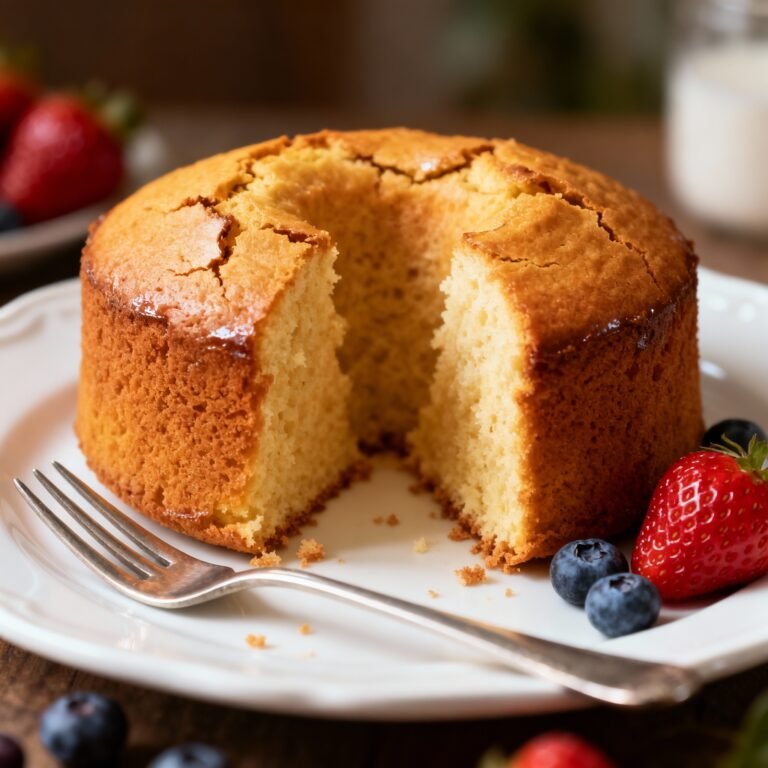
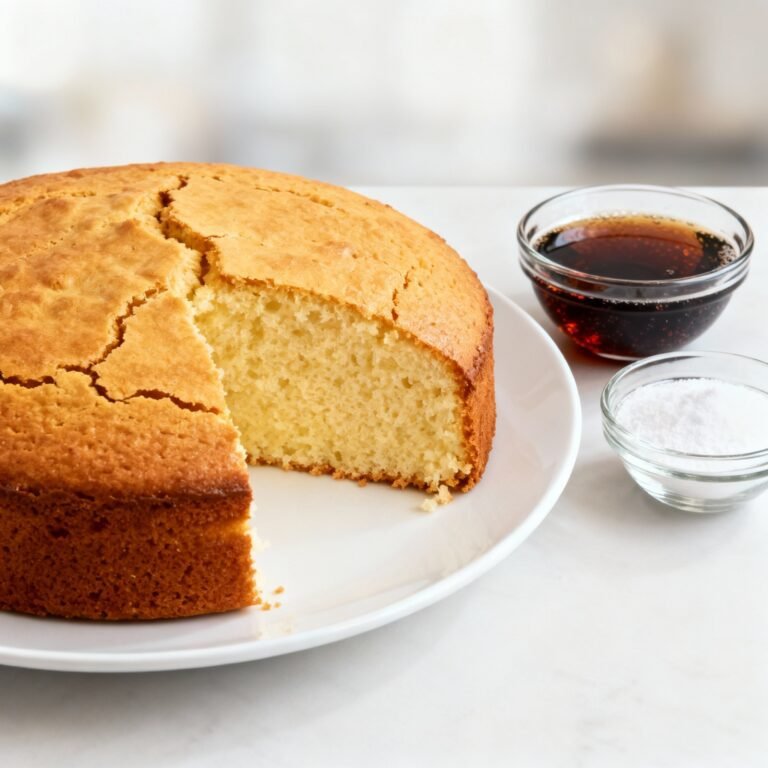
Tired of dry, flavorless cakes? Craving a dessert that’s both delicious and relatively guilt-free? Look no further! This Greek Yogurt Cake recipe is the answer to your baking prayers. It’s incredibly moist, boasts a subtle tang that elevates the sweetness, and comes together with minimal effort. This isn’t your average cake; it’s a revelation! Prepare to impress your friends, family, and even yourself with this surprisingly simple and undeniably delectable treat. This cake is perfect for everything from a casual weeknight dessert to a sophisticated brunch offering. Get ready to experience cake perfection!
Why This Recipe Works
The secret to this cake’s success lies in the Greek yogurt. Here’s why it’s a game-changer:
- Moisture: Greek yogurt is packed with moisture, which keeps the cake incredibly tender and prevents it from drying out, even after a few days.
- Tang: The slight tanginess of Greek yogurt balances the sweetness of the sugar, creating a more complex and interesting flavor profile.
- Structure: The acidity in Greek yogurt helps to tenderize the gluten in the flour, resulting in a softer crumb.
- Healthier Option: Using Greek yogurt allows you to reduce the amount of butter or oil traditionally used in cakes, making it a slightly healthier option without sacrificing flavor or texture.
Beyond the yogurt, the balance of dry and wet ingredients is crucial. We’ve carefully measured each component to ensure a perfectly moist and flavorful cake every time. The addition of lemon zest (optional, but highly recommended!) brightens the flavors and adds a delightful aroma.
Ingredients
- 2 cups (250g) all-purpose flour
- 2 teaspoons baking powder
- 1/2 teaspoon baking soda
- 1/4 teaspoon salt
- 1 cup (200g) granulated sugar
- 1/2 cup (113g) unsalted butter, softened
- 2 large eggs
- 1 teaspoon vanilla extract
- 1 cup (227g) plain Greek yogurt (full-fat or low-fat)
- 1/4 cup milk
- Zest of 1 lemon (optional)
- Powdered sugar, for dusting (optional)

Instructions
- Preheat and Prepare: Preheat your oven to 350°F (175°C). Grease and flour a 9-inch round cake pan (or a 9×5 inch loaf pan). This prevents the cake from sticking and ensures easy removal.
- Combine Dry Ingredients: In a medium bowl, whisk together the flour, baking powder, baking soda, and salt. Whisking ensures that the baking powder and soda are evenly distributed, which is essential for a light and airy cake.
- Cream Butter and Sugar: In a large bowl, cream together the softened butter and granulated sugar until light and fluffy. This usually takes about 3-5 minutes with an electric mixer. The mixture should be pale and airy.
- Add Eggs and Vanilla: Beat in the eggs one at a time, then stir in the vanilla extract. Make sure each egg is fully incorporated before adding the next.
- Combine Wet Ingredients: In a separate small bowl, whisk together the Greek yogurt and milk.
- Alternate Wet and Dry Ingredients: Gradually add the dry ingredients to the wet ingredients, alternating with the yogurt mixture, beginning and ending with the dry ingredients. Mix until just combined. Be careful not to overmix, as this can result in a tough cake. The order is crucial: Dry, Wet, Dry.
- Add Lemon Zest (Optional): If using, gently fold in the lemon zest.
- Pour into Pan: Pour the batter into the prepared cake pan and spread evenly.
- Bake: Bake for 30-35 minutes, or until a wooden skewer inserted into the center comes out clean. Start checking for doneness around 30 minutes; baking times can vary depending on your oven.
- Cool: Let the cake cool in the pan for 10-15 minutes before inverting it onto a wire rack to cool completely.
- Dust with Powdered Sugar (Optional): Once the cake is completely cool, dust with powdered sugar, if desired.
- Serve and Enjoy: Slice and serve. This cake is delicious on its own or with a dollop of whipped cream or fresh berries.
Tips for Success
- Room Temperature Ingredients: Using room temperature ingredients, especially the butter and eggs, helps them to emulsify properly, resulting in a smoother batter and a more even texture.
- Don’t Overmix: Overmixing develops the gluten in the flour, which can lead to a tough cake. Mix until just combined.
- Measure Accurately: Baking is a science, so accurate measurements are essential. Use measuring cups and spoons designed for baking, and level off dry ingredients.
- Check for Doneness: Use a wooden skewer or toothpick to check for doneness. If it comes out clean, the cake is ready. If it comes out with wet batter on it, bake for a few more minutes and check again.
- Cool Completely: Allow the cake to cool completely before frosting or serving. This prevents the frosting from melting and allows the cake to firm up.
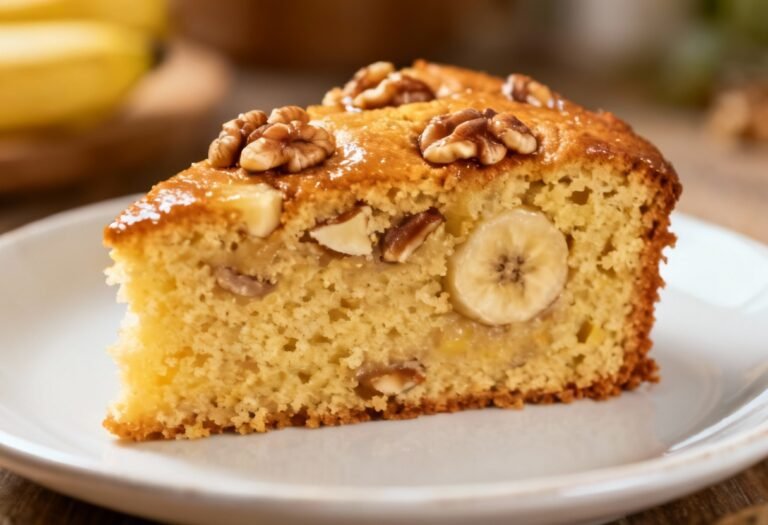
- Experiment with Flavors: Feel free to experiment with different flavors! Try adding different extracts (almond, orange), spices (cinnamon, nutmeg), or fruits (blueberries, raspberries).
Storage Instructions
This Greek Yogurt Cake is best stored in an airtight container at room temperature for up to 3 days, or in the refrigerator for up to 5 days. If storing in the refrigerator, allow the cake to come to room temperature before serving for the best flavor and texture. You can also freeze the cake for up to 2 months. Wrap it tightly in plastic wrap and then in foil before freezing. Thaw overnight in the refrigerator before serving.

FAQ
- Can I use flavored Greek yogurt? While you can use flavored Greek yogurt, it will alter the taste of the cake. Plain Greek yogurt is recommended for the best results.
- Can I use a different type of flour? All-purpose flour is recommended for this recipe. Using other types of flour may affect the texture of the cake. If you use cake flour, the cake will be even more tender.
- Can I make this cake gluten-free? You can try substituting a gluten-free all-purpose flour blend for the all-purpose flour. However, the texture may be slightly different.
- Can I add frosting? Absolutely! This cake pairs well with a variety of frostings, such as cream cheese frosting, vanilla buttercream, or a simple glaze.
- My cake is sinking in the middle. What went wrong? This could be due to several factors, such as overmixing the batter, opening the oven door too frequently during baking, or using too much baking powder or soda.
Conclusion
This Greek Yogurt Cake recipe is a guaranteed crowd-pleaser. Its moist, tender crumb and subtle tang make it a delightful treat for any occasion. Whether you’re a seasoned baker or just starting out, this recipe is easy to follow and delivers consistent results. So, preheat your oven, gather your ingredients, and get ready to bake the moistest cake you’ve ever tasted! Enjoy!