Homemade Chicken Gravy Recipe: Silky Smooth Perfection!
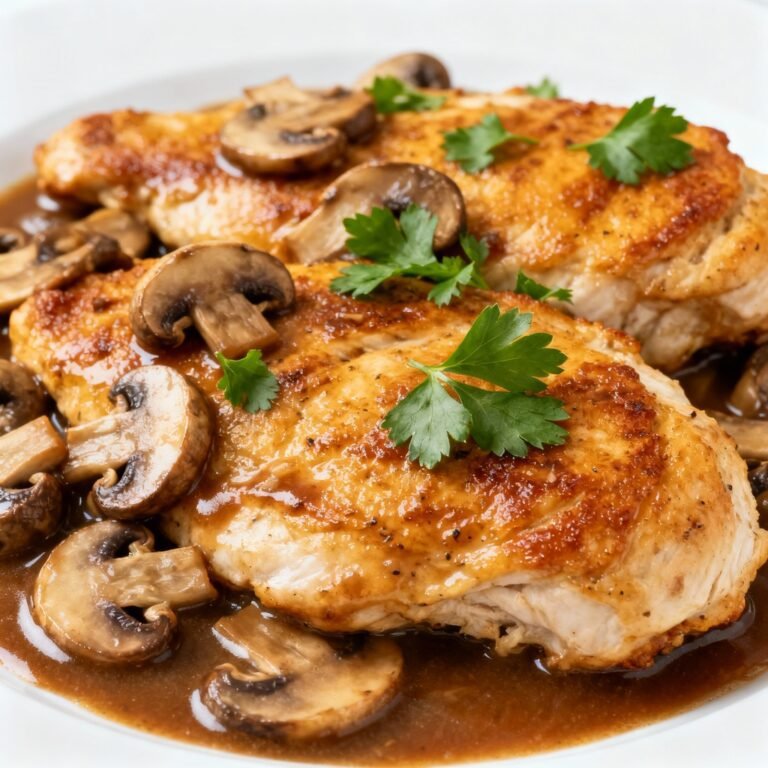
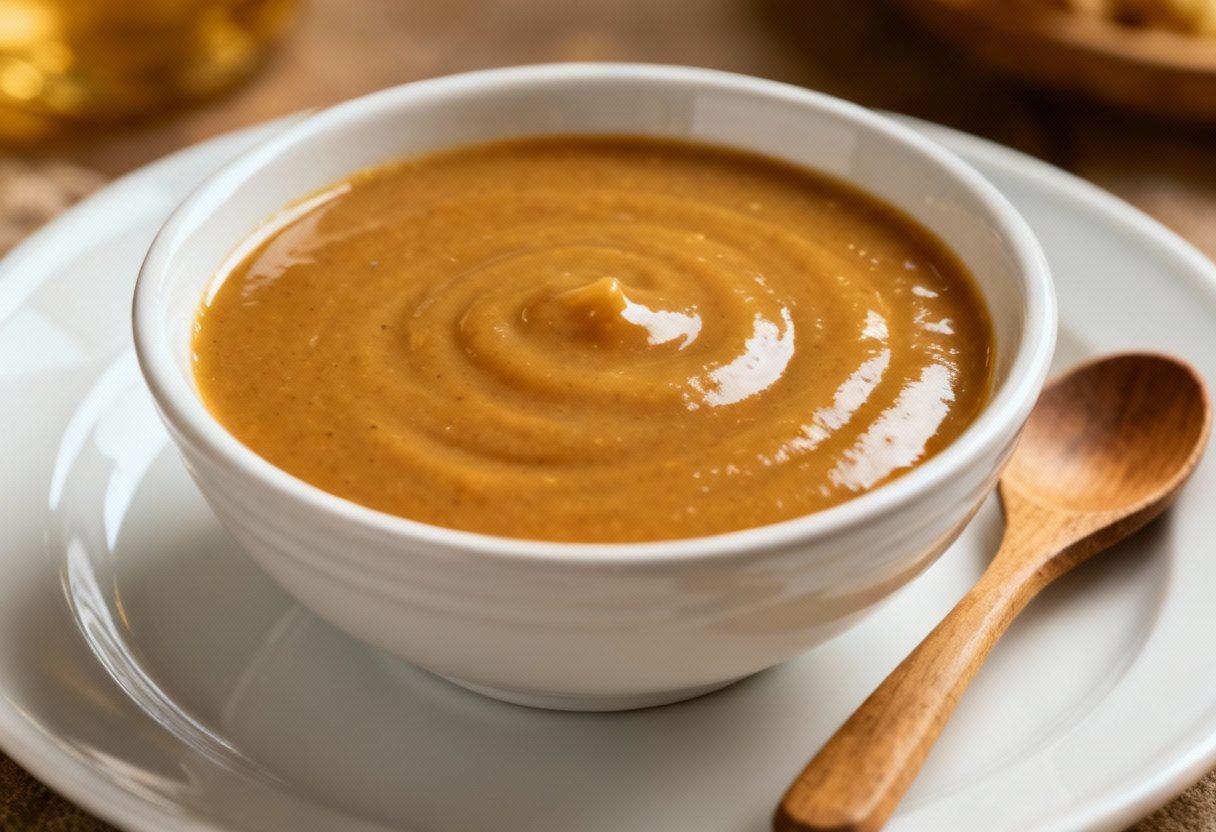
Is there anything quite as comforting as a steaming plate of mashed potatoes smothered in rich, flavorful chicken gravy? For many, it’s the ultimate comfort food, a nostalgic taste of home. But let’s be honest, the jarred stuff just doesn’t cut it. It often lacks that authentic chicken flavor and can be overly salty or have a strange, artificial aftertaste. That’s where this homemade chicken gravy recipe comes in. This isn’t just any gravy recipe; it’s a foolproof method for creating a silky-smooth, deeply flavorful gravy that will elevate any meal. Whether you’re roasting a whole chicken, pan-frying chicken breasts, or simply need a delicious sauce for your mashed potatoes, this recipe will become your go-to.
Why This Recipe Works
This recipe succeeds because it focuses on building flavor at every step. We start with the pan drippings from cooked chicken, which are the foundation of any good chicken gravy. These drippings are packed with concentrated chicken flavor and rendered fat, which adds richness and depth to the gravy. If you don’t have pan drippings, don’t worry! We’ll show you how to create a flavorful base using chicken broth and butter. The key is to use good quality chicken broth, preferably homemade or low-sodium, to control the saltiness of the final product.
The recipe also employs a classic roux – a mixture of fat and flour – to thicken the gravy. The roux is cooked until it’s lightly browned, which adds a nutty flavor to the gravy and prevents it from tasting floury. We use a whisk to ensure the roux is smooth and free of lumps, which is essential for achieving a silky-smooth texture. Finally, we slowly whisk in the chicken broth, allowing the gravy to thicken gradually. This prevents the gravy from becoming lumpy or too thick. By following these simple steps, you’ll create a chicken gravy that is far superior to anything you can buy in a jar.
Ingredients
- Pan drippings from cooked chicken: Approximately 2-4 tablespoons. If you don’t have pan drippings, substitute with 2 tablespoons of butter.
- All-purpose flour: 2 tablespoons
- Chicken broth: 2 cups, preferably low-sodium or homemade.
- Salt: To taste
- Black pepper: To taste
- Optional: 1/4 teaspoon garlic powder, 1/4 teaspoon onion powder, a pinch of dried thyme, a splash of heavy cream or milk.
Instructions
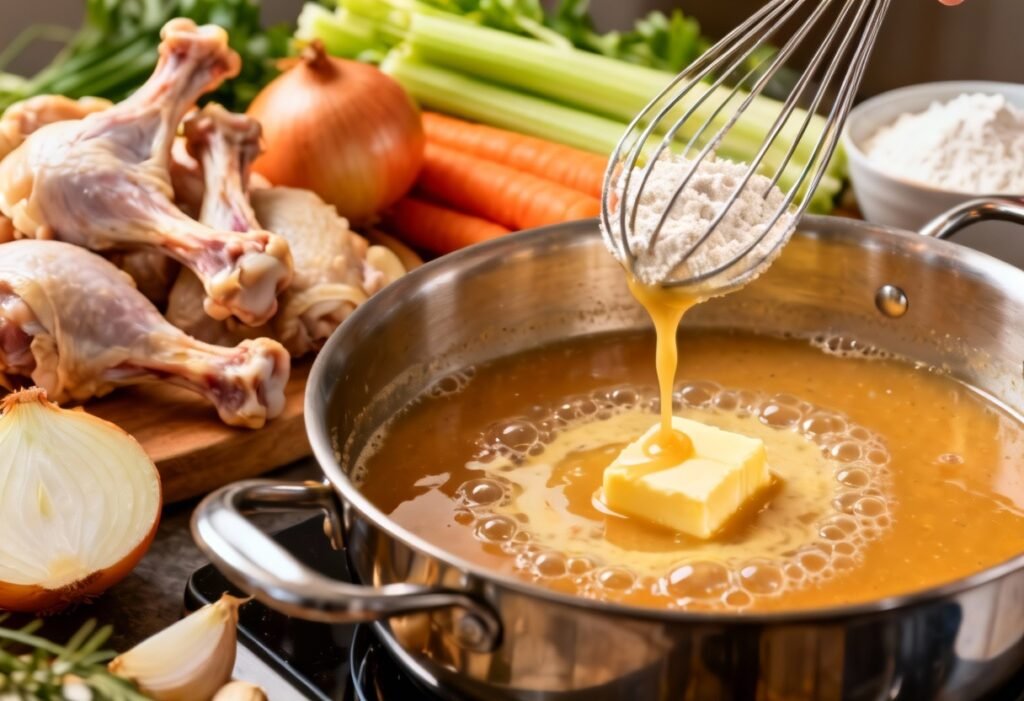
- Prepare the base: If using pan drippings, skim off any excess fat, leaving about 2-4 tablespoons in the pan. If using butter, melt it in a saucepan over medium heat.
- Make the roux: Add the flour to the pan with the pan drippings or melted butter. Whisk constantly until the flour is fully incorporated and the mixture forms a smooth paste. This is your roux.
- Cook the roux: Continue whisking the roux over medium heat for 1-2 minutes, or until it turns a light golden brown color. Be careful not to burn it. This step is crucial for developing flavor and preventing a floury taste.
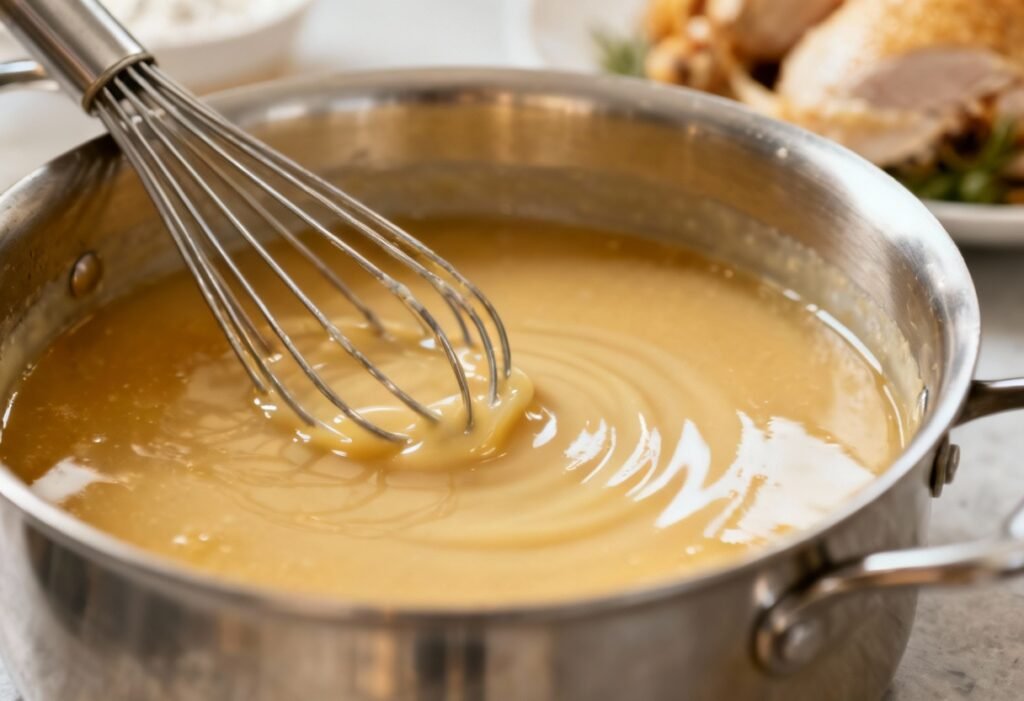
- Add the broth: Gradually whisk in the chicken broth, about 1/4 cup at a time, ensuring each addition is fully incorporated before adding more. Whisk constantly to prevent lumps from forming.
- Simmer and thicken: Once all the broth has been added, bring the gravy to a simmer over medium-low heat. Continue to simmer, whisking occasionally, for 5-10 minutes, or until the gravy has thickened to your desired consistency.
- Season and adjust: Season the gravy with salt and pepper to taste. If desired, add garlic powder, onion powder, and/or dried thyme for extra flavor. If you want a richer, creamier gravy, stir in a splash of heavy cream or milk at the end.
- Serve: Serve the gravy hot over mashed potatoes, roasted chicken, stuffing, or any other dish that would benefit from a delicious chicken gravy.
Tips for Success
- Use good quality chicken broth: The flavor of the chicken broth will directly impact the flavor of the gravy. Opt for low-sodium or homemade broth for the best results.
- Don’t burn the roux: Burning the roux will give the gravy a bitter taste. Keep the heat at medium and whisk constantly to prevent burning.
- Whisk constantly: Whisking is essential for preventing lumps from forming in the gravy. Use a whisk with thin, flexible wires for the best results.
- Adjust the thickness: If the gravy is too thick, add a little more chicken broth. If it’s too thin, simmer it for a few more minutes to allow it to thicken further. You can also whisk in a cornstarch slurry (1 tablespoon cornstarch mixed with 2 tablespoons cold water) for faster thickening, but add it gradually and sparingly.
- Strain for extra smoothness: For an incredibly smooth gravy, strain it through a fine-mesh sieve before serving. This will remove any remaining lumps or bits of flour.
- Add herbs for extra flavor: Fresh or dried herbs can add a lot of flavor to chicken gravy. Try adding a sprig of fresh rosemary or thyme while the gravy simmers, or stir in a pinch of dried herbs at the end.
Storage Instructions
Leftover chicken gravy can be stored in an airtight container in the refrigerator for up to 3-4 days. To reheat, gently warm the gravy in a saucepan over low heat, whisking occasionally. You may need to add a little chicken broth or water to thin it out if it has thickened in the refrigerator.
Chicken gravy can also be frozen for up to 2-3 months. Allow the gravy to cool completely before transferring it to a freezer-safe container. To thaw, place the container in the refrigerator overnight. Reheat as described above.
FAQ
- Can I make this gravy without pan drippings? Yes! If you don’t have pan drippings, simply substitute with butter. The gravy will still be delicious, although it may not have quite as much chicken flavor. You can also add a chicken bouillon cube or a teaspoon of chicken bouillon powder to the broth for a richer flavor.
- Can I use a different type of flour? While all-purpose flour is the most common choice for making gravy, you can also use other types of flour, such as whole wheat flour or gluten-free flour. Keep in mind that different flours may require different cooking times and may affect the texture of the gravy.
- My gravy is lumpy! What can I do? If your gravy is lumpy, try whisking it vigorously with a whisk or immersion blender. You can also strain the gravy through a fine-mesh sieve to remove the lumps.
- Can I make this gravy ahead of time? Yes! Chicken gravy can be made ahead of time and stored in the refrigerator or freezer. Reheat as described above.
- What can I serve this gravy with? Chicken gravy is delicious served over mashed potatoes, roasted chicken, stuffing, biscuits, noodles, or any other dish that would benefit from a flavorful sauce.
Conclusion
So there you have it – a simple, foolproof recipe for homemade chicken gravy that will transform your meals. Forget the jarred stuff and embrace the rich, comforting flavor of homemade. With just a few simple ingredients and a little bit of patience, you can create a gravy that is far superior to anything you can buy in a store. This recipe is easy to customize to your own taste, so feel free to experiment with different herbs and spices to create your perfect chicken gravy. Enjoy!