Homemade Root Beer Recipe: A Nostalgic Brew You Can’t Resist
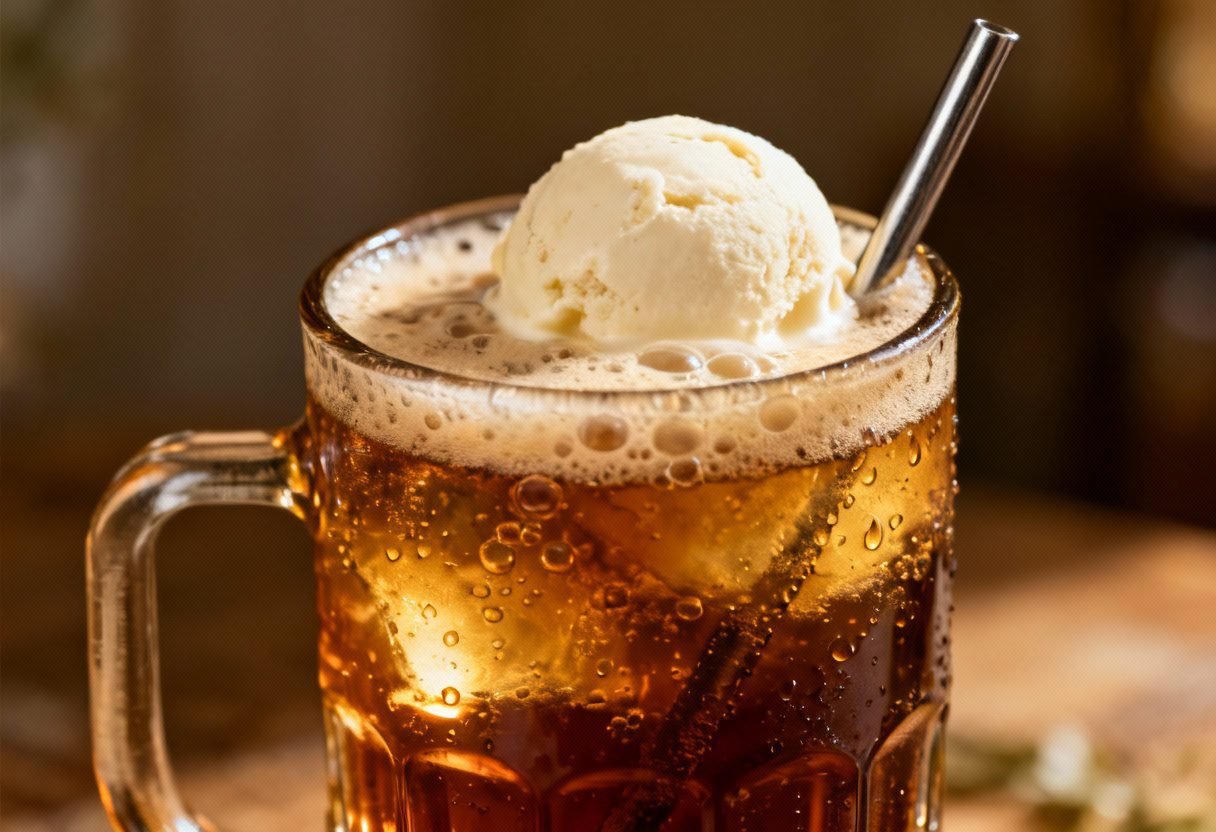
Remember the fizz, the creamy head, the complex, earthy sweetness of a really good root beer? Forget the mass-produced stuff filled with artificial flavors and high fructose corn syrup. We’re talking about real, homemade root beer, brewed with love and bursting with authentic flavor. This recipe unlocks the secrets to crafting a truly exceptional root beer right in your own kitchen, a taste of nostalgia that will impress your friends and family. Prepare to be amazed at how easy and rewarding it is to create this classic beverage from scratch.
Why This Recipe Works
This recipe focuses on a balanced blend of traditional root beer spices and extracts, allowing you to customize the flavor profile to your liking. The use of dry ice for carbonation provides a rapid and efficient method, resulting in a consistently bubbly and refreshing drink. Crucially, we emphasize sanitation and proper fermentation control to ensure a safe and delicious final product. We’ll walk you through each step, providing clear instructions and helpful tips to guarantee success, even for first-time brewers. This recipe isn’t just about following instructions; it’s about understanding the process and creating a root beer that truly reflects your personal taste.
Ingredients
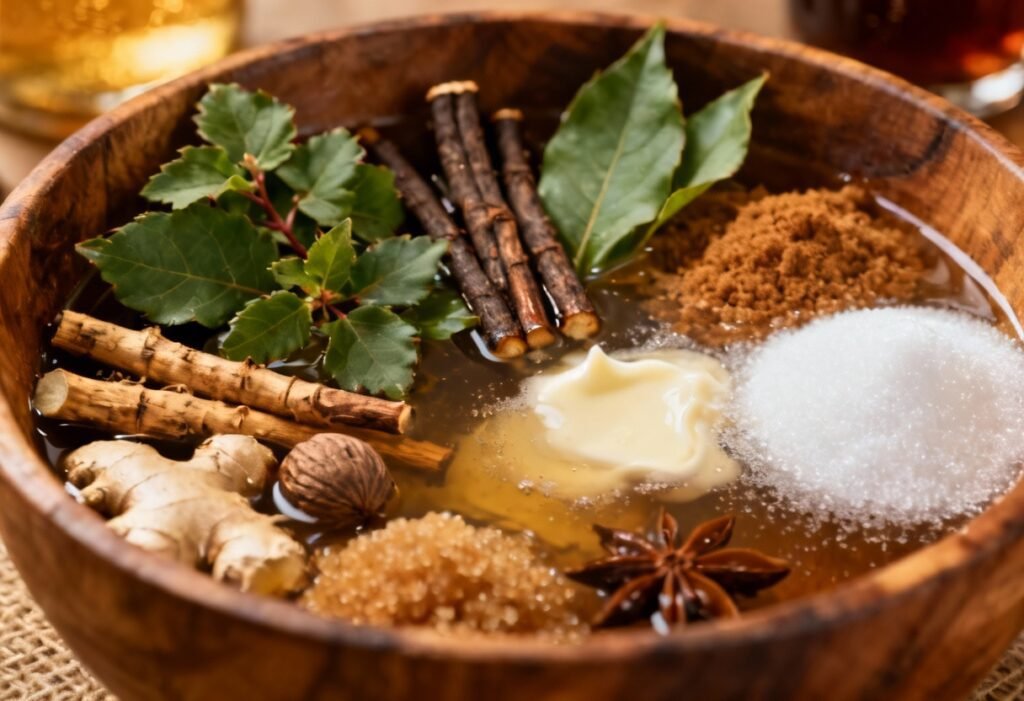
- Water: 1 gallon (3.8 liters), filtered is best
- Granulated Sugar: 1.5 cups (300 grams) – Adjust to taste
- Root Beer Extract: 2 tablespoons (30 ml) – A good quality extract is key!
- Sassafras Root Bark: 1 tablespoon (optional, but adds authentic flavor) – Ensure it’s sourced responsibly and legally.
- Wintergreen Extract: 1 teaspoon (5 ml) – Contributes to the classic root beer aroma.
- Vanilla Extract: 1 teaspoon (5 ml) – Enhances the sweetness and adds depth.
- Licorice Root: 1 small piece (about 1 inch) – Adds a subtle anise-like note.
- Molasses: 1 tablespoon (15 ml) – Adds color and a rich, caramel-like flavor.
- Dry Ice: 2-3 pounds (900 grams – 1.3 kg) – Use caution when handling!
- Brewer’s Yeast (optional, for a more complex flavor and natural carbonation): 1/4 teaspoon
Instructions
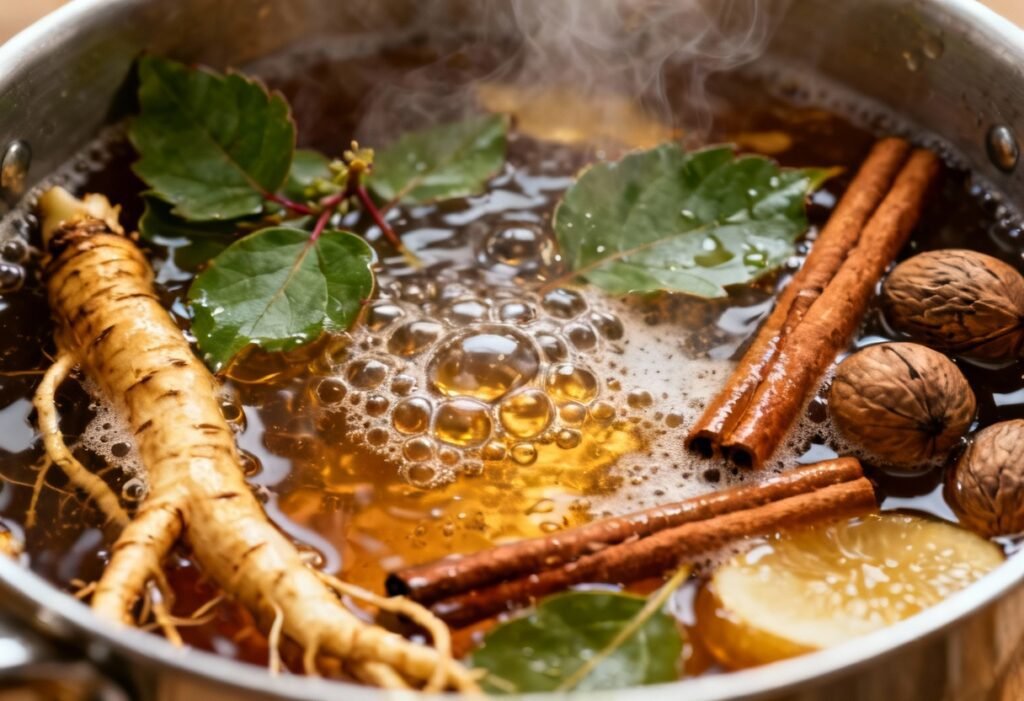
- Prepare the Base: In a large, sanitized pot, combine the water, sugar, sassafras root bark (if using), licorice root, and molasses. Bring to a simmer over medium heat, stirring until the sugar is completely dissolved.
- Infuse the Flavors: Reduce the heat to low and simmer for 15-20 minutes to allow the flavors to meld. This step is crucial for developing a rich and complex root beer flavor.
- Cool the Mixture: Remove the pot from the heat and allow the mixture to cool completely to room temperature. This is important for preventing the yeast (if using) from being killed by the heat. Strain the mixture through a fine-mesh sieve lined with cheesecloth to remove the sassafras root bark and licorice root.
- Add Extracts: Once the mixture is cool, stir in the root beer extract, wintergreen extract, and vanilla extract. Taste and adjust the sweetness or extract levels as needed. This is your chance to customize the flavor to your liking.
- (Optional) Add Yeast: If using brewer’s yeast, dissolve it in a small amount of warm water (about 1/4 cup) and let it sit for 5-10 minutes until it becomes foamy. This indicates that the yeast is active. Gently stir the yeast mixture into the cooled root beer base.
- Prepare for Carbonation: Sanitize all bottles you will be using. This is critical to prevent unwanted bacteria from spoiling your root beer.
- Carbonate with Dry Ice (Preferred Method): Safety First! Wear gloves and eye protection when handling dry ice. Divide the root beer base into your sanitized bottles, leaving about an inch of headspace at the top. Carefully add a small piece of dry ice to each bottle (start with a piece about the size of a marble). Quickly seal the bottles tightly. The dry ice will sublimate (turn into carbon dioxide gas), carbonating the root beer. Let the bottles sit at room temperature for 2-3 hours, or until the dry ice is completely gone. Important: Burp the bottles every 30-60 minutes during this period to release excess pressure and prevent explosions.
- Carbonate with Yeast (Alternative Method): Pour the root beer base into sanitized bottles, leaving about an inch of headspace. Seal the bottles tightly. Let the bottles sit at room temperature for 1-2 weeks to allow the yeast to carbonate the root beer. Check the pressure of the bottles regularly. Once they feel firm, they are likely carbonated.
- Refrigerate: Once carbonated, refrigerate the root beer for at least 24 hours before serving. This will help the carbonation to stabilize and improve the flavor.
- Serve and Enjoy: Pour your homemade root beer into a chilled glass and enjoy the refreshing taste of your creation!
Tips for Success
- Sanitation is Key: Thoroughly sanitize all equipment, including pots, bottles, and utensils, to prevent unwanted bacteria from contaminating your root beer.
- Use Quality Ingredients: The quality of your ingredients will directly impact the flavor of your root beer. Choose a good quality root beer extract and consider using filtered water.
- Control the Temperature: If using yeast for carbonation, maintaining a consistent temperature during fermentation is crucial for optimal results. Aim for a temperature between 68-72°F (20-22°C).
- Don’t Over-Carbonate: Whether using dry ice or yeast, be careful not to over-carbonate the root beer, as this can lead to exploding bottles. Burp the bottles regularly during carbonation to release excess pressure.
- Experiment with Flavors: Feel free to experiment with different extracts and spices to create your own unique root beer blend. Consider adding ingredients like star anise, cinnamon, or cloves for a more complex flavor profile.
- Be Patient: Brewing root beer takes time and patience. Don’t rush the process. Allow the flavors to meld and the carbonation to develop fully for the best results.
Storage Instructions
Store your homemade root beer in the refrigerator for up to 2 weeks. If using yeast for carbonation, the root beer may continue to carbonate slightly over time, so be sure to check the pressure of the bottles regularly and burp them if necessary. Properly carbonated and refrigerated root beer should maintain its fizz and flavor for several days after opening.
FAQ
Q: Can I use honey instead of sugar?
A: Yes, you can substitute honey for sugar, but it will alter the flavor profile of the root beer. Start with a smaller amount of honey than the sugar called for in the recipe and adjust to taste.
Q: Can I use different types of yeast?
A: Yes, you can experiment with different types of yeast, but brewer’s yeast is generally recommended for its clean flavor and reliable carbonation. Champagne yeast can also be used, but it may result in a drier root beer.
Q: My root beer isn’t carbonating. What should I do?
A: If using dry ice, make sure you’re using enough and that the bottles are sealed tightly. If using yeast, make sure the yeast is active and that the temperature is warm enough for fermentation. You may also need to add a small amount of sugar to feed the yeast.
Q: Is it safe to use sassafras root bark?
A: Sassafras root bark contains safrole, which is considered a potential carcinogen. However, commercially available sassafras root bark is often treated to remove the safrole. Ensure that you are sourcing your sassafras root bark from a reputable supplier and that it is labeled as safrole-free or low in safrole. Alternatively, you can omit it from the recipe or use a sassafras extract.
Conclusion
Congratulations! You’ve just unlocked the secrets to making truly exceptional homemade root beer. With a little patience and attention to detail, you can create a refreshing and nostalgic beverage that will impress your friends and family. So, gather your ingredients, follow the instructions, and get ready to enjoy the taste of real, homemade root beer. Cheers to a bubbly and delicious adventure!