
Humba Recipe: Filipino Pork Bliss That Melts in Your Mouth
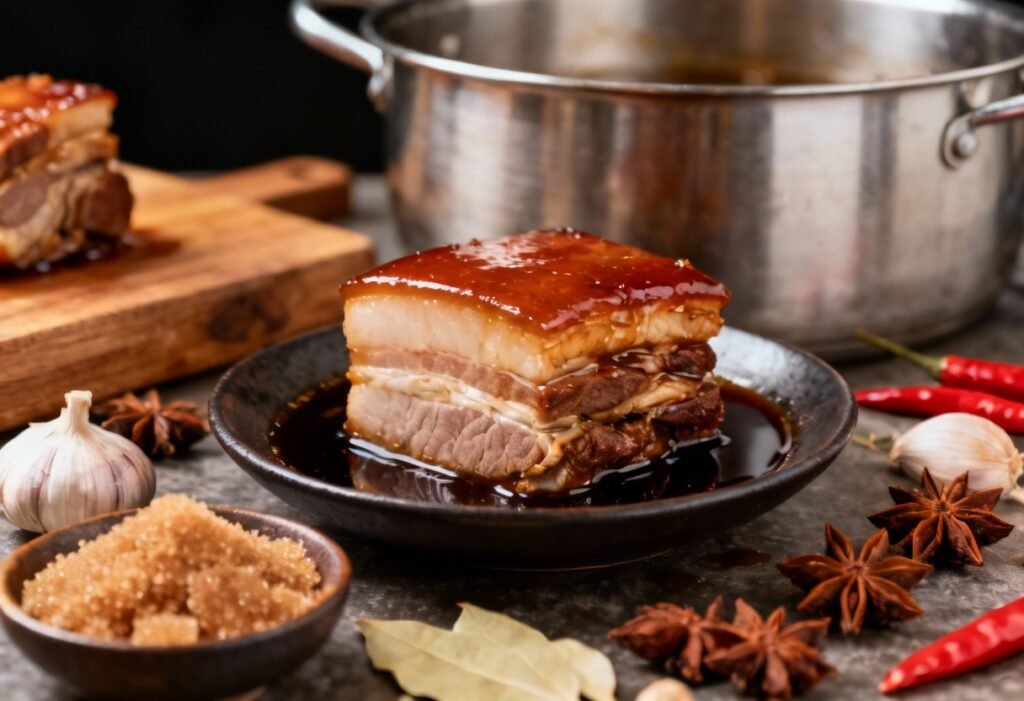
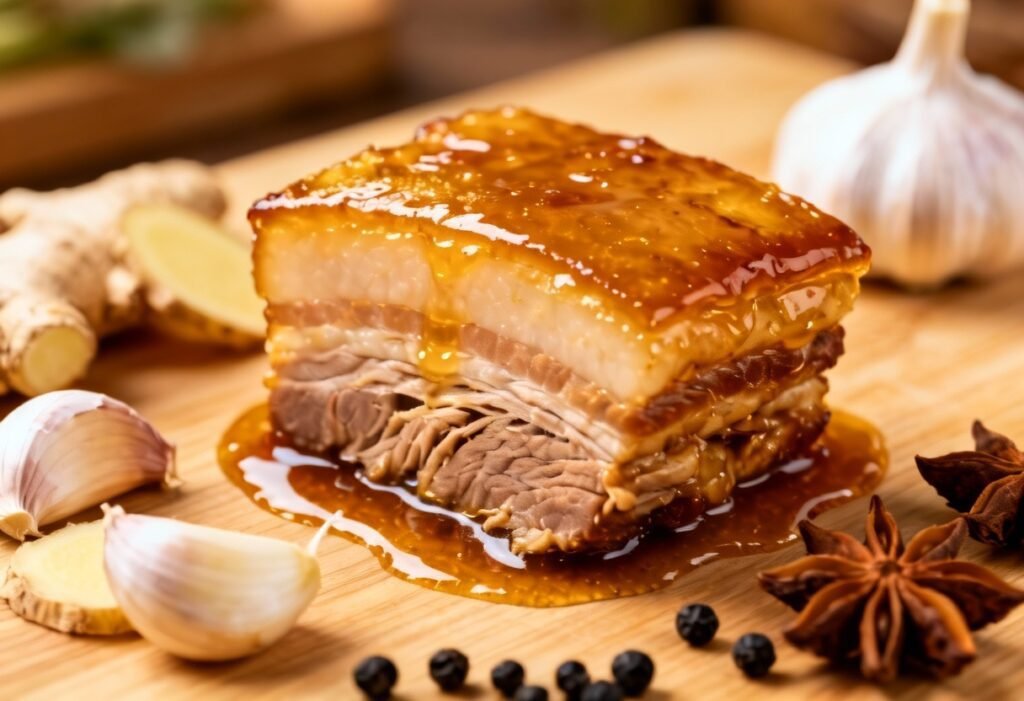
Imagine tender, melt-in-your-mouth pork belly, braised in a sweet and savory sauce with hints of star anise and black beans. That’s Humba, a beloved Filipino comfort food that’s surprisingly easy to make at home. This recipe will guide you through creating a truly authentic and unforgettable Humba experience. Get ready to impress your family and friends with this culinary masterpiece!
Why This Recipe Works
This Humba recipe is designed for both beginners and experienced cooks. Here’s why it stands out:
- Balanced Flavors: The perfect blend of soy sauce, vinegar, brown sugar, and aromatics creates a complex and satisfying flavor profile that’s both sweet and savory.
- Tender Pork: The long braising process ensures that the pork belly becomes incredibly tender and succulent, practically falling apart with each bite.
- Easy to Follow: The instructions are clear, concise, and easy to understand, even for those new to Filipino cuisine.
- Authentic Taste: This recipe uses traditional ingredients and techniques to deliver an authentic Humba experience that tastes just like grandma used to make.
- Customizable: Feel free to adjust the sweetness, saltiness, or spiciness to suit your personal preferences.
Ingredients
- 2 lbs pork belly, cut into 1-inch cubes
- 1/2 cup soy sauce
- 1/4 cup vinegar (white or apple cider)
- 1/2 cup brown sugar, packed
- 1/4 cup dried black beans (tausi), rinsed
- 1 large onion, chopped
- 4 cloves garlic, minced
- 1 inch ginger, peeled and sliced
- 2 star anise
- 1 bay leaf
- 1/2 cup water
- 2 tablespoons cooking oil
- 1/4 cup pineapple juice (optional, for added sweetness and acidity)
- Hard-boiled eggs, peeled (optional, for serving)
- Banana blossoms (optional, for serving)
- Salt and pepper to taste
Instructions
- Prepare the Pork: In a large bowl, combine the pork belly, soy sauce, vinegar, and brown sugar. Marinate for at least 30 minutes, or preferably longer (up to overnight) in the refrigerator. This allows the flavors to penetrate the pork.
- Sauté Aromatics: Heat the cooking oil in a large pot or Dutch oven over medium heat. Add the onion and cook until softened, about 5 minutes. Add the garlic and ginger and cook for another minute until fragrant.
- Sear the Pork: Add the marinated pork to the pot, reserving the marinade. Sear the pork on all sides until lightly browned. This helps to develop flavor and seal in the juices.
- Add the Remaining Ingredients: Pour the reserved marinade into the pot. Add the dried black beans, star anise, bay leaf, and water (and pineapple juice, if using). Bring to a boil.
- Simmer and Braise: Reduce the heat to low, cover the pot, and simmer for at least 1.5 to 2 hours, or until the pork is very tender and easily pierced with a fork. Stir occasionally to prevent sticking. Add more water if needed to keep the pork submerged.
- Adjust Seasoning: Taste the sauce and adjust the seasoning as needed. Add salt and pepper to taste. You can also add more brown sugar for sweetness or vinegar for acidity.
- Add Optional Ingredients: If using, add the hard-boiled eggs and banana blossoms during the last 30 minutes of cooking. This allows them to absorb the flavors of the sauce without becoming overcooked.
- Serve: Serve the Humba hot with steamed rice. Garnish with fresh scallions or cilantro, if desired.
Tips for Success
- Choose the Right Pork: Pork belly with a good balance of meat and fat is ideal for Humba. The fat renders during the braising process, creating a rich and flavorful sauce.
- Don’t Rush the Braising: The key to tender Humba is slow and low braising. Allow the pork to simmer for at least 1.5 to 2 hours, or until it’s incredibly tender.
- Marinate for Maximum Flavor: Marinating the pork overnight will result in a more flavorful and tender dish.
- Adjust the Sweetness and Saltiness: Humba is typically sweet and savory, but you can adjust the amount of brown sugar and soy sauce to suit your personal preferences.
- Use a Dutch Oven: A Dutch oven is ideal for braising because it distributes heat evenly and helps to maintain a consistent temperature. However, a large pot with a tight-fitting lid will also work.
- Skim the Fat: If desired, you can skim off some of the excess fat from the surface of the sauce during the braising process.
- Let it Rest: After braising, let the Humba rest for about 15 minutes before serving. This allows the flavors to meld together and the sauce to thicken slightly.
Storage Instructions
Leftover Humba can be stored in an airtight container in the refrigerator for up to 3-4 days. To reheat, simply warm it up in a pot over medium heat or in the microwave. You may need to add a little water if the sauce has thickened too much. Humba also freezes well. Store in an airtight container for up to 2-3 months. Thaw overnight in the refrigerator before reheating.
FAQ
- Can I use other cuts of pork? While pork belly is the traditional choice, you can also use pork shoulder or pork butt. However, these cuts may require a longer braising time to become tender.
- Can I make this in a slow cooker? Yes, you can make Humba in a slow cooker. Sear the pork and sauté the aromatics as instructed in the recipe, then transfer everything to the slow cooker. Cook on low for 6-8 hours, or until the pork is very tender.
- What are dried black beans (tausi)? Dried black beans, also known as tausi, are fermented black soybeans that are commonly used in Filipino and Chinese cuisine. They have a salty and savory flavor that adds depth to the Humba sauce. You can find them in Asian grocery stores.
- Where can I find banana blossoms? Banana blossoms are the edible flowers of the banana plant. They are often used in Filipino dishes and have a slightly bitter and floral flavor. You can find them in Asian grocery stores, often canned or frozen.
- Can I add vegetables? Yes, you can add vegetables to your Humba, such as carrots, potatoes, or bell peppers. Add them during the last hour of cooking so they don’t become mushy.
Conclusion
Humba is more than just a recipe; it’s a taste of Filipino heritage, a warm embrace on a cold day, and a celebration of simple ingredients transformed into something extraordinary. This recipe provides a solid foundation for creating your own Humba masterpiece. So gather your ingredients, follow the steps, and prepare to be transported to a world of sweet, savory, and utterly delicious flavors. Enjoy!