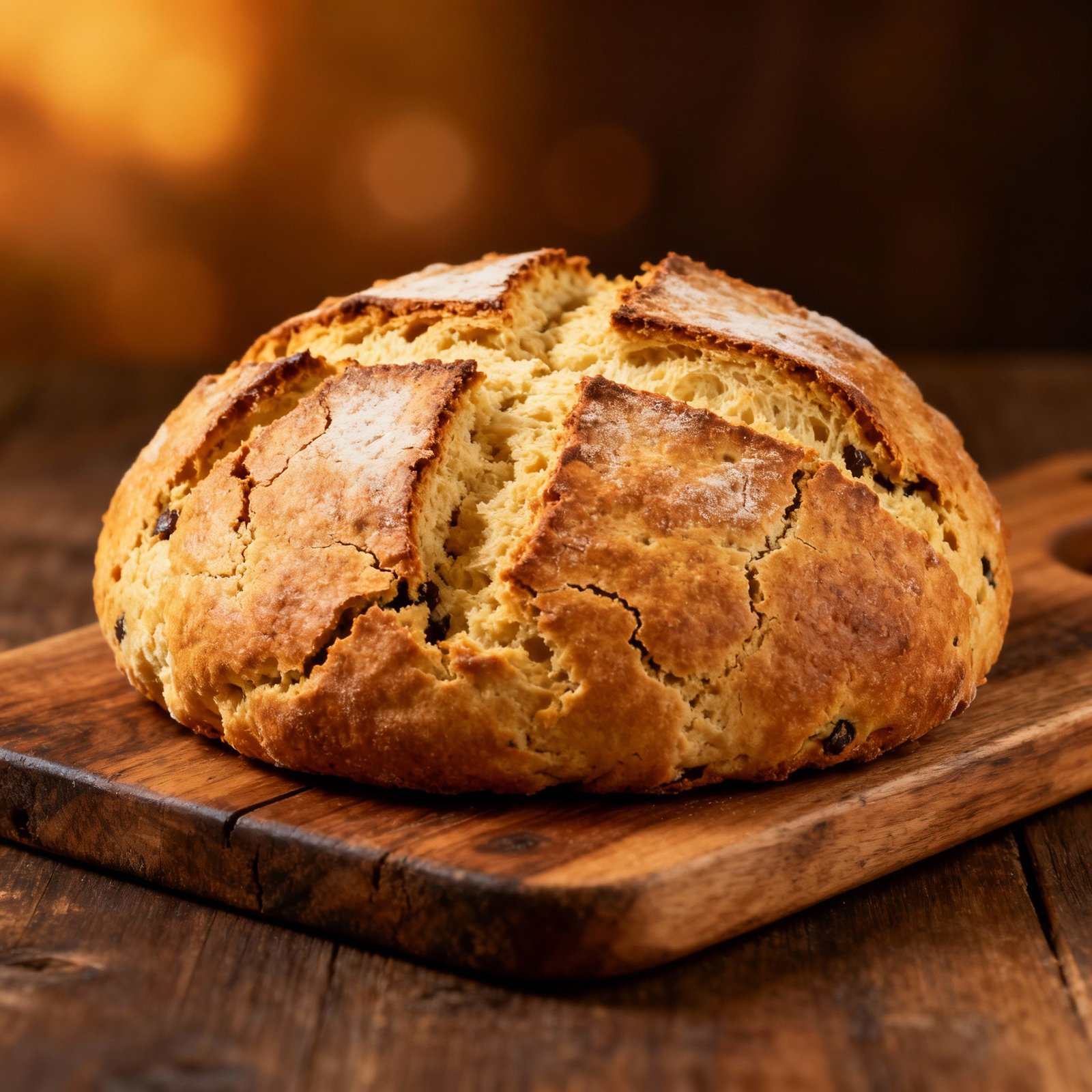
Irish Soda Bread Recipe Traditional: The Easiest Loaf You’ll Ever Bake!
Is there anything that evokes the warmth and comfort of home quite like the smell of freshly baked bread? And when that bread is Irish Soda Bread, steeped in tradition and incredibly simple to make, the experience is even more special. This isn’t just any bread recipe; it’s a journey back to basics, a celebration of simple ingredients, and a guarantee of deliciousness. Forget fancy kneading and complicated proofing – this traditional Irish Soda Bread recipe requires minimal effort and yields a rustic, hearty loaf that’s perfect for any occasion.
Whether you’re celebrating St. Patrick’s Day, looking for a quick and satisfying bread to accompany soup, or simply craving a taste of authentic Irish fare, this recipe is your answer. It’s a forgiving bread, embracing imperfections and rewarding you with a unique flavor and texture every time. So, dust off your baking sheet, gather your ingredients, and let’s get baking!
Why This Recipe Works
This traditional Irish Soda Bread recipe is successful because it relies on a chemical reaction rather than yeast for leavening. Baking soda (sodium bicarbonate) reacts with the acidity in the buttermilk to produce carbon dioxide, which creates the airy texture. Here’s a breakdown of why this recipe works so well:
- Buttermilk’s Acidity: Buttermilk isn’t just for flavor; its acidic nature is crucial for activating the baking soda. The acid reacts with the baking soda, creating the bubbles that give the bread its rise and characteristic crumb.
- Simple Ingredients: The simplicity of the ingredients ensures that the flavor of the bread is pure and unadulterated. The flour, buttermilk, baking soda, and salt work together harmoniously to create a satisfying taste.
- Quick and Easy: No kneading or proofing is required, making this recipe ideal for busy bakers. The entire process, from mixing to baking, takes less than an hour.
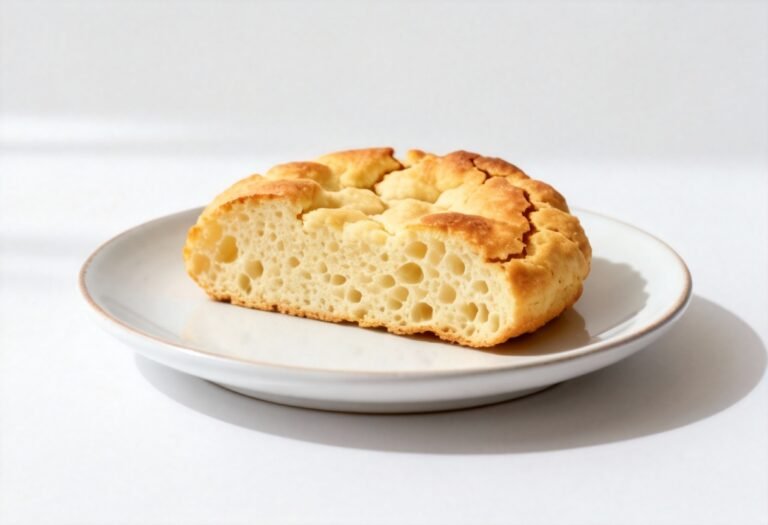
- Rustic Charm: The lack of kneading results in a rustic, slightly dense texture that is characteristic of traditional Irish Soda Bread. This adds to its charm and authenticity.
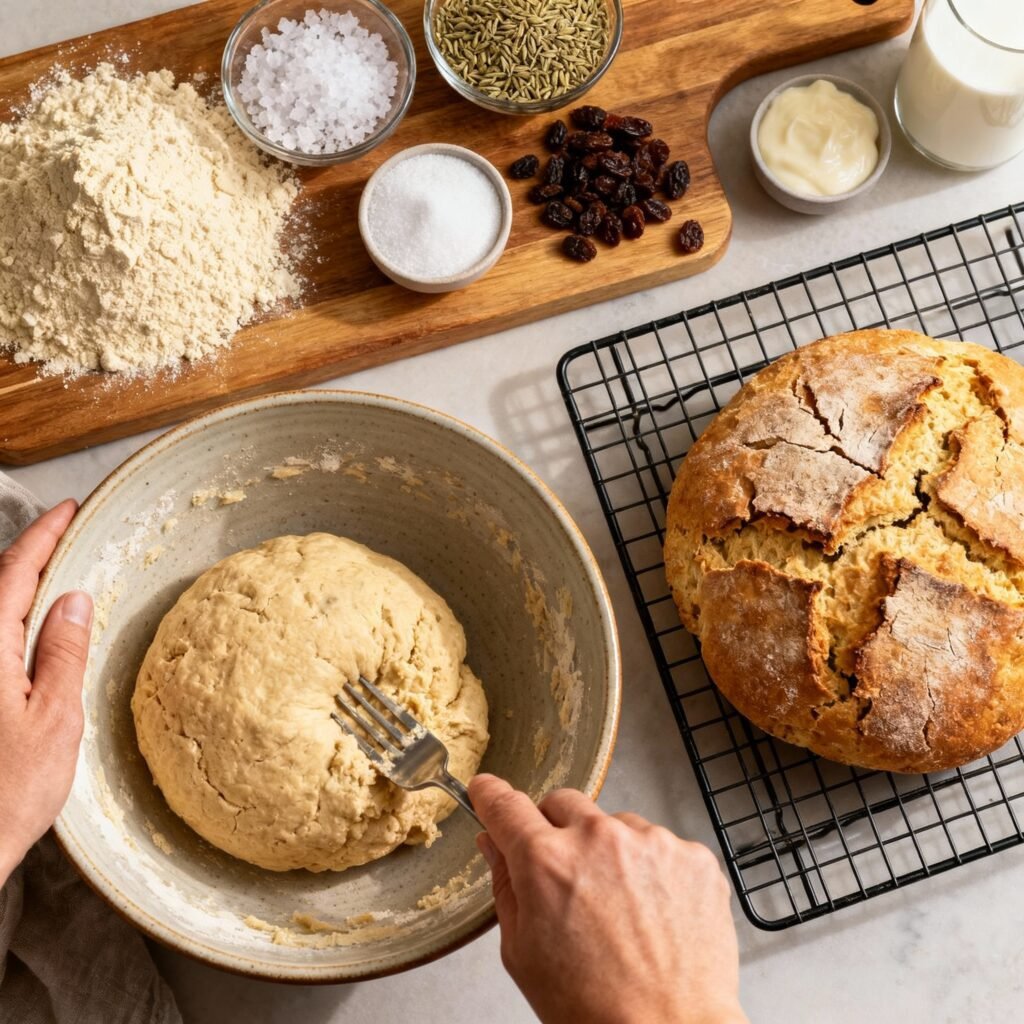
- Versatile: While this recipe is a classic, it can easily be adapted to suit your preferences. You can add raisins, currants, caraway seeds, or even a touch of honey for a sweeter flavor.
Ingredients
- 4 cups all-purpose flour, plus more for dusting
- 1 teaspoon baking soda
- 1 teaspoon salt
- 1 ¾ cups buttermilk
Instructions
- Preheat and Prepare: Preheat your oven to 450°F (232°C). Lightly grease a baking sheet or line it with parchment paper.
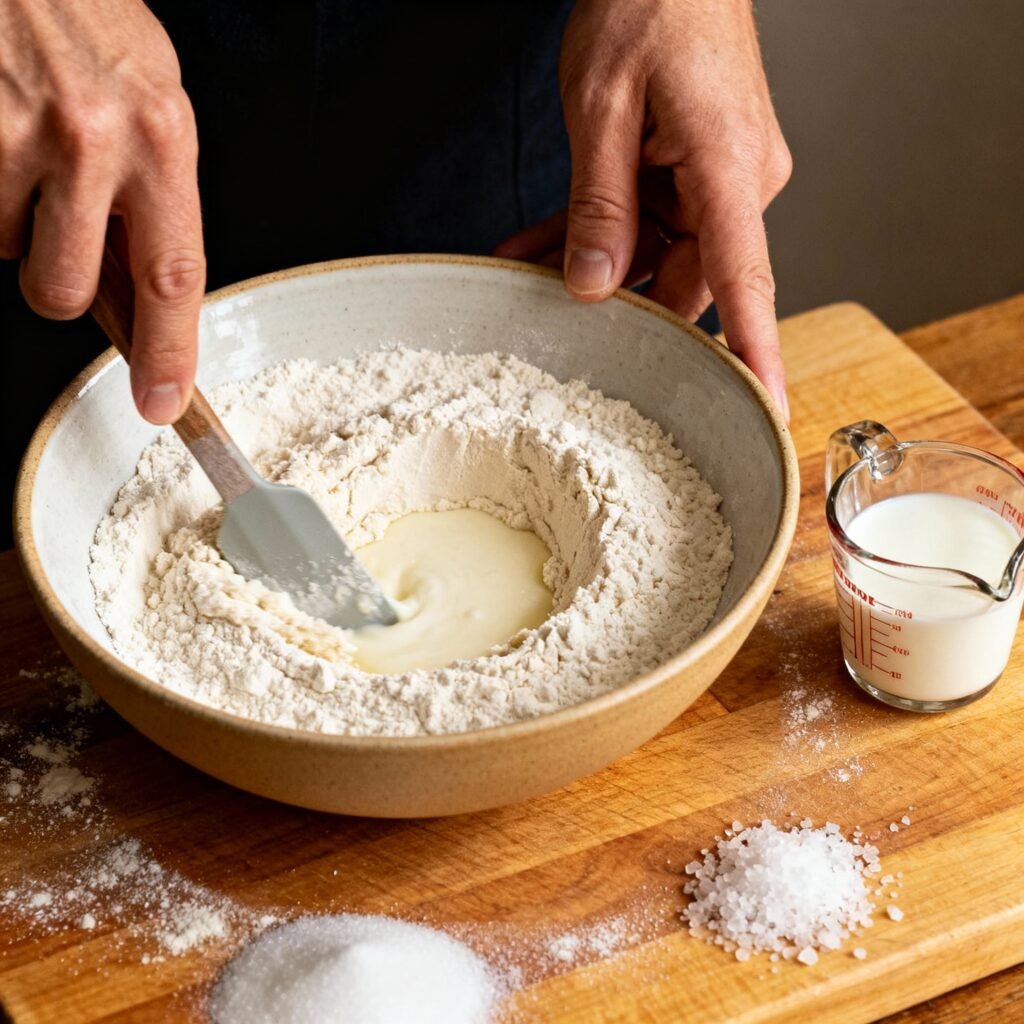
- Combine Dry Ingredients: In a large bowl, whisk together the flour, baking soda, and salt. Make sure the baking soda is evenly distributed to ensure a consistent rise.
- Add Buttermilk: Make a well in the center of the dry ingredients and pour in the buttermilk.
- Mix Gently: Using a wooden spoon or your hands, gently mix the ingredients until just combined. Be careful not to overmix, as this will result in a tough bread. The dough will be sticky.
- Shape the Dough: Turn the dough out onto a lightly floured surface. Gently shape it into a round loaf, about 1 ½ to 2 inches thick.
- Score the Loaf: Place the loaf on the prepared baking sheet. Using a sharp knife, score a deep cross on top of the loaf. This helps the bread to bake evenly and allows steam to escape.
- Bake: Bake for 30-40 minutes, or until the loaf is golden brown and sounds hollow when tapped on the bottom. The internal temperature should reach around 200°F (93°C).
- Cool: Transfer the loaf to a wire rack and let it cool completely before slicing and serving. This allows the bread to finish baking internally and prevents it from becoming gummy.
Tips for Success
- Don’t Overmix: Overmixing develops the gluten in the flour, resulting in a tough bread. Mix just until the ingredients are combined. A few streaks of flour are okay.
- Use Fresh Baking Soda: Old baking soda can lose its potency, resulting in a flat bread. Make sure your baking soda is fresh for the best results.
- Handle the Dough Gently: The dough is sticky, so use a light touch when shaping it. Avoid kneading or pressing down on the dough too much.
- Score Deeply: The deep cross on top of the loaf is essential for even baking and preventing the bread from cracking unevenly.
- Adjust Baking Time: Baking times may vary depending on your oven. Keep an eye on the bread and adjust the baking time as needed.
- Substitute for Buttermilk: If you don’t have buttermilk, you can make a quick substitute by adding 1 tablespoon of lemon juice or white vinegar to 1 ¾ cups of milk. Let it sit for 5 minutes before using.
- Add-Ins: Feel free to add 1/2 cup of raisins, currants, caraway seeds, or chopped nuts to the dough for added flavor and texture.
Storage Instructions
Irish Soda Bread is best enjoyed fresh, but it can be stored for a few days. Here’s how to store it properly:
- Room Temperature: Wrap the cooled loaf tightly in plastic wrap or store it in an airtight container at room temperature for up to 2 days.
- Freezing: For longer storage, you can freeze the loaf. Wrap it tightly in plastic wrap and then in aluminum foil. Freeze for up to 2 months. Thaw completely at room temperature before slicing and serving. You can also reheat it in a 350°F (175°C) oven for 10-15 minutes to refresh its texture.
FAQ
Q: Why is my Irish Soda Bread so dense?
A: The most common reason for dense Irish Soda Bread is overmixing the dough. Overmixing develops the gluten in the flour, resulting in a tough and dense texture. Also, using old baking soda can prevent the bread from rising properly.
Q: Can I use self-rising flour instead of all-purpose flour and baking soda?
A: No, it’s not recommended. Self-rising flour already contains baking powder and salt, and the proportions may not be correct for this recipe. Using self-rising flour could result in a bread that is too salty or doesn’t rise properly.
Q: Can I make this recipe gluten-free?
A: Yes, you can substitute the all-purpose flour with a gluten-free all-purpose flour blend. However, you may need to add a binder like xanthan gum to help with the texture. Follow the instructions on your gluten-free flour blend for best results.
Q: What’s the best way to serve Irish Soda Bread?
A: Irish Soda Bread is delicious served warm with butter, jam, or cheese. It’s also a great accompaniment to soups, stews, and salads. Some people enjoy it toasted with a drizzle of honey or a dollop of cream.
Q: Can I add sugar to the dough?
A: This recipe is for traditional Irish Soda Bread, which is typically not sweet. However, you can add a tablespoon or two of sugar or honey to the dough if you prefer a slightly sweeter bread.
Conclusion
This traditional Irish Soda Bread recipe is more than just a bread recipe; it’s a connection to history, a celebration of simplicity, and a testament to the power of humble ingredients. Its ease of preparation makes it perfect for beginner bakers, while its rustic charm and satisfying flavor appeal to seasoned cooks alike. From the initial mixing to the final slice, this bread offers a unique and rewarding baking experience.
So, go ahead, give this recipe a try. Embrace the imperfections, savor the aroma, and enjoy the taste of homemade Irish Soda Bread. You’ll be surprised at how easy it is to create a delicious and comforting loaf that will warm your heart and soul. Happy baking!