Jamaican Jerk Chicken Recipe That Smacks Harder Than Takeout: Smoky, Spicy, Unforgettable
👩🍳 The Home Chef's Essential Kitchen
Consistently cooking incredible, healthy meals at home is so much easier when you aren't fighting with cheap tools. These are the 5 absolute powerhouse kitchen essentials that professional chefs and serious home cooks rely on every single day to get perfect results.
🍳 Lodge 10.25" Cast Iron Skillet
The single greatest value in all of cookware. It retains heat infinitely better than cheap non-stick pans, allowing you to get a restaurant-quality crust on steaks or perfect crispy edges on cornbread. With proper care, this $20 pan will literally outlive you.
🔪 Victorinox Fibrox Pro 8" Chef's Knife
A dull knife makes cooking a frustrating chore. This specific blade is the undisputed champion of the culinary world—it holds a terrifyingly sharp edge, features a comfortable non-slip grip, and performs identical to German knives that cost quadruple the price.
🌡️ ThermoPro Instant Read Thermometer
Never serve dry chicken or undercooked pork again. An instant-read thermometer is the secret difference between amateur cooks who 'guess' when protein is done, and professionals who know exactly when to pull meat off the heat for maximum juiciness.
🍲 Lodge Enameled Cast Iron Dutch Oven
The ultimate workhorse for soups, stews, braised short ribs, and baking crusty artisanal bread. The enameled interior provides incredible heat distribution for slow-cooking while eliminating the intense seasoning maintenance required by bare cast iron.
🥄 Bpa-Free Silicone Utensil Set
Throw away those melting plastic spatulas and bacteria-harboring wooden spoons. This pure silicone set is heat-resistant up to 600°F, won't scratch your expensive pans, and features seamless designs that make cleaning out thick sauces and batters effortless.
You don’t need a plane ticket to taste island-level flavor—just a blender, a grill, and a little attitude. This Jamaican jerk chicken recipe brings blistering heat, deep aromatics, and that unmistakable smoky-char you remember long after the plate’s clean. It’s bold, it’s messy, and it’s the kind of dinner that makes people say, “Wait, you made this?” The marinade is a flavor grenade: scotch bonnets, allspice, thyme, garlic—boom.
Want big results with minimal fuss? This is your flex.
What Makes This Recipe Awesome
- Authentic flavor profile: Uses classic jerk elements—scotch bonnet pepper, allspice, thyme, and scallions—for that true Jamaican backbone.
- Flexible cooking methods: Grill, oven, or air fryer—no excuses. You’ll still get big flavor with the right tweaks.
- Meal prep friendly: The marinade works overnight, and the cooked chicken keeps beautifully for quick weeknight wins.
- Customizable heat: From “pleasant tingle” to “call the fire department,” you pick your spice level without losing authenticity.
- Sticky, charred finish: A touch of brown sugar helps develop that signature caramelized crust—yes please.
Ingredients
- Chicken: 3–4 lbs chicken thighs or drumsticks (bone-in, skin-on preferred)
- Scotch bonnet peppers: 1–3, stemmed (seeded for less heat)
- Scallions: 6, roughly chopped
- Garlic: 6 cloves
- Fresh ginger: 1.5-inch piece, peeled
- Fresh thyme: 2 tablespoons leaves (or 2 teaspoons dried)
- Allspice (pimento): 2 teaspoons ground
- Cinnamon: 1/2 teaspoon
- Nutmeg: 1/4 teaspoon
- Brown sugar: 2 tablespoons
- Soy sauce: 2 tablespoons
- Lime juice: 2 tablespoons (plus extra wedges for serving)
- Apple cider vinegar: 1 tablespoon
- Vegetable or neutral oil: 2 tablespoons
- Kosher salt: 2 teaspoons
- Black pepper: 1 teaspoon
- Optional boosters: 1 tablespoon orange juice, 1 teaspoon smoked paprika, 1 teaspoon molasses, 1 tablespoon rum
Let’s Get Cooking – Instructions
- Make the marinade: In a blender or food processor, combine scotch bonnets, scallions, garlic, ginger, thyme, allspice, cinnamon, nutmeg, brown sugar, soy sauce, lime juice, vinegar, oil, salt, black pepper, and any optional boosters.
Blend until mostly smooth. It should be thick, pourable, and intensely fragrant.
- Prep the chicken: Pat the chicken dry. For maximum flavor, score the thickest parts with shallow slashes.
This lets the marinade penetrate and helps cook evenly.
- Marinate: Toss chicken with the marinade in a large bag or bowl, ensuring every piece is coated. Marinate at least 4 hours, preferably overnight. If you’re in a rush, 1–2 hours still works, but the longer, the louder the flavor.
- Grill setup (best option): Preheat to medium-high heat (375–425°F). Set up for two zones: one hot side for searing, one cooler side for finishing.
If you’ve got pimento wood, you’re basically a hero; otherwise add a handful of soaked hardwood chips.
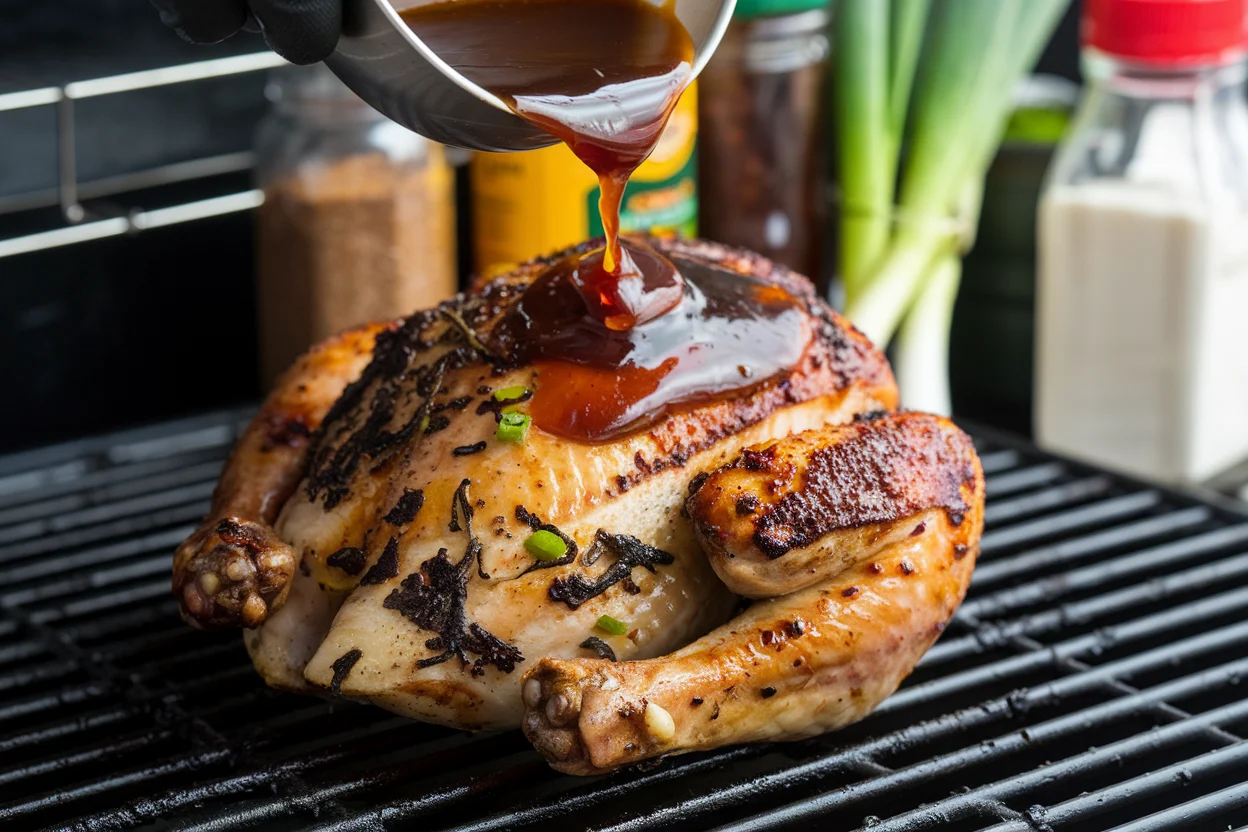
- Grill the chicken: Shake off excess marinade. Start skin-side down over direct heat to sear and get those char marks, 3–5 minutes. Move to indirect heat, close the lid, and cook 25–35 minutes, turning occasionally, until the internal temp hits 175–185°F for thighs/drums.
Crispy outside, juicy inside. Baste with leftover marinade only in the last few minutes if you simmer it for 3–5 minutes to make it safe.
- Oven method: Heat to 400°F. Arrange chicken on a wire rack over a lined sheet.
Roast 35–45 minutes until 175–185°F, broiling the last 2–3 minutes for extra char.
- Air fryer method: 375°F for 25–30 minutes, flipping halfway. Watch for hot spots and don’t overcrowd.
- Rest and finish: Let chicken rest 5–10 minutes. Squeeze fresh lime over the top.
Garnish with sliced scallions or thyme if you feel fancy.
- Serve: Classic sides: rice and peas, fried plantains, festival (sweet fried dumplings), or a crisp cabbage slaw to calm the heat.
Preservation Guide
- Fridge: Store cooled chicken in airtight containers up to 4 days. Reheat at 350°F for 10–12 minutes or in a skillet with a splash of water for steam.
- Freezer: Freeze cooked chicken for up to 3 months. Thaw overnight in the fridge before reheating.
- Marinade ahead: Make the marinade and refrigerate up to 1 week or freeze up to 3 months.
Pro tip: portion into ice cube trays for quick flavor bombs.
- Food safety: Don’t reuse raw marinade unless you boil it for several minutes. No shortcuts here.
What’s Great About This
- Big flavor, small effort: The blender does the heavy lifting. Your job is mostly patience and heat control.
- High heat tolerance: Dark meat stays juicy even if you overshoot a few degrees—very forgiving.
- Scalable: Works for weeknight dinners or a backyard crowd.
Just multiply and keep that two-zone grill.
- Balanced burn: Heat, sweetness, citrus, and spice harmonize. It’s spicy with purpose, not chaos.
What Not to Do
- Don’t skip allspice: It’s the backbone of jerk. No, pumpkin pie spice is not a substitute.
- Don’t under-salt: With bold spices, salt is your volume knob.
Under-seasoned jerk tastes shy—no one wants shy chicken.
- Don’t over-marinate in acid: More than 24 hours with lime can make the texture mushy. If marinating longer, reduce citrus and add it just before cooking.
- Don’t crowd the grill or pan: Crowding = steaming = sad skin. Give each piece breathing room.
- Don’t serve it dry: Finish with lime and pair with something saucy—mango salsa, pineapple chutney, or a little extra boiled marinade.
Mix It Up
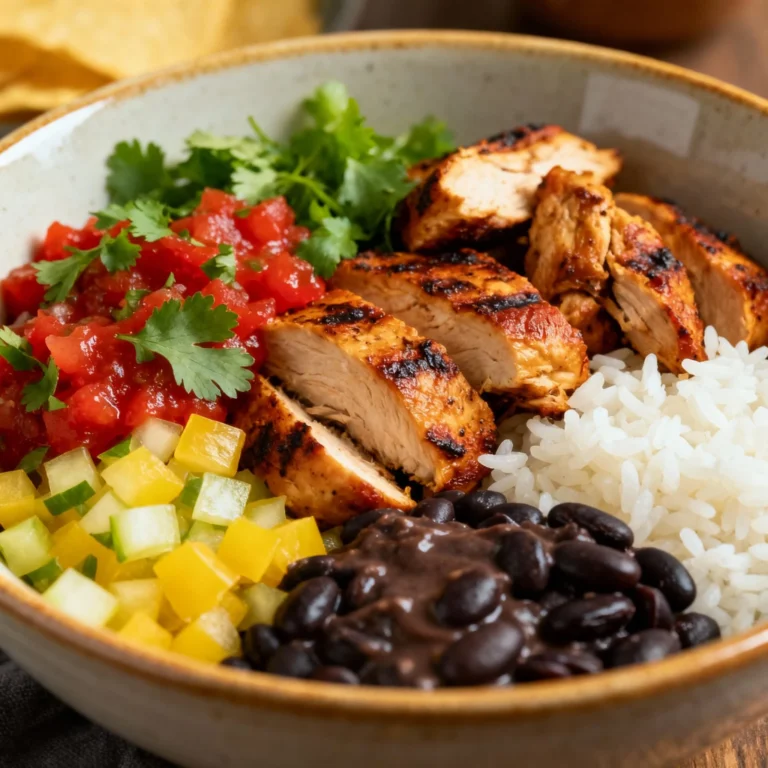
- Jerk chicken bowls: Slice over coconut rice with black beans, avocado, and lime crema.
Easy meal-prep win, FYI.
- Jerk tacos: Charred tortillas, pickled red onions, grilled pineapple, and a drizzle of yogurt-lime sauce.
- Jerk wings: Use flats and drums; cook at 425°F until crisp, toss in reduced marinade plus honey for a sticky glaze.
- Jerk tofu or cauliflower: Same marinade, roast at 425°F until caramelized. Great for mixed-diet dinners.
- Extra smoky: Add a teaspoon of smoked paprika or finish with a brief kiss of wood smoke for that roadside jerk-stand vibe.
FAQ
How spicy is this, really?
It ranges from warm to wild. One scotch bonnet with seeds removed is moderate; two to three with seeds brings serious heat.
You can also swap in habaneros or use jalapeños for a milder ride while keeping flavor intact.
Can I use chicken breasts?
Yes, but they’re less forgiving. Marinate 2–4 hours, then grill over medium heat to 160°F and rest to 165°F. Consider pounding to even thickness and basting with reduced marinade to keep moisture and flavor high.
What if I can’t find scotch bonnet peppers?
Habaneros are the closest.
For less heat, use jalapeños plus a pinch more allspice and a dash of hot sauce. The key is maintaining the aromatic balance, not just the burn.
Why cook thighs to 175–185°F?
Dark meat has more connective tissue that breaks down above 170°F, making it tender and juicy. At 165°F it’s safe, but at 180°F it’s sublime.
Counterintuitive? Maybe. Effective?
Absolutely.
Can I make this without a grill?
Totally. Oven-roast on a rack for airflow and finish under the broiler to develop char. For extra smoke, a tiny splash of liquid smoke in the marinade works—use sparingly, IMO.
Is sugar necessary?
A little brown sugar helps caramelization and balances the heat.
You can reduce it or swap with honey or coconut sugar, but don’t skip it entirely unless you prefer a drier, sharper finish.
What sides go best?
Rice and peas, festival, fried plantains, or a crisp slaw with lime. Grilled corn with jerk butter is also elite. Keep it fresh and slightly sweet to balance the spice.
The Bottom Line
Jerk chicken is bold, fragrant, and unapologetic—the culinary version of turning the volume all the way up.
With the right spices, an overnight soak, and proper heat, you’ll get juicy meat, smoky char, and a flavor profile that refuses to be ignored. Make it once and it becomes a signature move. Bring lime wedges, napkins, and hungry people.
The rest takes care of itself.