Japanese Salad Dressing Recipe: Unlock Umami in Every Bite!
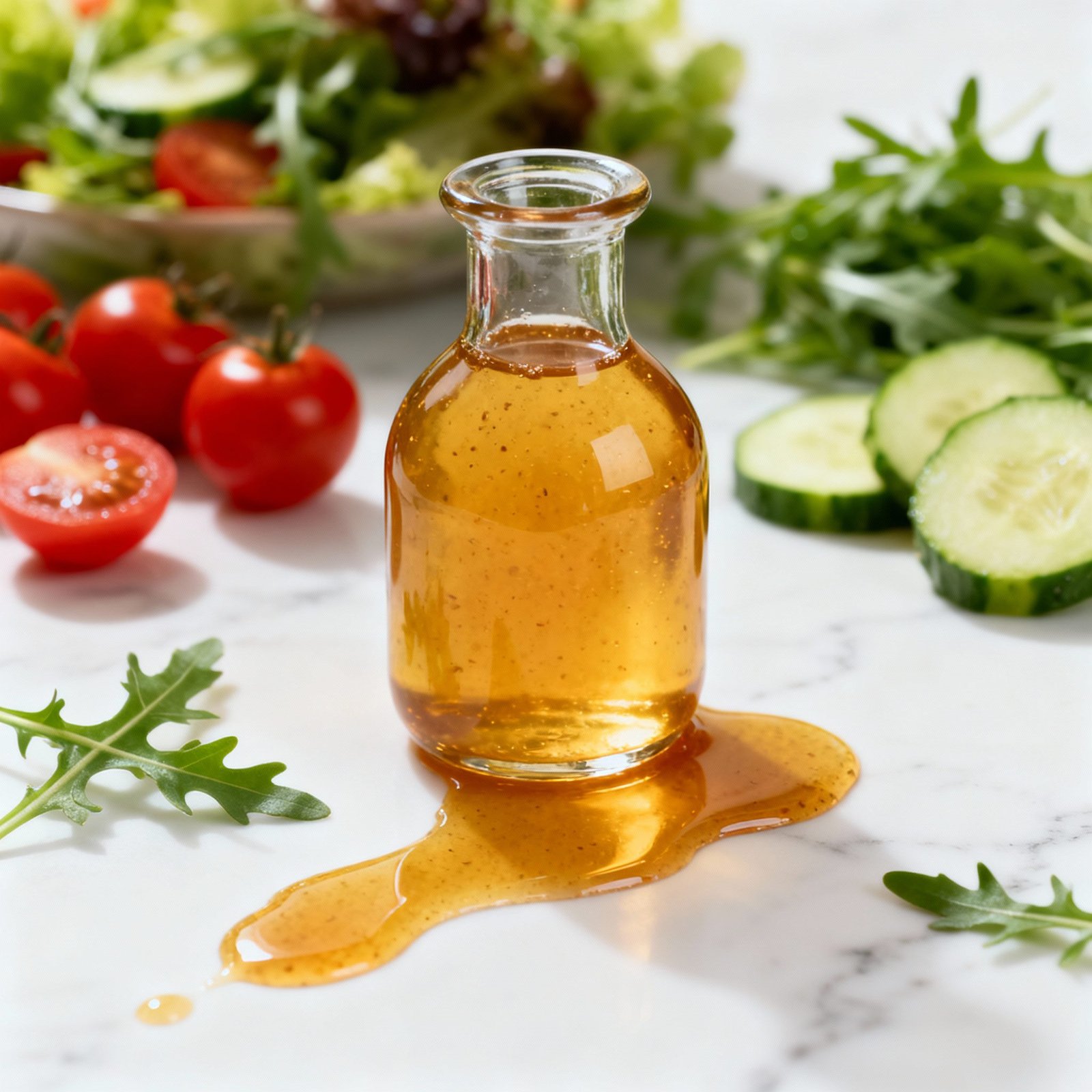
Forget those bland, store-bought dressings! This Japanese salad dressing recipe will transform your salads from ordinary to extraordinary. Bursting with savory, tangy, and slightly sweet notes, this dressing is incredibly versatile and easy to make at home. We’re talking restaurant-quality flavor in just minutes. Get ready to impress your family and friends with this authentic taste of Japan!
Why This Recipe Works
This recipe isn’t just about throwing ingredients together; it’s about balancing flavors to create a harmonious and addictive dressing. Here’s why it works so well:
- Soy Sauce: Provides the foundational umami (savory deliciousness) and saltiness. We recommend using low-sodium soy sauce to control the salt level.
- Rice Vinegar: Adds a crucial tanginess that balances the richness of the oil and soy sauce. It’s milder than other vinegars, making it perfect for this delicate dressing.
- Sesame Oil: A small amount of toasted sesame oil delivers a powerful nutty aroma and flavor that’s quintessentially Japanese. Don’t skip this!
- Sugar: A touch of sweetness balances the savory and tangy elements, creating a more rounded and appealing flavor profile.
- Ginger & Garlic: Freshly grated ginger and garlic add warmth, subtle spice, and aromatic complexity.
- Vegetable Oil: Provides the body and emulsification for the dressing. Use a neutral-flavored oil like canola or grapeseed oil to allow the other flavors to shine.
Ingredients
- 1/4 cup low-sodium soy sauce
- 1/4 cup rice vinegar
- 2 tablespoons vegetable oil (canola or grapeseed oil recommended)
- 1 tablespoon sesame oil (toasted)
- 1 tablespoon sugar
- 1 teaspoon grated fresh ginger
- 1 teaspoon minced garlic
- 1/4 teaspoon black pepper (freshly ground)
- Optional: 1/2 teaspoon sesame seeds (for garnish)

Instructions
- Combine Ingredients: In a medium bowl, whisk together the soy sauce, rice vinegar, vegetable oil, sesame oil, sugar, grated ginger, minced garlic, and black pepper.
- Whisk Vigorously: Whisk the ingredients vigorously for about 1-2 minutes until the sugar is completely dissolved and the dressing is well emulsified (meaning the oil and vinegar are blended together and don’t separate easily). You can also use a small food processor or blender for this step.
- Taste and Adjust: Taste the dressing and adjust the seasoning to your liking. You may want to add a little more sugar for sweetness, rice vinegar for tanginess, or soy sauce for saltiness.
- Chill (Optional): For the best flavor, cover the bowl and refrigerate the dressing for at least 30 minutes to allow the flavors to meld together. This step is optional but highly recommended.
- Serve: Drizzle the dressing over your favorite salad. Sprinkle with sesame seeds (optional) before serving.
Tips for Success
- Use Fresh Ingredients: Freshly grated ginger and minced garlic will provide the best flavor. Avoid using powdered versions.
- Don’t Overdo the Sesame Oil: Sesame oil is potent, so use it sparingly. Too much can overpower the other flavors.
- Adjust to Your Taste: This recipe is a guideline. Feel free to adjust the ingredients to suit your personal preferences.
- Emulsify Thoroughly: A well-emulsified dressing will have a smoother texture and the flavors will be more balanced.
- Use a Good Quality Soy Sauce: The quality of your soy sauce will significantly impact the flavor of the dressing. Opt for a naturally brewed soy sauce for the best results.
- Experiment with Add-ins: Once you’ve mastered the basic recipe, try experimenting with other ingredients, such as a pinch of red pepper flakes for a little heat, or a tablespoon of mirin (sweet rice wine) for added sweetness and depth of flavor.
Storage Instructions
Store leftover Japanese salad dressing in an airtight container in the refrigerator for up to 5 days. The dressing may separate upon standing, so whisk or shake well before using.

FAQ
Q: Can I use regular vinegar instead of rice vinegar?
A: While you can substitute other vinegars, rice vinegar is preferred for its mild and slightly sweet flavor. If you use another vinegar, such as white vinegar or apple cider vinegar, use it sparingly and taste as you go, as they have a stronger flavor.
Q: Can I use honey instead of sugar?
A: Yes, you can substitute honey for sugar. Start with a tablespoon of honey and adjust to taste. Keep in mind that honey has a distinct flavor that will subtly alter the overall taste of the dressing.
Q: Can I make this dressing ahead of time?
A: Absolutely! In fact, making it ahead of time allows the flavors to meld together even more, resulting in a more flavorful dressing. Store it in the refrigerator for up to 5 days.
Q: What kind of salads does this dressing go well with?
A: This dressing is incredibly versatile and pairs well with a variety of salads. It’s particularly delicious with salads that include Asian-inspired ingredients such as shredded cabbage, carrots, cucumbers, edamame, seaweed salad, and grilled chicken or tofu. It’s also great on a simple green salad with some toasted sesame seeds.
Q: Can I use this dressing as a marinade?
A: Yes, this dressing can also be used as a marinade for chicken, fish, or tofu. Marinate for at least 30 minutes, or up to several hours, for maximum flavor.
Q: Is this recipe gluten-free?
A: This recipe is gluten-free if you use a gluten-free soy sauce (tamari). Standard soy sauce typically contains wheat.
Conclusion
This Japanese salad dressing recipe is a game-changer. It’s quick, easy, and delivers a flavor explosion that will elevate your salads to new heights. Ditch the store-bought stuff and experience the authentic taste of umami in every bite. Enjoy!