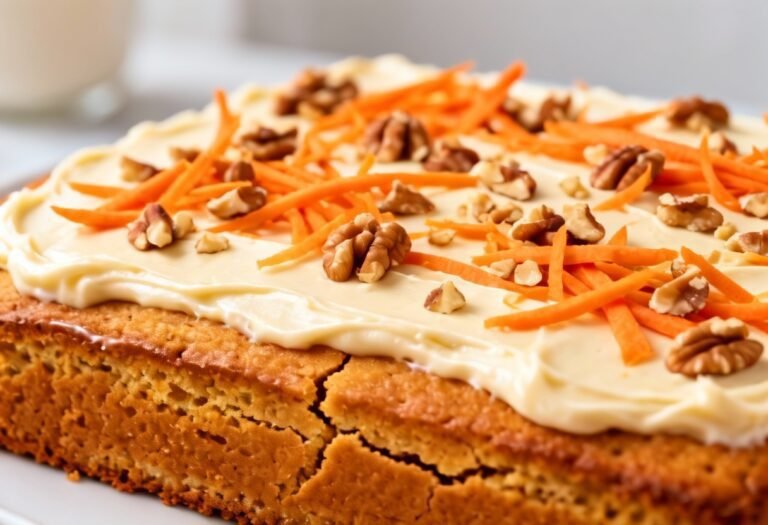
Lemon Loaf Cake Recipe: Sunshine in Every Slice!
Craving a burst of citrusy sunshine? Look no further! This lemon loaf cake recipe delivers a moist, tender crumb and a tangy glaze that will brighten even the dreariest day. It’s the perfect treat for afternoon tea, a brunch gathering, or simply a delicious way to satisfy your sweet tooth. This isn’t just any lemon loaf; it’s a symphony of lemon flavor, balanced with the perfect amount of sweetness, creating a truly unforgettable baking experience. Get ready to impress your friends and family with this easy-to-make, incredibly delicious lemon loaf cake!
Why This Recipe Works
This recipe isn’t just about throwing ingredients together and hoping for the best. It’s carefully crafted to ensure a perfect loaf every time. Here’s why it works:
- Lemon Zest Infusion: We use a generous amount of lemon zest, not just for flavor, but also to release essential oils that permeate the entire cake. This creates a vibrant, fragrant lemon experience.
- Buttermilk Magic: Buttermilk adds a subtle tang and creates a tender crumb. The acidity helps to break down gluten, resulting in a softer, more delicate texture. Don’t skip it! If you don’t have buttermilk, we have a simple substitution in the FAQ.
- Oil and Butter Combination: Using both oil and butter provides the best of both worlds. Oil contributes to the moistness and longevity of the cake, while butter adds richness and flavor.
- Perfect Glaze Ratio: The glaze isn’t just an afterthought; it’s an integral part of the cake. The perfect balance of lemon juice and powdered sugar creates a tangy-sweet coating that complements the cake beautifully.
- Proper Baking Temperature: Baking at the right temperature is crucial for even cooking. We recommend a moderate oven temperature to ensure the cake cooks through without drying out.
Ingredients
- For the Cake:
- 2 cups (250g) all-purpose flour
- 2 teaspoons baking powder
- 1/2 teaspoon baking soda
- 1/4 teaspoon salt
- 1 cup (200g) granulated sugar
- 1/2 cup (100g) unsalted butter, softened
- 1/4 cup (60ml) vegetable oil
- 2 large eggs
- 1/2 cup (120ml) buttermilk
- 1/4 cup (60ml) lemon juice, freshly squeezed
- 2 tablespoons lemon zest, finely grated
- 1 teaspoon vanilla extract
- For the Glaze:
- 1 1/2 cups (180g) powdered sugar
- 3-4 tablespoons lemon juice, freshly squeezed

Instructions
- Preheat and Prep: Preheat your oven to 350°F (175°C). Grease and flour a 9×5 inch loaf pan. Alternatively, line the pan with parchment paper, leaving an overhang for easy removal.
- Dry Ingredients: In a medium bowl, whisk together the flour, baking powder, baking soda, and salt.
- Cream Butter and Sugar: In a large bowl, cream together the softened butter and granulated sugar until light and fluffy. This usually takes 2-3 minutes with an electric mixer.
- Add Wet Ingredients: Beat in the eggs one at a time, then stir in the vegetable oil, buttermilk, lemon juice, lemon zest, and vanilla extract. Mix until just combined.
- Combine Wet and Dry: Gradually add the dry ingredients to the wet ingredients, mixing on low speed until just combined. Be careful not to overmix. Overmixing can lead to a tough cake.
- Pour into Pan: Pour the batter into the prepared loaf pan and spread evenly.
- Bake: Bake for 50-60 minutes, or until a wooden skewer inserted into the center comes out clean. The top should be golden brown.
- Cool: Let the cake cool in the pan for 10-15 minutes before inverting it onto a wire rack to cool completely.
- Make the Glaze: While the cake is cooling, prepare the glaze. In a small bowl, whisk together the powdered sugar and lemon juice until smooth. Add more lemon juice, one tablespoon at a time, until you reach your desired consistency.
- Glaze the Cake: Once the cake is completely cool, pour the glaze over the top, allowing it to drip down the sides. You can also use a spatula to spread the glaze evenly.
- Let Glaze Set: Let the glaze set for at least 30 minutes before slicing and serving.
Tips for Success
Here are a few tips to ensure your lemon loaf cake turns out perfectly:
- Room Temperature Ingredients: Using room temperature ingredients, especially the butter and eggs, helps them to emulsify properly, resulting in a smoother batter and a more even texture.
- Don’t Overmix: Overmixing the batter develops gluten, which can lead to a tough cake. Mix until just combined.
- Measure Flour Accurately: Spoon the flour into your measuring cup and level it off with a knife. Avoid scooping directly from the bag, as this can pack the flour and result in too much flour in the recipe.
- Check for Doneness: Use a wooden skewer to check for doneness. If the skewer comes out with wet batter, bake for a few more minutes and check again.
- Cool Completely: Make sure the cake is completely cool before glazing. Otherwise, the glaze will melt and run off.
- Zest the Lemon First: Always zest the lemon before juicing it. It’s much easier to zest a whole lemon than a halved one.
Storage Instructions
To store your lemon loaf cake:
- Room Temperature: Store the cake in an airtight container at room temperature for up to 3 days.
- Refrigerator: For longer storage, store the cake in an airtight container in the refrigerator for up to 5 days. Let it come to room temperature before serving.
- Freezer: You can also freeze the cake for up to 2 months. Wrap the cake tightly in plastic wrap, then place it in a freezer-safe bag or container. Thaw overnight in the refrigerator before serving. It’s best to freeze the cake before glazing. You can make the glaze fresh when you’re ready to serve.

FAQ
Here are some frequently asked questions about this lemon loaf cake recipe:
- Can I use a different type of flour? While all-purpose flour is recommended for the best texture, you can substitute it with a gluten-free all-purpose flour blend.
- I don’t have buttermilk. What can I use? You can make a buttermilk substitute by adding 1 tablespoon of lemon juice or white vinegar to a liquid measuring cup, then filling the cup with milk to reach 1/2 cup. Let it sit for 5 minutes before using.
- Can I use bottled lemon juice? Freshly squeezed lemon juice is always preferred for the best flavor, but you can use bottled lemon juice in a pinch.
- Can I add poppy seeds? Yes, you can add 2-3 tablespoons of poppy seeds to the batter for a lemon poppy seed loaf.
- My cake is browning too quickly. What should I do? If your cake is browning too quickly, tent it with aluminum foil during the last 15-20 minutes of baking.
- Can I make this recipe into muffins? Yes! Reduce the baking time to about 18-22 minutes, or until a toothpick inserted into the center comes out clean.
Conclusion
This lemon loaf cake is more than just a recipe; it’s an invitation to bake something truly special. With its bright lemon flavor, moist crumb, and tangy glaze, it’s guaranteed to become a family favorite. So, gather your ingredients, preheat your oven, and get ready to experience the joy of baking this delightful lemon loaf cake. Enjoy every slice of sunshine!