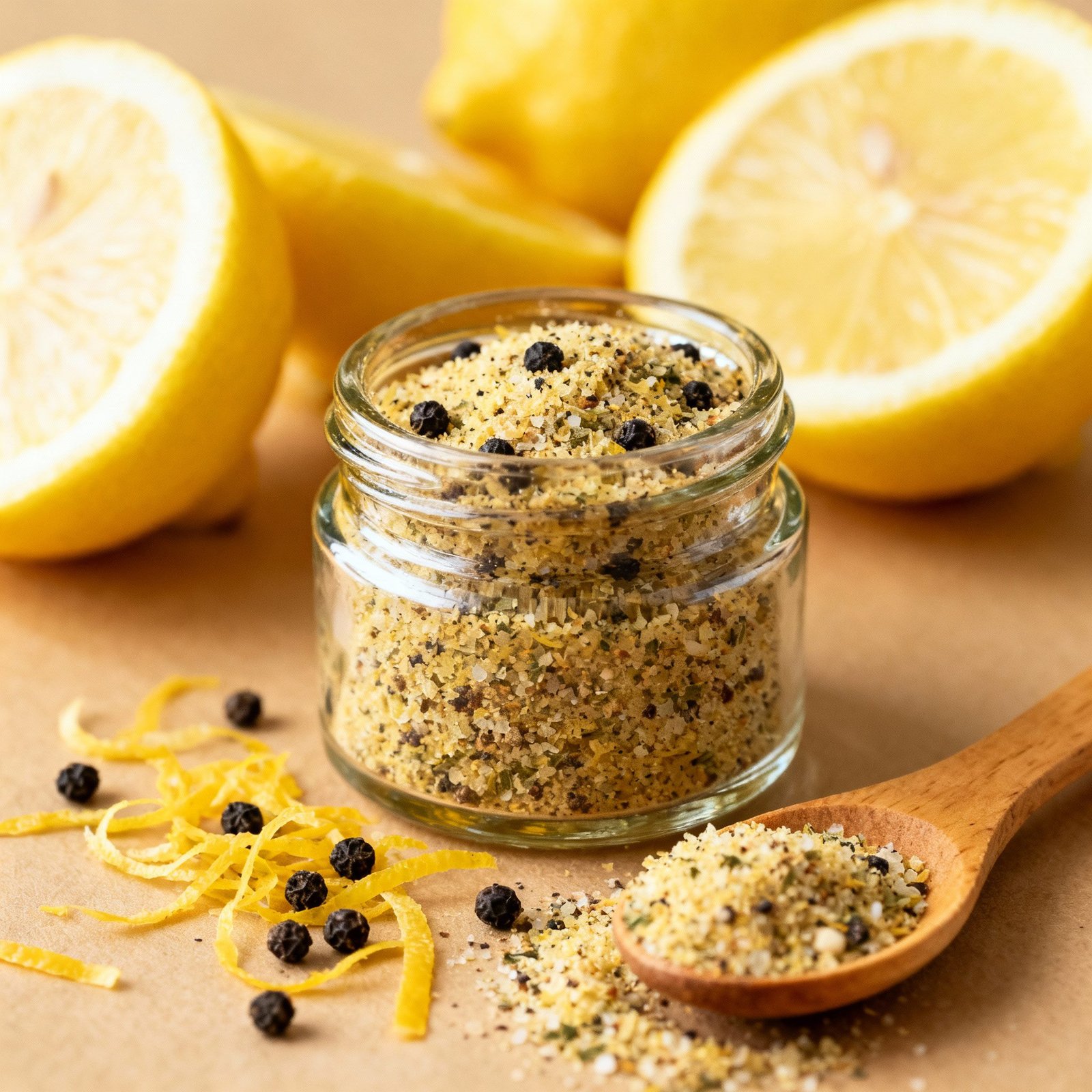
Lemon Pepper Seasoning Recipe: Zesty Flavor in Minutes!
Lemon pepper seasoning is a kitchen staple, adding a bright, zesty kick to everything from chicken and fish to vegetables and pasta. But why settle for store-bought when you can create your own custom blend, perfectly tailored to your taste? This recipe provides a simple, straightforward guide to making the best lemon pepper seasoning you’ve ever tasted. Control the salt, the pepper, and the lemon intensity for a seasoning that’s truly your own. Forget pre-made mixes filled with artificial flavors and excessive sodium – this homemade version is all about fresh, vibrant flavor.
Why This Recipe Works
This recipe isn’t just about throwing some lemon and pepper together. It’s about creating a balanced flavor profile that enhances, not overpowers, your dishes. Here’s why it works so well:
- Fresh Lemon Zest: Using fresh lemon zest is crucial. It provides the bright, aromatic citrus notes that are simply unmatched by dried lemon peel. The oils released from the zest are where the real magic happens.
- Proper Drying: Drying the lemon zest is key to preventing clumping and ensuring a long shelf life. A low oven temperature or dehydrator ensures the zest dries evenly without burning or losing its flavor.
- Coarse Ground Pepper: Using coarsely ground black pepper provides a noticeable texture and a more robust pepper flavor than finely ground pepper. It creates a satisfying bite that complements the lemon.
- Salt Control: This recipe allows you to control the salt content, making it healthier and more adaptable to your dietary needs. You can use sea salt, kosher salt, or even a salt substitute.
- Customization: The beauty of homemade seasoning is the ability to customize it to your preferences. Want more lemon? Add more zest! Prefer a spicier blend? Add a pinch of cayenne pepper!
Ingredients
- 4 large lemons, preferably organic
- 1/4 cup coarsely ground black pepper
- 2 tablespoons sea salt or kosher salt (or to taste)
- Optional: 1 teaspoon garlic powder
- Optional: 1/2 teaspoon onion powder
- Optional: Pinch of cayenne pepper for heat
Instructions
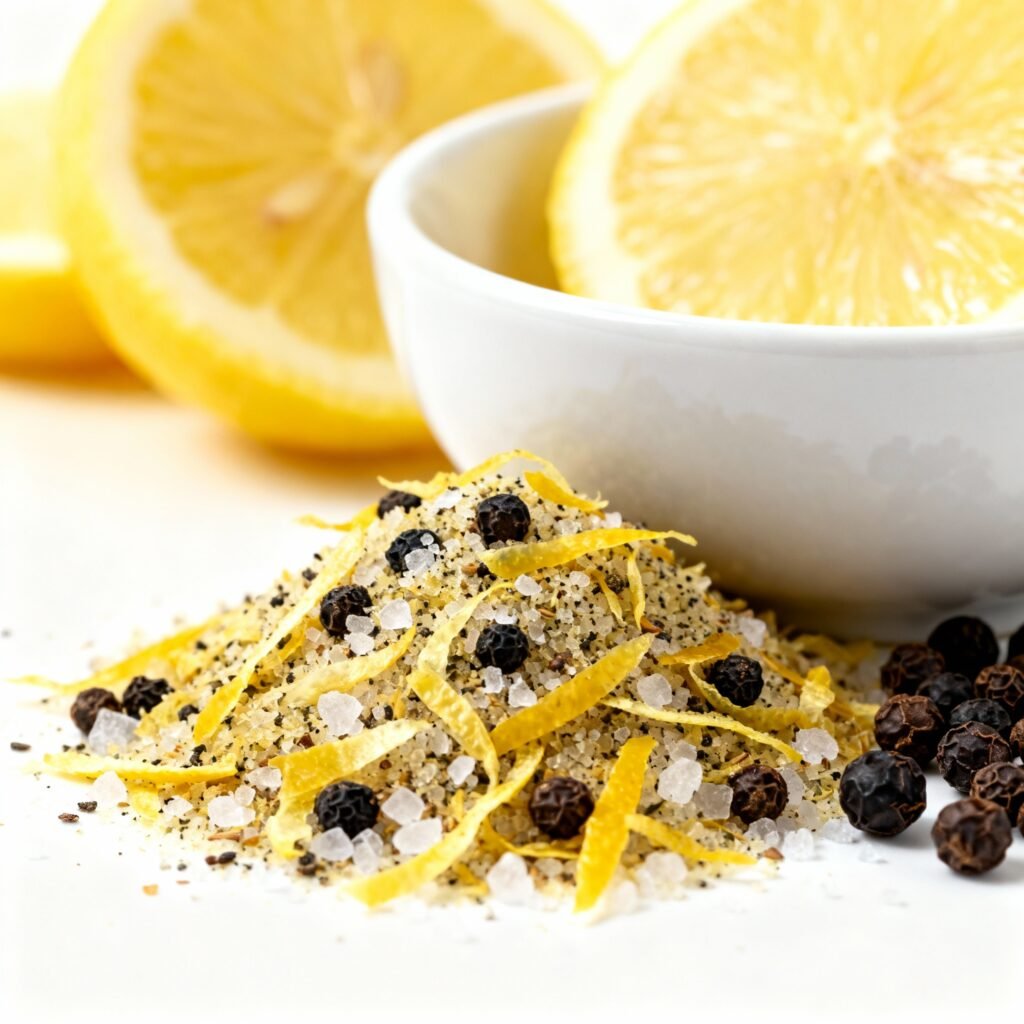
- Zest the Lemons: Wash the lemons thoroughly. Using a microplane or fine grater, carefully zest the lemons, being careful to only zest the yellow part of the peel and avoid the white pith underneath, which is bitter. You should aim for about 4 tablespoons of lemon zest.
- Dry the Lemon Zest: Spread the lemon zest in a thin, even layer on a baking sheet lined with parchment paper.
- Oven Drying Method: Preheat your oven to the lowest possible setting (ideally around 170°F or 77°C). Place the baking sheet in the oven and dry the zest for 1-2 hours, or until it is completely dry and brittle. Check on it frequently to prevent burning. Alternatively, use a dehydrator according to the manufacturer’s instructions. Dehydrating usually takes about 4-6 hours.
- Air Drying Method (Alternative): If you don’t want to use the oven or a dehydrator, you can air dry the zest. Spread it on a baking sheet and let it sit at room temperature for several days, until completely dry. This method takes longer and may not be as effective in humid environments.
- Combine Ingredients: Once the lemon zest is completely dry, transfer it to a small bowl. Add the coarsely ground black pepper, salt, and any optional ingredients (garlic powder, onion powder, cayenne pepper).
- Mix Well: Stir all the ingredients together thoroughly until well combined.
- Grind (Optional): If you prefer a finer texture, you can pulse the mixture in a spice grinder or food processor for a few seconds. Be careful not to over-grind, as you don’t want it to become a powder.
- Store: Transfer the lemon pepper seasoning to an airtight container and store in a cool, dark place.
Tips for Success
- Use Organic Lemons: Since you’re using the zest, organic lemons are preferable to avoid pesticides.
- Dry the Zest Thoroughly: This is the most important step to prevent clumping and mold growth. Make sure the zest is completely dry before combining it with the other ingredients.
- Adjust the Salt: Taste the seasoning and adjust the amount of salt to your liking.
- Don’t Over-Grind: If you choose to grind the seasoning, do it in short pulses to avoid turning it into a powder. You want to maintain some texture.
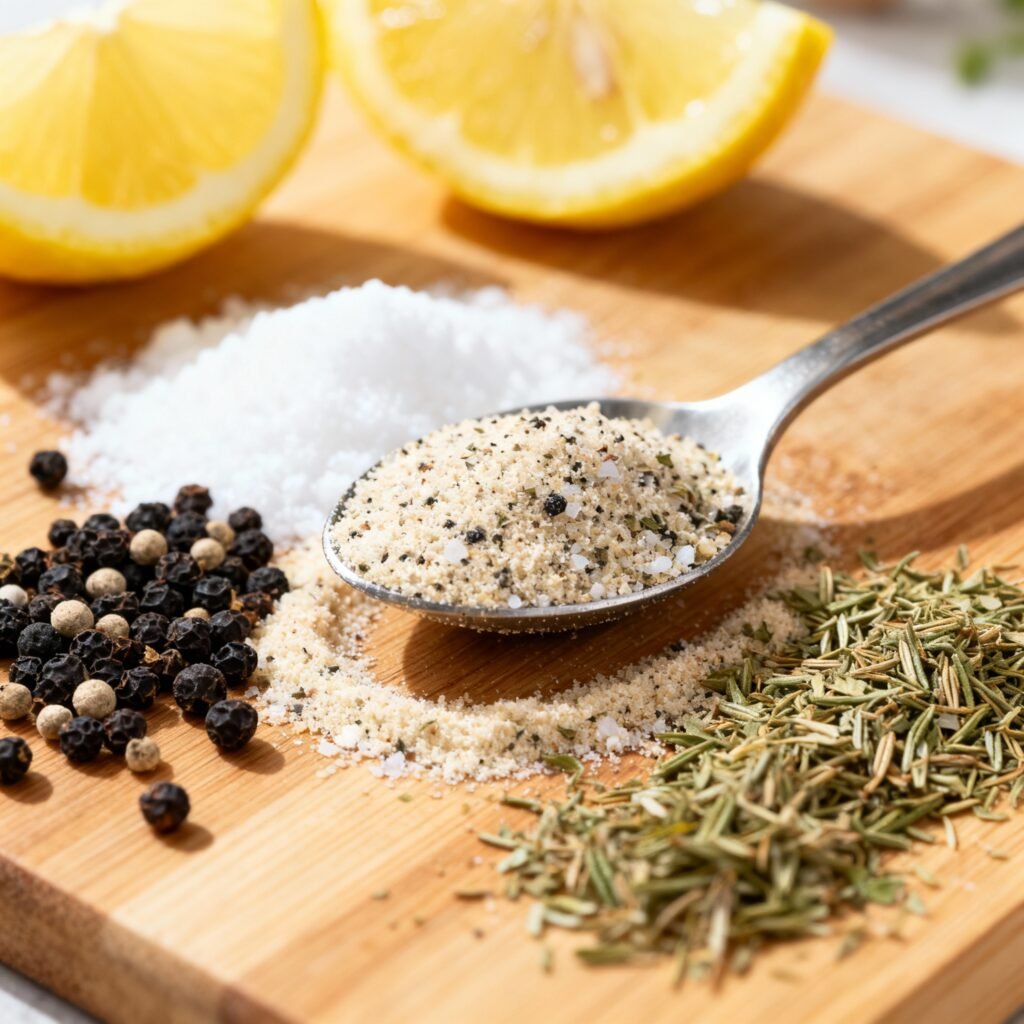
- Experiment with Flavors: Feel free to experiment with other herbs and spices, such as dried thyme, rosemary, or oregano.
- Consider Toasting the Pepper: For a deeper, more complex flavor, lightly toast the black peppercorns in a dry skillet over medium heat for a few minutes before grinding them. Watch carefully to prevent burning.
- Use a Microplane for Zesting: A microplane zester is the best tool for getting fine, even zest without the bitter pith.
Storage Instructions
Store your homemade lemon pepper seasoning in an airtight container in a cool, dark, and dry place. A glass jar with a tight-fitting lid is ideal. Properly stored, the seasoning should last for up to 6 months. Check for any signs of moisture or clumping before each use. If the seasoning becomes damp or clumped, it’s best to discard it.
FAQ
Q: Can I use dried lemon peel instead of fresh zest?
A: While you can use dried lemon peel, the flavor won’t be as vibrant or aromatic as fresh zest. Fresh zest provides essential oils that are lost during the drying process. If you must use dried peel, look for high-quality, unsweetened dried lemon peel.
Q: How do I know if the lemon zest is dry enough?
A: The lemon zest should be completely dry and brittle to the touch. It should crumble easily when you press it between your fingers. If it’s still pliable or sticky, it needs more drying time.
Q: Can I add other spices to this recipe?
A: Absolutely! This recipe is a great base for experimentation. Consider adding garlic powder, onion powder, dried herbs like thyme or rosemary, or a pinch of cayenne pepper for heat.
Q: What’s the best way to use lemon pepper seasoning?
A: Lemon pepper seasoning is incredibly versatile. Use it to season chicken, fish, vegetables, pasta, eggs, and even popcorn! Sprinkle it on before cooking or use it as a finishing seasoning.
Q: Why is my lemon pepper seasoning clumping?
A: Clumping is usually caused by moisture. Make sure the lemon zest is completely dry before combining it with the other ingredients. Also, store the seasoning in an airtight container in a dry place.
Conclusion
Making your own lemon pepper seasoning is surprisingly easy and rewarding. Not only will you have a fresher, more flavorful seasoning, but you’ll also have complete control over the ingredients. This recipe allows you to customize the blend to your exact preferences, creating a truly unique seasoning that will elevate your dishes. So ditch the store-bought stuff and embrace the vibrant flavors of homemade lemon pepper seasoning. Your taste buds will thank you!