Stop Scrolling: The Only “Lomo Saltado Recipe Peruvian” You’ll Ever Need (Juicy, Fiery, 20-Min Glory)
👩🍳 The Home Chef's Essential Kitchen
Consistently cooking incredible, healthy meals at home is so much easier when you aren't fighting with cheap tools. These are the 5 absolute powerhouse kitchen essentials that professional chefs and serious home cooks rely on every single day to get perfect results.
🍳 Lodge 10.25" Cast Iron Skillet
The single greatest value in all of cookware. It retains heat infinitely better than cheap non-stick pans, allowing you to get a restaurant-quality crust on steaks or perfect crispy edges on cornbread. With proper care, this $20 pan will literally outlive you.
🔪 Victorinox Fibrox Pro 8" Chef's Knife
A dull knife makes cooking a frustrating chore. This specific blade is the undisputed champion of the culinary world—it holds a terrifyingly sharp edge, features a comfortable non-slip grip, and performs identical to German knives that cost quadruple the price.
🌡️ ThermoPro Instant Read Thermometer
Never serve dry chicken or undercooked pork again. An instant-read thermometer is the secret difference between amateur cooks who 'guess' when protein is done, and professionals who know exactly when to pull meat off the heat for maximum juiciness.
🍲 Lodge Enameled Cast Iron Dutch Oven
The ultimate workhorse for soups, stews, braised short ribs, and baking crusty artisanal bread. The enameled interior provides incredible heat distribution for slow-cooking while eliminating the intense seasoning maintenance required by bare cast iron.
🥄 Bpa-Free Silicone Utensil Set
Throw away those melting plastic spatulas and bacteria-harboring wooden spoons. This pure silicone set is heat-resistant up to 600°F, won't scratch your expensive pans, and features seamless designs that make cleaning out thick sauces and batters effortless.
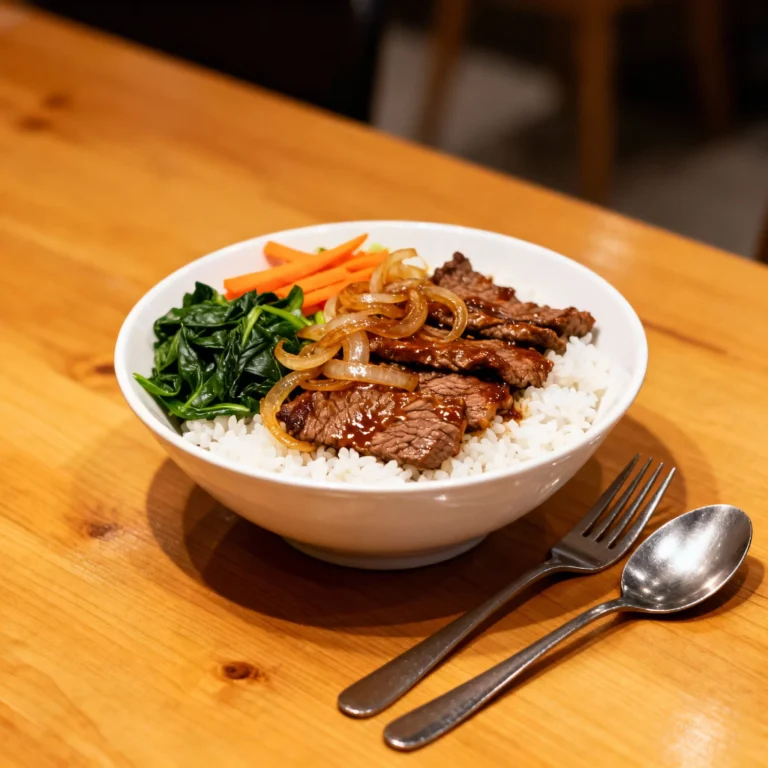
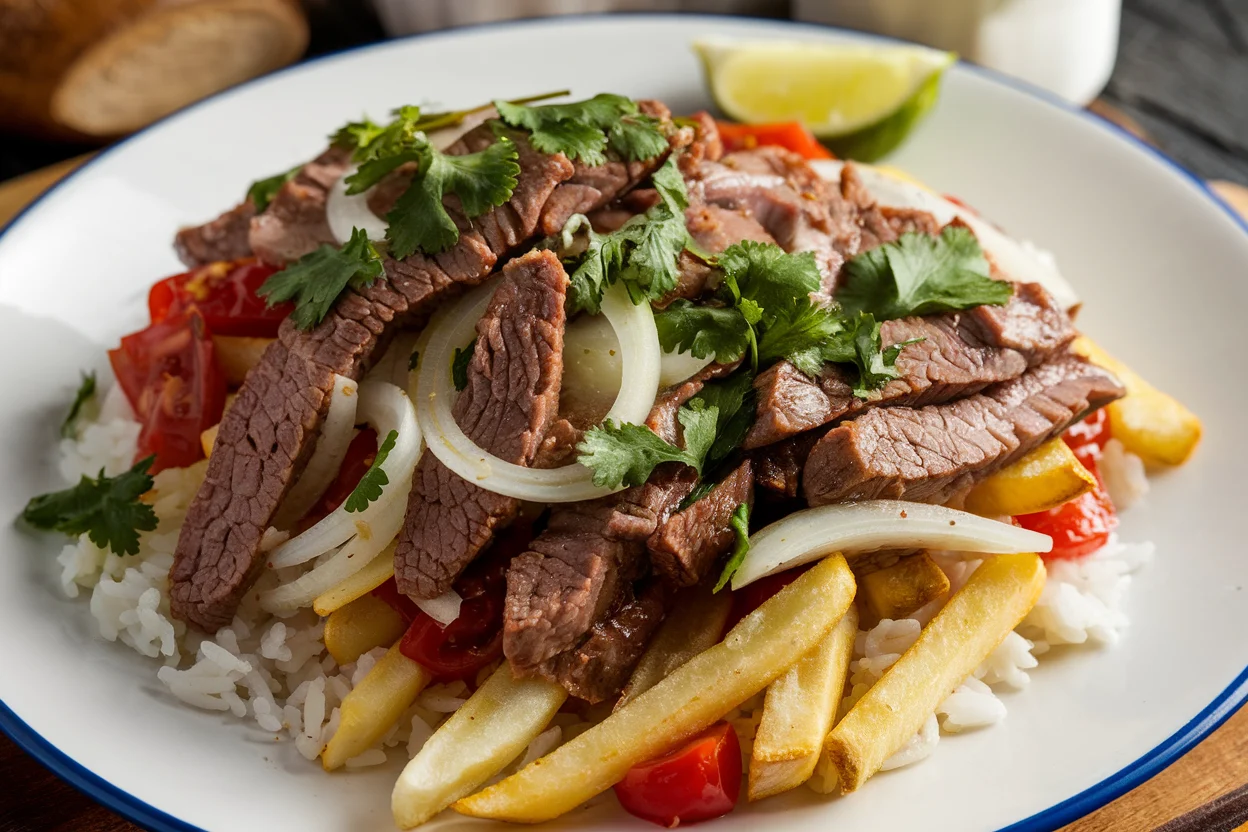
Think steak and fries shouldn’t be luxurious? Peru disagrees. Lomo saltado takes seared beef, smoky onions, blistered tomatoes, and golden fries, then slams them together with soy, vinegar, and a whisper of heat.
It’s stir-fry meets street food meets five-star comfort. The flavors are loud, the method is fast, and the payoff is ridiculous. If you want a weeknight win that tastes like a weekend flex, this is it.
What Makes This Recipe So Good
- Explosive flavor balance: Savory soy, sharp vinegar, sweet tomatoes, and a spicy kick from ají amarillo paste create a sauce that slaps.
- Texture contrast that works hard: Crisp fries and juicy beef with tender-crisp veggies—every bite hits a different note.
- Fast and forgiving: High heat, quick sear, dinner in 20–25 minutes if your mise en place is ready.
- Weeknight-friendly ingredients: Flank steak, red onion, tomatoes, soy sauce—you probably have half of this already.
- Authentically Peruvian, globally practical: Classic technique with substitutions that still honor the dish.
Ingredients
- 1 lb (450 g) flank steak or sirloin, sliced into thin strips against the grain
- 2 tbsp soy sauce (plus 2 tbsp for sauce)
- 1 tbsp red wine vinegar (plus 1 tbsp for sauce)
- 1 tbsp oyster sauce or Worcestershire sauce
- 1–2 tsp ají amarillo paste (or 1 tsp chili paste + 1 tsp mild mustard as a backup)
- 2 cloves garlic, minced
- 1 large red onion, cut into thick wedges
- 2 Roma tomatoes, cut into thick wedges (seeds scooped if very juicy)
- 1–2 tbsp neutral oil (avocado, canola)
- Fresh cilantro, chopped, for garnish
- French fries, 3–4 cups cooked (homemade or frozen, baked or fried)
- Cooked white rice, for serving
- Salt and black pepper, to taste
- Optional: 1 tbsp pisco (or dry sherry) for deglazing; 1 tsp sugar to balance acidity
Instructions
- Prep like a pro: Slice the steak thin against the grain.
Pat dry thoroughly. Wedge the onion and tomato. Mince the garlic.
Cook your fries until golden and crisp; keep them warm in a low oven.
- Marinate fast: Toss steak with 2 tbsp soy sauce, 1 tbsp vinegar, and a pinch of pepper. Let it sit 10 minutes while you stir the sauce.
- Make the sauce: In a small bowl, combine 2 tbsp soy sauce, 1 tbsp vinegar, 1 tbsp oyster/Worcestershire, ají amarillo, garlic, and optional 1 tsp sugar. Taste—bold, slightly tangy, and a little spicy is the target.
- Heat the pan hard: Use a wok or large skillet.
Add 1 tbsp oil and get it ripping hot until just smoking. Do not crowd the pan.
- Sear the beef: In batches, sear steak strips 45–60 seconds per side. You want browning, not steaming.
Remove to a plate; keep the fond in the pan.
- Onions next: Add a touch more oil if needed. Toss in onion wedges. Stir-fry 1–2 minutes until edges char but centers stay crisp.
- Add tomatoes: Throw in tomato wedges.
Stir-fry 30–45 seconds. They should blister slightly but not collapse.
- Deglaze (optional but awesome): Splash in pisco or sherry; scrape up the browned bits. Let alcohol cook off for 20 seconds.
- Sauce it up: Return beef and any juices to the pan.
Pour in the sauce. Toss 30–60 seconds until everything is glossy and coated. Adjust salt and pepper.
- Finish with fries: Add the hot fries to the pan and toss briefly to coat.
Or serve fries on the side if you want them extra crisp—your call.
- Plate and garnish: Spoon over warm rice, shower with chopped cilantro, and serve immediately. Hot pan, hot plate, happy life.
How to Store
- Fridge: Store leftovers in an airtight container up to 3 days. Keep fries separate if possible.
- Reheat:
- Skillet method: Medium-high heat, a splash of water or stock, toss 2–3 minutes.
- Air fryer fries: 375°F (190°C) for 3–5 minutes to re-crisp.
- Microwave: Works in a pinch, but expect softer fries—no surprises there.
- Freezer: Not recommended.
Texture on tomatoes and fries goes mushy. Live a little—eat it fresh.
Benefits of This Recipe
- High-impact flavor with minimal time: A legitimate 20–25 minute dinner that tastes like you worked harder than you did.
- Balanced macro profile: Protein-rich steak, carbs from rice and fries, and veggie fiber from onions and tomatoes. Not a salad, but not chaos either.
- Versatile and scalable: Double it for a crowd, or swap proteins without drama.
- Cultural flex: A gateway into Peruvian Nikkei-Chifa influence—soy sauce and vinegar meet Andean soul.
Don’t Make These Errors
- Overcrowding the pan: That turns sear into steam.
Do batches. Non-negotiable.
- Paper-towel neglect: Wet beef won’t brown. Pat it dry like you mean it.
- Mushy tomatoes: Cut them thick and add late.
If they’re watery, scoop the seeds.
- Cold fries: Lukewarm fries vanish into sadness. Keep them hot until the toss.
- Weak heat: High flame is the personality of this dish. Medium heat equals medium flavor—FYI.
Mix It Up
- Protein swaps: Chicken saltado, mushroom saltado (portobello + tofu), or shrimp—just adjust cook times.
- Carb pivot: Swap fries for yuca fries, sweet potato fries, or go rice-only if you’re feeling virtuous (no judgment).
- Saucy variations: Add a teaspoon of cumin or a dash of Maggi seasoning for deeper umami.
- Veg boosters: Toss in bell peppers or snap peas for extra crunch—nontraditional but tasty.
- Heat control: More ají amarillo for zing, or a few jalapeño slices if that’s what’s in the fridge.
FAQ
What cut of beef works best?
Flank steak is classic for its chew and flavor, but sirloin, ribeye, or even flat iron work beautifully.
The key is slicing thin and against the grain so it stays tender on a quick sear.
Do I need a wok?
No. A large stainless or cast-iron skillet does the job. Just get it extremely hot, preheat well, and avoid crowding.
Can I make it gluten-free?
Yes.
Use gluten-free soy sauce or tamari, and check that your oyster/Worcestershire sauce is GF or swap for a GF umami sauce. Fries and rice are naturally GF—double-check labels on frozen fries.
Is ají amarillo essential?
It’s the soul of the dish, but you can approximate with a mild chili paste plus a touch of mustard for fruity heat. If you can find ají amarillo paste online or at Latin markets, grab it—it’s a game-changer.
Why serve with both rice and fries?
Because Peru knows joy.
The rice soaks up the sauce; the fries deliver crunch and comfort. It’s a texture and sauce-delivery masterclass. IMO, both is the move.
Can I bake the fries instead of frying?
Absolutely.
Oven-bake or air-fry until deeply golden. The key is crispness—thin, pale fries get lost once sauced.
How do I avoid overcooking the beef?
High heat, short time, and batches. Pull the beef when it’s just browned; it will finish when tossed with the sauce.
My Take
Lomo saltado is the dish I cook when I want max applause for minimum effort.
It’s fast, loud, and wildly satisfying—like a rock concert in a skillet. The soy-vinegar-ají combo is ridiculously craveable, and the fries make it feel a little rebellious. Keep the heat high, the fries hot, and the cilantro fresh.
Do that, and this “lomo saltado recipe peruvian” becomes your weeknight mic drop.