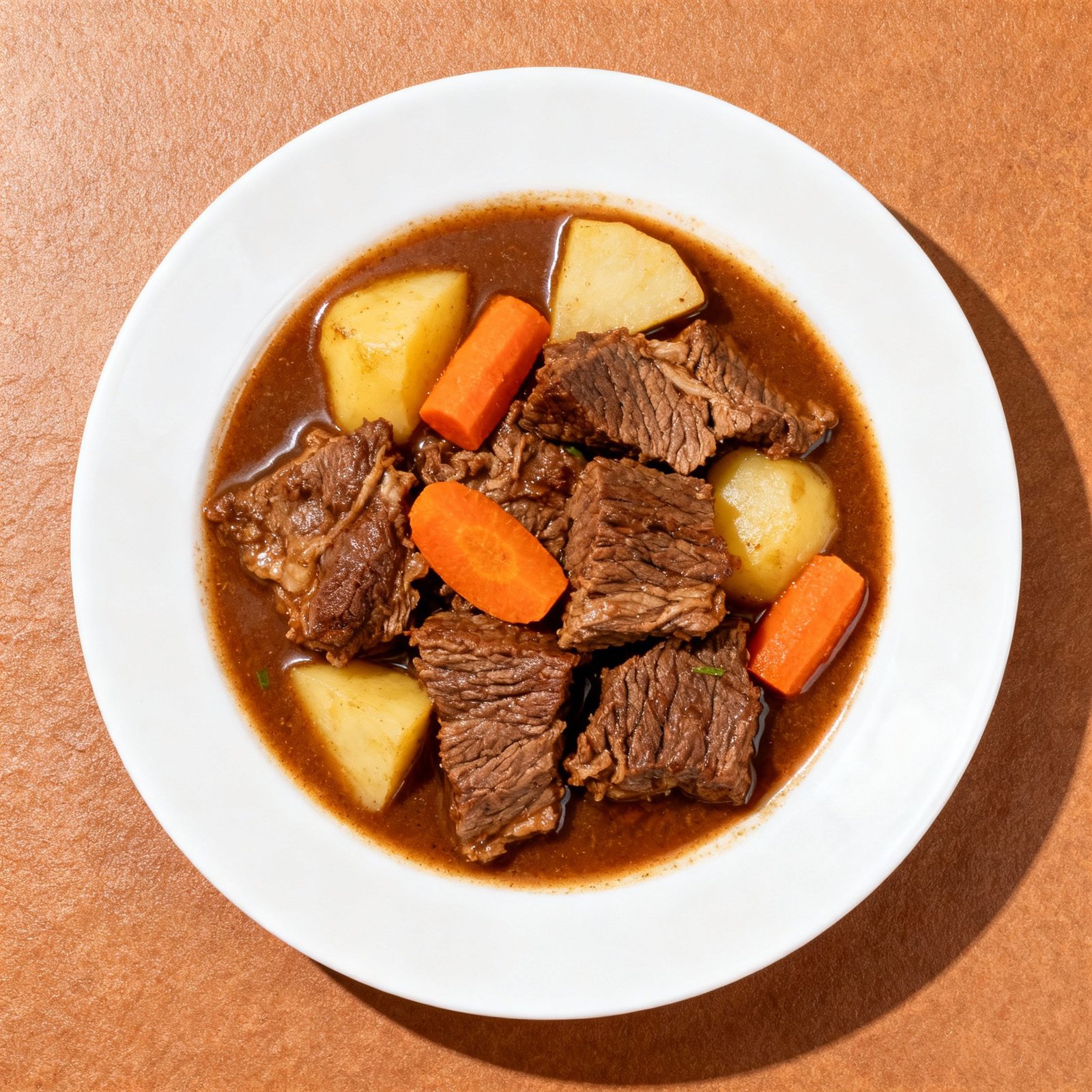
Mechado Recipe Filipino Food: The Ultimate Guide to Tender, Flavorful Beef
Mechado. The very name conjures images of tender beef, bathed in a rich, savory tomato sauce, punctuated by the sweetness of potatoes and carrots, and the salty tang of soy sauce. This classic Filipino stew is a comforting and satisfying dish, perfect for family gatherings, special occasions, or even a cozy weeknight dinner. But achieving that perfect balance of flavors and that melt-in-your-mouth tenderness can sometimes seem daunting. Fear not! This guide will walk you through every step of creating a truly exceptional Mechado, ensuring a delicious and authentic experience every time.
Why This Recipe Works
This Mechado recipe isn’t just a list of ingredients and instructions; it’s a carefully crafted method designed to maximize flavor and tenderness. Here’s why it stands out:
- Browning the Beef: Searing the beef before braising is crucial. This process creates a Maillard reaction, which develops complex flavors and adds depth to the sauce. Don’t skip this step!
- Long, Slow Braising: The key to tender beef is low and slow cooking. This allows the connective tissues in the meat to break down, resulting in a fork-tender texture.
- Balanced Flavors: The combination of tomato sauce, soy sauce, patis (fish sauce), and sugar creates a harmonious blend of sweet, salty, and savory flavors that are characteristic of Filipino cuisine.
- Vegetable Infusion: The potatoes, carrots, and bell peppers not only add texture and visual appeal but also contribute to the overall flavor profile of the dish.
- Liver Spread (Optional): A touch of liver spread adds a subtle richness and depth of flavor that elevates the sauce to another level. This is a traditional ingredient, but you can omit it if you prefer.
Ingredients
- 2 lbs beef chuck, cut into 1-inch cubes
- 2 tbsp cooking oil
- 1 large onion, chopped
- 4 cloves garlic, minced
- 1 red bell pepper, seeded and chopped
- 1 green bell pepper, seeded and chopped
- 2 medium potatoes, peeled and cubed
- 2 medium carrots, peeled and sliced
- 1 (8 oz) can tomato sauce
- 1/4 cup soy sauce
- 2 tbsp patis (fish sauce)
- 1 tbsp brown sugar
- 1 cup beef broth (or water)
- 2 tbsp tomato paste
- 2 tbsp liver spread (optional)
- 1 bay leaf
- 1/2 tsp black peppercorns, crushed
- Salt to taste
- Water as needed
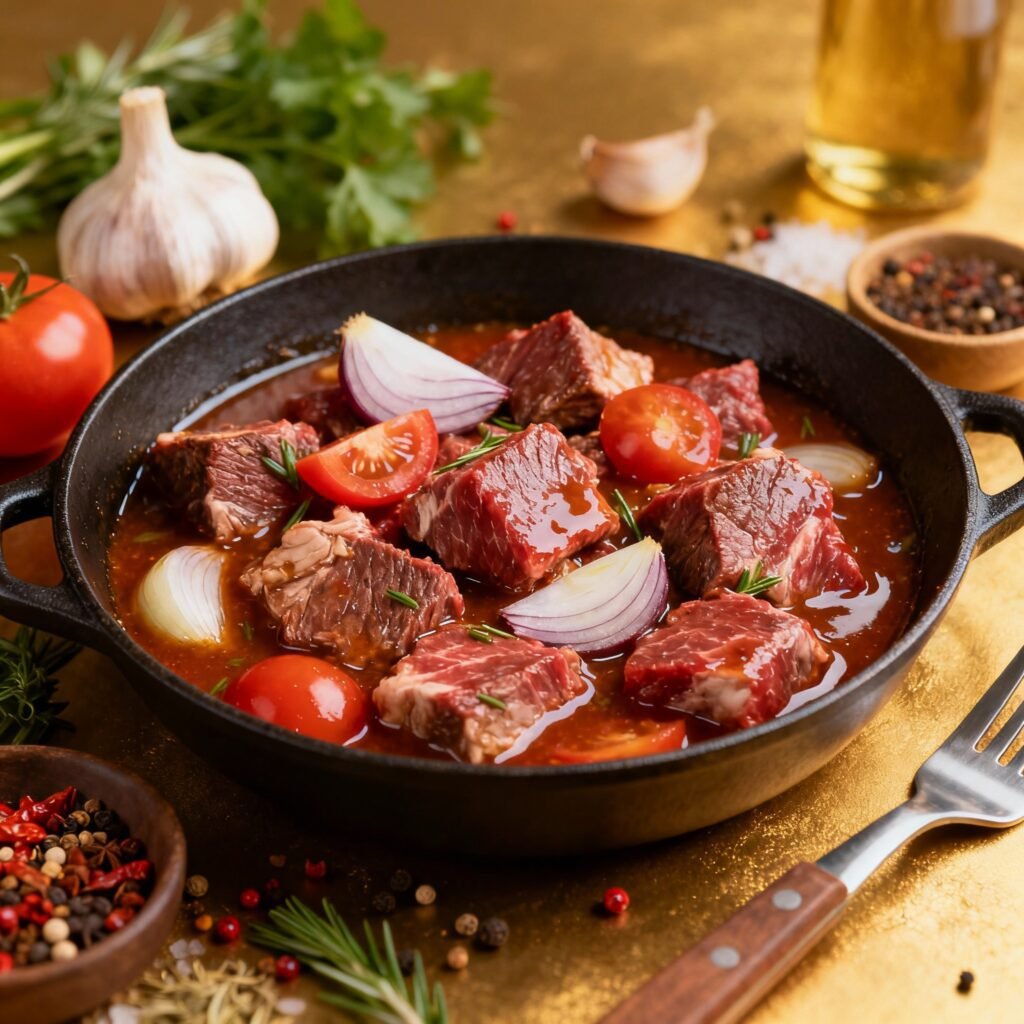
Instructions
- Prepare the Beef: Pat the beef cubes dry with paper towels. This will help them brown properly. Season generously with salt and pepper.
- Sear the Beef: Heat the cooking oil in a large pot or Dutch oven over medium-high heat. Add the beef in batches, being careful not to overcrowd the pot. Sear on all sides until browned. Remove the beef and set aside.
- Sauté Aromatics: In the same pot, add the onion and garlic and sauté until softened and fragrant, about 3-5 minutes.
- Add Vegetables: Add the bell peppers, potatoes, and carrots to the pot. Sauté for another 5-7 minutes, or until the vegetables are slightly softened.
- Add Sauce Ingredients: Stir in the tomato sauce, soy sauce, patis, brown sugar, tomato paste, liver spread (if using), bay leaf, and crushed black peppercorns. Bring to a simmer.
- Return the Beef: Return the browned beef to the pot. Pour in the beef broth (or water), ensuring that the beef is mostly submerged. Bring to a boil, then reduce the heat to low, cover, and simmer for 2-3 hours, or until the beef is very tender. Check occasionally and add more water if needed to prevent the sauce from drying out.
- Adjust Seasoning: Once the beef is tender, taste the sauce and adjust the seasoning as needed. Add more salt, soy sauce, or sugar to your liking.
- Serve: Serve the Mechado hot with steamed rice.
Tips for Success
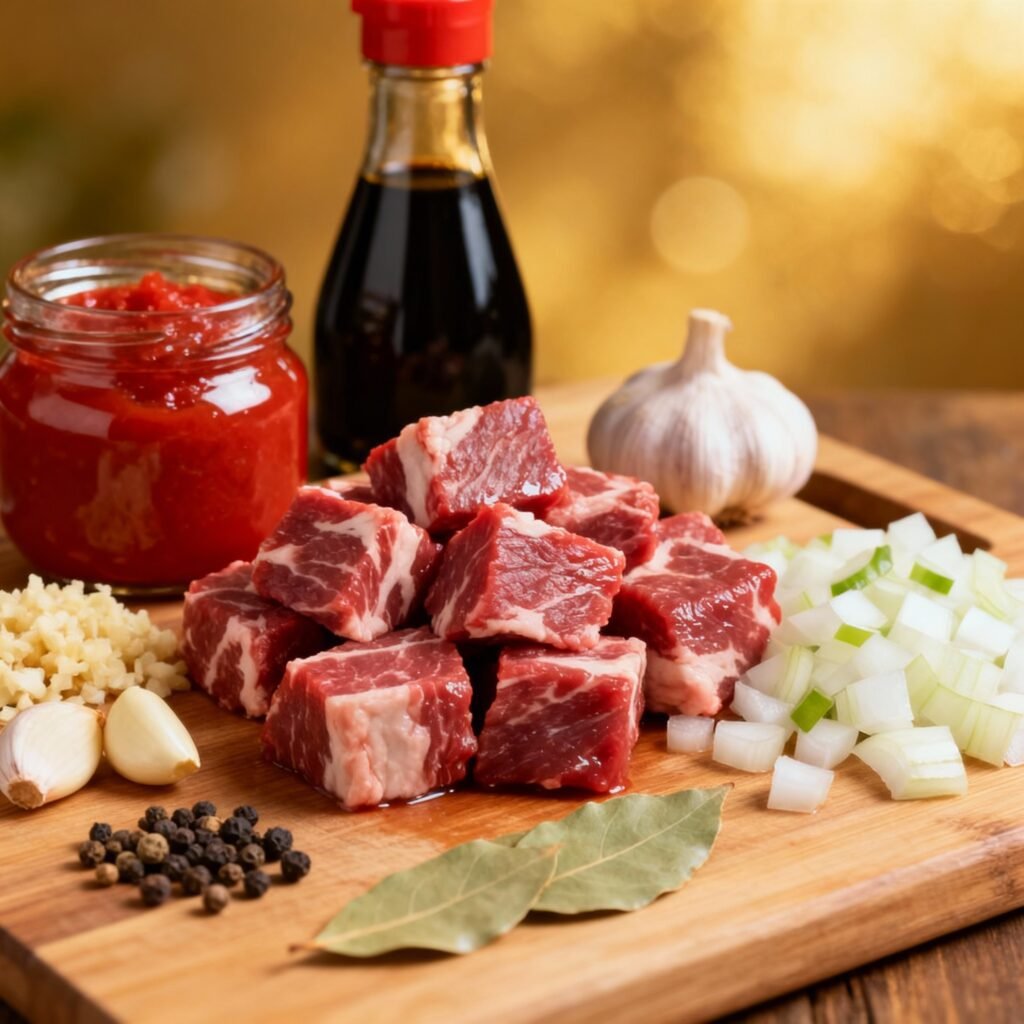
- Choose the Right Cut of Beef: Beef chuck is the ideal cut for Mechado because it has a good amount of marbling, which renders down during cooking and adds flavor and moisture.
- Don’t Overcrowd the Pot: When browning the beef, work in batches to avoid overcrowding the pot. Overcrowding will lower the temperature of the oil and prevent the beef from browning properly.
- Low and Slow is Key: Be patient and allow the beef to braise for a long time. This is essential for achieving that melt-in-your-mouth tenderness.
- Taste and Adjust: Don’t be afraid to taste the sauce and adjust the seasoning to your liking. Everyone has different preferences, so find the balance of flavors that you enjoy most.
- Add a Little Heat: For a spicy kick, add a pinch of chili flakes or a chopped chili pepper to the pot along with the other ingredients.
- Thicken the Sauce: If the sauce is too thin, you can thicken it by simmering it uncovered for the last 30 minutes of cooking, or by mixing a tablespoon of cornstarch with a tablespoon of cold water and stirring it into the sauce during the last few minutes of cooking.
Storage Instructions
Leftover Mechado can be stored in an airtight container in the refrigerator for up to 3-4 days. It can also be frozen for up to 2-3 months. To reheat, simply warm it up in a pot over medium heat or in the microwave. You may need to add a little water if the sauce has thickened too much during storage.
FAQ
- Can I use a different cut of beef? While beef chuck is recommended, you can also use beef brisket or round roast. However, these cuts may require longer cooking times to become tender.
- Can I make Mechado in a slow cooker? Yes, you can make Mechado in a slow cooker. Brown the beef and sauté the aromatics as instructed in the recipe. Then, transfer all the ingredients to the slow cooker and cook on low for 6-8 hours, or on high for 3-4 hours.
- What if I don’t have liver spread? If you don’t have liver spread, you can omit it. The Mechado will still be delicious, but it will have a slightly less rich flavor.
- Can I use canned potatoes and carrots? While fresh vegetables are preferred, you can use canned potatoes and carrots in a pinch. Just be sure to drain them well before adding them to the pot. Add them during the last 30 minutes of cooking, as they will already be soft.
- Why is my beef tough? If your beef is tough, it means it hasn’t been cooked long enough. Continue simmering it until it becomes tender.
Conclusion
Mechado is more than just a dish; it’s a taste of home, a celebration of Filipino flavors, and a testament to the power of slow cooking. With this recipe and these tips, you’re well on your way to creating a Mechado that will impress your family and friends. So gather your ingredients, put on your apron, and get ready to experience the joy of cooking this classic Filipino stew. Mabuhay!