New York Style Pizza Dough Recipe: The Perfect Slice at Home
Craving that iconic New York slice? The foldable, slightly chewy crust, the tangy sauce, and the perfectly melted cheese? You don’t need a plane ticket to satisfy that craving. This recipe brings the authentic taste of New York pizza right to your kitchen. We’re talking about a dough that’s easy to work with, develops incredible flavor, and bakes up with that characteristic crispy bottom and airy interior. Get ready to impress your friends and family with pizza that rivals your favorite pizzeria.
Why This Recipe Works
This recipe is more than just a list of ingredients; it’s a carefully crafted formula that takes into account the key elements of New York style pizza dough. Here’s why it’s so successful:
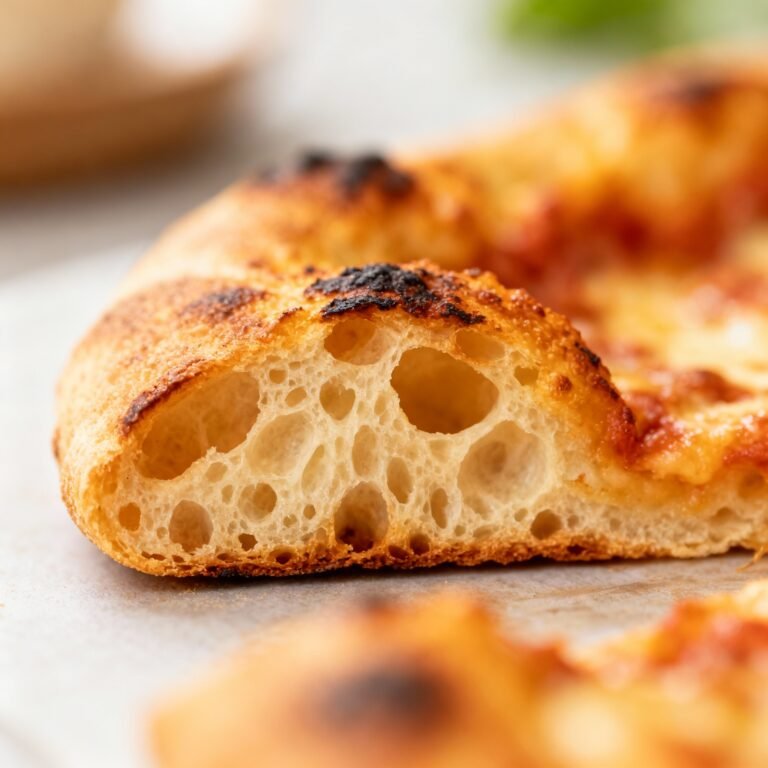
- High Hydration: The dough has a relatively high hydration level (around 65%), which contributes to its open crumb structure and that signature chewiness.
- Slow Fermentation: A long, slow fermentation in the refrigerator allows the dough to develop complex flavors and improve its texture. This is a crucial step for achieving that authentic New York taste.
- High Gluten Flour: Using bread flour, which is high in protein, provides the necessary gluten development for a strong, stretchy dough that can handle the weight of toppings and create those beautiful bubbles in the crust.
- Proper Kneading: Kneading is essential for developing gluten, but over-kneading can result in a tough crust. This recipe provides clear instructions on how to knead the dough properly.
- Oven Temperature: Baking at a high temperature (500-550°F) is essential for achieving that crispy bottom and charred edges that are characteristic of New York pizza.
Ingredients
- 400g (14.1 oz) Bread Flour: Bread flour is crucial for the high gluten content needed for a strong, chewy crust. King Arthur or Bob’s Red Mill are excellent choices.
- 260g (9.2 oz) Water: Use lukewarm water (around 90-100°F) to activate the yeast.
- 8g (0.3 oz) Instant Dry Yeast: Instant dry yeast is easy to use and provides consistent results. If using active dry yeast, proof it in the lukewarm water for 5-10 minutes before adding it to the flour.
- 10g (0.35 oz) Salt: Salt is essential for flavor and also helps to control the yeast activity.
- 10g (0.35 oz) Olive Oil: Olive oil adds flavor and helps to create a slightly crispy crust.
- Semolina Flour (for dusting): Semolina flour is great for dusting your pizza peel because it prevents the dough from sticking and adds a slightly nutty flavor. Cornmeal can be used as a substitute.
Instructions
- Combine Dry Ingredients: In a large bowl, whisk together the bread flour, salt, and instant dry yeast.
- Add Water and Oil: Add the lukewarm water and olive oil to the dry ingredients.
- Mix Until Shaggy Dough Forms: Use a wooden spoon or your hands to mix the ingredients until a shaggy dough forms.
- Knead the Dough: Turn the dough out onto a lightly floured surface and knead for 8-10 minutes, or until the dough is smooth and elastic. You can also use a stand mixer with a dough hook attachment. If using a stand mixer, knead on medium speed for 6-8 minutes. The dough should be slightly sticky, but not so sticky that it’s unmanageable.
- First Rise (Bulk Fermentation): Place the dough in a lightly oiled bowl, turning to coat. Cover the bowl with plastic wrap or a damp towel. Let the dough rise in a warm place for 1-1.5 hours, or until doubled in size.
- Divide and Shape: Gently punch down the dough to release the air. Divide the dough into two equal portions. Gently shape each portion into a ball.
- Second Rise (Cold Fermentation): Place each dough ball in a separate, lightly oiled container. Cover tightly and refrigerate for at least 24 hours, and up to 72 hours. This slow fermentation is key to developing the best flavor.
- Remove from Refrigerator: Remove the dough from the refrigerator 2-3 hours before you plan to bake the pizza. This allows the dough to warm up slightly and become more pliable.
- Preheat Oven: Preheat your oven to the highest temperature it will go (500-550°F), with a pizza stone or baking steel inside. It’s crucial to preheat the stone or steel for at least 30 minutes to ensure it’s thoroughly heated.
- Stretch the Dough: On a lightly floured surface, gently stretch and shape the dough into a 12-14 inch circle. Be careful not to tear the dough. You can use your hands, a rolling pin (though traditionally not used in New York style), or a combination of both.
- Top the Pizza: Transfer the stretched dough to a pizza peel that has been generously dusted with semolina flour. Quickly add your desired toppings. Keep it simple for a true New York experience – tomato sauce, mozzarella cheese, and maybe a sprinkle of oregano.
- Bake the Pizza: Carefully slide the pizza onto the preheated pizza stone or baking steel. Bake for 8-12 minutes, or until the crust is golden brown and the cheese is melted and bubbly.
- Cool and Serve: Remove the pizza from the oven and let it cool for a few minutes before slicing and serving.
Tips for Success
- Use a Kitchen Scale: For best results, use a kitchen scale to measure your ingredients accurately. This is especially important for baking.
- Don’t Overwork the Dough: Over-kneading can result in a tough crust. Knead the dough until it’s smooth and elastic, but not overly tight.
- Be Patient with the Fermentation: The long, slow fermentation is key to developing the best flavor. Don’t rush the process.
- Use High-Quality Ingredients: The quality of your ingredients will directly impact the taste of your pizza. Use good quality bread flour, olive oil, and tomatoes.
- Preheat Your Oven Properly: Preheating your oven to the highest temperature possible, with a pizza stone or baking steel inside, is essential for achieving that crispy bottom crust.
- Don’t Overload the Toppings: Too many toppings can weigh down the crust and prevent it from cooking properly. Keep it simple and use fresh, high-quality ingredients.
- Practice Makes Perfect: Don’t be discouraged if your first attempt isn’t perfect. Making pizza dough takes practice. Keep experimenting and you’ll eventually master it.
Storage Instructions
Dough: Unbaked pizza dough can be stored in the refrigerator for up to 3 days. After that, the dough may become too sour. You can also freeze the dough for up to 2 months. To freeze, wrap each dough ball tightly in plastic wrap and then place it in a freezer bag. Thaw the dough in the refrigerator overnight before using.
Leftover Pizza: Leftover pizza can be stored in the refrigerator for up to 3 days. Reheat in a preheated oven at 350°F for 5-10 minutes, or until heated through. You can also reheat pizza in a skillet over medium heat, or in the microwave (although the crust will be softer).
FAQ
Can I use all-purpose flour instead of bread flour? While bread flour is highly recommended for its higher gluten content which results in a chewier crust, you can use all-purpose flour in a pinch. However, the crust will be less chewy and may not rise as much. You might also need to adjust the amount of water slightly.
Can I use active dry yeast instead of instant dry yeast? Yes, you can use active dry yeast. However, you’ll need to proof it in the lukewarm water for 5-10 minutes before adding it to the flour.
My dough is too sticky. What should I do? If your dough is too sticky, add a tablespoon of flour at a time until it becomes more manageable. Be careful not to add too much flour, as this can result in a tough crust.
My dough is not rising. What should I do? If your dough is not rising, make sure that your yeast is still active. You can test the yeast by adding a teaspoon of sugar to the lukewarm water and yeast mixture. If the mixture doesn’t foam up after 5-10 minutes, your yeast is likely dead. Also ensure your rising environment is warm enough. A cold environment will inhibit the yeast activity.
Why is my pizza crust tough? A tough pizza crust can be caused by over-kneading the dough, using too much flour, or not allowing the dough to ferment for long enough.
Conclusion
Making New York style pizza dough at home may seem daunting, but with this recipe and a little practice, you’ll be slinging slices like a pro in no time. The key is to follow the instructions carefully, use high-quality ingredients, and be patient with the fermentation process. So, gather your ingredients, preheat your oven, and get ready to enjoy the taste of authentic New York pizza in the comfort of your own home. Enjoy!